



Land application of waste to US farmland: Understanding the scope and environmental implications to aid best practices
USGS is studying how different waste materials are reused on farmland and what they might mean for people and the environment. These wastes can offer benefits, but they can also carry substances we don’t fully understand. Because little is known about what’s in these waste materials or how they move through soil and water, more information is needed. USGS research helps fill these gaps so communities and land managers can make safe, informed decisions about reuse.
Waste is an unavoidable byproduct of many essential activities, from treatment of municipal waste, production of livestock, and drilling of oil and gas wells that are needed to protect, feed, and fuel the world’s population. Once these wastes are generated, an important question becomes: how should they be disposed of?
Municipalities, farmers, and the oil and gas industry are increasingly looking for ways to put these renewable waste materials to better use compared to other options such as disposing of them in landfills, which have limited capacity. When guided by science and managed safely, materials such as municipal biosolids and effluents, livestock manure, and spent drilling fluids may offer beneficial reuse for land applications. However, environmental and human health concerns related to applying these materials on farmland continue to grow. Because of this, it is important to understand what these materials contain and how they behave in the environment after land application to help inform sustainable safe reuse and disposal practices.
From Waste to Resource
It is common practice to apply certain waste materials from municipal, agricultural, and energy‑production activities to farmland as a cost‑effective strategy for reuse and disposal. In the United States, roughly 50 percent of all biosolids produced, and nearly all livestock manure are applied to agricultural land as fertilizers to enhance soil fertility and increase crop yields. In some states, agricultural producers also allow the application or disposal of drilling waste on pasture and rangeland. In cases where treated wastewater or produced water is reused, these practices can also help conserve freshwater resources.
Municipal Waste: After treatment, biosolids and wastewater can be applied to the land surface to provide nutrient rich fertilizers that help revive nutrients in soils and support crop growth.
Agricultural Waste: Manure and leftover plant material can add important nutrients and moisture back into fields, helping soils hold water and support strong crops.
- Energy Production Waste: Using treated produced water from oil and gas development for surface disposal can be cost‑effective, saving money and potentially lowering greenhouse gas emissions by reducing the need for transportation to disposal facilities. In some cases, reusing treated produced water can also reduce reliance on freshwater supplies.

Why is USGS working on this issue?
Beneficial reuse of municipal, agricultural, and energy-related waste materials offers opportunities to conserve resources and reduce disposal costs. However, these materials can contain a variety of substances including nutrients, chemicals, microorganisms, microplastics, and metals that may pose a risk if not properly understood and managed.
On the national scale, little is known about the magnitude of potential contaminant exposures resulting from the array of inorganic and organic chemicals present in biosolids, livestock, and drilling wastes that could be released during land application and disposal. For example, there are only a few chemical characterization studies of drilling waste that exist in the literature, and the data that are available are limited in scope. The limited chemical and microbial characterization, lack of knowledge of the scope and scale of land application, and potential environmental and human health effects underscore the need for further investigation.

How USGS Science Informs Safe Reuse of Waste
USGS research provides the science needed for decision makers to guide the safe reuse of waste materials. We identify what’s in waste materials, track how substances within reuse materials transform and move through soil and water, and assess how these substances may affect agriculture, fish and wildlife, human health, and overall ecosystem function. We also develop tools that help communities and resource managers make informed decisions. Together, this work forms the scientific foundation for best‑management practices that support the safe reuse of waste materials and help protect our food, water, and health.
Characterize Waste Composition: Analyze chemical and biological substances in waste materials such as livestock manure, produced waters, and municipal wastes.
Assess Environmental Pathways: Investigate how substances move through soil, water, and food webs—from farm fields to streams and aquifers to help understand potential effects to aquatic and terrestrial ecosystems.
Evaluate Exposure and Toxicity: Use advanced laboratory methods and field studies to determine potential impacts on drinking water, crops, livestock, and wildlife.
What’s in land applied waste?
It’s important to understand what’s in waste materials that are spread on farm fields because they can carry chemical and microbial substances that may affect the environment, wildlife, and people. To help fill major knowledge gaps, USGS worked with commercial and industrial partners around the country to collect and analyze biosolids, livestock waste, and drilling waste just before they were applied to farmland. The team looked at hundreds of chemicals, studied the microbes present, and tested for hormone‑related and potentially toxic effects. Each type of waste had its own distinct mixture of substances: biosolids were highest in household chemicals and pharmaceuticals, livestock waste had the most natural hormones and nutrients, and drilling waste contained the highest levels of industrial chemicals, rare‑earth elements, and some radioactive materials. These findings show that different waste materials can introduce a complicated mixture of substances into the environment. The results provide an important initial national‑scale understanding that can help farmers, communities, and resource managers make informed decisions and develop practices that support safe and beneficial reuse while reducing risks to human and environmental health

Scoping out the scale of drilling fluid application
The scope of drilling fluid land application on a national scale is not well constrained due to the relative recency of this practice, varying state regulations, and the limited availability of data. To begin to understand the extent of historical and potential future land application, we looked toward a significant petroleum producing state with public access to required land application permitting data: Oklahoma. Data was analyzed from over 5,800 drilling fluid land application permits collected by the Oklahoma Corporation Commission for years 2000, 2005, 2010, and 2015–2020. During the years studied, drilling fluid wastes were applied to more than 250,000 acres in Oklahoma, with over 54,000 thousand barrels (MBbl) of liquids and nearly 21,000 MBbl of solids applied. Land applications are widespread (occurring in 59/77 counties), however recent drilling activity, land availability, and the economics of transportation have created conditions favorable for land application, specifically in the Anadarko Basin. Land applications can co-occur with sensitive areas, such as important groundwater and surface-water drinking sources and agricultural fields used for subsistence or feed crop production. Our approach for quantifying the extent of land application, along with further chemical characterization studies, can aid operators and land managers who are considering this practice in assessing the associated benefits and risks. Additionally, this work highlights the importance of state-level data collection for decision-making purposes.
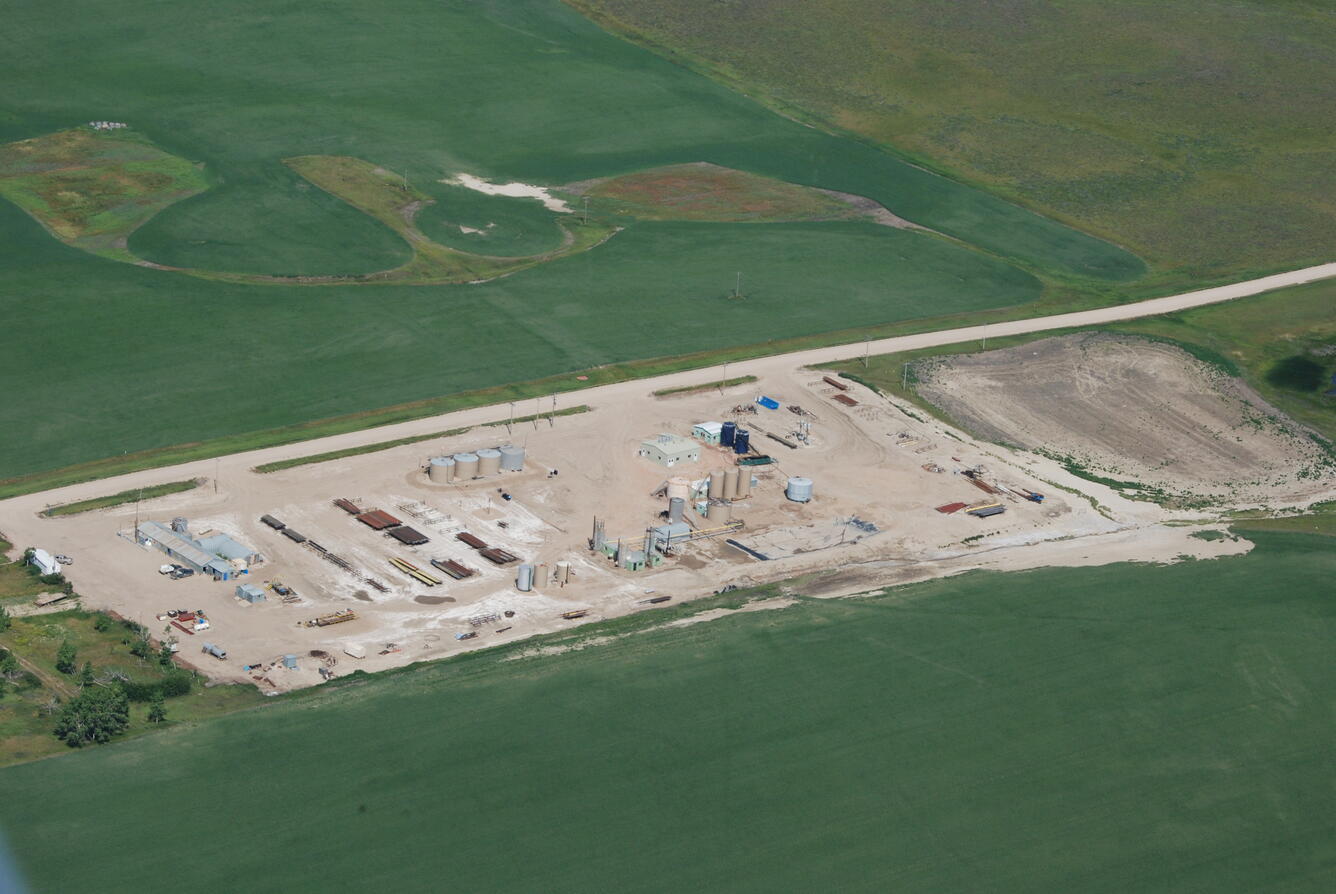
USGS is studying how different waste materials are reused on farmland and what they might mean for people and the environment. These wastes can offer benefits, but they can also carry substances we don’t fully understand. Because little is known about what’s in these waste materials or how they move through soil and water, more information is needed. USGS research helps fill these gaps so communities and land managers can make safe, informed decisions about reuse.
Waste is an unavoidable byproduct of many essential activities, from treatment of municipal waste, production of livestock, and drilling of oil and gas wells that are needed to protect, feed, and fuel the world’s population. Once these wastes are generated, an important question becomes: how should they be disposed of?
Municipalities, farmers, and the oil and gas industry are increasingly looking for ways to put these renewable waste materials to better use compared to other options such as disposing of them in landfills, which have limited capacity. When guided by science and managed safely, materials such as municipal biosolids and effluents, livestock manure, and spent drilling fluids may offer beneficial reuse for land applications. However, environmental and human health concerns related to applying these materials on farmland continue to grow. Because of this, it is important to understand what these materials contain and how they behave in the environment after land application to help inform sustainable safe reuse and disposal practices.
From Waste to Resource
It is common practice to apply certain waste materials from municipal, agricultural, and energy‑production activities to farmland as a cost‑effective strategy for reuse and disposal. In the United States, roughly 50 percent of all biosolids produced, and nearly all livestock manure are applied to agricultural land as fertilizers to enhance soil fertility and increase crop yields. In some states, agricultural producers also allow the application or disposal of drilling waste on pasture and rangeland. In cases where treated wastewater or produced water is reused, these practices can also help conserve freshwater resources.
Municipal Waste: After treatment, biosolids and wastewater can be applied to the land surface to provide nutrient rich fertilizers that help revive nutrients in soils and support crop growth.
Agricultural Waste: Manure and leftover plant material can add important nutrients and moisture back into fields, helping soils hold water and support strong crops.
- Energy Production Waste: Using treated produced water from oil and gas development for surface disposal can be cost‑effective, saving money and potentially lowering greenhouse gas emissions by reducing the need for transportation to disposal facilities. In some cases, reusing treated produced water can also reduce reliance on freshwater supplies.
Why is USGS working on this issue?
Beneficial reuse of municipal, agricultural, and energy-related waste materials offers opportunities to conserve resources and reduce disposal costs. However, these materials can contain a variety of substances including nutrients, chemicals, microorganisms, microplastics, and metals that may pose a risk if not properly understood and managed.
On the national scale, little is known about the magnitude of potential contaminant exposures resulting from the array of inorganic and organic chemicals present in biosolids, livestock, and drilling wastes that could be released during land application and disposal. For example, there are only a few chemical characterization studies of drilling waste that exist in the literature, and the data that are available are limited in scope. The limited chemical and microbial characterization, lack of knowledge of the scope and scale of land application, and potential environmental and human health effects underscore the need for further investigation.
How USGS Science Informs Safe Reuse of Waste
USGS research provides the science needed for decision makers to guide the safe reuse of waste materials. We identify what’s in waste materials, track how substances within reuse materials transform and move through soil and water, and assess how these substances may affect agriculture, fish and wildlife, human health, and overall ecosystem function. We also develop tools that help communities and resource managers make informed decisions. Together, this work forms the scientific foundation for best‑management practices that support the safe reuse of waste materials and help protect our food, water, and health.
Characterize Waste Composition: Analyze chemical and biological substances in waste materials such as livestock manure, produced waters, and municipal wastes.
Assess Environmental Pathways: Investigate how substances move through soil, water, and food webs—from farm fields to streams and aquifers to help understand potential effects to aquatic and terrestrial ecosystems.
Evaluate Exposure and Toxicity: Use advanced laboratory methods and field studies to determine potential impacts on drinking water, crops, livestock, and wildlife.
What’s in land applied waste?
It’s important to understand what’s in waste materials that are spread on farm fields because they can carry chemical and microbial substances that may affect the environment, wildlife, and people. To help fill major knowledge gaps, USGS worked with commercial and industrial partners around the country to collect and analyze biosolids, livestock waste, and drilling waste just before they were applied to farmland. The team looked at hundreds of chemicals, studied the microbes present, and tested for hormone‑related and potentially toxic effects. Each type of waste had its own distinct mixture of substances: biosolids were highest in household chemicals and pharmaceuticals, livestock waste had the most natural hormones and nutrients, and drilling waste contained the highest levels of industrial chemicals, rare‑earth elements, and some radioactive materials. These findings show that different waste materials can introduce a complicated mixture of substances into the environment. The results provide an important initial national‑scale understanding that can help farmers, communities, and resource managers make informed decisions and develop practices that support safe and beneficial reuse while reducing risks to human and environmental health
Scoping out the scale of drilling fluid application
The scope of drilling fluid land application on a national scale is not well constrained due to the relative recency of this practice, varying state regulations, and the limited availability of data. To begin to understand the extent of historical and potential future land application, we looked toward a significant petroleum producing state with public access to required land application permitting data: Oklahoma. Data was analyzed from over 5,800 drilling fluid land application permits collected by the Oklahoma Corporation Commission for years 2000, 2005, 2010, and 2015–2020. During the years studied, drilling fluid wastes were applied to more than 250,000 acres in Oklahoma, with over 54,000 thousand barrels (MBbl) of liquids and nearly 21,000 MBbl of solids applied. Land applications are widespread (occurring in 59/77 counties), however recent drilling activity, land availability, and the economics of transportation have created conditions favorable for land application, specifically in the Anadarko Basin. Land applications can co-occur with sensitive areas, such as important groundwater and surface-water drinking sources and agricultural fields used for subsistence or feed crop production. Our approach for quantifying the extent of land application, along with further chemical characterization studies, can aid operators and land managers who are considering this practice in assessing the associated benefits and risks. Additionally, this work highlights the importance of state-level data collection for decision-making purposes.