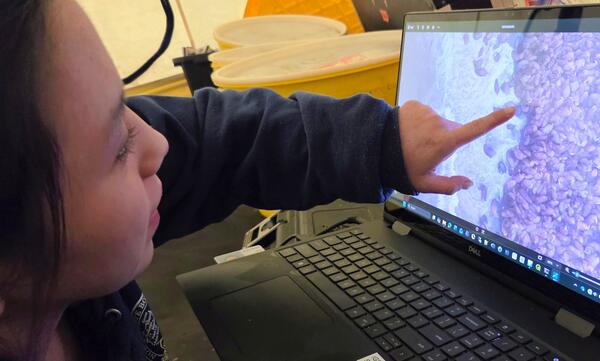
Lemon Creek Glacier Weather Station
The USGS Benchmark Glacier Project installed a new weather station adjacent to Lemon Creek Glacier near Juneau, Alaska.
The USGS Benchmark Glacier Project installed a new weather station adjacent to Lemon Creek Glacier near Juneau, Alaska.
Version 2.0 of the Cooperative National Geologic Map
Includes Alaska, Hawaii, and most U.S. territories
Includes Alaska, Hawaii, and most U.S. territories
Alaska Park Science
Learn about collaborative research between USGS and the National Park Service
Learn about collaborative research between USGS and the National Park Service
Rusting Rivers: Heavy Metals and Visible Color Changes
Q&A: USGS Ecosystems Provides Objective Science to Manage Lands, Fish, and Wildlife
Alaska Critical Mineral Resource Assessments
Alaska has potential for a wide range of critical minerals including, but not limited to, graphite, lithium, tin, tungsten, rare earth elements, and platinum-group elements.
Alaska has potential for a wide range of critical minerals including, but not limited to, graphite, lithium, tin, tungsten, rare earth elements, and platinum-group elements.
Alaska Science Center
The mission of the Alaska Science Center (ASC) is to provide objective and timely data, information, and research findings about the earth and its flora and fauna to Federal, State, and local resource managers and the public to support sound decisions regarding natural resources, natural hazards, and ecosystems in Alaska and circumpolar regions. We have offices in Anchorage, Juneau, and Fairbanks.
Science Spotlight
Science Spotlight
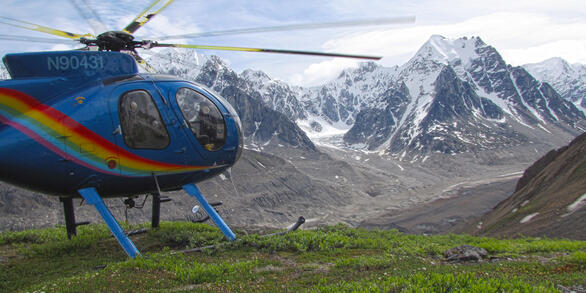
Geologic Map of Alaska
In January 2016, the U.S. Geological Survey released the first ever digital geologic map of Alaska. The interactive Alaska geologic map reflects more than a century of work and provides a visual context for the abundant mineral and energy resources found throughout the state.
News
September is National Preparedness Month
September is National Preparedness Month
Science Spotlight: USGS Monitoring of Glacial Outburst Flood in Juneau Alaska
Science Spotlight: USGS Monitoring of Glacial Outburst Flood in Juneau Alaska
USGS Scientist and National Weather Service and University of Alaska Southeast colleagues receive Alaska State Legislature Recognition for Response to Juneau’s annual Suicide Basin Outburst Floods
USGS Scientist and National Weather Service and University of Alaska Southeast colleagues receive Alaska State Legislature Recognition for Response to Juneau’s annual Suicide Basin Outburst Floods
Publications
Extensive glacier loss in the coterminous United States Extensive glacier loss in the coterminous United States
Glaciers populate the mountain ranges of the western conterminous United States and despite their importance to alpine hydrology, their area and volume change have never been comprehensively evaluated. Since the mid-Twentieth Century about one-quarter of the glaciers have disappeared and the overall area and volume are reduced by one-third. The pattern of glacier shrinkage suggests most...
Improving predictions of insect harassment for barren-ground caribou in the Arctic Improving predictions of insect harassment for barren-ground caribou in the Arctic
Many populations of barren-ground caribou (Rangifer tarandus) have declined or are declining, which is concerning given their ecological role in Arctic ecosystems and their societal role in northern communities. Insect harassment is an important driver of the behavior, energetics, and demographic rates of caribou, and yet, due to challenges in predicting harassment, there is limited...
Science

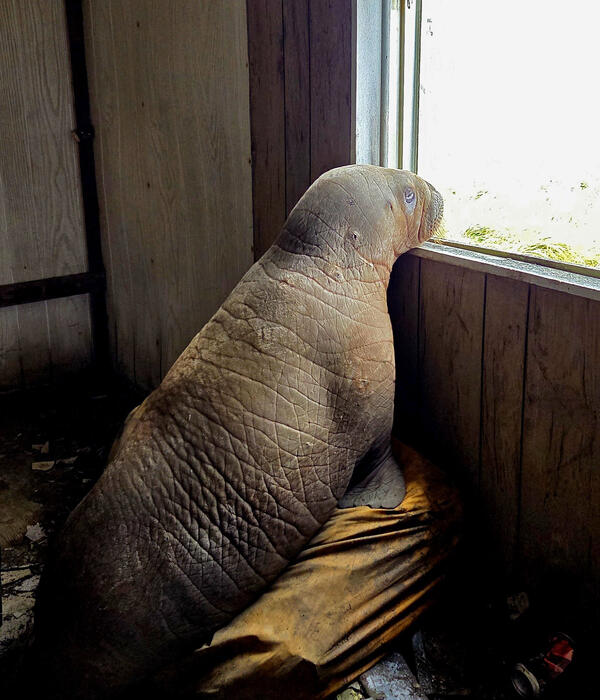
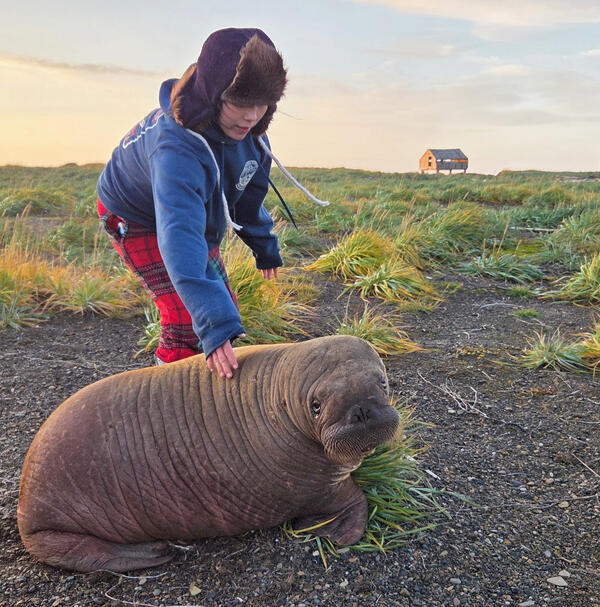
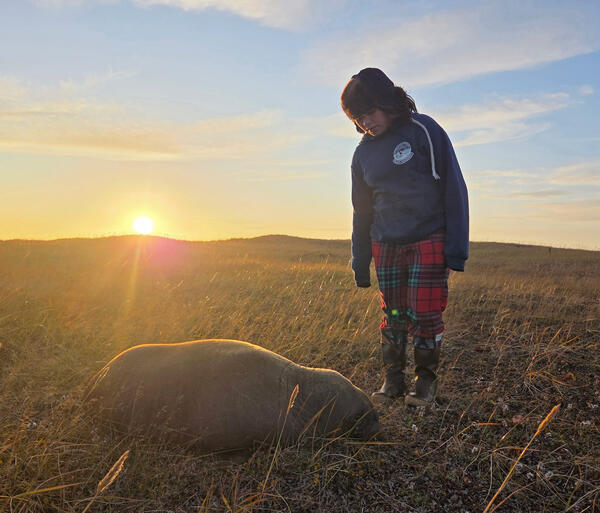
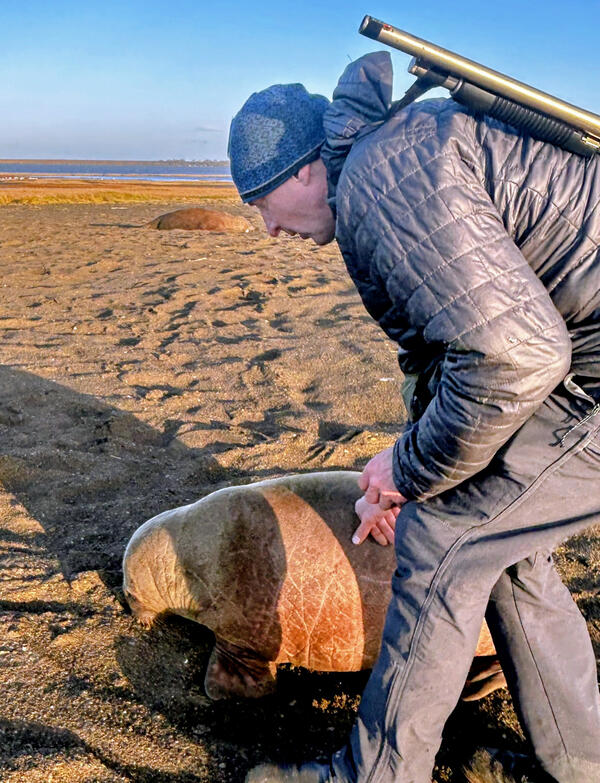
Walrus Research
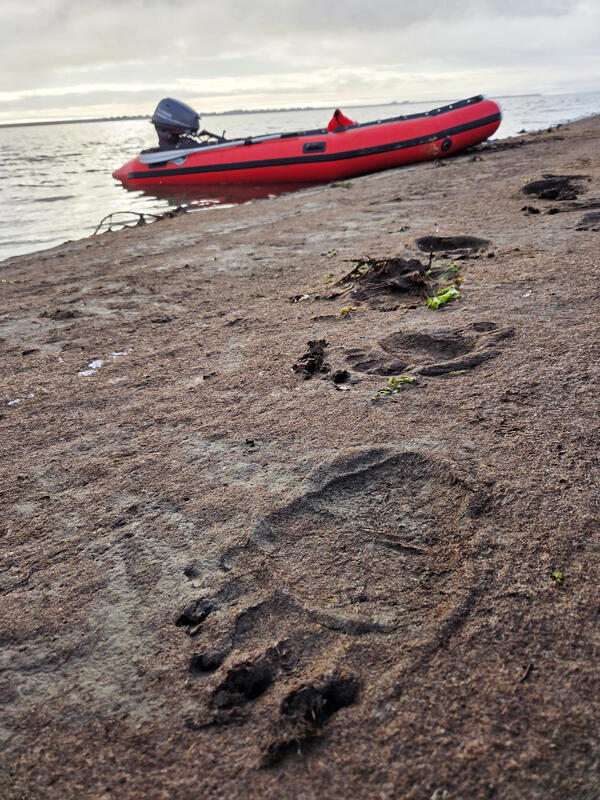
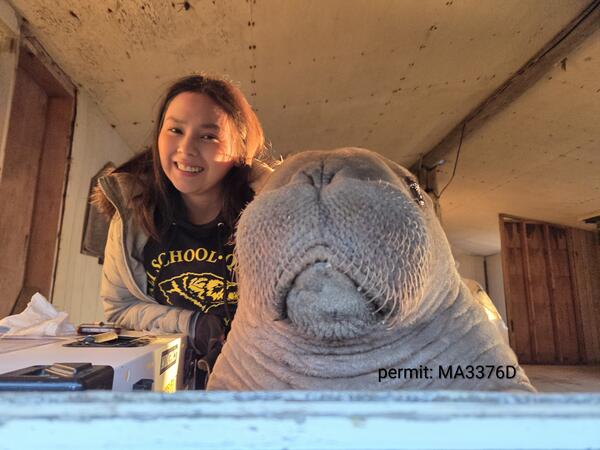
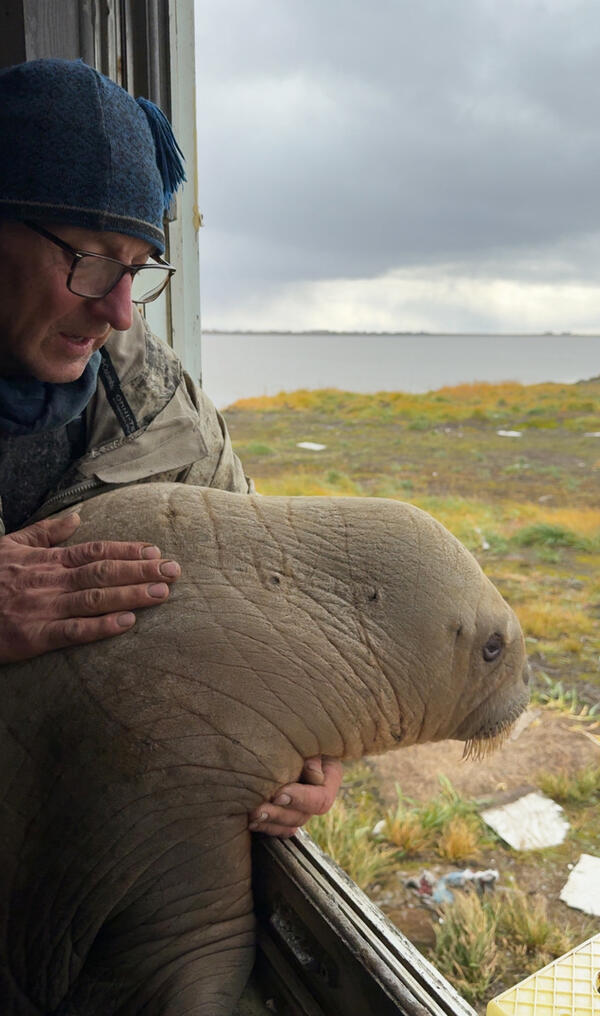
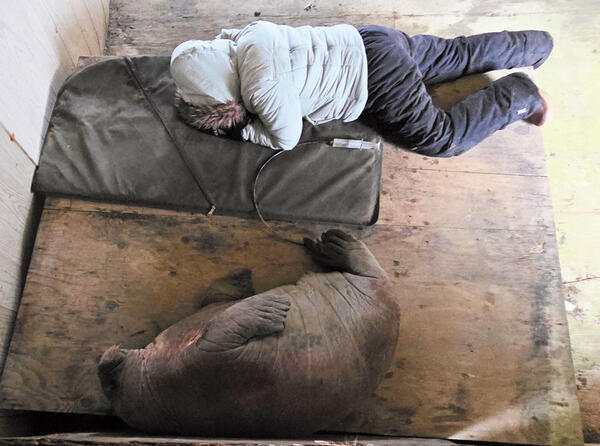
The USGS Alaska Science Center conducts long-term research on the Pacific walrus to provide scientific information to Department of Interior management agencies and Alaska Native co-management partners. In addition, the USGS Pacific walrus research program collaborates with the U.S. Fish and Wildlife Service (USFWS) and the State of Alaska’s Department of Fish and Game and Alaska Native co...

Wolverine Glacier
Wolverine Glacier is located in Alaska’s Kenai Mountains, along the western flank of Prince William Sound. Glacier observations began in 1966 and continue through present as the western most USGS Benchmark Glacier.
Lemon Creek Glacier
Lemon Creek Glacier is located in southeast Alaska, at the southernmost tip of the Juneau Icefield. Glacier observations began at this site in 1953 and continue through present, serving as a central site between glaciers in the contiguous USA and those in mainland Alaska.