U.S. flag

An official website of the United States government

Images

Eastern Ecological Science Center images.

Filter Total Items: 5127
Front left side windows of EESC Gabrielson building replaced with white, vinyl, bird collision deterrent “dots” to prevent bi
Windows with bird collision “dots” to prevent bird collisions.

Front left side windows of EESC Gabrielson building replaced with bird collision deterrent “dots” to prevent bird collisions with glass.

The view of the white, vinyl, collision dots looking out from the inside of an office window at EESC Gabrielson building.
Collision dots from the inside of an office at EESC Gabrielson.
A scientist uses a syringe to extract blood from the tail end of a blue catfish on a white table.
Extracting blood from a blue catfish

Dr. Heather Walsh uses a syringe to extract blood samples from a blue catfish. The blood will be tested for PFAS in the Leetown PFAS Lab.

Dr. Heather Walsh uses a syringe to extract blood samples from a blue catfish. The blood will be tested for PFAS in the Leetown PFAS Lab.

Two female and one male remove organs and tissue samples from two blue catfish on a table covered with research instruments a
Scientists perform necropsies on blue catfish

EESC research volunteers Sean Walsh, Lydia Reed and Lindsey Hartzell take organ and tissue samples from two blue catfish. The research is part of a study to determine PFAS levels in blue catfish. 

EESC research volunteers Sean Walsh, Lydia Reed and Lindsey Hartzell take organ and tissue samples from two blue catfish. The research is part of a study to determine PFAS levels in blue catfish. 

The stomach of a blue catfish and its contents including a small American eel that is white and a fish tail.
The stomach contents of a blue catfish includes an American eel.
A female scientist holds a blue catfish for a closer look at the skin and fins.
Dr. Heather Walsh holding a blue catfish

Dr. Heather Walsh holds a blue catfish as part of sampling to determine PFAS levels in the fish. 

A female scientist uses a wooden measuring board to determine the length of a blue catfish.
Measuring the length of a blue catfish

Dr. Heather Walsh measures the length of a blue catfish as part of a sampling to determine PFAS levels in the fish. 

Dr. Heather Walsh measures the length of a blue catfish as part of a sampling to determine PFAS levels in the fish. 

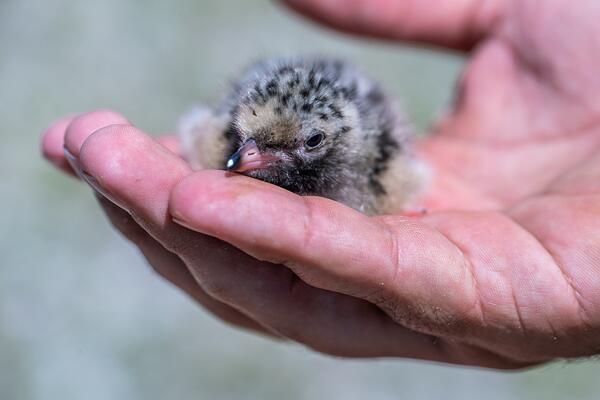
A small fluffy light brown chick with dark speckles is held in hand.
Poplar Island Chick in Hand

This Prosser Lab project aims to understand the factors driving breeding success of multiple waterbird species, with special emphasis on Least and Common Terns (two species of concern) on Poplar Island Environmental Restoration Project.

This Prosser Lab project aims to understand the factors driving breeding success of multiple waterbird species, with special emphasis on Least and Common Terns (two species of concern) on Poplar Island Environmental Restoration Project.

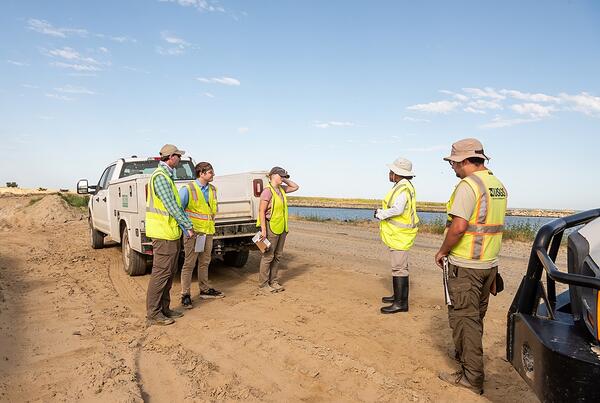
Five scientists in hats and bright green safety vests stand on the sand near two pick-up trucks.
Poplar Island Scientists 2

This Prosser Lab project aims to understand the factors driving breeding success of multiple waterbird species, with special emphasis on Least and Common Terns (two species of concern) on Poplar Island Environmental Restoration Project.

This Prosser Lab project aims to understand the factors driving breeding success of multiple waterbird species, with special emphasis on Least and Common Terns (two species of concern) on Poplar Island Environmental Restoration Project.

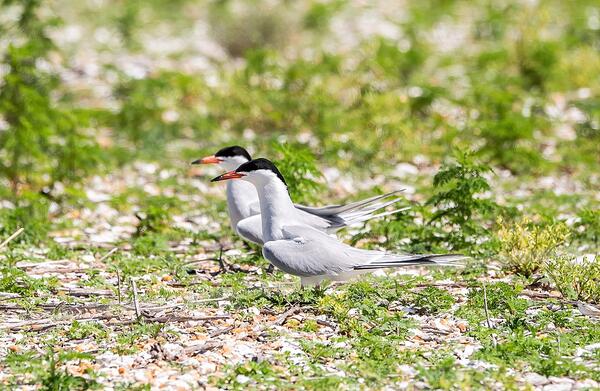
Two white birds with black on the tops of their heads and orange beaks with long tails stand side-by-side in scrubby grass.
Poplar Island Two Terns

This Prosser Lab project aims to understand the factors driving breeding success of multiple waterbird species, with special emphasis on Least and Common Terns (two species of concern) on Poplar Island Environmental Restoration Project.

This Prosser Lab project aims to understand the factors driving breeding success of multiple waterbird species, with special emphasis on Least and Common Terns (two species of concern) on Poplar Island Environmental Restoration Project.

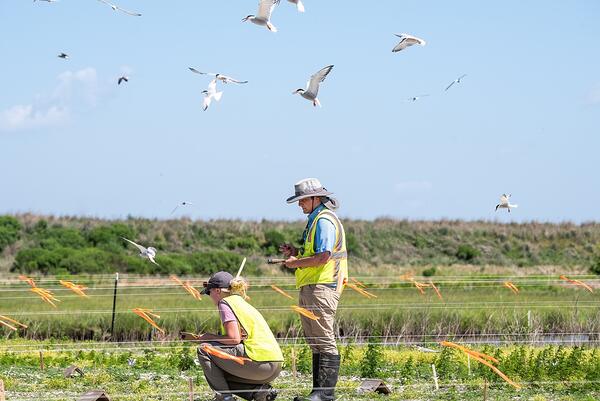
Two scientists in hats and bright green safety vests survey white birds flying around them.
PoplarIslandScientists

This Prosser Lab project aims to understand the factors driving breeding success of multiple waterbird species, with special emphasis on Least and Common Terns (two species of concern) on Poplar Island Environmental Restoration Project.

This Prosser Lab project aims to understand the factors driving breeding success of multiple waterbird species, with special emphasis on Least and Common Terns (two species of concern) on Poplar Island Environmental Restoration Project.

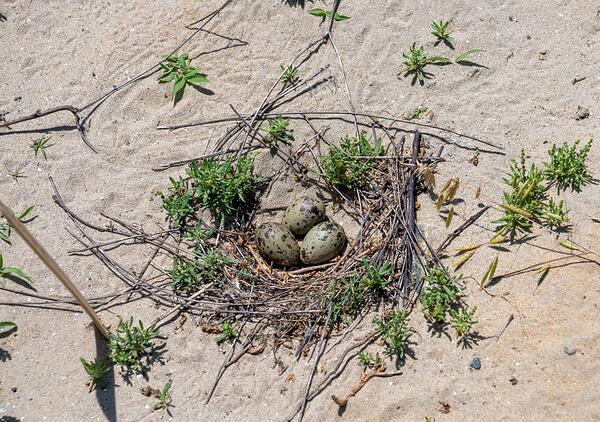
Three light brown eggs with dark brown  sit on a shallow nest of scrub and sand.
Poplar Island Tern Nest

This Prosser Lab project aims to understand the factors driving breeding success of multiple waterbird species, with special emphasis on Least and Common Terns (two species of concern) on Poplar Island Environmental Restoration Project.

This Prosser Lab project aims to understand the factors driving breeding success of multiple waterbird species, with special emphasis on Least and Common Terns (two species of concern) on Poplar Island Environmental Restoration Project.

Photo of female fish biologist
boyle photo.jpg
boyle photo.jpg
boyle photo.jpg

Lindsey Boyle is a Fish Biologist with the United States Geological Survey at the Eastern Ecological Science Center

Lindsey Boyle is a Fish Biologist with the United States Geological Survey at the Eastern Ecological Science Center

Jennifer Malpass profile picture woman wearing a red shirt
Jennifer Malpass
Jennifer Malpass
Jennifer Malpass

Jennifer Malpass is the Partner and Employee Engagement Team manager with the Eastern Ecological Science Center

Jennifer Malpass is the Partner and Employee Engagement Team manager with the Eastern Ecological Science Center

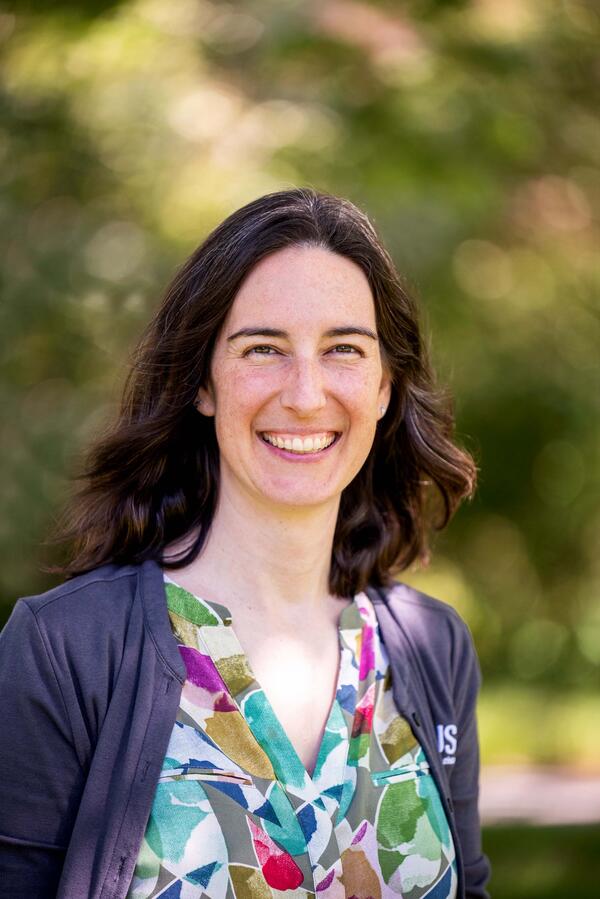
Emily Schmeltzer
Emily Schmelzter EESC

Emily Schmeltzer works for the USGS Eastern Ecological Survey in Laurel, MD         

Emily Schmeltzer works for the USGS Eastern Ecological Survey in Laurel, MD         

A woman in a gray shirt and a small child in a striped shirt look into a white container filled with water.
Macroinvertebrate Outreach at EESC Earth Day 2024

Brenna Raines (right) educates earth day guest Bennett Butts about macroinvertebrates. 

Two women with USGS hats hold a crayfish
EESC Earth Day Crayfish Outreach

Brenna Raines (near) and Taylor Woods (far) display crayfish and other macroinvertebrates during the EESC earth day open house event in 2024

Brenna Raines (near) and Taylor Woods (far) display crayfish and other macroinvertebrates during the EESC earth day open house event in 2024

A child in a tan floppy hat looks through clear glass at a brook trout swimming inside a fiberglass tank.
Observing an Artificial Stream Lab

A young scientist observes Brook Trout housed in EESC's artificial stream lab.                    

A young scientist observes Brook Trout housed in EESC's artificial stream lab.                    

A young child peers through a cutout hole in a frame painted to look like a scientist electrofishing.
EESC Earth Day Photo Frame

A photo of a young earth day attendee using one of the earth day photo frames at earth day 2024. 

A photo of a young earth day attendee using one of the earth day photo frames at earth day 2024. 

Goose eggs surrounded by feather down in nest on wooden osprey platform
Goose eggs in nest on osprey platform

Goose eggs in nest on osprey platform                    

Osprey with nest on channel marker
Osprey with nest in Aid to Navigation Chanel Marker

Osprey with nest in Aid to Navigation Chanel Marker west of Tighman Island, Chesapeake Bay

Was this page helpful?