



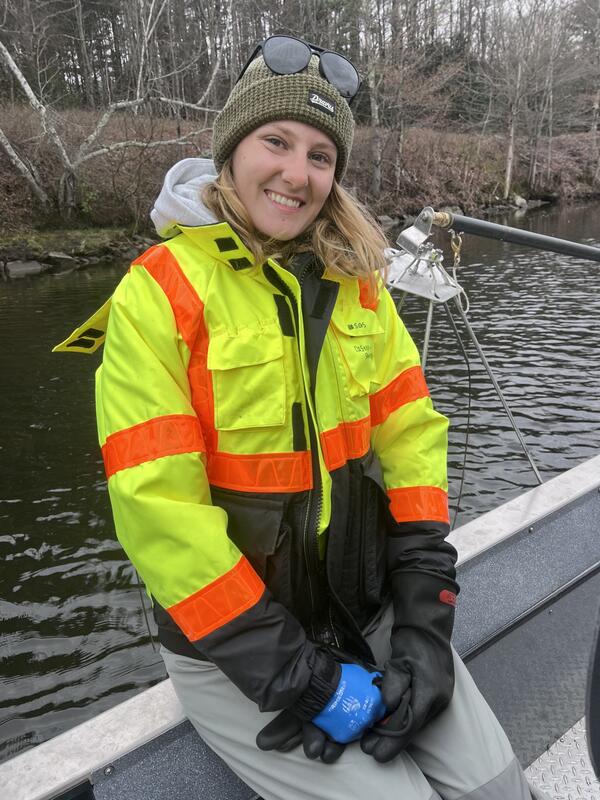
Annaliese Seibel is a Biological Sciences Technician specializing in fish passage research at the Eastern Ecological Science Center's S.O. Conte Research Laboratory in Turners Falls, MA.
Images
Eastern Ecological Science Center images.
Filter Total Items: 5139
USGS Staff Photo.jpg
Annaliese Seibel is a Biological Sciences Technician specializing in fish passage research at the Eastern Ecological Science Center's S.O. Conte Research Laboratory in Turners Falls, MA.
4341623a-3690-49af-9c97-a95f84a0f6f6.jpg
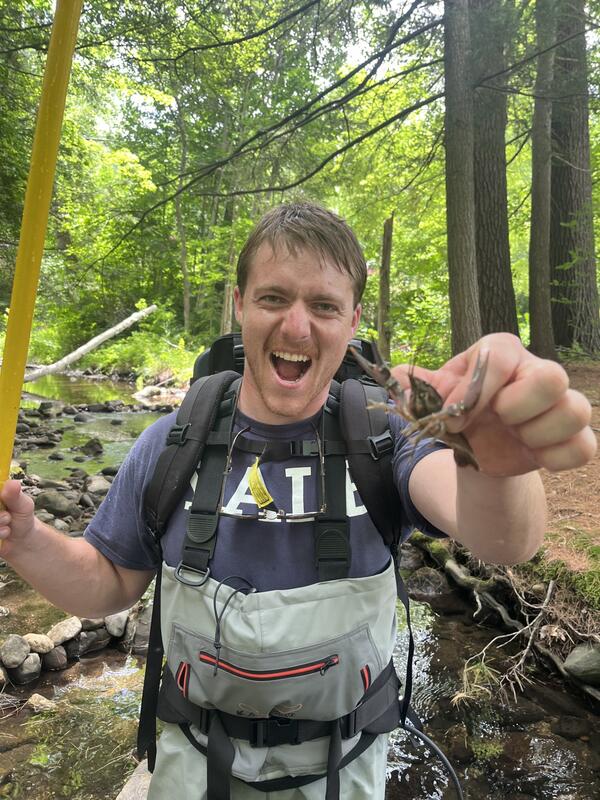
Man in the forest wearing waders holding a crayfish
Man in the forest wearing waders holding a crayfish
Deployment of the CTD aboard the Research Vessel Point Sur
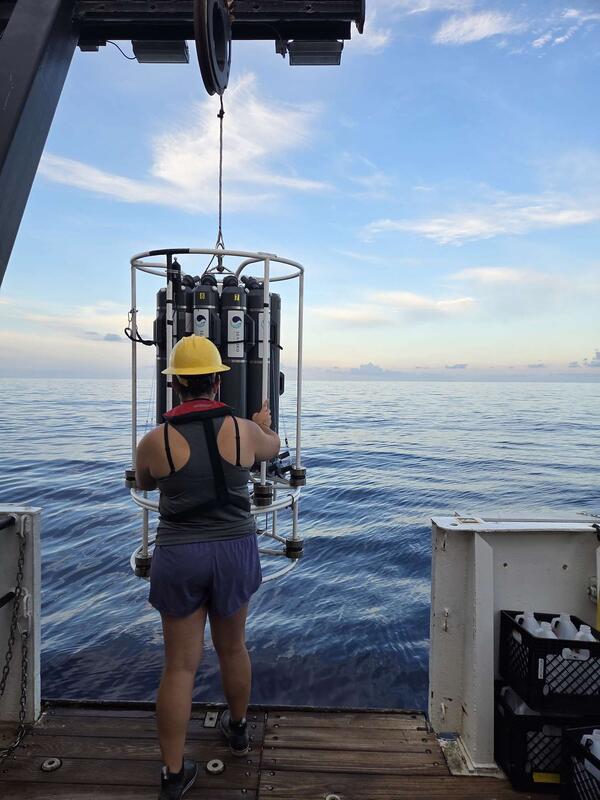
Deployment of the CTD aboard the Research Vessel Point SurUSGS Scientist, Cassia Busch, casts the CDT rosette - an instrument that stands for Conductivity, Depth, and Temperature which is used to collect water parameters as well as collect seawater at different depths with the affixed Niskin bottles.
Deployment of the CTD aboard the Research Vessel Point Sur
Deployment of the CTD aboard the Research Vessel Point SurUSGS Scientist, Cassia Busch, casts the CDT rosette - an instrument that stands for Conductivity, Depth, and Temperature which is used to collect water parameters as well as collect seawater at different depths with the affixed Niskin bottles.
Water sample collection aboard the Research Vessel Point Sur
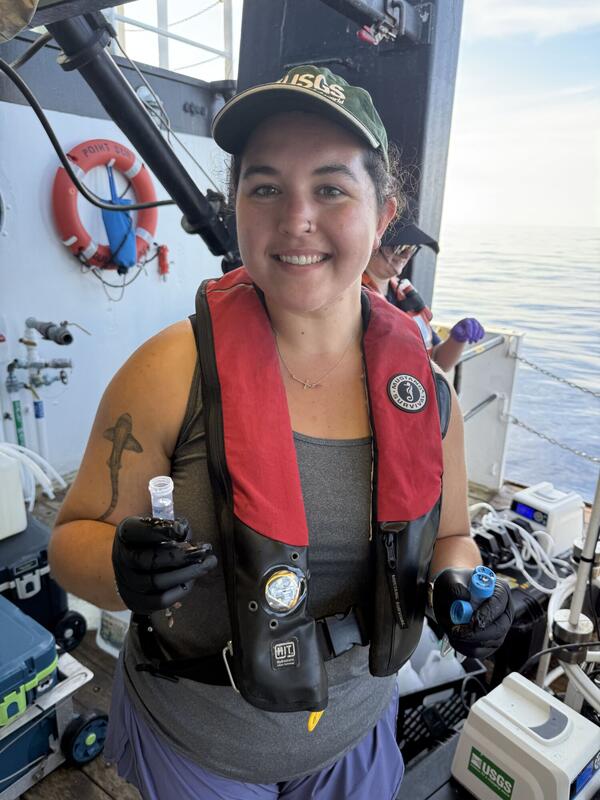
Water sample collection aboard the Research Vessel Point SurUSGS scientist, Cassia Busch, collects water samples by obtaining water collected by a CTD rosette. These samples will be analyzed to determine nutrient composition within the water column as well as the bottom of the ocean within the Gulf of America.
Water sample collection aboard the Research Vessel Point Sur
Water sample collection aboard the Research Vessel Point SurUSGS scientist, Cassia Busch, collects water samples by obtaining water collected by a CTD rosette. These samples will be analyzed to determine nutrient composition within the water column as well as the bottom of the ocean within the Gulf of America.
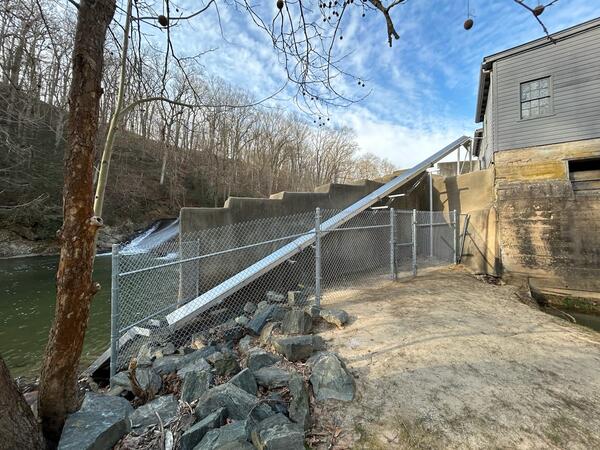
Eden Mill Eel Ladder
An eel ladder constructed along the Eden Mill Damn to help American eels make their way up and over the water.
An eel ladder constructed along the Eden Mill Damn to help American eels make their way up and over the water.
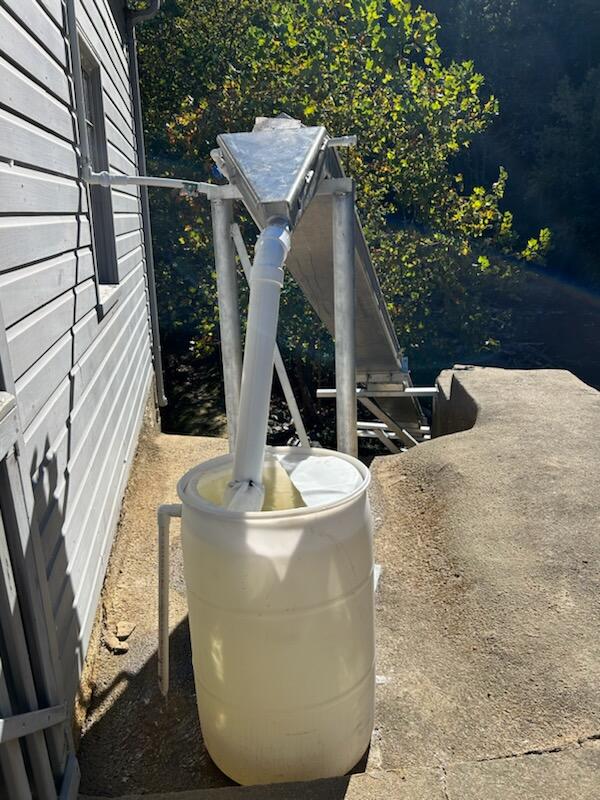
Eden Mill Eel Ladder Barrel
The barrel that the eels go into after they make it up the eel ladder at Eden Mill.
The barrel that the eels go into after they make it up the eel ladder at Eden Mill.
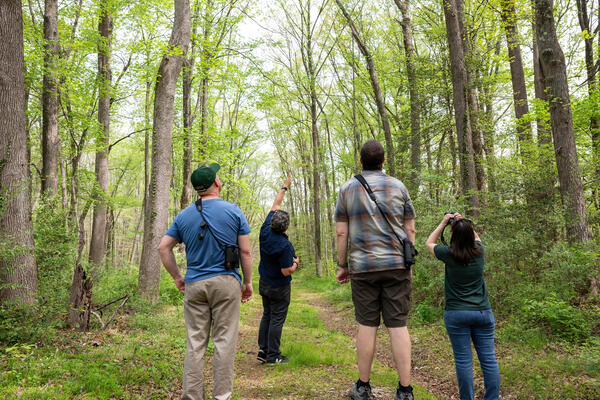
Birdwatchers
Birds enrich America’s outdoor spaces and support a thriving recreation economy. In 2022, about 96 million Americans participated in birdwatching, generating \$279 billion in economic output. Pictured here are four birdwatchers exploring Patuxent Research Refuge.
Birds enrich America’s outdoor spaces and support a thriving recreation economy. In 2022, about 96 million Americans participated in birdwatching, generating \$279 billion in economic output. Pictured here are four birdwatchers exploring Patuxent Research Refuge.
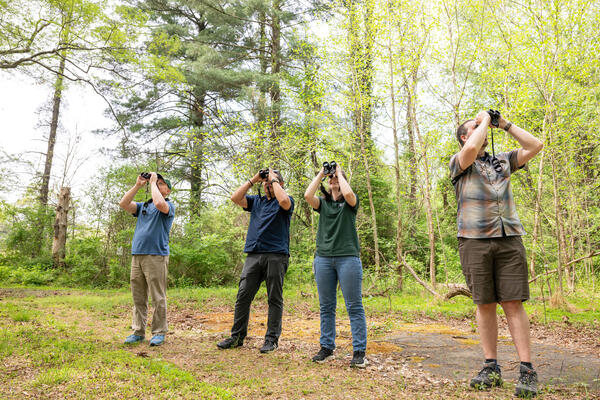
Birdwatching at Patuxent Research Refuge
A group of birders explore Patuxent Research Refuge.
A group of birders explore Patuxent Research Refuge.
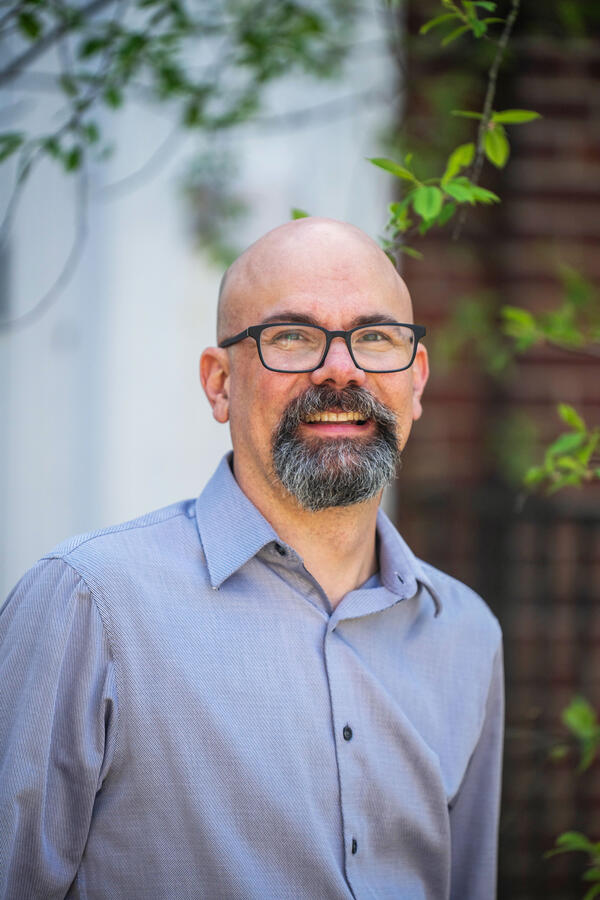
2026_Headshot-15.jpg
Head shot of Jeffrey Hostetler of the EESC
Head shot of Jeffrey Hostetler of the EESC
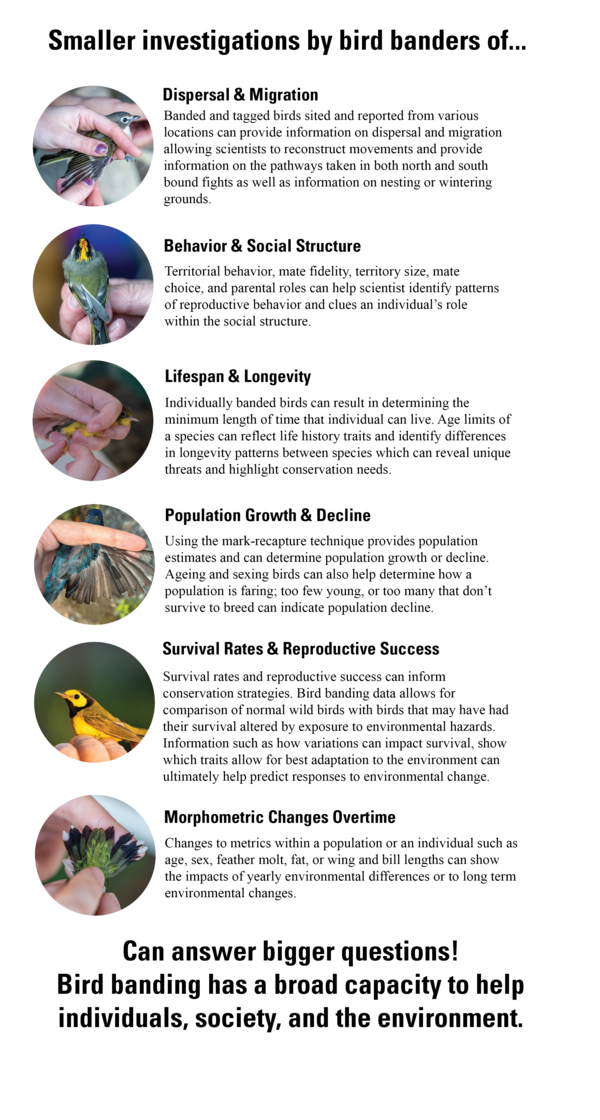
WhyDoWeBandBirds
A graphic depiction of what banders can learn from banding information.
A graphic depiction of what banders can learn from banding information.
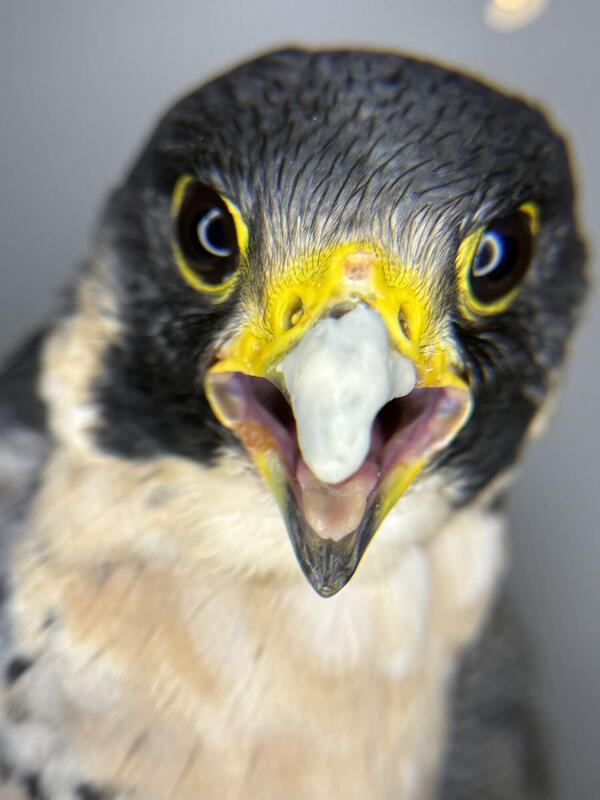
Healing beak of a Peregrine Falcon after it collided with a window
Healing beak of a Peregrine Falcon after it collided with a windowA banded Peregrine Falcon (band # 1266-00837, color marker 87/BU Silver on Black/Green) suffered a cracked beak after it collided with a window at the Rhode Island Hospital in Providence, Rhode Island. The bird is being treated by Congress of the Birds, a rehabilitation facility.
Healing beak of a Peregrine Falcon after it collided with a window
Healing beak of a Peregrine Falcon after it collided with a windowA banded Peregrine Falcon (band # 1266-00837, color marker 87/BU Silver on Black/Green) suffered a cracked beak after it collided with a window at the Rhode Island Hospital in Providence, Rhode Island. The bird is being treated by Congress of the Birds, a rehabilitation facility.
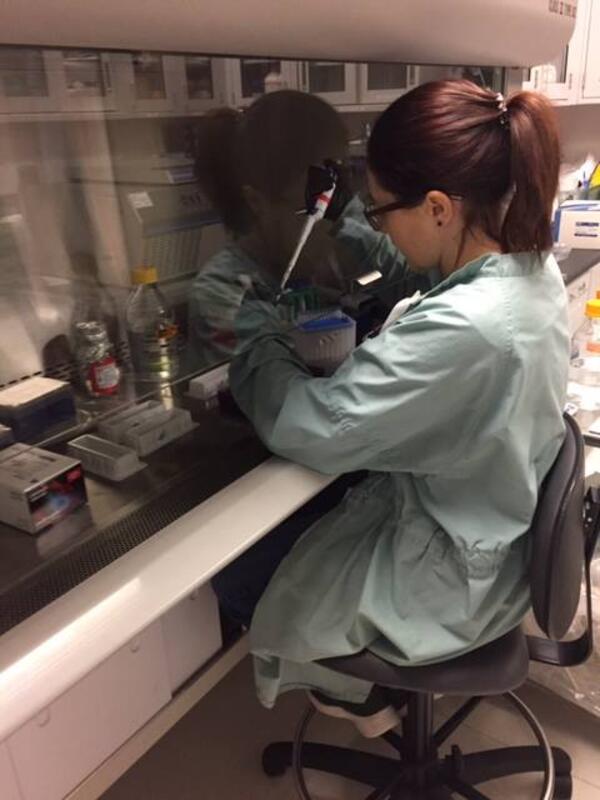
Dr. Cheyenne Smith
Cheyenne Smith pipetting in the lab
Cheyenne Smith pipetting in the lab
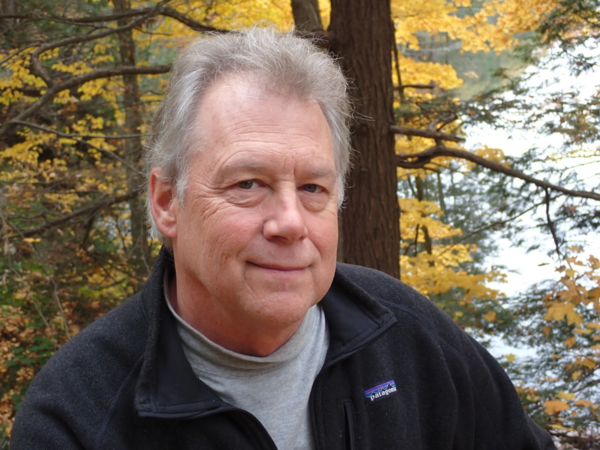
Alex Haro
Head shot of emeritus Alex Haro of the Eastern Ecological Science Center
Head shot of emeritus Alex Haro of the Eastern Ecological Science Center
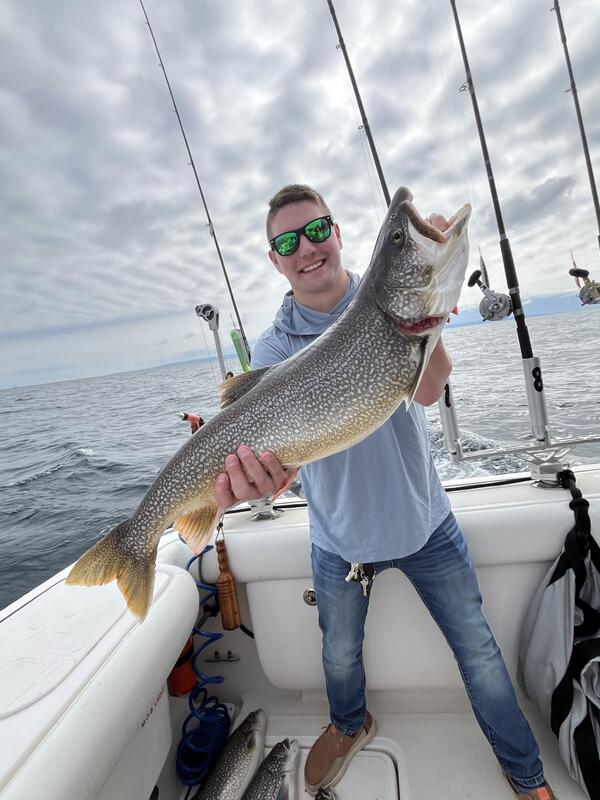
Clay Raines
Clayton Raines, PhD, is a fish biologist at the Eastern Ecological Science Center in Leetown, WV.
Clayton Raines, PhD, is a fish biologist at the Eastern Ecological Science Center in Leetown, WV.
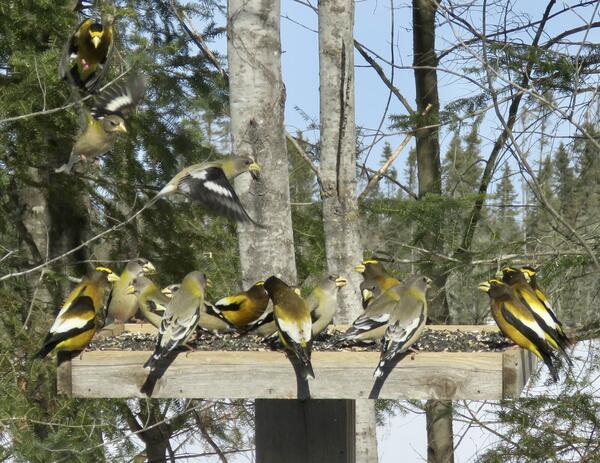
Evening Grosbeaks at a feeder
A flock of Evening Grosbeaks at a feeder during the winter.
A flock of Evening Grosbeaks at a feeder during the winter.
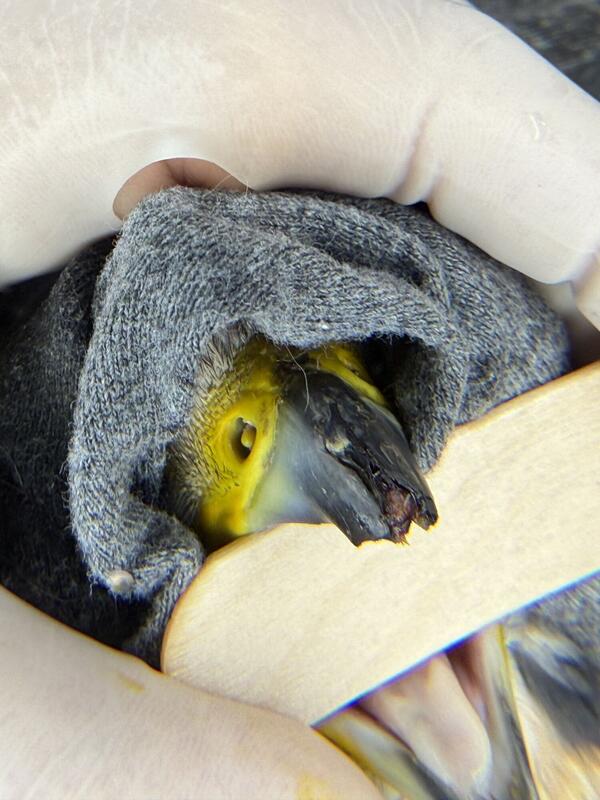
Cracked beak of a Peregrine Falcon after it collided with a window
Cracked beak of a Peregrine Falcon after it collided with a windowA banded Peregrine Falcon (band # 1266-00837, color marker 87/BU Silver on Black/Green) suffered a cracked beak after it collided with a window at the Rhode Island Hospital in Providence, Rhode Island. The bird is being examined by Congress of the Birds, a rehabilitation facility.
Cracked beak of a Peregrine Falcon after it collided with a window
Cracked beak of a Peregrine Falcon after it collided with a windowA banded Peregrine Falcon (band # 1266-00837, color marker 87/BU Silver on Black/Green) suffered a cracked beak after it collided with a window at the Rhode Island Hospital in Providence, Rhode Island. The bird is being examined by Congress of the Birds, a rehabilitation facility.

Blue catfish swimming
A blue catfish (Ictalurus furcatus) swims in the shallows of Dogue Creek near Mount Vernon, Virginia.
A blue catfish (Ictalurus furcatus) swims in the shallows of Dogue Creek near Mount Vernon, Virginia.
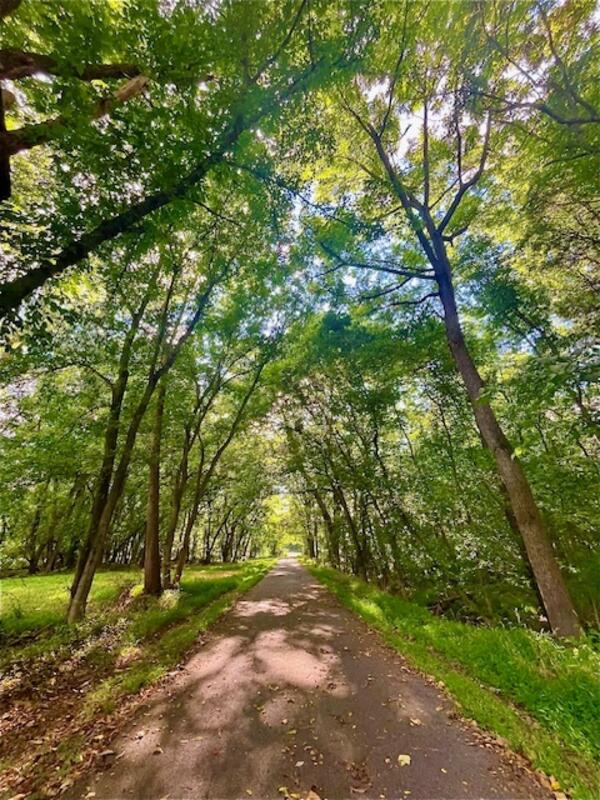
Tree-covered trail at Leetown
One of the many trails at Leetown Research Laboratory behind the Fish Health building. It is a beautiful, shaded path that leads to the baseball field and degassing building. A very relaxing place to stroll and listen to the birds in the woods on either side of the path. Oftentimes, flycatchers can be heard or spotted in this area.
One of the many trails at Leetown Research Laboratory behind the Fish Health building. It is a beautiful, shaded path that leads to the baseball field and degassing building. A very relaxing place to stroll and listen to the birds in the woods on either side of the path. Oftentimes, flycatchers can be heard or spotted in this area.
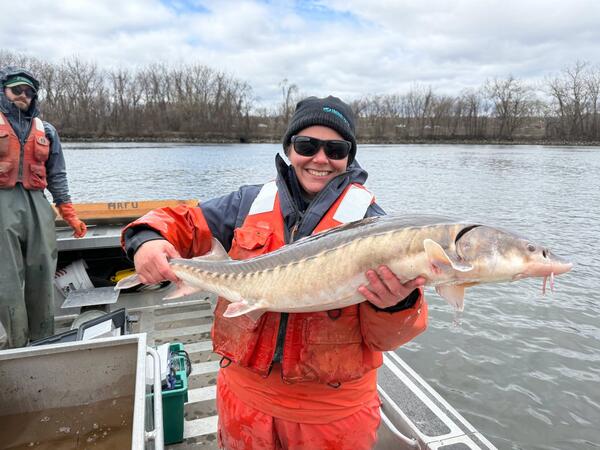
Shannon White Holding Shortnose Sturgeon
Sturgeons are among the most endangered animals globally. Once plentiful along the Atlantic coast, the shortnose sturgeon suffered severe population declines due to overfishing and habitat loss. In 1973, it was listed under the federal Endangered Species Act, as the Hudson River—its key habitat—was heavily polluted and oxygen-deprived.
Sturgeons are among the most endangered animals globally. Once plentiful along the Atlantic coast, the shortnose sturgeon suffered severe population declines due to overfishing and habitat loss. In 1973, it was listed under the federal Endangered Species Act, as the Hudson River—its key habitat—was heavily polluted and oxygen-deprived.
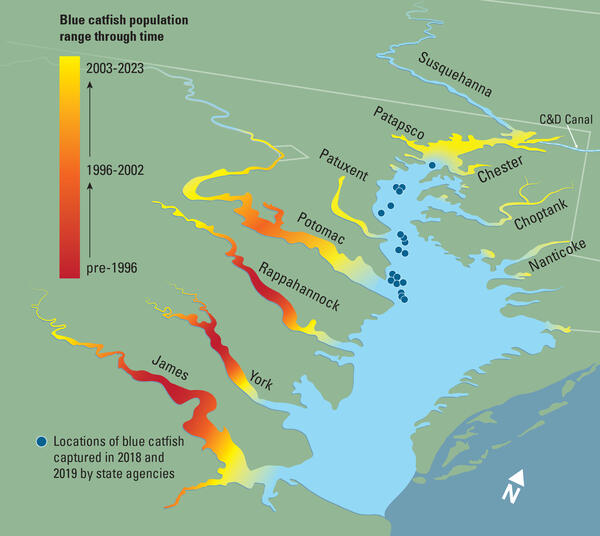
BlueCatfishMap
Native to the Mississippi, Ohio, Missouri, and Rio Grande Rivers, blue catfish were first introduced as a novel sportfish to the James River in the 1970s (Chesapeake Bay Program, 2020). The map below depicts observational records of the spatial and temporal invasion of blue catfish in the Chesapeake Bay.
Native to the Mississippi, Ohio, Missouri, and Rio Grande Rivers, blue catfish were first introduced as a novel sportfish to the James River in the 1970s (Chesapeake Bay Program, 2020). The map below depicts observational records of the spatial and temporal invasion of blue catfish in the Chesapeake Bay.
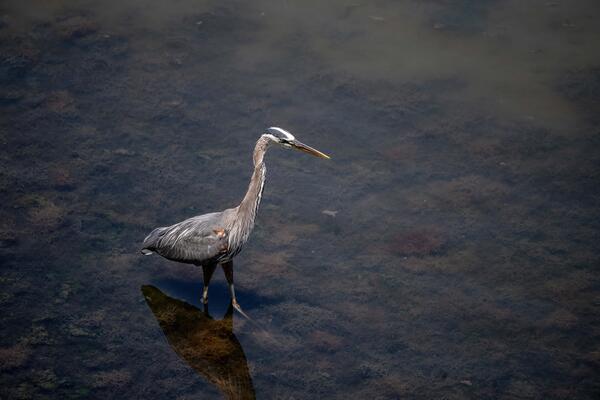
Great Blue Heron
The great blue heron (Ardea herodias) is a large, wading bird known for its striking blue-gray plumage, long legs, and graceful demeanor, commonly found near water bodies across North America. This one was photographed in Ocean City, MD.
The great blue heron (Ardea herodias) is a large, wading bird known for its striking blue-gray plumage, long legs, and graceful demeanor, commonly found near water bodies across North America. This one was photographed in Ocean City, MD.