



USGS Northern Rocky Mountain Science Center Fiscal Year 2025 Highlights
The USGS Northern Rocky Mountain Science Center (NOROCK) proudly supports Federal, State, Tribal, and other partners by delivering high-quality data, cutting-edge science, and practical tools to support natural resource management. Below are some of NOROCK’s highlights during fiscal year 2025.
NOROCK Research Themes
NOROCK conducts research under five general research themes: 1) Biosurveillance of Biological Threats, 2) Wildlife Disease, 3) Fisheries and Water Resources, 4) Wildlife and Terrestrial Habitat, and 5) Cryosphere Science. Below is a general description for each of NOROCK’s research themes and associated highlights from fiscal year 2025 (FY25)
Biosurveillance of Biological Threats
NOROCK leads a cutting-edge biosurveillance program–the Rapid environmental (e)DNA Assessment and Deployment Initiative & Network (READI-Net)—focused on early detection of biological threats in aquatic ecosystems. READI-Net partners with Federal, State, Tribal, and academic collaborators to develop and deploy portable, autonomous eDNA samplers and to conduct molecular analyses to detect aquatic invasive species, pathogens, and parasites before they become established. By providing timely, science-based information, READI-Net helps resource managers respond quickly and strategically—improving effectiveness while reducing long-term management costs. READI-Net supports the Department of the Interior’s National Early Detection and Rapid Response (EDRR) Framework and strengthens national capacity to protect aquatic ecosystems and the communities that depend on them.
FY25 Highlights
Advances in the Early Detection of Aquatic Biological Threats
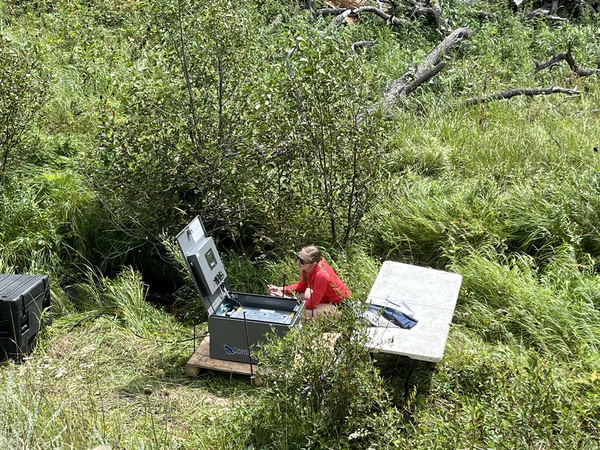
The USGS Rapid environmental (e)DNA Assessment and Deployment Initiative & Network (READI-Net) project provides partners with portable, autonomous eDNA samplers, hands-on training, standardized sampling protocols, molecular analyses, and rigorous statistical approaches to monitor aquatic biological threats. In FY25, READI-Net published field-testing results for a portable eDNA autosampler and continued development of an additional sampler model that became available in early FY2026. Maintaining a suite of tested autosamplers with different capacities and capabilities ensures that partners have the appropriate tools to detect and respond to emerging threats like invasive species quickly and effectively.
Primary NOROCK Contacts: Adam Sepulveda (principal investigator), Patrick Hutchins, Ben Augustine, Devin Slobodian
USGS Collaborators: Wyoming-Montana Water Science Center, Wetland and Aquatic Research Center, Columbia Environmental Research Center, New York Water Science Center, Great Lakes Science Center, and Forest and Rangeland Ecosystem Science Center
Partners/Collaborators: National Park Service, U.S. Fish and Wildlife Service, U.S. Army Corps of Engineers, U.S. Navy, Monterey Bay Aquarium Research Institute, Smith-Root
USGS Ecosystems Mission Area Program Support: Biological Threats Research and Invasive Species Program
Helping our partners with READI-Net: Fact sheet
Learn more about eDNA
Wildlife Disease
NOROCK has an extensive wildlife disease research program addressing some of the most significant threats facing North American wildlife. This work includes chronic wasting disease (CWD) and respiratory diseases in big game species, white-nose syndrome in bats, and emerging diseases affecting amphibians. NOROCK scientists study chronic wasting disease in deer and elk in Wyoming, including research conducted at the National Elk Refuge—the winter range for part of the Jackson elk herd, the largest elk herd in North America. Researchers also collaborate with multiple national parks to study respiratory disease dynamics in bighorn sheep, which are particularly vulnerable to pneumonia outbreaks. Beyond big game and supporting hunting opportunities, NOROCK scientists conduct nationwide research on amphibian diseases and white-nose syndrome in bats to understand spread, ecological impacts, and management options. Below are selected highlights from FY25.
FY25 Highlights
Supporting Federal Management of the National Elk Refuge
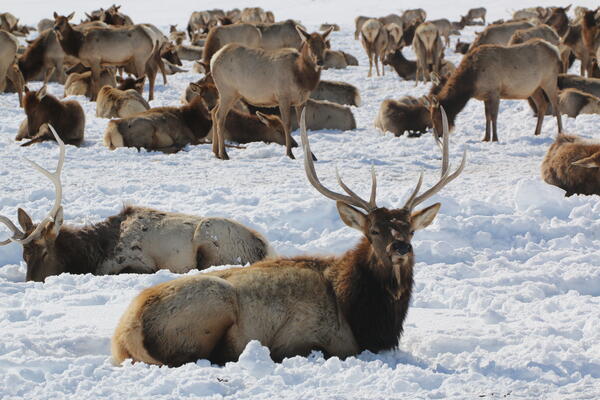
The National Elk Refuge, located outside of Jackson, Wyoming and Grand Teton National Park, was supported by NOROCK science as they evaluated their supplemental feeding program for bison and elk. NOROCK scientists measured the effectiveness of shortening the feeding time to reduce animal aggregation—a potential disease transmission risk. Understanding the variables influencing elk aggregation can inform adaptive management at the refuge and provide insight into transmission risk for diseases like CWD, a growing threat in the region. NOROCK also co-led a technical team evaluating the effects of supplemental feeding of bison and elk at the National Elk Refuge. The technical team assessed how alternative supplemental feeding strategies under consideration by the U.S. Fish and Wildlife Service (FWS) could influence 1) CWD prevalence, 2) elk and bison numbers, 3) wildlife movement and human-wildlife conflict, 4) public multiple-use opportunities, including hunting, and 5) program operational costs. The team’s findings provide science-based insight to inform management of approximately 500 bison and 8,000 elk that winter on the refuge. The assessment also helps the FWS evaluate how CWD may affect the long-term sustainability of these ecologically, recreationally, and economically important elk populations in the Greater Yellowstone region.
Primary NOROCK Contacts: Paul Cross (principal investigator), Tabitha Graves (principal investigator), Gavin Cotterill, William Janousek
USGS Collaborators: Eastern Ecological Science Center
Partners/Collaborators: U.S. Fish and Wildlife Service, National Park Service, U.S. Forest Service, and the Wyoming Game and Fish Department
USGS Ecosystems Mission Area Program Support: Biological Threats Research and Invasive Species Program, Environmental Health Program
Understanding Elk Personality to Inform Wildlife Management
NOROCK scientists identified behavioral differences between conflict-prone and more “shy” elk at the National Elk Refuge could influence migration, hunting dynamics, and disease risk. Conflict-prone elk were more likely to migrate shorter distances, spend more time in winter in areas on the Refuge closer to human activity, and use suburban areas where hunting is restricted. These findings are particularly relevant given the detection of CWD near the refuge. By linking behavioral variation to movement patterns and aggregation risk, this research provides wildlife managers with actionable insight to inform hunting strategies, human-wildlife conflict mitigation, and disease management planning.
Primary NOROCK Contacts: Tabitha Graves (principal investigator), Gavin Cotterill
Partners/Collaborators: U.S. Fish and Wildlife Service, National Park Service, Wyoming Game and Fish Department
USGS Ecosystems Mission Area Program Support: Biological Threats Research and Invasive Species Program, Species Management Research Program
Studying the Synergistic Effects of Disease and Contaminants on Wildlife
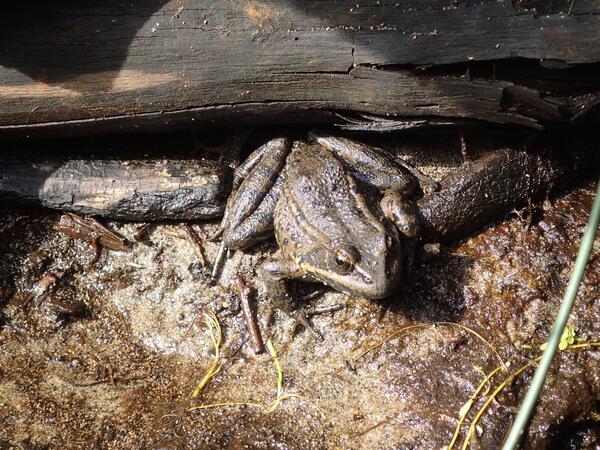
Disease and environmental contaminants are major drivers of amphibian declines worldwide. One of the most devasting pathogens, amphibian chytrid fungus (Batrachochytrium dendrobatidis; Bd), has contributed to amphibian population declines and extinctions across the globe. Previous NOROCK-led research indicated that methylmercury (MeHg), a potentially lethal contaminant, is widespread among amphibians in the United States. In the first nationwide study to examine the interactive effects of Bd and MeHg on amphibians, NOROCK scientists and collaborators showed that MeHg can magnify the effects of Bd infection and that MeHg exposure independently reduces amphibian survival. Surprisingly, the Eastern newt, generally thought to be resistant to Bd, experienced reduced survival when exposed to Bd. By examining multiple stressors simultaneously, this research provides a more realistic understanding of how disease and environmental contaminants are affecting wildlife in natural systems. These findings help wildlife managers anticipate compounded risks and develop more effective conservation and management strategies for vulnerable amphibian populations.
Primary NOROCK Contacts: Blake Hossack (principal investigator), Brian Tornabene
USGS Collaborators: New Jersey Water Science Center, Western Ecological Research Center, National Wildlife Health Center, Forest and Rangeland Ecosystem Science Center, Wetland and Aquatic Research Center, Eastern Ecological Science Center, Fort Collins Science Center
Partners/Collaborators: National Park Service, Bureau of Land Management, U.S. Fish and Wildlife Service
USGS Ecosystems Mission Area Program Support: Biological Threats Research and Invasive Species Program, Species Management Research Program (Amphibian Research & Monitoring Initiative)
Identifying High-Priority Wildlife Diseases for the State of Montana
NOROCK scientists help our partners prepare for wildlife disease outbreaks by identifying high-priority diseases in their areas of responsibility. This information provides managers the guidance to allocate resources towards making and implementing informed, impactful, and proactive wildlife health plans to protect wildlife, recreational opportunities, and local/regional economies. For example, NOROCK helped identify high-priority wildlife diseases in Montana, the wildlife species affected by each disease, summarized the current knowledge for each disease agent’s biology and distribution, and described potential conservation actions to support science-based wildlife health management in the state. This information was compiled in the wildlife disease chapter of Montana’s updated 2025 State Wildlife Action Plan (SWAP)—a guide to conservation throughout the state. Montana’s 2025 SWAP is expected to be published in 2026.
Primary NOROCK Contact: Wynne Moss
Partners/Collaborators: Montana Fish, Wildlife & Parks
USGS Ecosystems Mission Area Program Support: Biological Threats Research and Invasive Species Program, Climate Adaptation Science Centers, Species Management Research Program
Learn about using hunting to control CWD
Learn more about environmental contaminants, disease, and native amphibians
Fisheries and Water Resources
NOROCK provides science and decision-support tools to help manage of native western trout—an imperiled, yet economically and ecologically important group of freshwater fishes. The NOROCK fisheries program evaluates management actions affecting native trout populations, interactions between native and non-native fishes, and environmental factors influencing native trout survival across the West. In collaboration with Montana State University, NOAA’s National Integrated Drought Information System, and Montana Fish, Wildlife & Parks, NOROCK scientists also developed a drought early warning system to protect cold-water trout fisheries. The first of a kind system generates streamflow, water temperature, and trout abundance forecasts at monthly and annual time scales across popular trout fisheries. Some FY25 highlights are below.
FY25 Highlights
Supporting Native Trout Through Innovation
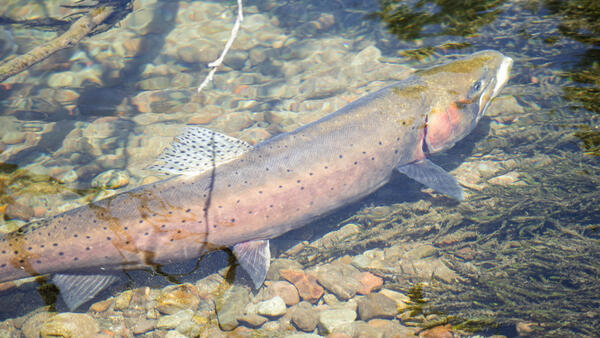
Many landscapes that native fishes rely on, including economically valuable trout, have been degraded by historic land management practices, invasive species, and climate-driven disturbances such as floods and droughts. Strategic restoration of these lands can strengthen ecosystem resilience while supporting native fishes and the services they provide. Stream and riparian restoration is particularly important in arid regions like the Great Basin, where narrow ribbons of green, productive habitat support a disproportionately high number of species. NOROCK scientists recently led an international effort identifying the factors driving the health of riverscapes (streams and riparian areas) and are using the inferences from this effort in applying an innovative, data-driven approach to evaluate habitat conditions for restoration of imperiled Lahontan cutthroat trout. By integrating field surveys, drones, and other remote sensing data within a riverscape health framework, researchers provide a more holistic assessment of aquatic habitat and surrounding landscapes that helps DOI partners like the Bureau of Land Management and FWS prioritize restoration efforts, improve habitat conditions, and support the long-term sustainability of native trout and recreational fishing across the West.
Primary NOROCK Contacts: Robert Al-Chokhachy (principal investigator), Hayley Glassic
USGS Collaborators: USGS Nevada Cooperative Fish and Wildlife Research Unit
Partners/Collaborators: Bureau of Land Management, U.S. Fish and Wildlife Service, U.S. Forest Service, Neveda Department of Wildlife, California Department of Fish and Wildlife, Oregon Department of Fish and Wildlife, Summit Lake Paiute Tribe, Desert Research Institute, Utah State University, Anabranch Solutions
USGS Ecosystems Mission Area Program Support: Land Management Research Program, Species Management Research Program
TroutCast: A Drought Early Warning System for Cold-Water Fisheries
Drought and human water use increasingly threaten cold-water fisheries in western North America by reducing streamflows, raising water temperatures, and stressing trout populations. To address these challenges, NOROCK scientists developed TroutCast, an interactive early warning system for management of Montana’s blue-ribbon trout fisheries, valued at ~\$1.4 billion annually. TroutCast integrates long-term biological monitoring by Montana Fish, Wildlife & Parks, USGS streamflow and temperature data, and climate forecasts to provide daily, reach-specific, probabilistic assessments of drought risk to trout populations. The publicly accessible, web-based tool was submitted for final review in FY25 and is expected to be released in spring 2026. TroutCast delivers seasonal outlooks of population risk and likelihood of drought-related fishing restrictions, and short-term (seasonal) and long-term (1–2 year) projections of fish abundance. By helping managers, anglers, and stakeholders assess current conditions and anticipate future risks, TroutCast provides actionable decision support for the proactive stewardship of cold-water fisheries under growing drought and water-use pressures.
Primary NOROCK Contacts: Clint Muhlfeld (principal investigator), Greg Pederson (principal investigator), Justin Martin, Andrew Lahr
Partners/Collaborators: NOAA NIDIS, Bureau of Reclamation, Montana Fish, Wildlife & Parks, Trout Unlimited, Montana State University
USGS Ecosystems Mission Area Program Support: Land Management Research Program, Species Management Research Program
Learn more about drought early warning systems
Learn more about riverscape health
Wildlife and Terrestrial Habitat
NOROCK leads a diverse wildlife and terrestrial habitat research program focused on western mammals, insects (including pollinators), reptiles, and landscape-scale conservation. (Additional wildlife research is highlighted in the Wildlife Disease section above.) NOROCK scientists coordinate the Interagency Grizzly Bear Study Team, which monitors and studies grizzly bears in the Greater Yellowstone Ecosystem to inform grizzly bear recovery and management decisions. A NOROCK scientist co-leads the USGS Corridor Mapping Team, which maps ungulate migration routes across western states to support habitat conservation and infrastructure planning. A group of NOROCK scientists works with the Wyoming Landscape Conservation Initiative to evaluate the effects of land-use and habitat change in Southwest Wyoming, including impacts to sagebrush ecosystems. NOROCK scientists also study insects to help partners understand the status of western pollinators, understand key wildlife food resources, provide statistical support for ecological monitoring in the Everglades, develop decision-support tools for wildlife managers, and assess invasive plant species across western rangelands. Select FY25 highlights are below.
FY25 Highlights
Updated Grizzly Bear Distribution in the Lower 48 states
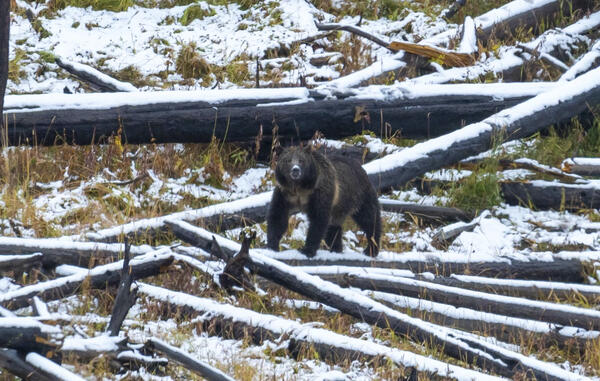
The USGS, though NOROCK scientists, coordinates the Interagency Grizzly Bear Study Team (IGBST)—an interdisciplinary team of scientists responsible for long-term monitoring and research efforts on grizzly bears in the Greater Yellowstone Ecosystem (GYE). For more than 50 years, the IGBST has been informing GYE grizzly bear management in the region and has provided the scientific basis for the FWS delisting rules, 2025 proposed rule for delisting, and the 2024 Conservation Strategy—a post-delisting management document. In FY25, NOROCK IGBST members and collaborators summarized grizzly bear distribution across the contiguous United States, including populations in the GYE, Cabinet-Yaak, Northern Continental Divide, and Selkirk ecosystems. The effort is the most up-to-date assessment of grizzly bear distributions across all occupied recovery zones and ecosystems in the lower 48 states, supporting coordinated management, public safety, and delisting decisions.
Primary NOROCK Contacts: Matthew Gould (principal investigator), Chad Dickinson, Bryn Karabensch, Craig Whitman, Frank van Manen, Mark Haroldson
Partners/Collaborators: U.S. Fish and Wildlife Service, National Park Service, U.S. Forest Service, Wyoming Game and Fish Department, Montana Fish, Wildlife & Parks, Idaho Fish and Game, Shoshone and Arapaho Tribal Fish and Game
USGS Ecosystems Mission Area Program Support: Climate Adaption Science Centers, Land Management Research Program, Species Management Research Program
Mapping Ungulate Migration Corridors in the Western U.S.
Seasonal migration is a critical behavior that helps sustain ungulate populations by allowing animals to track seasonal forage, avoid deep snow, and reduce predation risk. The USGS Corridor Mapping Team advances understanding of economically and ecologically valuable migratory ungulates across the western United States, including mule deer, white-tailed deer, elk, pronghorn, moose, and bison. The team produces peer-reviewed reports, detailed migration maps, and interactive online mapping tools that document migration routes, seasonal ranges, and land-use interactions. These products help land and wildlife managers reduce conflicts between wildlife and infrastructure, including energy development, and inform conservation planning. In FY25, Volume 5 of the Ungulate Migrations of the Western United States report series was published and Volume 6 of the report series was released in March, 2026, bringing the total number of mapped migrations and seasonal ranges to 237. Congruent with the release of Volume 6 the report and the associated data release, they also released the Western Migration web viewer, which serves as a web-based tool for users to explore ungulate migrations across the Western U.S. and download mapping layers.
Primary NOROCK Contact: Blake Lowrey (principal investigator)
USGS Collaborators: Wyoming, Oregon, and New Mexico Cooperative Fish and Wildlife Research Units, National Wildlife Health Center
Partners/Collaborators: Bureau of Land Management, Arizona Game & Fish Department, California Department of Fish and Wildlife, Colorado Parks and Wildlife, Idaho Fish and Game, Navajo Nation Department of Fish and Wildlife, New Mexico Department of Game & Fish, Nevada Department of Wildlife, Oregon Department of Fish and Wildlife, Rocky Mountain Elk Foundation, U.S. Fish and Wildlife Service, Washington Department of Fish and Wildlife, Western EcoSystems Technology, Inc., Wyoming Game and Fish Department (for a more complete list of partners/collaborators, click on the migration reports link to below)
USGS Ecosystems Mission Area Program Support: Cooperative Fish & Wildlife Research Units, Land Management Research Program, Species Management Research Program
Evaluating Greater Everglades Restoration Monitoring Programs
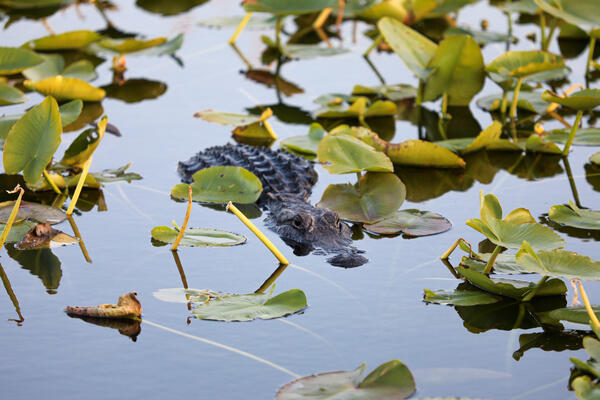
NOROCK develops rigorous statistical frameworks to strengthen long-term ecological monitoring programs and ensure collected data are aligned with management objectives and decision-making needs. In FY25, several efforts focused on restoration of the Greater Everglades, a globally significant ecosystem degraded by development, water use, drought, and invasive species. Restoration is a high priority because the Everglades provide water for southeastern Florida, supports breeding habitat for species important to Florida’s fisheries economy, and generated approximately \$155 million revenue in 2024 through Everglades National Park tourism. NOROCK supported the National Park Service and the interagency collaborative—Restoration, Coordination, Verification (RECOVER)—with their efforts to improve, restore, and preserve the Greater Everglades in Florida by statistically reviewing and strengthening their ongoing monitoring and assessment plans. Key contributions included: (1) evaluating the Everglades National Park American alligator nest monitoring program protocols from 2008-2023 at Everglades National Park and providing recommendations to better align statistical design with stated project objectives and inference needs, and (2) reviewing the Wet Season Aquatic Fauna MAP Agreement’s monitoring design and developing software to support sample size estimation and improve study efficiency.
Primary NOROCK Contact: Kathryn Irvine (principal investigator)
Partners/Collaborators: National Park Service, U.S. Fish and Wildlife Service, U.S. Army Corps of Engineers, Montana State University
USGS Ecosystems Mission Area Program Support: Land Management Research Program
Advancing Remote Sensing for Wildlife Research
NOROCK conducts research and development on advanced remotely deployable biological radar systems to study flying animals in support of science-based wildlife management. To inform bear management in the Greater Yellowstone Ecosystem, NOROCK scientists applied recent advances in radar technology to measure the abundance and behavior of army cutworm moths in northwest Wyoming. Army cutworm moths—an important source of calories for grizzly bears—migrate in large numbers from the Great Plains to the Rocky Mountains each year, but little is known about how moth movements influence their availability as a food source. NOROCK also published data collected from a modified marine radar deployed aboard a National Oceanic and Atmospheric Administration research vessel that collected avifauna data in the Gulf of America. These data can be used to better understand how birds use airspaces over the gulf, and the deployment also served as a test for assessing the feasibility of deploying biological radar on ships and other marine platforms. In FY25, NOROCK achieved several technical advancements, including stabilizing radar systems for operation at sea (on buoys and ships), and applying artificial intelligence (AI) techniques to improve biological target detection and identification.
Primary NOROCK Contacts: Robb Diehl (principal investigator), Todd Preston
USGS Collaborators: Wetland and Aquatic Research Center
Partners/Collaborators: US Fish and Wildlife Service, National Oceanic and Atmospheric Administration, Pacific Northwest National Laboratory, University of Oklahoma
USGS Ecosystems Mission Area Program Support: Land Management Research Program, Species Management Research Program
Assessing Invasive Grasses in Support of National Environmental Policy Act analyses
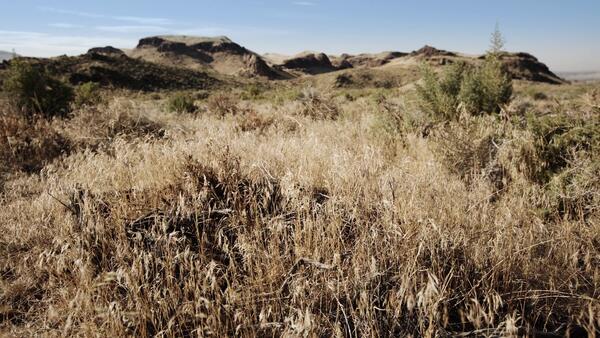
A NOROCK-led assessment of invasive annual grasses as part of a structured science synthesis series was conducted to support environmental effects analyses conducted under the National Environmental Policy Act (NEPA). The assessment synthesized current scientific information on how proposed vegetation treatments for habitat restoration may influence the distribution and abundance of invasive annual grasses across rangelands in Montana, North Dakota, and South Dakota. The science synthesis can be incorporated directly into NEPA documentation or used as a general reference for understanding annual invasive grass dynamics associated with rangeland vegetation treatments in the northern Great Plains.
Primary NOROCK Contact: Aaron Johnston (principal investigator)
USGS Collaborators: Fort Collins Science Center
Partners/Collaborators: Bureau of Land Management, U.S. Fish and Wildlife Service
USGS Ecosystems Mission Area Program Support: Land Management Research Program
Decision-Support Frameworks for Wildlife Management
NOROCK scientists are developing decision-support frameworks to guide land and wildlife management in the face of rapid environmental change. Adaptive capacity (AC) is the innate ability of species or populations to cope with or adjust to changing environmental conditions. By assessing key biological traits, researchers can evaluate a species’ AC by assessing particular mechanisms of influence associated with specific environmental variables as well as inform management priorities. To make AC more relevant for conservation, NOROCK scientists and collaborators provided guidance on why practitioners may be hesitant to use it, how to communicate effectively, and strategies for exchanging knowledge between researchers and managers. Another decision-support tool, the Resist-Accept-Direct (RAD) framework, helps managers respond to environmental change by providing a broader collection of options that include resisting ecosystem change, accepting it, or directing it toward preferred conditions. NOROCK scientists and USGS partners highlighted RAD’s utility: it was developed by U.S. federal agencies, gaining adoption by management agencies; is relevant/applicable across a broad range of projects; and is best applied within an adaptive-management process. These frameworks provide structured, science-based approaches to support effective wildlife and ecosystem management in a rapidly changing world.
Primary NOROCK Contact: Erik Beever (principal investigator)
USGS Collaborators: Northwest Climate Adaptation Science Center, North Central Climate Adaptation Science Center, National Climate Adaptation Science Center, Pacific Island Ecosystems Research Center
Partners/Collaborators: U.S. Fish and Wildlife Service, National Park Service, Bureau of Land Management, U.S. Forest Service, NOAA National Marine Fisheries Service, Parks Canada, The Nature Conservancy, University of Colorado-Boulder, Brooklyn College, Climate-Adaptation Landscape Partnership, Solutions Consulting
USGS Ecosystems Mission Area Program Support: Species Management Research Program
Learn more about the effects of human recreation on Yellowstone grizzly bears
See Volumes 1-6 of the Ungulate Migrations of the Western U.S. reports
Cryosphere Science
NOROCK’s cryospheric science (study of ice and snow) team researches snow, avalanche hazards, and mountain glaciers to improve avalanche forecasts, provide tools to partners to predict and quantify water resources, and provide estimates on the status of glaciers. NOROCK scientists provide avalanche forecasts for road clearing operations along a popular route in Glacier National Park road clearing operations. The team’s glaciologist co-leads the USGS Benchmark Glacier Project, which has been collecting, synthesizing, and standardizing direct field measurements of glacier mass balance for over 60 years. Below are some highlights from FY25 cryospheric research.
FY25 Highlights
23 Years of Avalanche Research and Forecasting at Glacier National Park
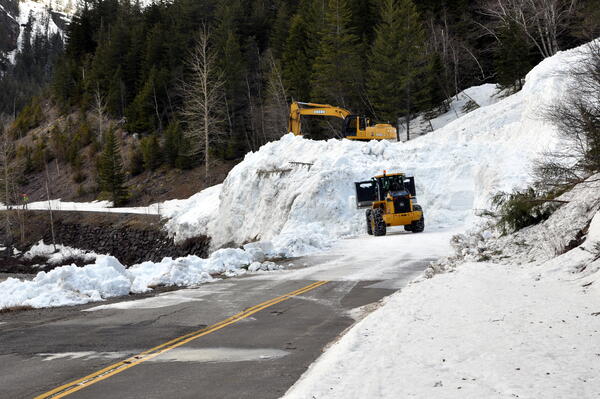
FY25 marks the 23rd year of the USGS-National Park Service (NPS) Glacier National Park (GNP) Avalanche Program. Each spring, the NPS clears snow along the iconic Going-to-the-Sun Road (GTSR), a 14.3-mile stretch prone to avalanches. NOROCK scientists lead an avalanche forecasting program for these operations, ensuring the safety of road crews, visitors, and critical infrastructure like the Burlington Northern Santa Fe Railway along the park’s southern boundary. In addition to safety considerations, their work helps Glacier National Park open as soon as possible, supporting tourism and local economies. In 2024, 3.2 million visitors visited Glacier National Park and spent about \$58 million in local economies, supporting 5,190 jobs. Avalanche research continues to advance understanding of complex snow hazard events, such as glide avalanches, which are difficult to forecast. Recent research documented a large glide avalanche on GTSR, providing valuable data to improve future avalanche modeling and forecasting. As the only avalanche forecasting program within the USGS, NOROCK’s work is critical for protecting lives, property, infrastructure, and sustaining local economies. By combining long-term research with real-time forecasting, this partnership ensures GNP remains safe and accessible while advancing the science of avalanche prediction nationwide.
Primary NOROCK Contact: Erich Peitzsch (principal investigator)
Partners/Collaborators: National Park Service
USGS Ecosystems Mission Area Program Support: Land Change Science Program
Global-Scale Estimates of Earth’s ice
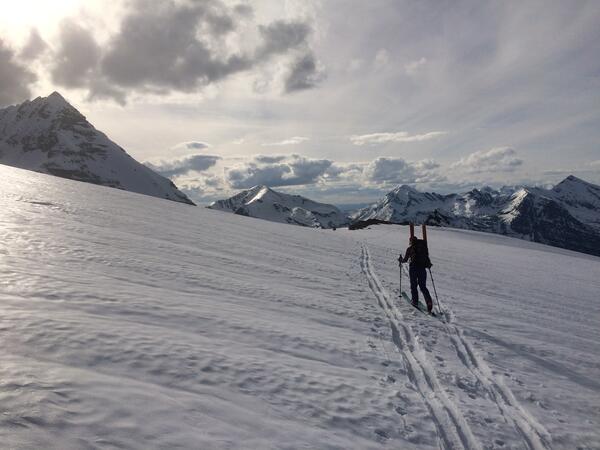
Understanding glacier mass change is critical, as glaciers and ice sheets are the planet’s largest freshwater reservoir. Glacier melt supports cold-water, high-elevation ecosystems, sustains streamflows and cools water temperatures during warm summer months, and provides water for agriculture in some regions. Glaciers can also affect recreation, tourism, and local economies, in places such as Glacier National Park. A NOROCK glaciologist was part of an international intercomparison exercise that documented global glacier mass changes from 2000–2023, contributing technical data and analysis that quantified glaciers in the western United States and Canada. NOROCK’s glaciologist also contributed to the design, advancement, and selection of two new NASA missions. The Earth Dynamics Geodetic Explorer is a satellite mission that will launch no earlier than 2030, and will use lidar to measure the structure of terrestrial ecosystems and surface topography of glaciers, ice sheets, and sea ice with unprecedented spatial coverage. Snow4Flow is an airborne mission that will fly in 2027, and will collect a suite of airborne geophysical measurements, in situ validation, and models to revolutionize our understanding of snow accumulation and ice flow across Northern Hemisphere glaciers.
Primary NOROCK Contact: Caitlyn Florentine (principal investigator)
USGS Collaborators: Alaska Science Center
Partners/Collaborators: National Park Service, National Aeronautics and Space Administration, University of California San Diego, University of Arizona
USGS Ecosystems Mission Area Program Support: Land Change Science Program
Learn more about the Glacier National Park avalanche forecasting program: video
Learn more about USGS cryospheric science: Fact sheet
Clint Muhlfeld, NOROCK’s acting Center Director, would like to thank all the researchers for their dedication, innovation, and accomplishments in FY25 that made the highlights described above possible. He also extends his sincere appreciation to Judy O’Dwyer (Administrative Officer), Sean Smith (Administrative Operations Assistant), Kimberly Briggs (Budget Analyst), Todd Wojtowicz (Biologist), and Todd Preston (Biologist)—whose expertise and behind-the-scenes efforts ensure that our scientists have the resources, operational support, and administrative infrastructure needed to deliver and communicate high-impact science for our partners and the public.
The USGS Northern Rocky Mountain Science Center (NOROCK) proudly supports Federal, State, Tribal, and other partners by delivering high-quality data, cutting-edge science, and practical tools to support natural resource management. Below are some of NOROCK’s highlights during fiscal year 2025.
NOROCK Research Themes
NOROCK conducts research under five general research themes: 1) Biosurveillance of Biological Threats, 2) Wildlife Disease, 3) Fisheries and Water Resources, 4) Wildlife and Terrestrial Habitat, and 5) Cryosphere Science. Below is a general description for each of NOROCK’s research themes and associated highlights from fiscal year 2025 (FY25)
Biosurveillance of Biological Threats
NOROCK leads a cutting-edge biosurveillance program–the Rapid environmental (e)DNA Assessment and Deployment Initiative & Network (READI-Net)—focused on early detection of biological threats in aquatic ecosystems. READI-Net partners with Federal, State, Tribal, and academic collaborators to develop and deploy portable, autonomous eDNA samplers and to conduct molecular analyses to detect aquatic invasive species, pathogens, and parasites before they become established. By providing timely, science-based information, READI-Net helps resource managers respond quickly and strategically—improving effectiveness while reducing long-term management costs. READI-Net supports the Department of the Interior’s National Early Detection and Rapid Response (EDRR) Framework and strengthens national capacity to protect aquatic ecosystems and the communities that depend on them.
FY25 Highlights
Advances in the Early Detection of Aquatic Biological Threats
The USGS Rapid environmental (e)DNA Assessment and Deployment Initiative & Network (READI-Net) project provides partners with portable, autonomous eDNA samplers, hands-on training, standardized sampling protocols, molecular analyses, and rigorous statistical approaches to monitor aquatic biological threats. In FY25, READI-Net published field-testing results for a portable eDNA autosampler and continued development of an additional sampler model that became available in early FY2026. Maintaining a suite of tested autosamplers with different capacities and capabilities ensures that partners have the appropriate tools to detect and respond to emerging threats like invasive species quickly and effectively.
Primary NOROCK Contacts: Adam Sepulveda (principal investigator), Patrick Hutchins, Ben Augustine, Devin Slobodian
USGS Collaborators: Wyoming-Montana Water Science Center, Wetland and Aquatic Research Center, Columbia Environmental Research Center, New York Water Science Center, Great Lakes Science Center, and Forest and Rangeland Ecosystem Science Center
Partners/Collaborators: National Park Service, U.S. Fish and Wildlife Service, U.S. Army Corps of Engineers, U.S. Navy, Monterey Bay Aquarium Research Institute, Smith-Root
USGS Ecosystems Mission Area Program Support: Biological Threats Research and Invasive Species Program
Helping our partners with READI-Net: Fact sheet
Learn more about eDNA
Wildlife Disease
NOROCK has an extensive wildlife disease research program addressing some of the most significant threats facing North American wildlife. This work includes chronic wasting disease (CWD) and respiratory diseases in big game species, white-nose syndrome in bats, and emerging diseases affecting amphibians. NOROCK scientists study chronic wasting disease in deer and elk in Wyoming, including research conducted at the National Elk Refuge—the winter range for part of the Jackson elk herd, the largest elk herd in North America. Researchers also collaborate with multiple national parks to study respiratory disease dynamics in bighorn sheep, which are particularly vulnerable to pneumonia outbreaks. Beyond big game and supporting hunting opportunities, NOROCK scientists conduct nationwide research on amphibian diseases and white-nose syndrome in bats to understand spread, ecological impacts, and management options. Below are selected highlights from FY25.
FY25 Highlights
Supporting Federal Management of the National Elk Refuge
The National Elk Refuge, located outside of Jackson, Wyoming and Grand Teton National Park, was supported by NOROCK science as they evaluated their supplemental feeding program for bison and elk. NOROCK scientists measured the effectiveness of shortening the feeding time to reduce animal aggregation—a potential disease transmission risk. Understanding the variables influencing elk aggregation can inform adaptive management at the refuge and provide insight into transmission risk for diseases like CWD, a growing threat in the region. NOROCK also co-led a technical team evaluating the effects of supplemental feeding of bison and elk at the National Elk Refuge. The technical team assessed how alternative supplemental feeding strategies under consideration by the U.S. Fish and Wildlife Service (FWS) could influence 1) CWD prevalence, 2) elk and bison numbers, 3) wildlife movement and human-wildlife conflict, 4) public multiple-use opportunities, including hunting, and 5) program operational costs. The team’s findings provide science-based insight to inform management of approximately 500 bison and 8,000 elk that winter on the refuge. The assessment also helps the FWS evaluate how CWD may affect the long-term sustainability of these ecologically, recreationally, and economically important elk populations in the Greater Yellowstone region.
Primary NOROCK Contacts: Paul Cross (principal investigator), Tabitha Graves (principal investigator), Gavin Cotterill, William Janousek
USGS Collaborators: Eastern Ecological Science Center
Partners/Collaborators: U.S. Fish and Wildlife Service, National Park Service, U.S. Forest Service, and the Wyoming Game and Fish Department
USGS Ecosystems Mission Area Program Support: Biological Threats Research and Invasive Species Program, Environmental Health Program
Understanding Elk Personality to Inform Wildlife Management
NOROCK scientists identified behavioral differences between conflict-prone and more “shy” elk at the National Elk Refuge could influence migration, hunting dynamics, and disease risk. Conflict-prone elk were more likely to migrate shorter distances, spend more time in winter in areas on the Refuge closer to human activity, and use suburban areas where hunting is restricted. These findings are particularly relevant given the detection of CWD near the refuge. By linking behavioral variation to movement patterns and aggregation risk, this research provides wildlife managers with actionable insight to inform hunting strategies, human-wildlife conflict mitigation, and disease management planning.
Primary NOROCK Contacts: Tabitha Graves (principal investigator), Gavin Cotterill
Partners/Collaborators: U.S. Fish and Wildlife Service, National Park Service, Wyoming Game and Fish Department
USGS Ecosystems Mission Area Program Support: Biological Threats Research and Invasive Species Program, Species Management Research Program
Studying the Synergistic Effects of Disease and Contaminants on Wildlife
Disease and environmental contaminants are major drivers of amphibian declines worldwide. One of the most devasting pathogens, amphibian chytrid fungus (Batrachochytrium dendrobatidis; Bd), has contributed to amphibian population declines and extinctions across the globe. Previous NOROCK-led research indicated that methylmercury (MeHg), a potentially lethal contaminant, is widespread among amphibians in the United States. In the first nationwide study to examine the interactive effects of Bd and MeHg on amphibians, NOROCK scientists and collaborators showed that MeHg can magnify the effects of Bd infection and that MeHg exposure independently reduces amphibian survival. Surprisingly, the Eastern newt, generally thought to be resistant to Bd, experienced reduced survival when exposed to Bd. By examining multiple stressors simultaneously, this research provides a more realistic understanding of how disease and environmental contaminants are affecting wildlife in natural systems. These findings help wildlife managers anticipate compounded risks and develop more effective conservation and management strategies for vulnerable amphibian populations.
Primary NOROCK Contacts: Blake Hossack (principal investigator), Brian Tornabene
USGS Collaborators: New Jersey Water Science Center, Western Ecological Research Center, National Wildlife Health Center, Forest and Rangeland Ecosystem Science Center, Wetland and Aquatic Research Center, Eastern Ecological Science Center, Fort Collins Science Center
Partners/Collaborators: National Park Service, Bureau of Land Management, U.S. Fish and Wildlife Service
USGS Ecosystems Mission Area Program Support: Biological Threats Research and Invasive Species Program, Species Management Research Program (Amphibian Research & Monitoring Initiative)
Identifying High-Priority Wildlife Diseases for the State of Montana
NOROCK scientists help our partners prepare for wildlife disease outbreaks by identifying high-priority diseases in their areas of responsibility. This information provides managers the guidance to allocate resources towards making and implementing informed, impactful, and proactive wildlife health plans to protect wildlife, recreational opportunities, and local/regional economies. For example, NOROCK helped identify high-priority wildlife diseases in Montana, the wildlife species affected by each disease, summarized the current knowledge for each disease agent’s biology and distribution, and described potential conservation actions to support science-based wildlife health management in the state. This information was compiled in the wildlife disease chapter of Montana’s updated 2025 State Wildlife Action Plan (SWAP)—a guide to conservation throughout the state. Montana’s 2025 SWAP is expected to be published in 2026.
Primary NOROCK Contact: Wynne Moss
Partners/Collaborators: Montana Fish, Wildlife & Parks
USGS Ecosystems Mission Area Program Support: Biological Threats Research and Invasive Species Program, Climate Adaptation Science Centers, Species Management Research Program
Learn about using hunting to control CWD
Learn more about environmental contaminants, disease, and native amphibians
Fisheries and Water Resources
NOROCK provides science and decision-support tools to help manage of native western trout—an imperiled, yet economically and ecologically important group of freshwater fishes. The NOROCK fisheries program evaluates management actions affecting native trout populations, interactions between native and non-native fishes, and environmental factors influencing native trout survival across the West. In collaboration with Montana State University, NOAA’s National Integrated Drought Information System, and Montana Fish, Wildlife & Parks, NOROCK scientists also developed a drought early warning system to protect cold-water trout fisheries. The first of a kind system generates streamflow, water temperature, and trout abundance forecasts at monthly and annual time scales across popular trout fisheries. Some FY25 highlights are below.
FY25 Highlights
Supporting Native Trout Through Innovation
Many landscapes that native fishes rely on, including economically valuable trout, have been degraded by historic land management practices, invasive species, and climate-driven disturbances such as floods and droughts. Strategic restoration of these lands can strengthen ecosystem resilience while supporting native fishes and the services they provide. Stream and riparian restoration is particularly important in arid regions like the Great Basin, where narrow ribbons of green, productive habitat support a disproportionately high number of species. NOROCK scientists recently led an international effort identifying the factors driving the health of riverscapes (streams and riparian areas) and are using the inferences from this effort in applying an innovative, data-driven approach to evaluate habitat conditions for restoration of imperiled Lahontan cutthroat trout. By integrating field surveys, drones, and other remote sensing data within a riverscape health framework, researchers provide a more holistic assessment of aquatic habitat and surrounding landscapes that helps DOI partners like the Bureau of Land Management and FWS prioritize restoration efforts, improve habitat conditions, and support the long-term sustainability of native trout and recreational fishing across the West.
Primary NOROCK Contacts: Robert Al-Chokhachy (principal investigator), Hayley Glassic
USGS Collaborators: USGS Nevada Cooperative Fish and Wildlife Research Unit
Partners/Collaborators: Bureau of Land Management, U.S. Fish and Wildlife Service, U.S. Forest Service, Neveda Department of Wildlife, California Department of Fish and Wildlife, Oregon Department of Fish and Wildlife, Summit Lake Paiute Tribe, Desert Research Institute, Utah State University, Anabranch Solutions
USGS Ecosystems Mission Area Program Support: Land Management Research Program, Species Management Research Program
TroutCast: A Drought Early Warning System for Cold-Water Fisheries
Drought and human water use increasingly threaten cold-water fisheries in western North America by reducing streamflows, raising water temperatures, and stressing trout populations. To address these challenges, NOROCK scientists developed TroutCast, an interactive early warning system for management of Montana’s blue-ribbon trout fisheries, valued at ~\$1.4 billion annually. TroutCast integrates long-term biological monitoring by Montana Fish, Wildlife & Parks, USGS streamflow and temperature data, and climate forecasts to provide daily, reach-specific, probabilistic assessments of drought risk to trout populations. The publicly accessible, web-based tool was submitted for final review in FY25 and is expected to be released in spring 2026. TroutCast delivers seasonal outlooks of population risk and likelihood of drought-related fishing restrictions, and short-term (seasonal) and long-term (1–2 year) projections of fish abundance. By helping managers, anglers, and stakeholders assess current conditions and anticipate future risks, TroutCast provides actionable decision support for the proactive stewardship of cold-water fisheries under growing drought and water-use pressures.
Primary NOROCK Contacts: Clint Muhlfeld (principal investigator), Greg Pederson (principal investigator), Justin Martin, Andrew Lahr
Partners/Collaborators: NOAA NIDIS, Bureau of Reclamation, Montana Fish, Wildlife & Parks, Trout Unlimited, Montana State University
USGS Ecosystems Mission Area Program Support: Land Management Research Program, Species Management Research Program
Learn more about drought early warning systems
Learn more about riverscape health
Wildlife and Terrestrial Habitat
NOROCK leads a diverse wildlife and terrestrial habitat research program focused on western mammals, insects (including pollinators), reptiles, and landscape-scale conservation. (Additional wildlife research is highlighted in the Wildlife Disease section above.) NOROCK scientists coordinate the Interagency Grizzly Bear Study Team, which monitors and studies grizzly bears in the Greater Yellowstone Ecosystem to inform grizzly bear recovery and management decisions. A NOROCK scientist co-leads the USGS Corridor Mapping Team, which maps ungulate migration routes across western states to support habitat conservation and infrastructure planning. A group of NOROCK scientists works with the Wyoming Landscape Conservation Initiative to evaluate the effects of land-use and habitat change in Southwest Wyoming, including impacts to sagebrush ecosystems. NOROCK scientists also study insects to help partners understand the status of western pollinators, understand key wildlife food resources, provide statistical support for ecological monitoring in the Everglades, develop decision-support tools for wildlife managers, and assess invasive plant species across western rangelands. Select FY25 highlights are below.
FY25 Highlights
Updated Grizzly Bear Distribution in the Lower 48 states
The USGS, though NOROCK scientists, coordinates the Interagency Grizzly Bear Study Team (IGBST)—an interdisciplinary team of scientists responsible for long-term monitoring and research efforts on grizzly bears in the Greater Yellowstone Ecosystem (GYE). For more than 50 years, the IGBST has been informing GYE grizzly bear management in the region and has provided the scientific basis for the FWS delisting rules, 2025 proposed rule for delisting, and the 2024 Conservation Strategy—a post-delisting management document. In FY25, NOROCK IGBST members and collaborators summarized grizzly bear distribution across the contiguous United States, including populations in the GYE, Cabinet-Yaak, Northern Continental Divide, and Selkirk ecosystems. The effort is the most up-to-date assessment of grizzly bear distributions across all occupied recovery zones and ecosystems in the lower 48 states, supporting coordinated management, public safety, and delisting decisions.
Primary NOROCK Contacts: Matthew Gould (principal investigator), Chad Dickinson, Bryn Karabensch, Craig Whitman, Frank van Manen, Mark Haroldson
Partners/Collaborators: U.S. Fish and Wildlife Service, National Park Service, U.S. Forest Service, Wyoming Game and Fish Department, Montana Fish, Wildlife & Parks, Idaho Fish and Game, Shoshone and Arapaho Tribal Fish and Game
USGS Ecosystems Mission Area Program Support: Climate Adaption Science Centers, Land Management Research Program, Species Management Research Program
Mapping Ungulate Migration Corridors in the Western U.S.
Seasonal migration is a critical behavior that helps sustain ungulate populations by allowing animals to track seasonal forage, avoid deep snow, and reduce predation risk. The USGS Corridor Mapping Team advances understanding of economically and ecologically valuable migratory ungulates across the western United States, including mule deer, white-tailed deer, elk, pronghorn, moose, and bison. The team produces peer-reviewed reports, detailed migration maps, and interactive online mapping tools that document migration routes, seasonal ranges, and land-use interactions. These products help land and wildlife managers reduce conflicts between wildlife and infrastructure, including energy development, and inform conservation planning. In FY25, Volume 5 of the Ungulate Migrations of the Western United States report series was published and Volume 6 of the report series was released in March, 2026, bringing the total number of mapped migrations and seasonal ranges to 237. Congruent with the release of Volume 6 the report and the associated data release, they also released the Western Migration web viewer, which serves as a web-based tool for users to explore ungulate migrations across the Western U.S. and download mapping layers.
Primary NOROCK Contact: Blake Lowrey (principal investigator)
USGS Collaborators: Wyoming, Oregon, and New Mexico Cooperative Fish and Wildlife Research Units, National Wildlife Health Center
Partners/Collaborators: Bureau of Land Management, Arizona Game & Fish Department, California Department of Fish and Wildlife, Colorado Parks and Wildlife, Idaho Fish and Game, Navajo Nation Department of Fish and Wildlife, New Mexico Department of Game & Fish, Nevada Department of Wildlife, Oregon Department of Fish and Wildlife, Rocky Mountain Elk Foundation, U.S. Fish and Wildlife Service, Washington Department of Fish and Wildlife, Western EcoSystems Technology, Inc., Wyoming Game and Fish Department (for a more complete list of partners/collaborators, click on the migration reports link to below)
USGS Ecosystems Mission Area Program Support: Cooperative Fish & Wildlife Research Units, Land Management Research Program, Species Management Research Program
Evaluating Greater Everglades Restoration Monitoring Programs
NOROCK develops rigorous statistical frameworks to strengthen long-term ecological monitoring programs and ensure collected data are aligned with management objectives and decision-making needs. In FY25, several efforts focused on restoration of the Greater Everglades, a globally significant ecosystem degraded by development, water use, drought, and invasive species. Restoration is a high priority because the Everglades provide water for southeastern Florida, supports breeding habitat for species important to Florida’s fisheries economy, and generated approximately \$155 million revenue in 2024 through Everglades National Park tourism. NOROCK supported the National Park Service and the interagency collaborative—Restoration, Coordination, Verification (RECOVER)—with their efforts to improve, restore, and preserve the Greater Everglades in Florida by statistically reviewing and strengthening their ongoing monitoring and assessment plans. Key contributions included: (1) evaluating the Everglades National Park American alligator nest monitoring program protocols from 2008-2023 at Everglades National Park and providing recommendations to better align statistical design with stated project objectives and inference needs, and (2) reviewing the Wet Season Aquatic Fauna MAP Agreement’s monitoring design and developing software to support sample size estimation and improve study efficiency.
Primary NOROCK Contact: Kathryn Irvine (principal investigator)
Partners/Collaborators: National Park Service, U.S. Fish and Wildlife Service, U.S. Army Corps of Engineers, Montana State University
USGS Ecosystems Mission Area Program Support: Land Management Research Program
Advancing Remote Sensing for Wildlife Research
NOROCK conducts research and development on advanced remotely deployable biological radar systems to study flying animals in support of science-based wildlife management. To inform bear management in the Greater Yellowstone Ecosystem, NOROCK scientists applied recent advances in radar technology to measure the abundance and behavior of army cutworm moths in northwest Wyoming. Army cutworm moths—an important source of calories for grizzly bears—migrate in large numbers from the Great Plains to the Rocky Mountains each year, but little is known about how moth movements influence their availability as a food source. NOROCK also published data collected from a modified marine radar deployed aboard a National Oceanic and Atmospheric Administration research vessel that collected avifauna data in the Gulf of America. These data can be used to better understand how birds use airspaces over the gulf, and the deployment also served as a test for assessing the feasibility of deploying biological radar on ships and other marine platforms. In FY25, NOROCK achieved several technical advancements, including stabilizing radar systems for operation at sea (on buoys and ships), and applying artificial intelligence (AI) techniques to improve biological target detection and identification.
Primary NOROCK Contacts: Robb Diehl (principal investigator), Todd Preston
USGS Collaborators: Wetland and Aquatic Research Center
Partners/Collaborators: US Fish and Wildlife Service, National Oceanic and Atmospheric Administration, Pacific Northwest National Laboratory, University of Oklahoma
USGS Ecosystems Mission Area Program Support: Land Management Research Program, Species Management Research Program
Assessing Invasive Grasses in Support of National Environmental Policy Act analyses
A NOROCK-led assessment of invasive annual grasses as part of a structured science synthesis series was conducted to support environmental effects analyses conducted under the National Environmental Policy Act (NEPA). The assessment synthesized current scientific information on how proposed vegetation treatments for habitat restoration may influence the distribution and abundance of invasive annual grasses across rangelands in Montana, North Dakota, and South Dakota. The science synthesis can be incorporated directly into NEPA documentation or used as a general reference for understanding annual invasive grass dynamics associated with rangeland vegetation treatments in the northern Great Plains.
Primary NOROCK Contact: Aaron Johnston (principal investigator)
USGS Collaborators: Fort Collins Science Center
Partners/Collaborators: Bureau of Land Management, U.S. Fish and Wildlife Service
USGS Ecosystems Mission Area Program Support: Land Management Research Program
Decision-Support Frameworks for Wildlife Management
NOROCK scientists are developing decision-support frameworks to guide land and wildlife management in the face of rapid environmental change. Adaptive capacity (AC) is the innate ability of species or populations to cope with or adjust to changing environmental conditions. By assessing key biological traits, researchers can evaluate a species’ AC by assessing particular mechanisms of influence associated with specific environmental variables as well as inform management priorities. To make AC more relevant for conservation, NOROCK scientists and collaborators provided guidance on why practitioners may be hesitant to use it, how to communicate effectively, and strategies for exchanging knowledge between researchers and managers. Another decision-support tool, the Resist-Accept-Direct (RAD) framework, helps managers respond to environmental change by providing a broader collection of options that include resisting ecosystem change, accepting it, or directing it toward preferred conditions. NOROCK scientists and USGS partners highlighted RAD’s utility: it was developed by U.S. federal agencies, gaining adoption by management agencies; is relevant/applicable across a broad range of projects; and is best applied within an adaptive-management process. These frameworks provide structured, science-based approaches to support effective wildlife and ecosystem management in a rapidly changing world.
Primary NOROCK Contact: Erik Beever (principal investigator)
USGS Collaborators: Northwest Climate Adaptation Science Center, North Central Climate Adaptation Science Center, National Climate Adaptation Science Center, Pacific Island Ecosystems Research Center
Partners/Collaborators: U.S. Fish and Wildlife Service, National Park Service, Bureau of Land Management, U.S. Forest Service, NOAA National Marine Fisheries Service, Parks Canada, The Nature Conservancy, University of Colorado-Boulder, Brooklyn College, Climate-Adaptation Landscape Partnership, Solutions Consulting
USGS Ecosystems Mission Area Program Support: Species Management Research Program
Learn more about the effects of human recreation on Yellowstone grizzly bears
See Volumes 1-6 of the Ungulate Migrations of the Western U.S. reports
Cryosphere Science
NOROCK’s cryospheric science (study of ice and snow) team researches snow, avalanche hazards, and mountain glaciers to improve avalanche forecasts, provide tools to partners to predict and quantify water resources, and provide estimates on the status of glaciers. NOROCK scientists provide avalanche forecasts for road clearing operations along a popular route in Glacier National Park road clearing operations. The team’s glaciologist co-leads the USGS Benchmark Glacier Project, which has been collecting, synthesizing, and standardizing direct field measurements of glacier mass balance for over 60 years. Below are some highlights from FY25 cryospheric research.
FY25 Highlights
23 Years of Avalanche Research and Forecasting at Glacier National Park
FY25 marks the 23rd year of the USGS-National Park Service (NPS) Glacier National Park (GNP) Avalanche Program. Each spring, the NPS clears snow along the iconic Going-to-the-Sun Road (GTSR), a 14.3-mile stretch prone to avalanches. NOROCK scientists lead an avalanche forecasting program for these operations, ensuring the safety of road crews, visitors, and critical infrastructure like the Burlington Northern Santa Fe Railway along the park’s southern boundary. In addition to safety considerations, their work helps Glacier National Park open as soon as possible, supporting tourism and local economies. In 2024, 3.2 million visitors visited Glacier National Park and spent about \$58 million in local economies, supporting 5,190 jobs. Avalanche research continues to advance understanding of complex snow hazard events, such as glide avalanches, which are difficult to forecast. Recent research documented a large glide avalanche on GTSR, providing valuable data to improve future avalanche modeling and forecasting. As the only avalanche forecasting program within the USGS, NOROCK’s work is critical for protecting lives, property, infrastructure, and sustaining local economies. By combining long-term research with real-time forecasting, this partnership ensures GNP remains safe and accessible while advancing the science of avalanche prediction nationwide.
Primary NOROCK Contact: Erich Peitzsch (principal investigator)
Partners/Collaborators: National Park Service
USGS Ecosystems Mission Area Program Support: Land Change Science Program
Global-Scale Estimates of Earth’s ice
Understanding glacier mass change is critical, as glaciers and ice sheets are the planet’s largest freshwater reservoir. Glacier melt supports cold-water, high-elevation ecosystems, sustains streamflows and cools water temperatures during warm summer months, and provides water for agriculture in some regions. Glaciers can also affect recreation, tourism, and local economies, in places such as Glacier National Park. A NOROCK glaciologist was part of an international intercomparison exercise that documented global glacier mass changes from 2000–2023, contributing technical data and analysis that quantified glaciers in the western United States and Canada. NOROCK’s glaciologist also contributed to the design, advancement, and selection of two new NASA missions. The Earth Dynamics Geodetic Explorer is a satellite mission that will launch no earlier than 2030, and will use lidar to measure the structure of terrestrial ecosystems and surface topography of glaciers, ice sheets, and sea ice with unprecedented spatial coverage. Snow4Flow is an airborne mission that will fly in 2027, and will collect a suite of airborne geophysical measurements, in situ validation, and models to revolutionize our understanding of snow accumulation and ice flow across Northern Hemisphere glaciers.
Primary NOROCK Contact: Caitlyn Florentine (principal investigator)
USGS Collaborators: Alaska Science Center
Partners/Collaborators: National Park Service, National Aeronautics and Space Administration, University of California San Diego, University of Arizona
USGS Ecosystems Mission Area Program Support: Land Change Science Program
Learn more about the Glacier National Park avalanche forecasting program: video
Learn more about USGS cryospheric science: Fact sheet
Clint Muhlfeld, NOROCK’s acting Center Director, would like to thank all the researchers for their dedication, innovation, and accomplishments in FY25 that made the highlights described above possible. He also extends his sincere appreciation to Judy O’Dwyer (Administrative Officer), Sean Smith (Administrative Operations Assistant), Kimberly Briggs (Budget Analyst), Todd Wojtowicz (Biologist), and Todd Preston (Biologist)—whose expertise and behind-the-scenes efforts ensure that our scientists have the resources, operational support, and administrative infrastructure needed to deliver and communicate high-impact science for our partners and the public.