



Helping Secure Our Nation’s Food Supply: The Intersection of Agriculture, Health, and Environment
Agriculture is vital to the U.S. economy, supplying food, fibers, fuels, and jobs. Ensuring the quality of our natural resources is essential for keeping our food safe and plentiful. The USGS studies environmental factors affecting food security and offers valuable insights to reduce health risks, ensuring a safer food supply and a healthier environment.
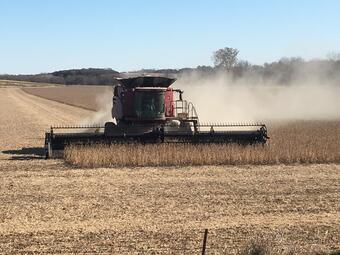
The USGS Environmental Health Program's Food Resources Life Cycle Integrated Science Team studies the movement of toxicants and pathogens that could originate from each of the stages within the food life cycle where exposure can occur. The food life cycle includes growing, raising, and processing or manufacturing of plant and animal products through the environment. Each of these stages is essential for bringing food from the farm to your table. By investigating the movement of toxicants and pathogens within this life cycle, USGS is providing information that can be used to understand if there are adverse effects upon exposure and to develop decision tools to protect health.
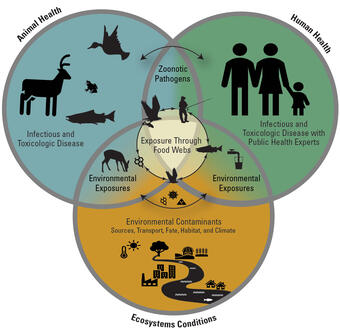
To improve the health and economic well-being of the Nation, we work closely with public health and agricultural partners to identify and understand critical linkages. The USGS Environmental Health Program uses a One Health approach, which recognizes the interconnectedness of humans, plants, animals (terrestrial and aquatic), and their shared environment. This approach is crucial for understanding and managing the complex interactions between contaminants and the food lifecycle, including food safety. The One Health approach involves collaboration across multiple disciplines and sectors to achieve optimal health outcomes. It acknowledges that the health of people is closely linked to the health of plants and animals and the health of their environment. This holistic perspective is essential for addressing other issues such as zoonotic diseases and environmental impacts.
USGS Research on Contaminants Throughout the Food Life Cycle
Contaminants—whether a chemical, biological, or physical substance —can enter the food supply at any point in its life cycle through air, water, soil, sediment, and tissue. Understanding how contaminants interact with each stage of the food life cycle is essential for improving safety and management practices, ensuring that our food and agricultural products remain safe and healthy.
Contaminant Exposure in Agriculture: While management practices including the use of fertilizers, pesticides, municipal and livestock waste, and antibiotics have become indispensable in agriculture, such practices can potentially introduce numerous contaminants into the environment. Understanding the levels and mixtures of these contaminants is essential for assessing their potential impact on crops, livestock, the environment, and ultimately, human health.
Mixtures and Interactions: Plants, animals, and humans are not only exposed to a single contaminant, but to simultaneous mixtures of contaminants. This mixture of substances makes it much harder to evaluate how safe our food really is, leading to more uncertainty about potential health risks. Understanding how these mixtures interact is vital for developing realistic risk assessments that reflect perceived or actual exposures.
Water and Soil Quality: The quality of water and soil directly affects food and other agricultural product safety. Contaminants can accumulate in the soil and water, leading to potential uptake by plants and animals (called bioaccumulation), including those consumed by humans. Evaluating how contaminants move and break down in these agricultural systems can inform management practices and minimize potentially harmful exposure.
By integrating USGS research on contaminant exposure, fate, and interactions, stakeholders can enhance food safety protocols, protect environmental health, and ensure that agricultural practices contribute positively to human health and the ecosystem.
Recycled Waste Reuse on Farmland
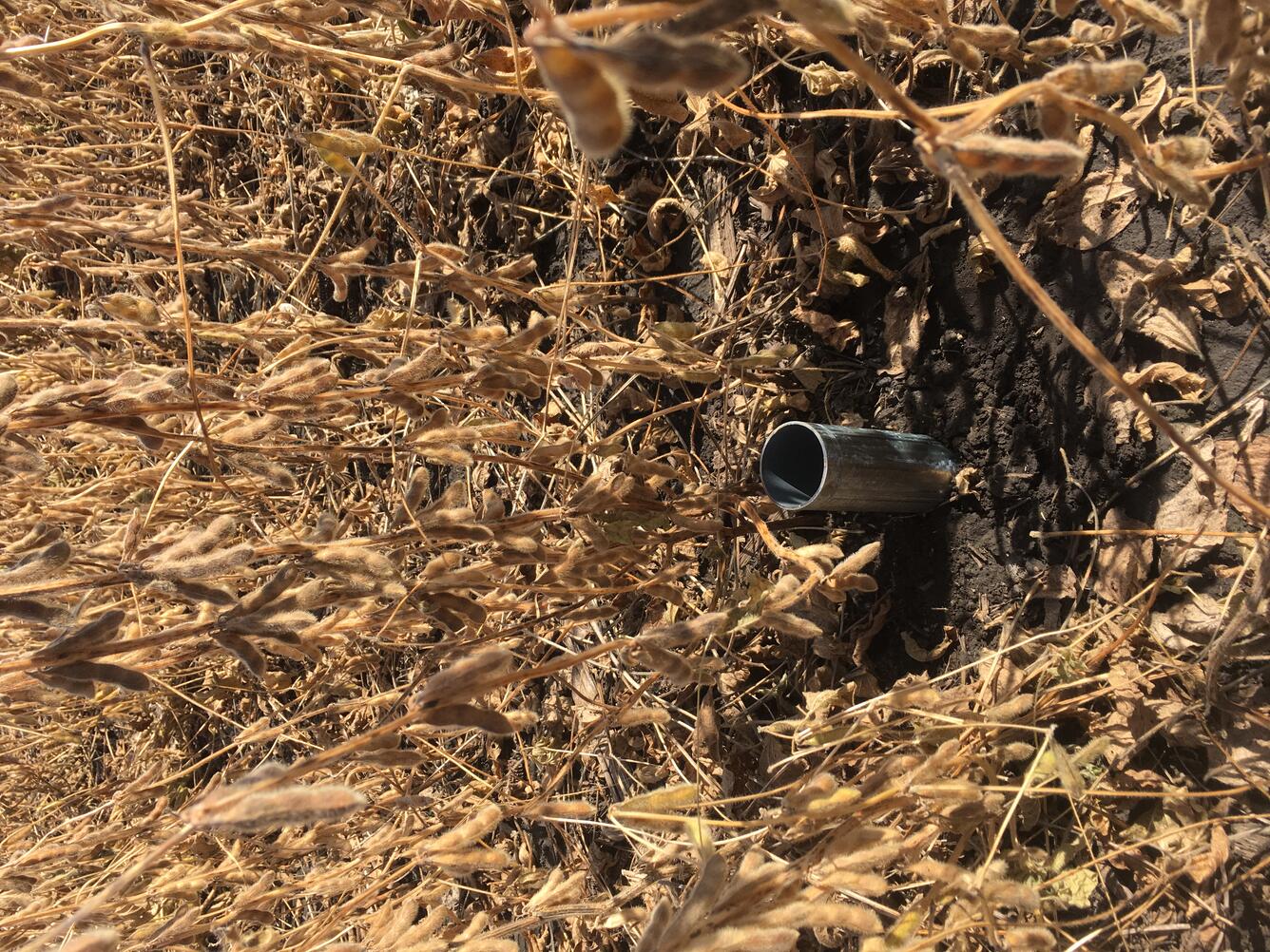
It is a common management practice in the United States for various waste byproducts such as biosolids and treated wastewater effluent, livestock manure, and drilling waste to be applied to farmland as a cost-effective disposal mechanism and as a beneficial source of nutrients and organic matter to increase crop yields. As the amount of waste generated annually increases and the demand for the disposal of treated wastewater and recycled solid waste on farmland increases, USGS researchers are examining the potential benefits and effects of using these resources in agriculture. This includes evaluating how the reuse of treated effluent and biosolids might introduce contaminants into the soil with subsequent uptake into plants. Understanding the presence and effects of potential contaminants in recycled waste applied to farmland informs sustainable agricultural practices to ensure food safety and environmental health.

Infectious Highly Pathogenic Avian Influenza (HPAI) virus in Environmental Waters
USGS is investigating whether the environment (e.g., wetlands, air/wind, agricultural waterways) facilitates the maintenance and spread of highly pathogenic avian influenza (HPAI, sometimes referred to as “bird flu”) virus, as this has significant implications for the economy, food security, and the health of both humans and animals. HPAI virus continues to circulate in North America with record number of HPAI cases documented in wild birds (over 200 species) and mammals (over 40 species), multiple livestock (including chickens, turkeys, dairy cattle, goats), and humans. Once infected, wild birds can shed HPAI virus into the environment where the HPAI can remain infectious, suggesting that the environment may be a source, reservoir, and transport pathway for spreading disease. USGS scientists have detected and recovered infectious HPAI from the environment, but there are many unanswered questions about the environment’s role (water, manure, sediment, air, and animal vectors) in virus presence, transmission, and persistence of infectious HPAI viruses. USGS scientists are working to answer these questions and develop environmental surveillance tools to inform biosecurity practices and provide early warning information to refuge managers, livestock production, neighboring farms, hobby farmers with backyard flocks, and zoos and bird reserves.


Antimicrobial Resistance in the Environment
USGS researchers are exploring how environmental sources contribute to the development and spread of antimicrobial resistance (AMR). AMR occurs when bacteria and other microbes become resistant to the medicines that are meant to kill them, making infections in animals (including humans) substantially harder to treat. Prior to the discovery of antimicrobial medicine in the early 20th century, even minor wounds could lead to serious infections causing organ damage and even death. Thus, AMR is recognized as a significant threat to health and the economy with the risk of antibiotics no longer effective for treating some bacterial infections. In addition, AMR could lead to antimicrobials becoming ineffective in livestock and aquaculture production greatly reducing productivity thereby threatening food safety and security. This research is crucial to inform effective management efforts and protect human, animal, and environmental health.
Influence of Agricultural Practices on Insect Pollinators
Insect pollinators play a vital role in maintaining plant diversity with virtually all food and fiber crops. Recent research has documented a general decline in insect pollinators such as the monarch butterfly across North America and globally. Current USGS research is focused on understanding how agricultural management practices, particularly the use of pesticides and pesticide treated seeds, affect these insect pollinators that play such a key role in crop production.

Simultaneous Stream Assessment of Antibiotics, Bacteria, antibiotic resistance genes in agricultural region
Environmental Surveillance and Detection of Infectious Highly Pathogenic Avian Influenza Virus
Wild Bee Exposure to Pesticides in Conservation Grasslands
Conserved Grasslands Support Similar Pollinator Diversity as Pollinator-Specific Practice Regardless of Proximal Cropland and Pesticide Exposure
Environmental Risks and Challenges Associated with Neonicotinoid Insecticides
Pyrethroid Insecticides Implicated in Mass Mortality of Monarch Butterflies at an Overwintering Site in California
Follow the Food Resources Life Cycle Integrated Science Team
Agriculture is vital to the U.S. economy, supplying food, fibers, fuels, and jobs. Ensuring the quality of our natural resources is essential for keeping our food safe and plentiful. The USGS studies environmental factors affecting food security and offers valuable insights to reduce health risks, ensuring a safer food supply and a healthier environment.
The USGS Environmental Health Program's Food Resources Life Cycle Integrated Science Team studies the movement of toxicants and pathogens that could originate from each of the stages within the food life cycle where exposure can occur. The food life cycle includes growing, raising, and processing or manufacturing of plant and animal products through the environment. Each of these stages is essential for bringing food from the farm to your table. By investigating the movement of toxicants and pathogens within this life cycle, USGS is providing information that can be used to understand if there are adverse effects upon exposure and to develop decision tools to protect health.
To improve the health and economic well-being of the Nation, we work closely with public health and agricultural partners to identify and understand critical linkages. The USGS Environmental Health Program uses a One Health approach, which recognizes the interconnectedness of humans, plants, animals (terrestrial and aquatic), and their shared environment. This approach is crucial for understanding and managing the complex interactions between contaminants and the food lifecycle, including food safety. The One Health approach involves collaboration across multiple disciplines and sectors to achieve optimal health outcomes. It acknowledges that the health of people is closely linked to the health of plants and animals and the health of their environment. This holistic perspective is essential for addressing other issues such as zoonotic diseases and environmental impacts.
USGS Research on Contaminants Throughout the Food Life Cycle
Contaminants—whether a chemical, biological, or physical substance —can enter the food supply at any point in its life cycle through air, water, soil, sediment, and tissue. Understanding how contaminants interact with each stage of the food life cycle is essential for improving safety and management practices, ensuring that our food and agricultural products remain safe and healthy.
Contaminant Exposure in Agriculture: While management practices including the use of fertilizers, pesticides, municipal and livestock waste, and antibiotics have become indispensable in agriculture, such practices can potentially introduce numerous contaminants into the environment. Understanding the levels and mixtures of these contaminants is essential for assessing their potential impact on crops, livestock, the environment, and ultimately, human health.
Mixtures and Interactions: Plants, animals, and humans are not only exposed to a single contaminant, but to simultaneous mixtures of contaminants. This mixture of substances makes it much harder to evaluate how safe our food really is, leading to more uncertainty about potential health risks. Understanding how these mixtures interact is vital for developing realistic risk assessments that reflect perceived or actual exposures.
Water and Soil Quality: The quality of water and soil directly affects food and other agricultural product safety. Contaminants can accumulate in the soil and water, leading to potential uptake by plants and animals (called bioaccumulation), including those consumed by humans. Evaluating how contaminants move and break down in these agricultural systems can inform management practices and minimize potentially harmful exposure.
By integrating USGS research on contaminant exposure, fate, and interactions, stakeholders can enhance food safety protocols, protect environmental health, and ensure that agricultural practices contribute positively to human health and the ecosystem.
Recycled Waste Reuse on Farmland
It is a common management practice in the United States for various waste byproducts such as biosolids and treated wastewater effluent, livestock manure, and drilling waste to be applied to farmland as a cost-effective disposal mechanism and as a beneficial source of nutrients and organic matter to increase crop yields. As the amount of waste generated annually increases and the demand for the disposal of treated wastewater and recycled solid waste on farmland increases, USGS researchers are examining the potential benefits and effects of using these resources in agriculture. This includes evaluating how the reuse of treated effluent and biosolids might introduce contaminants into the soil with subsequent uptake into plants. Understanding the presence and effects of potential contaminants in recycled waste applied to farmland informs sustainable agricultural practices to ensure food safety and environmental health.
Infectious Highly Pathogenic Avian Influenza (HPAI) virus in Environmental Waters
USGS is investigating whether the environment (e.g., wetlands, air/wind, agricultural waterways) facilitates the maintenance and spread of highly pathogenic avian influenza (HPAI, sometimes referred to as “bird flu”) virus, as this has significant implications for the economy, food security, and the health of both humans and animals. HPAI virus continues to circulate in North America with record number of HPAI cases documented in wild birds (over 200 species) and mammals (over 40 species), multiple livestock (including chickens, turkeys, dairy cattle, goats), and humans. Once infected, wild birds can shed HPAI virus into the environment where the HPAI can remain infectious, suggesting that the environment may be a source, reservoir, and transport pathway for spreading disease. USGS scientists have detected and recovered infectious HPAI from the environment, but there are many unanswered questions about the environment’s role (water, manure, sediment, air, and animal vectors) in virus presence, transmission, and persistence of infectious HPAI viruses. USGS scientists are working to answer these questions and develop environmental surveillance tools to inform biosecurity practices and provide early warning information to refuge managers, livestock production, neighboring farms, hobby farmers with backyard flocks, and zoos and bird reserves.
Antimicrobial Resistance in the Environment
USGS researchers are exploring how environmental sources contribute to the development and spread of antimicrobial resistance (AMR). AMR occurs when bacteria and other microbes become resistant to the medicines that are meant to kill them, making infections in animals (including humans) substantially harder to treat. Prior to the discovery of antimicrobial medicine in the early 20th century, even minor wounds could lead to serious infections causing organ damage and even death. Thus, AMR is recognized as a significant threat to health and the economy with the risk of antibiotics no longer effective for treating some bacterial infections. In addition, AMR could lead to antimicrobials becoming ineffective in livestock and aquaculture production greatly reducing productivity thereby threatening food safety and security. This research is crucial to inform effective management efforts and protect human, animal, and environmental health.
Influence of Agricultural Practices on Insect Pollinators
Insect pollinators play a vital role in maintaining plant diversity with virtually all food and fiber crops. Recent research has documented a general decline in insect pollinators such as the monarch butterfly across North America and globally. Current USGS research is focused on understanding how agricultural management practices, particularly the use of pesticides and pesticide treated seeds, affect these insect pollinators that play such a key role in crop production.