Version 2.0 of the Cooperative National Geologic Map
Includes Alaska, Hawaii, and most U.S. territories
Includes Alaska, Hawaii, and most U.S. territories
Alaska Park Science
Learn about collaborative research between USGS and the National Park Service
Learn about collaborative research between USGS and the National Park Service
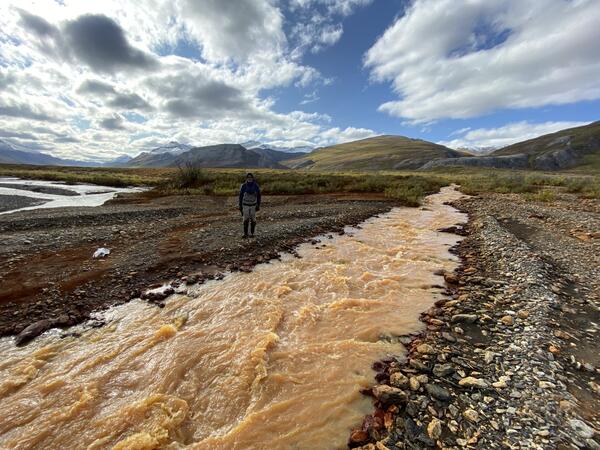
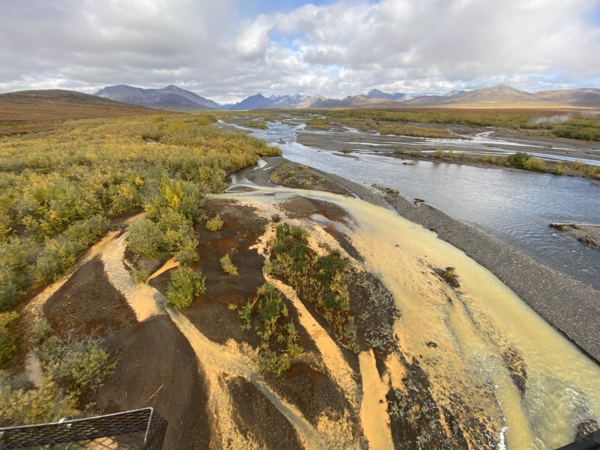
Rusting Rivers: Heavy Metals and Visible Color Changes
Q&A: USGS Ecosystems Provides Objective Science to Manage Lands, Fish, and Wildlife
Alaska Critical Mineral Resource Assessments
Alaska has potential for a wide range of critical minerals including, but not limited to, graphite, lithium, tin, tungsten, rare earth elements, and platinum-group elements.
Alaska has potential for a wide range of critical minerals including, but not limited to, graphite, lithium, tin, tungsten, rare earth elements, and platinum-group elements.
Alaska Science Center
The mission of the Alaska Science Center (ASC) is to provide objective and timely data, information, and research findings about the earth and its flora and fauna to Federal, State, and local resource managers and the public to support sound decisions regarding natural resources, natural hazards, and ecosystems in Alaska and circumpolar regions. We have offices in Anchorage, Juneau, and Fairbanks.
Science Spotlight
Science Spotlight
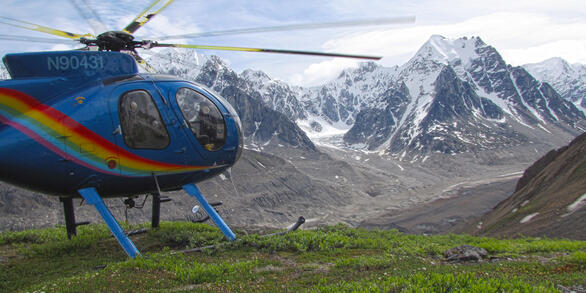
Geologic Map of Alaska
In January 2016, the U.S. Geological Survey released the first ever digital geologic map of Alaska. The interactive Alaska geologic map reflects more than a century of work and provides a visual context for the abundant mineral and energy resources found throughout the state.
News
September is National Preparedness Month
September is National Preparedness Month
Science Spotlight: USGS Monitoring of Glacial Outburst Flood in Juneau Alaska
Science Spotlight: USGS Monitoring of Glacial Outburst Flood in Juneau Alaska
USGS Scientist and National Weather Service and University of Alaska Southeast colleagues receive Alaska State Legislature Recognition for Response to Juneau’s annual Suicide Basin Outburst Floods
USGS Scientist and National Weather Service and University of Alaska Southeast colleagues receive Alaska State Legislature Recognition for Response to Juneau’s annual Suicide Basin Outburst Floods
Publications
DRIFteRS: A dataset of drift invertebrate densities in streams and rivers across western North America, 1997–2024 DRIFteRS: A dataset of drift invertebrate densities in streams and rivers across western North America, 1997–2024
Prey availability is among the most influential and highly variable determinants of fish growth and freshwater habitat carrying capacity, yet it remains understudied compared to physical habitat variables (Ouellet et al., 2025; Rosenfeld et al., 2014; Weber et al., 2017). We often lack a clear understanding of how much food is available to fishes, how it varies spatially and temporally...
Validating antler- and movement-based estimates of caribou reproduction using video camera collars Validating antler- and movement-based estimates of caribou reproduction using video camera collars
Wildlife agencies invest substantial resources in monitoring ungulate reproductive rates given ongoing concerns about population trends and their implications for management. For barren-ground caribou (Rangifer tarandus) in the North American Arctic, data on parturition and neonate survival have traditionally been collected using visual observations of antler retention and calf presence...
Climate change vulnerability assessment for guiding ecosystem restoration in fire-prone landscapes of the western U.S. Climate change vulnerability assessment for guiding ecosystem restoration in fire-prone landscapes of the western U.S.
Climate-driven alterations to fire regimes challenges forest management and restoration in the western United States, where increased wildfire severity threatens ecosystem integrity and resilience. In this study, we demonstrate the application of the FireCLIME (Fire-Climate-Landscape Interactions in Montane Ecosystems) Vulnerability Assessment (VA) as a decision-support tool for...
Science

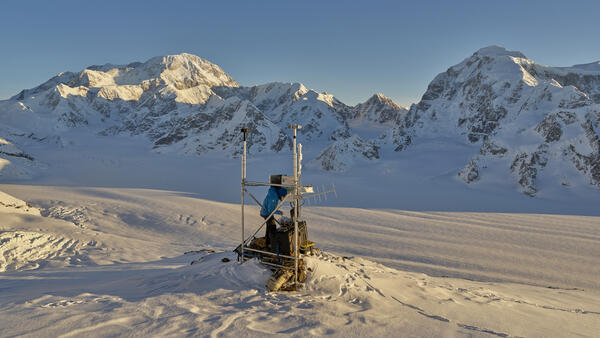
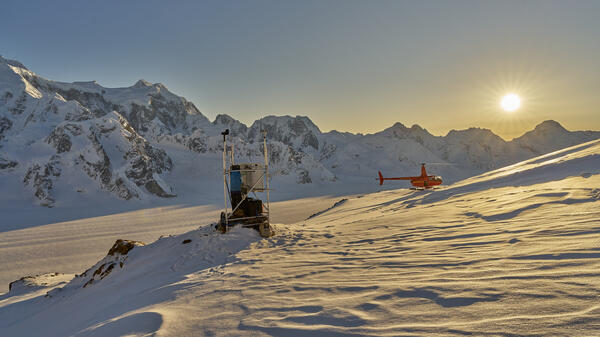
Super Gages and Water Quality Sampling
Super gages provide real-time data specifically designed to improve understanding of watershed processes and to address specific water-resource issues such as climate and land-use effects or hazardous substance spills.

Alaska Streamflow Statistics
The USGS conducts various studies of streamflow statistics for data collected at streamflow-gaging stations. Streamflow statistics for gaged streams and methods for estimating those statistics for ungaged streams are used by water resource planners and managers for designing infrastructure, managing floodplains, and protecting life, property, and aquatic resources. The most recent USGS studies of...

Chilkat River
Chilkat River is one of the transboundary watersheds of Southeast Alaska.