



Hurricane Season Arrives
Using USGS Science to Protect Communities
The 2026 Atlantic hurricane season runs from June 1 through November 30. Throughout the season, the U.S. Geological Survey aids coastal and inland communities by giving people the resources they need to make informed decisions before, during, and after hurricanes. This critical information helps save lives and protect property.
Looking for Answers
When a hurricane is approaching, people want answers. How bad will it be? Will my neighborhood flood? Will the beach road still be there tomorrow?
Behind the scenes, scientists at the U.S. Geological Survey work to answer these and many other questions well before a storm arrives. Their work doesn’t always make headlines, but it plays a critical role in helping emergency managers, local officials, and the public make informed decisions when time is short and the stakes are high.
This work isn’t just about collecting data. It’s about providing the science that people use to save lives, protect property, and help communities recover faster.
Forecasting Coastal Change Before the Storm Hits
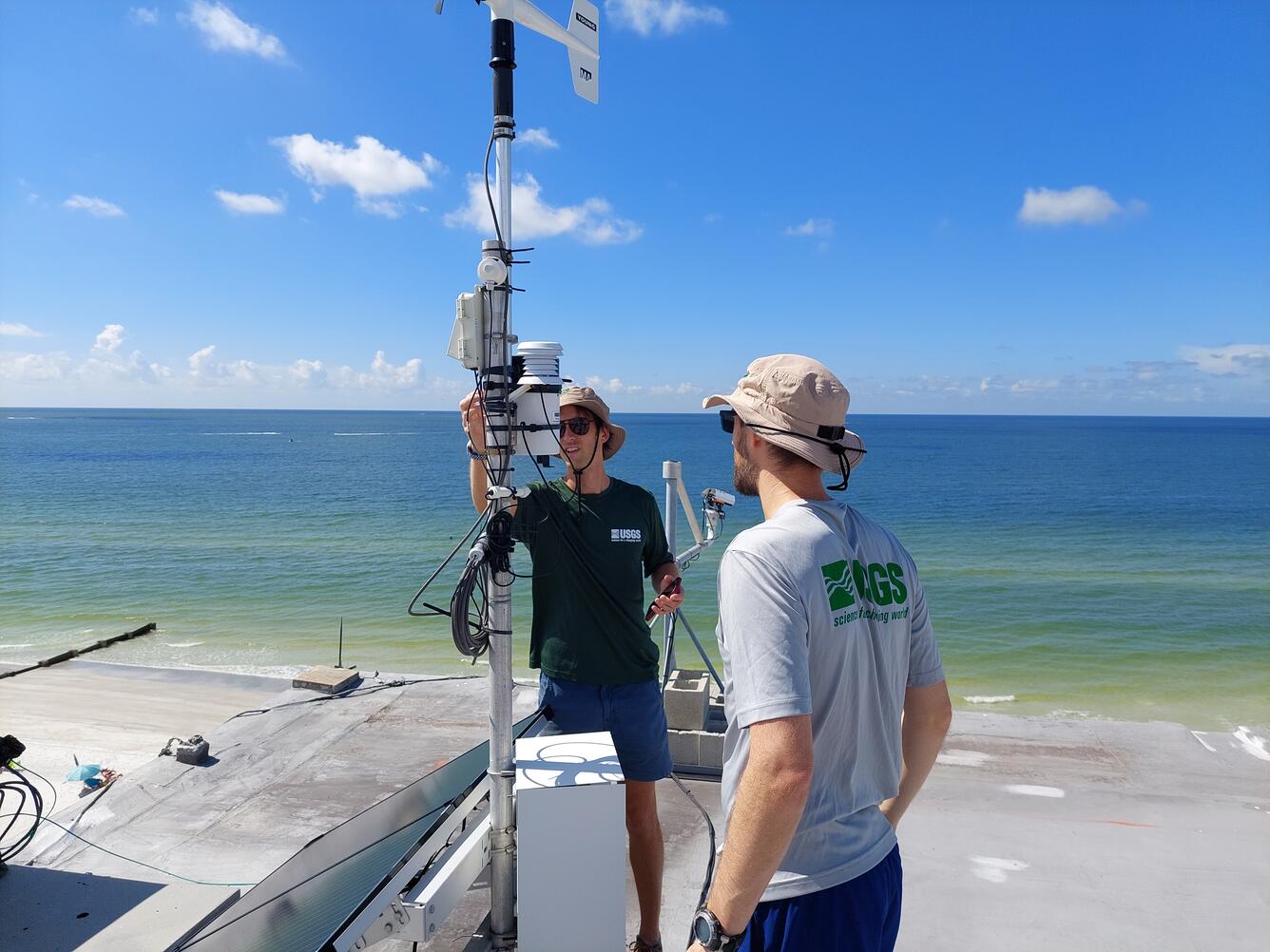
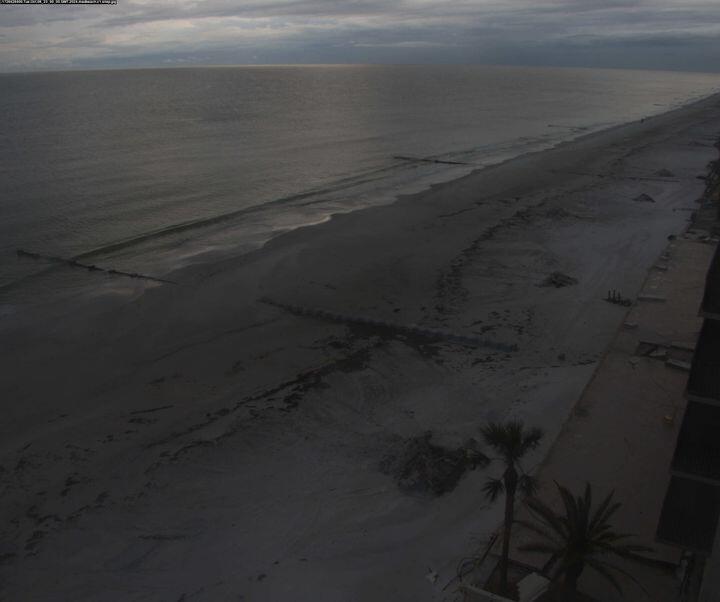
One of the most immediate threats from hurricanes is coastal erosion. Storm surge and waves can wipe out dunes, flood roads, and reshape shorelines in a matter of hours.
To help communities prepare, USGS scientists provide real-time storm forecasts of where beaches are likely to erode, where sand may be pushed inland, and where storm surge could inundate roads and homes. These forecasts are available through the Total Water Level and Coastal Change Forecast Viewer, which emergency managers use to prioritize evacuations and protect infrastructure.
For example, during Hurricane Ian in 2022, these forecasts accurately predicted widespread dune loss along Florida’s Gulf Coast. That information helped local officials prepare for road closures and post-storm damage assessments.
Tracking Floodwaters in Real Time
Hurricanes don’t just affect the coast. Inland flooding is just as dangerous, especially when rivers rise quickly or when stormwater systems are overwhelmed.
The USGS operates a nationwide network of streamgages and rapid-deployment gauges that provide real-time data on river levels and flood conditions. These sensors are often installed in advance of a storm, sometimes within hours of landfall, to capture critical data that supports the emergency response.
During Hurricane Harvey in 2017, these flood sensors helped emergency managers in Texas track rising waters and direct rescue operations. That same system remains in place today, ready to respond when the next storm arrives.

Mapping the Damage After the Storm
Once the skies clear, the work isn’t over. Communities need to know what has changed, including which roads are washed out, which neighborhoods remain underwater, and where recovery efforts should begin.
The USGS provides high-resolution aerial imagery and lidar land surface scans that map storm impacts. These maps help the Federal Emergency Management Agency, state agencies, and local governments assess damage, plan repairs, and aid those impacted when applying for federal assistance.
After Hurricane Laura in 2020, USGS imagery helped identify areas of severe coastal erosion and infrastructure loss across Louisiana’s barrier islands. This data supported both emergency response and long-term restoration planning.

Why This Matters
The science behind these tools is complex. But the reason it exists is simple: to provide vital data that decision makers need as they work to help save lives and protect property.
Whether it’s a family deciding when to evacuate, a mayor planning emergency routes, or a utility crew restoring power, USGS data helps people make informed decisions when it matters most.
This work doesn’t happen in isolation. It’s part of a coordinated effort with the National Oceanic and Atmospheric Administration, FEMA, the National Hurricane Center, and state and local agencies. Together, these teams form a network of science and service that supports communities before, during, and after hurricanes.
