



USGS Releases Global 3D Archive of Coral Reef Cores to Support Climate and Coastal Research
A new digital archive released by the USGS Pacific and St. Petersburg Coastal and Marine Science Centers gives scientists an unprecedented look inside reef-building corals, layer by layer, using advanced imaging technology.
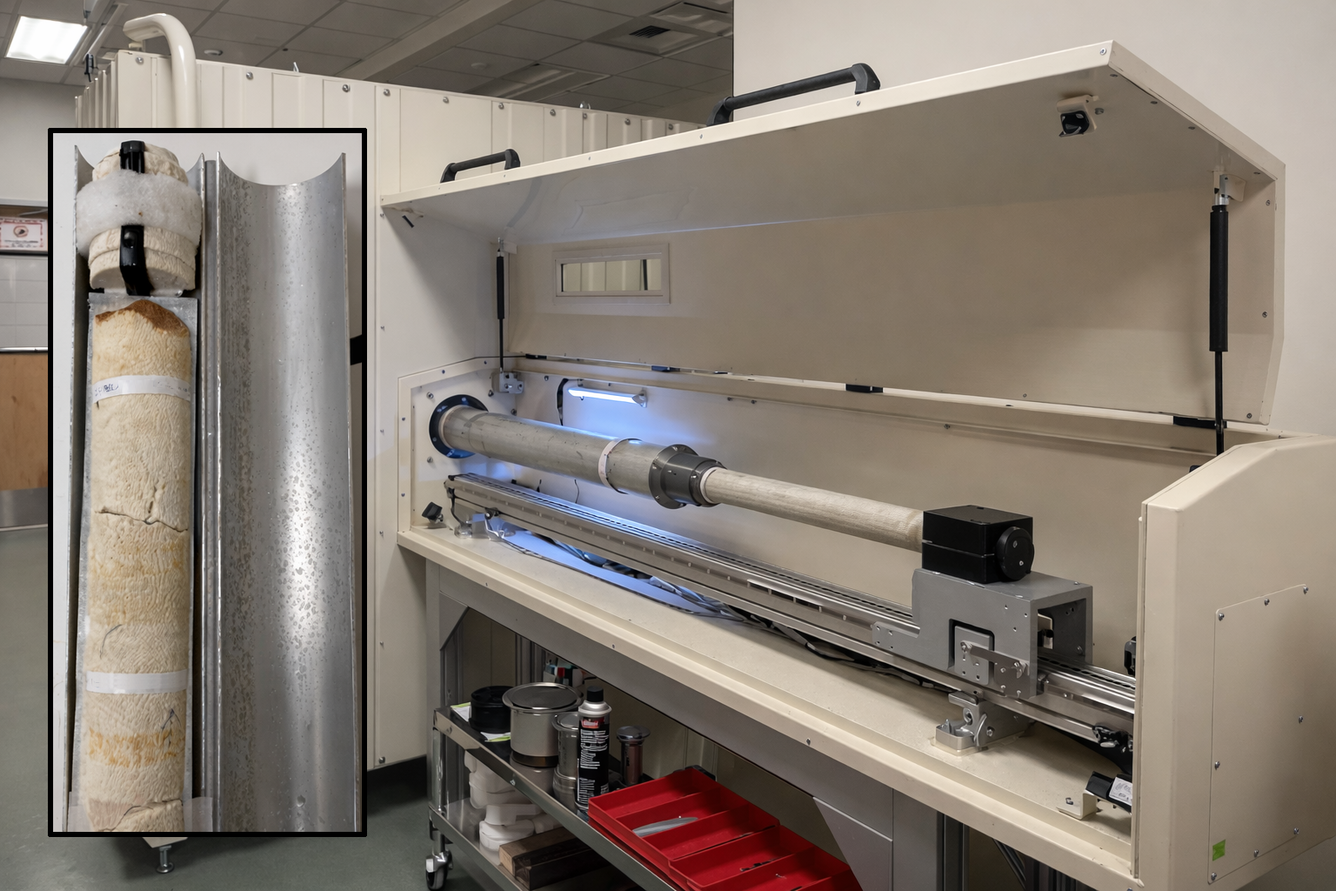
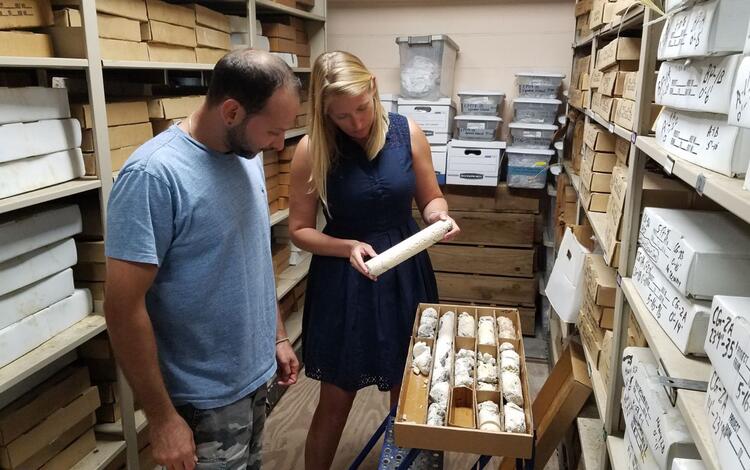
The USGS Rotating X-ray Computed Tomography Coral-Core Archive comprises three-dimensional scans of roughly 360 coral reef cores collected around the world over the past five decades. The dataset, now publicly available, transforms these physical samples into calibrated digital models that researchers can analyze from anywhere.
Together, the cores provide a detailed record of coral growth, environmental change, and reef health spanning decades to centuries.
A 3D View Inside Coral Skeletons
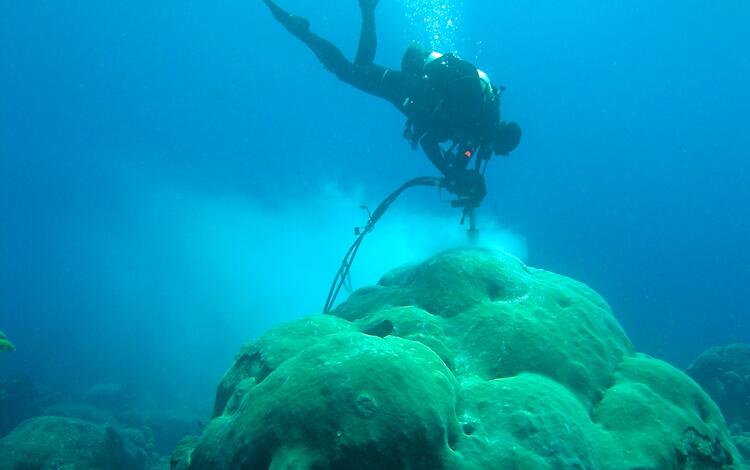
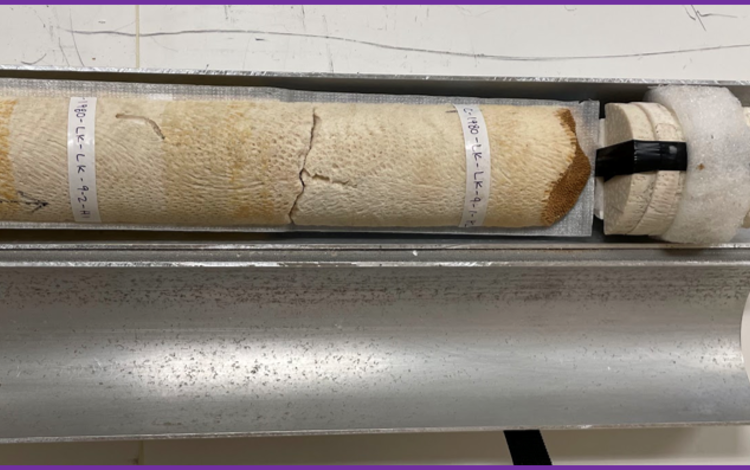
Coral cores are cylindrical samples drilled vertically from massive reef-building corals. Much like tree rings, the skeletons of these corals contain annual growth bands that record environmental conditions over time.
Using rotating X-ray computed tomography (RXCT), researchers created high-resolution 3D image volumes that reveal the internal structure of each core. From these scans, scientists can measure key indicators of coral health, including:
Skeletal density
Linear growth (extension)
Calcification rates

Because the scans are calibrated and standardized, scientists can reproduce these measurements consistently across the entire dataset. By preserving the samples digitally, this unique dataset allows scientists to study coral growth histories without repeatedly sub-sampling the physical cores.
Researchers can analyze how reef-building corals responded to environmental changes over time, including:
Ocean warming
Water chemistry shifts
Storm impacts
Local environmental stressors
These long-term records can help scientists understand how coral reefs have changed in the past and how they might respond to future climate conditions.
Supporting Reef Conservation and Coastal Protection
Beyond ecological research, the archive may help inform coral reef restoration and coastal resilience efforts.
Coral reefs are often described as natural infrastructure because they perform essential protective functions for coastlines: reef structures can reduce coastal flood risk by absorbing and dissipating wave energy before it reaches shore.
By establishing historical baselines for coral growth and reef structure, the archive helps scientists and coastal managers better evaluate:
Reef degradation trends
Restoration targets
Changes in reef-building capacity
These insights can also improve models that assess how reef condition influences coastal hazards.
A Resource for the Global Research Community
With the release of the RXCT Coral-Core Archive, the USGS is making decades of coral research accessible to scientists, conservation planners and coastal managers worldwide.
As coral reefs face increasing pressures globally, the ability to examine detailed records of their past growth and decline may prove critical for guiding future conservation and coastal adaptation strategies.

Related

Developing a USGS Digital Coral Growth Archive using Rotating X-Ray Computerized Tomography - The ACTS Project

Coral Reef Project
Related
Developing a USGS Digital Coral Growth Archive using Rotating X-Ray Computerized Tomography - The ACTS Project