Drought
Pinon Pine Trees Killed by Drought and Invasive Beetles in Arizona
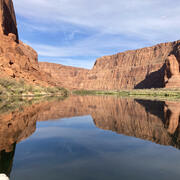
The Colorado River Basin is currently experiencing its worst drought in recorded history. Drought impacts include worsening habitat conditions for several threatened and endangered species, wildland fire risks, reduced snowpack, changes in water availability and agricultural production; reduced recreation opportunities; and negative affects on residents and business in the basin.
USGS Drought Science

The USGS provides critical science for understanding the complexity of drought issues and the impact of drought and compounding hazards, such as wildfire, on human and natural systems. The USGS produces a wide variety of actionable intelligence in the form of observation and monitoring networks, predictive models, and tools to support drought adaptation planning.
Agency Collaboration

Federal agencies and stakeholders are working together to find the answers to the complex questions around drought. This strategic approach can enable the USGS to provide the integrated and predictive science to guide policy and management decisions that will help mitigate the effects of the drought on human and natural ecosystems.
AI-driven science synthesis tools for resource managers