



Web Tools
Colorado River Basin Integrated Science and Technology
Example USGS Integrated Science Projects in the Colorado River Basin
USGS Dust Science Geonarrative
Detailed information about USGS studies of dust, its transport and effects
The USGS has a long history of delivering science and tools to help decision-makers manage and mitigate effects of drought. The ASIST initiative has supported the development of many webtools (listed below) to deliver interdisciplinary science on drought in the Colorado River Basin.
USGS Science Collaboration Portal for the Colorado River Basin

To help resource managers plan and mitigate long-term drought impacts in the Colorado River Basin, the USGS has launched a platform that brings together science, data, and mapping and analytical tools from across the basin in a central location.
Geologic Stories in Grand Canyon

Take a trip through Grand Canyon with USGS geologists to learn about geologic mapping in this iconic landscape. On the trip, scientists from Arizona, New Mexico, California and Colorado also conducted a series of related research studies to inform the geologic maps and geologic history of Grand Canyon.
USGS Dust Science Geonarrative
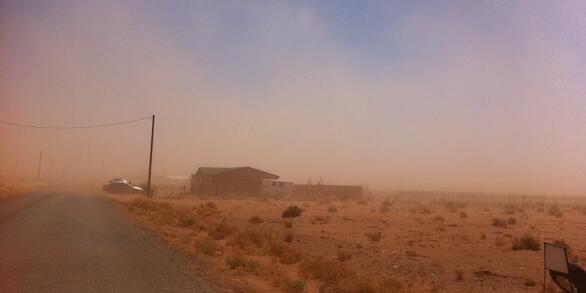
Wind transport is one of the primary means by which mineral dust is dispersed across the globe. This dust plays a huge role in ecosystem function, hydrology, economic sectors such as agriculture, and human health. U.S. Geological Survey (USGS) scientists have contributed to our understanding of dust generation and transport, exacerbated by drought, in the western U.S.