



USGS EcoNews - Vol. 6 | Issue 2
Economic Growth
USGS ecosystems science delivers substantial economic value by providing cost-effective management tools that support economic growth while protecting natural resources across multiple sectors.
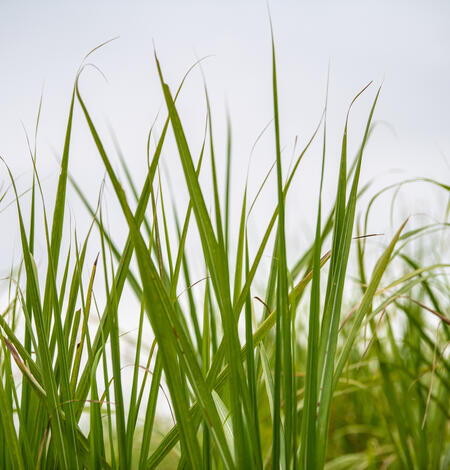
Powering Progress: How Science Can Fuel the Energy Resources Life Cycle
Energy is essential to modern life, and accessing it involves a complex lifecycle, from resource discovery to extraction, use, and eventual remediation and reclamation. The USGS Ecosystems Mission Area supports this process by conducting research and providing scientific insights to guide decision-making at each stage. By collaborating with resource management agencies and stakeholders, we analyze...

WARC Science in the Gulf of America
The USGS Wetland and Aquatic Research Center provides unbiased, actionable, and timely scientific information, expertise, and tools to support the management and restoration of natural resources on, in, and around the Gulf of America.
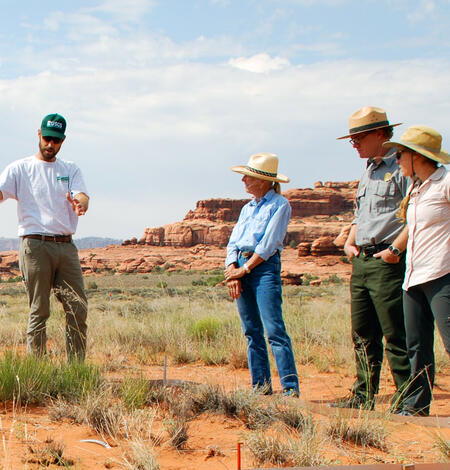
The Changing Range: USGS initiatives support resilient ecosystems and economies on the Colorado Plateau
The USGS provides timely, scientific information about the health of ecosystems and economies, playing a crucial role in helping communities adapt to extreme drought.
Public Safety & Security
USGS ecosystems science helps resource managers maintain ecosystems that can withstand disasters such as floods, hurricanes, wildland fires, and avalanches, protecting the communities around them.
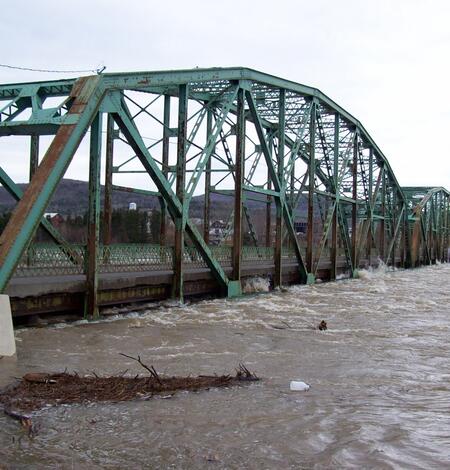
Deep Dive: Protecting Critical Infrastructure
Our nation’s roads, buildings, and bridges are being compromised by extreme weather events and sea level rise. Explore how CASC science is improving our understanding of how climate change is impacting critical infrastructure and supporting risk mitigation and adaptation planning.

Decoding Harmful Algal Blooms: Unraveling the Mystery
Harmful algal blooms (HABs) are a significant environmental concern due to their potential effects on health, ecosystems, and economies. Algal toxins, which are toxic compounds produced by certain species of cyanobacteria and algae, are commonly linked to these blooms. It's important to note that algal toxins can still be present even when a bloom is not visible, highlighting the need for ongoing...
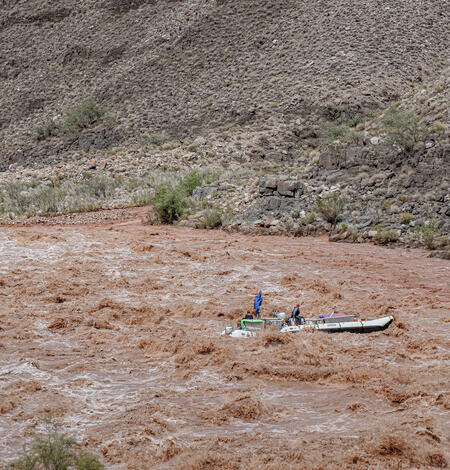
New backcountry alert system warns Grand Canyon visitors about flash floods in areas without cellular signal
Visitors can subscribe to the alert system using satellite communication devices.
Food & Water Security
USGS ecosystems science is used by decision makers to understand how the quality of America’s food supply is directly connected to the health of our lands and waters, and the fish and wildlife they support.

Farms to Faucet: The Hidden Connection
How are french fries and drinking water connected? As potato farms expand to meet growing demand, they alter landscapes and impact water sources. In Minnesota, this has led city managers to take a closer look at how land use change influences the quality of drinking water. Understanding these links is important for planning a future where land use changes affect our water sources.
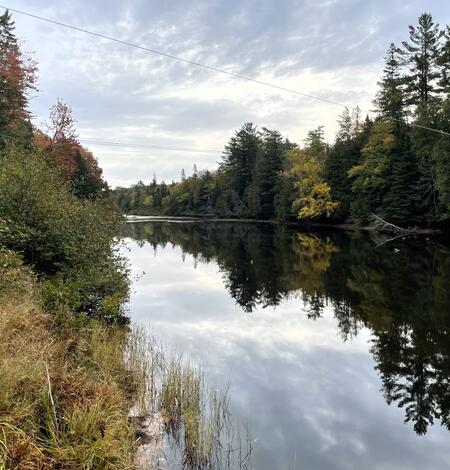
USGS Ecosystems Science Strengthening America's Hunting and Fishing Heritage
USGS science is vital for securing the hunting and fishing traditions many Americans value. By studying wildlife populations, habitats, and health, the USGS provides essential information that helps ensure these outdoor activities can continue to thrive.
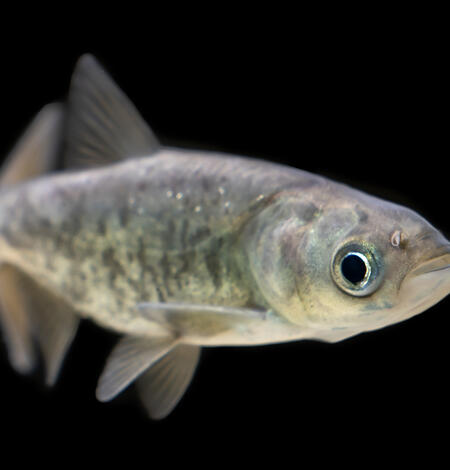
Invasive Species We Study: Invasive Carp
Bighead, black, grass, and silver carp, which are native to China, were originally stocked in aquaculture facilities to control algae, snails, and vegetation. These species escaped during flood events and are now established throughout the lower and middle Mississippi River Basins and some of its large tributaries where they damage ecosystems and harm economies. Grass carp are also reproducing in...