



USGS Ecosystems Science Strengthening America's Hunting and Fishing Heritage
USGS science is vital for securing the hunting and fishing traditions many Americans value. By studying wildlife populations, habitats, and health, the USGS provides essential information that helps ensure these outdoor activities can continue to thrive.
Hunting and fishing and generally enjoying the Nation’s wildlife are an integral part of the American experience. Strong fish and wildlife populations provide opportunities for all Americans to participate in traditions that connect generations with each other and the outdoors, provide healthy local food, and support America’s self-reliance. Every year, millions of people across the United States enjoy hunting and fishing. In 2022 alone, 39.9 million people went fishing, while 14.4 million hunted. Together, these activities contributed over \$1.1 trillion to the outdoor recreation economy through spending in local communities and contributions to excise taxes and license purchases.
The Importance of USGS Science
USGS ecosystems science provides key insights into the optimal management of wildlife species, including different harvest strategies to determine which ones would lead to the highest expected net benefits, cost-efficient game and fish monitoring strategies, cost-effective habitat management, and customized plans for disease surveillance and harvest strategies.
USGS science and tools are used by state and federal wildlife managers and other stakeholders who tackle difficult wildlife management challenges. Our scientists provide a better understanding of wildlife populations and impacts to species including big game, birds, and fish, providing the information and tools needed to manage wildlife and the lands and waters that support them.
USGS long-term studies on habitat use and population health of species such as waterfowl, sportfish, deer, and elk are critical to state and federal fish and wildlife managers in maintaining healthy and sustainable harvest populations across the U.S. USGS economists are providing wildlife managers tools to guide planning and address their identified issues, including information to better understand what the public value and rely on in terms of hunting, angling, wildlife viewing, and other recreational activities.
Big Game Hunting
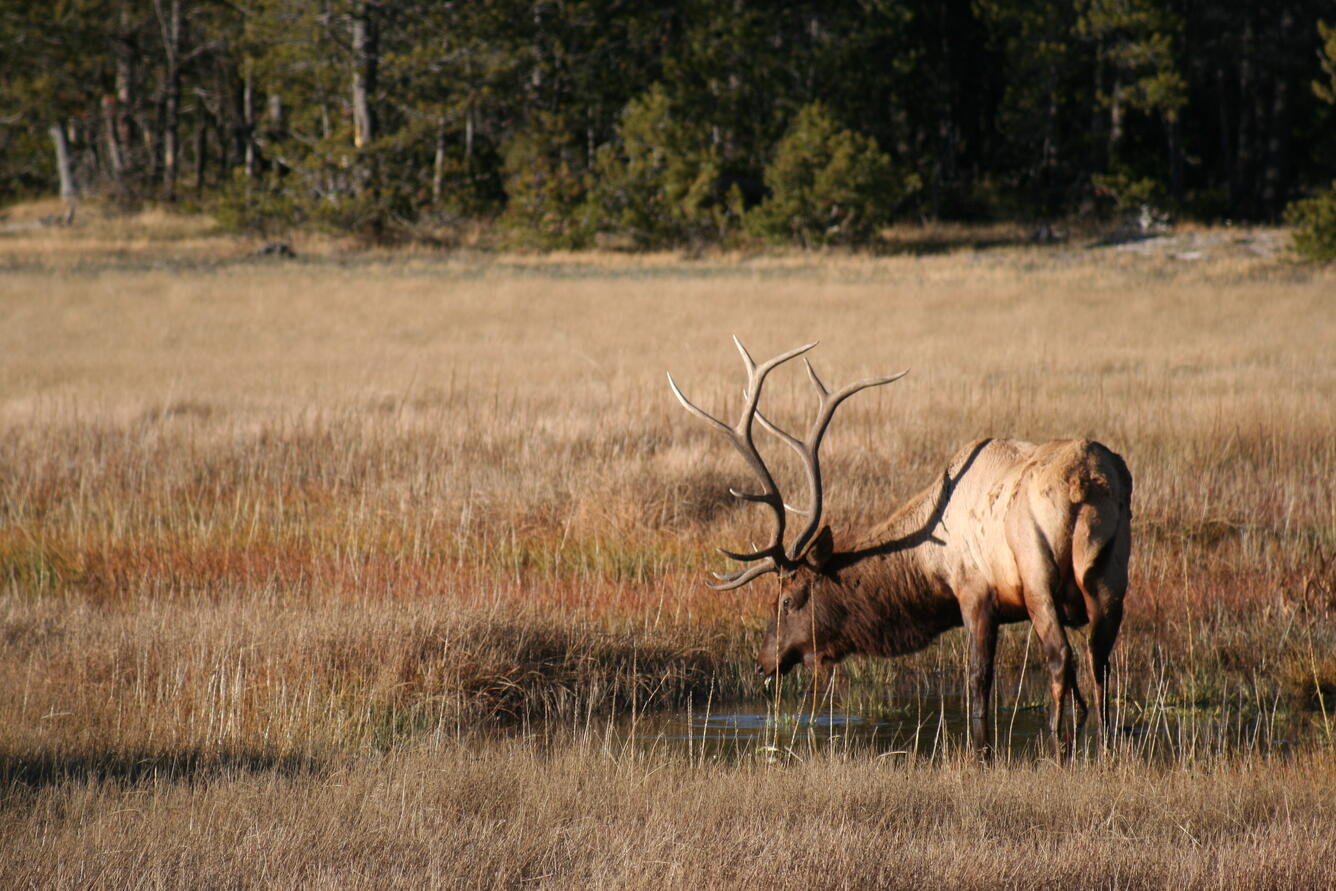
Big game hunting is an important part of American culture and contributes around \$45.2 billion to the economy each year. The USGS studies species that are central to our country’s big game hunting heritage, such as white-tailed deer, mule deer, elk, and moose.
USGS scientists work together with our partners to understand:
- How large-scale migration patterns may affect big-game, hunter satisfaction, and land-use planning across the western United States. States are readily incorporating USGS big-game migration maps into their own management, conservation planning, or outreach by using the migration maps to identify crossing structures.
- Strategies to maximize USDA Conservation Reserve Program fields as a winter food source for huntable deer populations
- Research on elk demography and movements in recovery areas of New Mexico
- Identifying management actions to reverse declines in moose populations and enhance moose harvest opportunities in Alaska and Vermont
- Understanding how contaminant exposure impacts deer populations to ensure deer, as a food source, are safe for consumption
Flourishing Fishing Economy
Fishing also plays a significant role in the economy, with anglers contributing over \$148 billion annually in economic output and supporting more than 945,000 jobs across the country.
USGS studies on increasing the efficiency of operating programs for managing fisheries through systematic and evidence-based approaches to management can lead to substantial return on investment. Our fisheries-related science includes:
- Economic assessments of recreational fisheries for management decisions
- Impacts to lake angler efforts and expenditures that have economic consequences for surrounding communities
- Impacts on cold-water trout fisheries that result in a loss angling revenue and local economies
- Demand and values for personal use salmon fishing and how conditions including weather, sizes of salmon runs, and commercial fishery operations, affect demand
- Employing technologies like acoustic telemetry, camera arrays, and environmental DNA for monitoring fish populations and assessing habitat quality for sustainable fisheries management
- Supports the Interstate Fisheries Commissions by providing unbiased scientific information about fish communities to help guide the conservation, development, and utilization of the Nations fishery resources.

Gamebirds
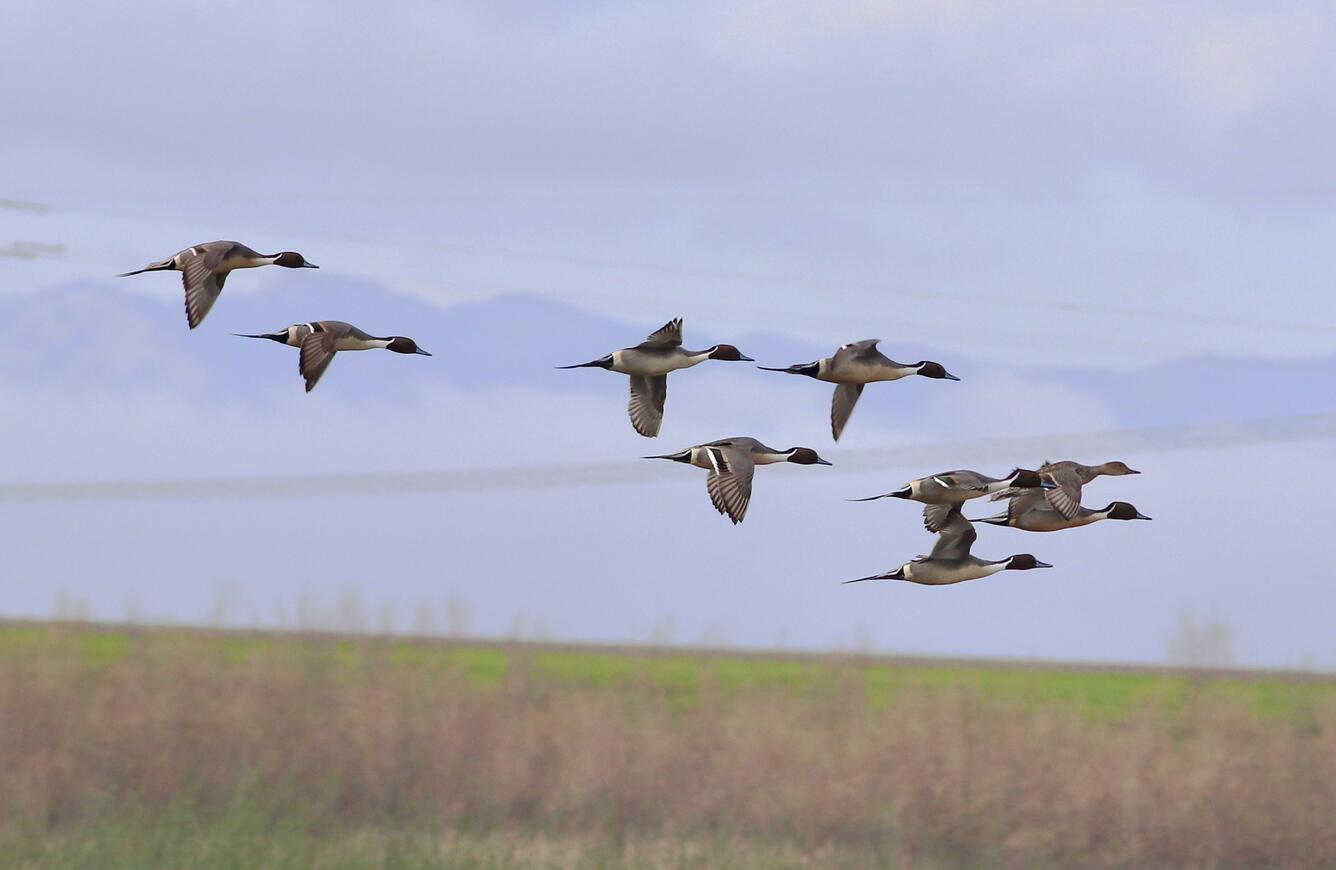
Waterfowl in North America provide value in recreation, including bird watching and hunting, and subsistence harvest. In 2023, there was an estimated 1.3 million waterfowl hunters contributing to local economies across America. USGS biologists study the dispersal and migration, behavior and social structure, lifespan and survival rate, reproductive success and population growth of birds. The results of our research supports the hunting industry by providing:
- Techniques to improve management efficiency and help game managers implement decisions that maximize waterfowl hunting opportunities now and, in the future
- Quantified economic yields and losses as they relate to waterfowl populations in the Mississippi Flyway
- Information for North American Waterfowl Management Plan partners on how recreational hunters participate and benefit from waterfowl and migratory birds
- Data from the USGS Bird Banding Laboratory and Breeding Bird Survey to help resource managers meet their mandates to reduce conflicts between birds and people, identify species of greatest conservation need, and set healthy harvest levels
- Strategies for cost-share establishment of cover crops for private landowners to enhance upland gamebird populations
Wildlife and Aquatic Diseases
The USGS is also on the front lines when it comes to wildlife diseases that impact species important to the hunting and fishing industries. USGS science is focused on the development of early detection and effective response tools that promote an adaptive management approach to wildlife diseases.
- Early warning about the possible spread of chronic wasting disease and strategies to mitigate outbreaks, helping States continue to generate revenue from hunting licenses
- Understanding brucellosis in big game, identifying areas of cattle risk, and assessing the effectiveness of different management interventions
- Avian influenza surveillance data, which is crucial for guiding decision-making on implementation of the Migratory Bird Treaty Act and regulations for waterfowl hunting
- Fish health science underpins management of 80% of salmon fisheries in the West
- Coral disease science supports half of all federally-managed marine fisheries and essential fish habitat for Gulf Council fisheries

Combatting Invasive Species
Invasive species compete with and predate on native plants and wildlife, transmit disease to wildlife and humans, threaten commercial and native fisheries, and reduce hunting, fishing, and other recreational opportunities such as boating and swimming.
Key components of USGS invasive species science include the development of novel prevention, prediction, early detection, containment, and control tools.
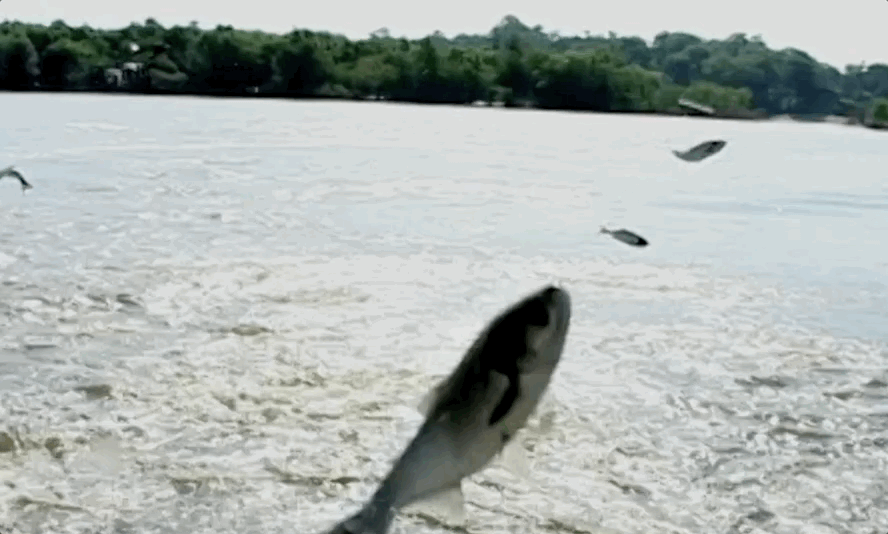
- Impacts of invasive carp on recreational and commercial fisheries in the Mississippi River
- Impacts and control of grass carp and Phragmites in the Great Lakes region that impact waterfowl habitat
- Long-term support of sea lamprey suppression program in the Great Lakes
- USGS research to combat invasive blue (and flathead) catfish that threaten the multi-billion-dollar Chesapeake Bay fishery
- Florida Fish Slam fishing events to document new species introductions and track the spread of existing non-natives
- Impacts of invasive trout species on native trout fisheries including competition, predation, and hybridization
Whether you're out fishing or hunting, you can feel confident knowing that USGS is working to safeguard the resources that support these experiences. Engaging with our natural environment has never been more important, and the science behind it is essential for maintaining these cherished activities.
USGS Science for Food & Water Security
USGS Science for Public Safety & Security
USGS Science for Economic Growth

Key Values of a Century of EESC Science
EESC Makes an Impact: Preserving our Hunting Resources
Healthy Fish and Wildlife: Community Livelihoods, Fishing and Hunting Heritage, Recreation, and Economic Security

Fishing and Hunting
Outdoor Resources Integrated Science Team
USGS science is vital for securing the hunting and fishing traditions many Americans value. By studying wildlife populations, habitats, and health, the USGS provides essential information that helps ensure these outdoor activities can continue to thrive.
Hunting and fishing and generally enjoying the Nation’s wildlife are an integral part of the American experience. Strong fish and wildlife populations provide opportunities for all Americans to participate in traditions that connect generations with each other and the outdoors, provide healthy local food, and support America’s self-reliance. Every year, millions of people across the United States enjoy hunting and fishing. In 2022 alone, 39.9 million people went fishing, while 14.4 million hunted. Together, these activities contributed over \$1.1 trillion to the outdoor recreation economy through spending in local communities and contributions to excise taxes and license purchases.
The Importance of USGS Science
USGS ecosystems science provides key insights into the optimal management of wildlife species, including different harvest strategies to determine which ones would lead to the highest expected net benefits, cost-efficient game and fish monitoring strategies, cost-effective habitat management, and customized plans for disease surveillance and harvest strategies.
USGS science and tools are used by state and federal wildlife managers and other stakeholders who tackle difficult wildlife management challenges. Our scientists provide a better understanding of wildlife populations and impacts to species including big game, birds, and fish, providing the information and tools needed to manage wildlife and the lands and waters that support them.
USGS long-term studies on habitat use and population health of species such as waterfowl, sportfish, deer, and elk are critical to state and federal fish and wildlife managers in maintaining healthy and sustainable harvest populations across the U.S. USGS economists are providing wildlife managers tools to guide planning and address their identified issues, including information to better understand what the public value and rely on in terms of hunting, angling, wildlife viewing, and other recreational activities.
Big Game Hunting
Big game hunting is an important part of American culture and contributes around \$45.2 billion to the economy each year. The USGS studies species that are central to our country’s big game hunting heritage, such as white-tailed deer, mule deer, elk, and moose.
USGS scientists work together with our partners to understand:
- How large-scale migration patterns may affect big-game, hunter satisfaction, and land-use planning across the western United States. States are readily incorporating USGS big-game migration maps into their own management, conservation planning, or outreach by using the migration maps to identify crossing structures.
- Strategies to maximize USDA Conservation Reserve Program fields as a winter food source for huntable deer populations
- Research on elk demography and movements in recovery areas of New Mexico
- Identifying management actions to reverse declines in moose populations and enhance moose harvest opportunities in Alaska and Vermont
- Understanding how contaminant exposure impacts deer populations to ensure deer, as a food source, are safe for consumption
Flourishing Fishing Economy
Fishing also plays a significant role in the economy, with anglers contributing over \$148 billion annually in economic output and supporting more than 945,000 jobs across the country.
USGS studies on increasing the efficiency of operating programs for managing fisheries through systematic and evidence-based approaches to management can lead to substantial return on investment. Our fisheries-related science includes:
- Economic assessments of recreational fisheries for management decisions
- Impacts to lake angler efforts and expenditures that have economic consequences for surrounding communities
- Impacts on cold-water trout fisheries that result in a loss angling revenue and local economies
- Demand and values for personal use salmon fishing and how conditions including weather, sizes of salmon runs, and commercial fishery operations, affect demand
- Employing technologies like acoustic telemetry, camera arrays, and environmental DNA for monitoring fish populations and assessing habitat quality for sustainable fisheries management
- Supports the Interstate Fisheries Commissions by providing unbiased scientific information about fish communities to help guide the conservation, development, and utilization of the Nations fishery resources.
Gamebirds
Waterfowl in North America provide value in recreation, including bird watching and hunting, and subsistence harvest. In 2023, there was an estimated 1.3 million waterfowl hunters contributing to local economies across America. USGS biologists study the dispersal and migration, behavior and social structure, lifespan and survival rate, reproductive success and population growth of birds. The results of our research supports the hunting industry by providing:
- Techniques to improve management efficiency and help game managers implement decisions that maximize waterfowl hunting opportunities now and, in the future
- Quantified economic yields and losses as they relate to waterfowl populations in the Mississippi Flyway
- Information for North American Waterfowl Management Plan partners on how recreational hunters participate and benefit from waterfowl and migratory birds
- Data from the USGS Bird Banding Laboratory and Breeding Bird Survey to help resource managers meet their mandates to reduce conflicts between birds and people, identify species of greatest conservation need, and set healthy harvest levels
- Strategies for cost-share establishment of cover crops for private landowners to enhance upland gamebird populations
Wildlife and Aquatic Diseases
The USGS is also on the front lines when it comes to wildlife diseases that impact species important to the hunting and fishing industries. USGS science is focused on the development of early detection and effective response tools that promote an adaptive management approach to wildlife diseases.
- Early warning about the possible spread of chronic wasting disease and strategies to mitigate outbreaks, helping States continue to generate revenue from hunting licenses
- Understanding brucellosis in big game, identifying areas of cattle risk, and assessing the effectiveness of different management interventions
- Avian influenza surveillance data, which is crucial for guiding decision-making on implementation of the Migratory Bird Treaty Act and regulations for waterfowl hunting
- Fish health science underpins management of 80% of salmon fisheries in the West
- Coral disease science supports half of all federally-managed marine fisheries and essential fish habitat for Gulf Council fisheries
Combatting Invasive Species
Invasive species compete with and predate on native plants and wildlife, transmit disease to wildlife and humans, threaten commercial and native fisheries, and reduce hunting, fishing, and other recreational opportunities such as boating and swimming.
Key components of USGS invasive species science include the development of novel prevention, prediction, early detection, containment, and control tools.
- Impacts of invasive carp on recreational and commercial fisheries in the Mississippi River
- Impacts and control of grass carp and Phragmites in the Great Lakes region that impact waterfowl habitat
- Long-term support of sea lamprey suppression program in the Great Lakes
- USGS research to combat invasive blue (and flathead) catfish that threaten the multi-billion-dollar Chesapeake Bay fishery
- Florida Fish Slam fishing events to document new species introductions and track the spread of existing non-natives
- Impacts of invasive trout species on native trout fisheries including competition, predation, and hybridization
Whether you're out fishing or hunting, you can feel confident knowing that USGS is working to safeguard the resources that support these experiences. Engaging with our natural environment has never been more important, and the science behind it is essential for maintaining these cherished activities.
USGS Science for Food & Water Security
USGS Science for Public Safety & Security
USGS Science for Economic Growth
Key Values of a Century of EESC Science
EESC Makes an Impact: Preserving our Hunting Resources
Healthy Fish and Wildlife: Community Livelihoods, Fishing and Hunting Heritage, Recreation, and Economic Security
Fishing and Hunting