U.S. flag

An official website of the United States government

Learn about water

Welcome to the science section of the USGS Water Science School, where you can explore the many aspects of water. All of our information is available by browsing the various categories below.

    • Water cycle Water cycle

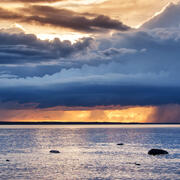
      The water cycle describes where water is on Earth and how it moves. Human water use, land use, and climate change all impact the water cycle. By understanding these impacts, we can work toward using water sustainably.
      Water cycle

      Water cycle

      The water cycle describes where water is on Earth and how it moves. Human water use, land use, and climate change all impact the water cycle. By understanding these impacts, we can work toward using water sustainably.
      Learn More
    • Properties of water Properties of water

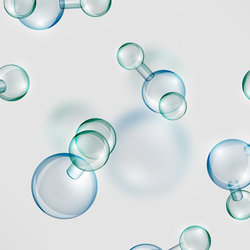
      Looking at water, you might think that it's the simplest thing around. Pure water is practically colorless, odorless, and tasteless. But it's not at all simple and plain and it is vital for all life on Earth. Where there is water there is life, and where water is scarce, life has to struggle or just "throw in the towel." Continue on to learn about dozens of water properties.
      Properties of water

      Properties of water

      Looking at water, you might think that it's the simplest thing around. Pure water is practically colorless, odorless, and tasteless. But it's not at all simple and plain and it is vital for all life on Earth. Where there is water there is life, and where water is scarce, life has to struggle or just "throw in the towel." Continue on to learn about dozens of water properties.
      Learn More
    • Water quality Water quality

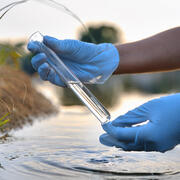
      What is in that water that you just drank? Is it just hydrogen and oxygen atoms? Is it safe for drinking? All water is of a certain "quality" (and you can't tell by just looking), but what does "water quality" really mean?
      Water quality

      Water quality

      What is in that water that you just drank? Is it just hydrogen and oxygen atoms? Is it safe for drinking? All water is of a certain "quality" (and you can't tell by just looking), but what does "water quality" really mean?
      Learn More
    • Surface water Surface water

      The world's surface-water resources—the water in rivers, lakes, and ice and snow—are vitally important to the everyday life of not only people, but to all life on, in, and above the Earth. And, of course, surface water is an intricate part of the water cycle, on which all life depends.
      Surface water

      Surface water

      The world's surface-water resources—the water in rivers, lakes, and ice and snow—are vitally important to the everyday life of not only people, but to all life on, in, and above the Earth. And, of course, surface water is an intricate part of the water cycle, on which all life depends.
      Learn More
    • Groundwater Groundwater

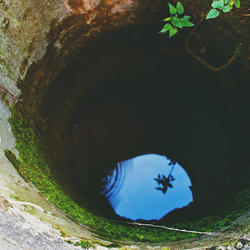
      Groundwater is one of our most valuable resources—even though you probably never see it or realize it is there. There is water somewhere beneath your feet no matter where on Earth you live.
      Groundwater

      Groundwater

      Groundwater is one of our most valuable resources—even though you probably never see it or realize it is there. There is water somewhere beneath your feet no matter where on Earth you live.
      Learn More
    • Water use Water use

      Water is everywhere, which is fortunate for all of humanity, as water is essential for life. Even though water is not always available in the needed quantity and quality for all people everywhere, people have learned to get and use water for all of their needs, from drinking, cleaning, irrigating crops, producing electricity, and for just having fun.
      Water use

      Water use

      Water is everywhere, which is fortunate for all of humanity, as water is essential for life. Even though water is not always available in the needed quantity and quality for all people everywhere, people have learned to get and use water for all of their needs, from drinking, cleaning, irrigating crops, producing electricity, and for just having fun.
      Learn More
Was this page helpful?