Hydrologic technician collects a water-quality sample from Adair creek
Hydrologic technician collects a water-quality sample from Adair creekUSGS hydrologic technician, Jessica Todd, collects a water-quality sample from Adair Creek.


Official websites use .gov
A .gov website belongs to an official government organization in the United States.

Secure .gov websites use HTTPS
A lock () or https:// means you’ve safely connected to the .gov website. Share sensitive information only on official, secure websites.

Welcome to the place of photos and webcams from the Central Midwest Water Science center.
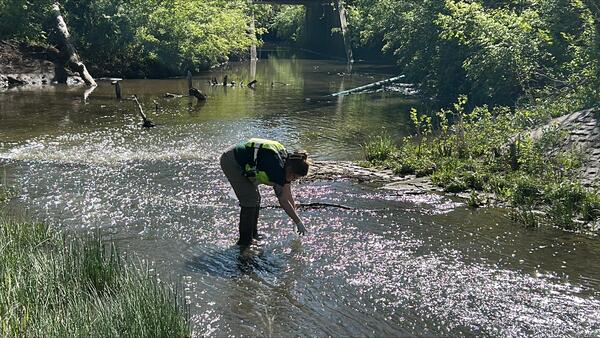
USGS hydrologic technician, Jessica Todd, collects a water-quality sample from Adair Creek.
USGS hydrologic technician, Jessica Todd, collects a water-quality sample from Adair Creek.
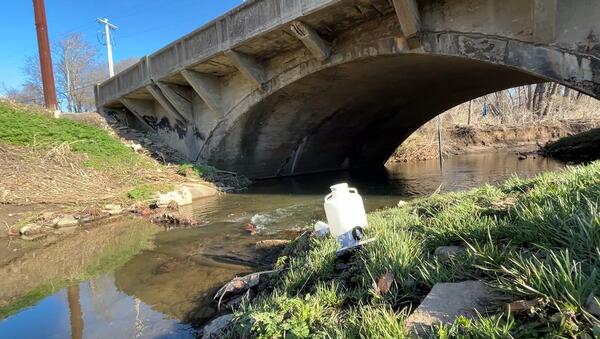
Rock Creek at E Wilson Road in Independence, MO (06893619)
Rock Creek at E Wilson Road in Independence, MO (06893619)
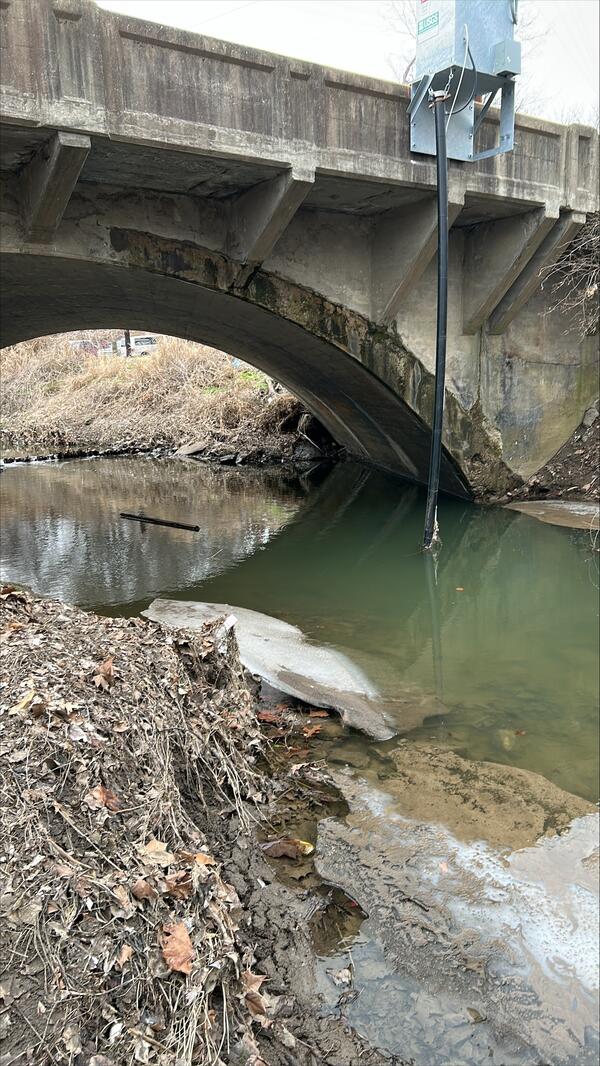
Real-time water-quality monitor deployment at the Rock Creek streamgage location.
https://waterdata.usgs.gov/monitoring-location/USGS-06893620/
Real-time water-quality monitor deployment at the Rock Creek streamgage location.
https://waterdata.usgs.gov/monitoring-location/USGS-06893620/
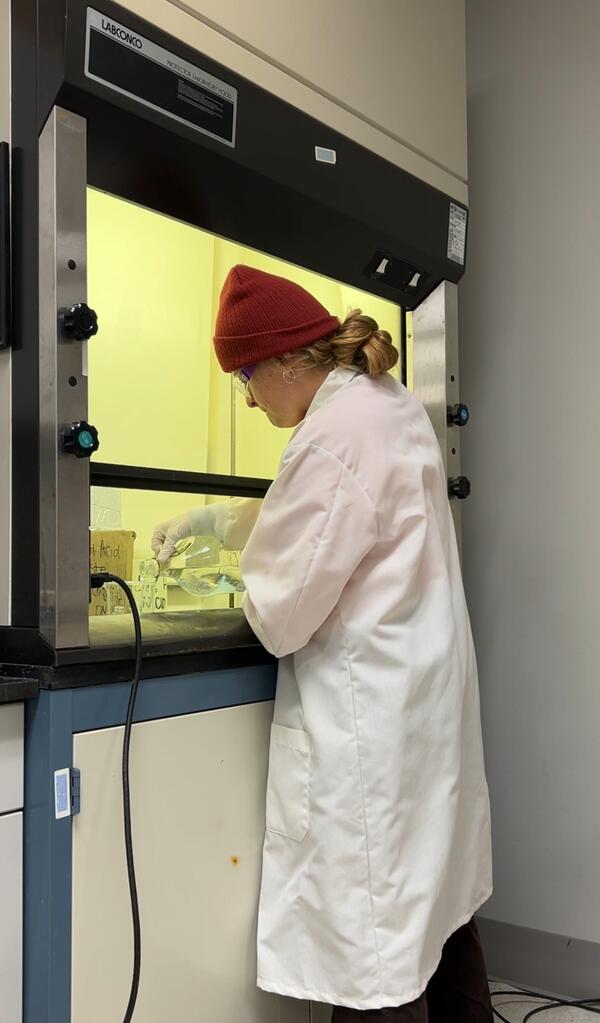
Hydrologic Technician Jessica Todd working in the water-quality laboratory.
Hydrologic Technician Jessica Todd working in the water-quality laboratory.
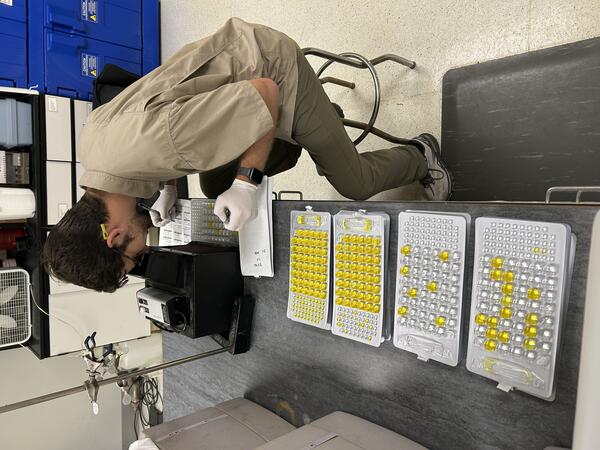
USGS physical scientist, Andrew Williams, completes bacteria sample counts as part of sample processing and analysis.
USGS physical scientist, Andrew Williams, completes bacteria sample counts as part of sample processing and analysis.
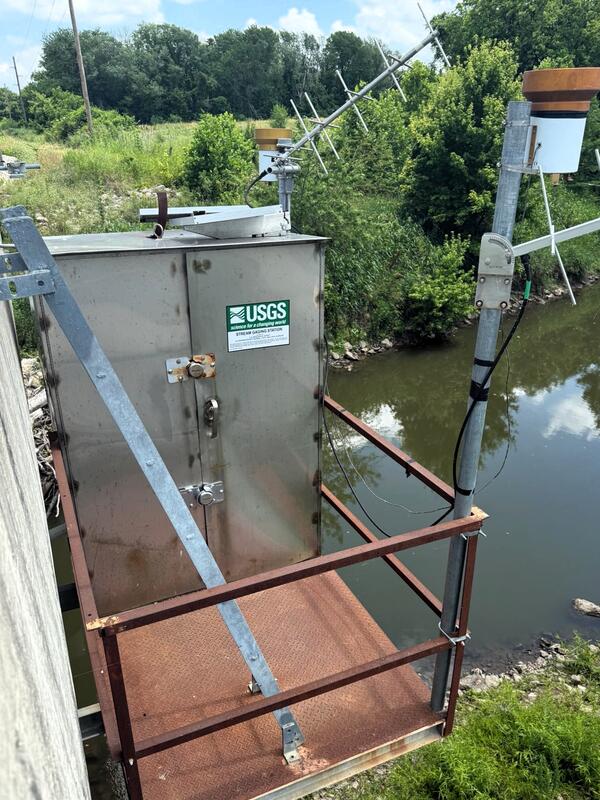
Gagehouse and view of the Little Blue River near Lake City, MIssouri streamgage.
https://waterdata.usgs.gov/monitoring-location/USGS-06894000/
Gagehouse and view of the Little Blue River near Lake City, MIssouri streamgage.
https://waterdata.usgs.gov/monitoring-location/USGS-06894000/

The USGS is bringing expertise in the use of airborne electromagnetic (AEM) surveys to support groundwater studies. Like medical imaging allows us to non-invasively measure inside the human body, AEM surveys help to investigate Earth's subsurface without the need for expensive drilling.
The USGS is bringing expertise in the use of airborne electromagnetic (AEM) surveys to support groundwater studies. Like medical imaging allows us to non-invasively measure inside the human body, AEM surveys help to investigate Earth's subsurface without the need for expensive drilling.

The USGS is bringing expertise in the use of airborne electromagnetic (AEM) surveys to support groundwater studies. Like medical imaging allows us to non-invasively measure inside the human body, AEM surveys help to investigate Earth's subsurface without the need for expensive drilling.
The USGS is bringing expertise in the use of airborne electromagnetic (AEM) surveys to support groundwater studies. Like medical imaging allows us to non-invasively measure inside the human body, AEM surveys help to investigate Earth's subsurface without the need for expensive drilling.
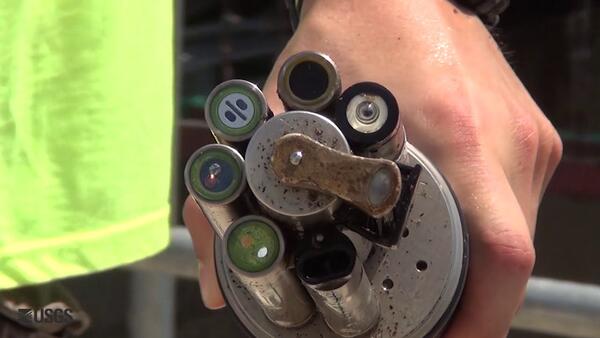
USGS “supergages” are very complex. Continuous concentrations of nutrients and streamflow are measured at supergages and the information is available to the public in real-time.
USGS “supergages” are very complex. Continuous concentrations of nutrients and streamflow are measured at supergages and the information is available to the public in real-time.

This is an introductory video to an adaptive management approach for the invasive plant Phragmites australis in the Great Lakes basin. An adaptive management framework is an iterative process of robust decision making aimed at reducing uncertainty over time, for a variety of stakeholders with differing backgrounds and interests, via system monitoring.
This is an introductory video to an adaptive management approach for the invasive plant Phragmites australis in the Great Lakes basin. An adaptive management framework is an iterative process of robust decision making aimed at reducing uncertainty over time, for a variety of stakeholders with differing backgrounds and interests, via system monitoring.

This is a timelapse video of a dye tracer study at Brandon Road Lock, a U.S. Army Corps of Engineers (USACE) facility in Joliet, IL, on the Des Plaines River on October 20, 2015.
This is a timelapse video of a dye tracer study at Brandon Road Lock, a U.S. Army Corps of Engineers (USACE) facility in Joliet, IL, on the Des Plaines River on October 20, 2015.

This video portrays two areas near the Brandon Road Lock and Dam, a US Army Corps of Engineers facility in Joliet, IL. This video was collected as the lock was emptied through the downstream valves, refilled with water, and then emptied again. This data collection is supporting efforts to combat the spread of invasive Asian carp into the Great Lakes Basin.
This video portrays two areas near the Brandon Road Lock and Dam, a US Army Corps of Engineers facility in Joliet, IL. This video was collected as the lock was emptied through the downstream valves, refilled with water, and then emptied again. This data collection is supporting efforts to combat the spread of invasive Asian carp into the Great Lakes Basin.
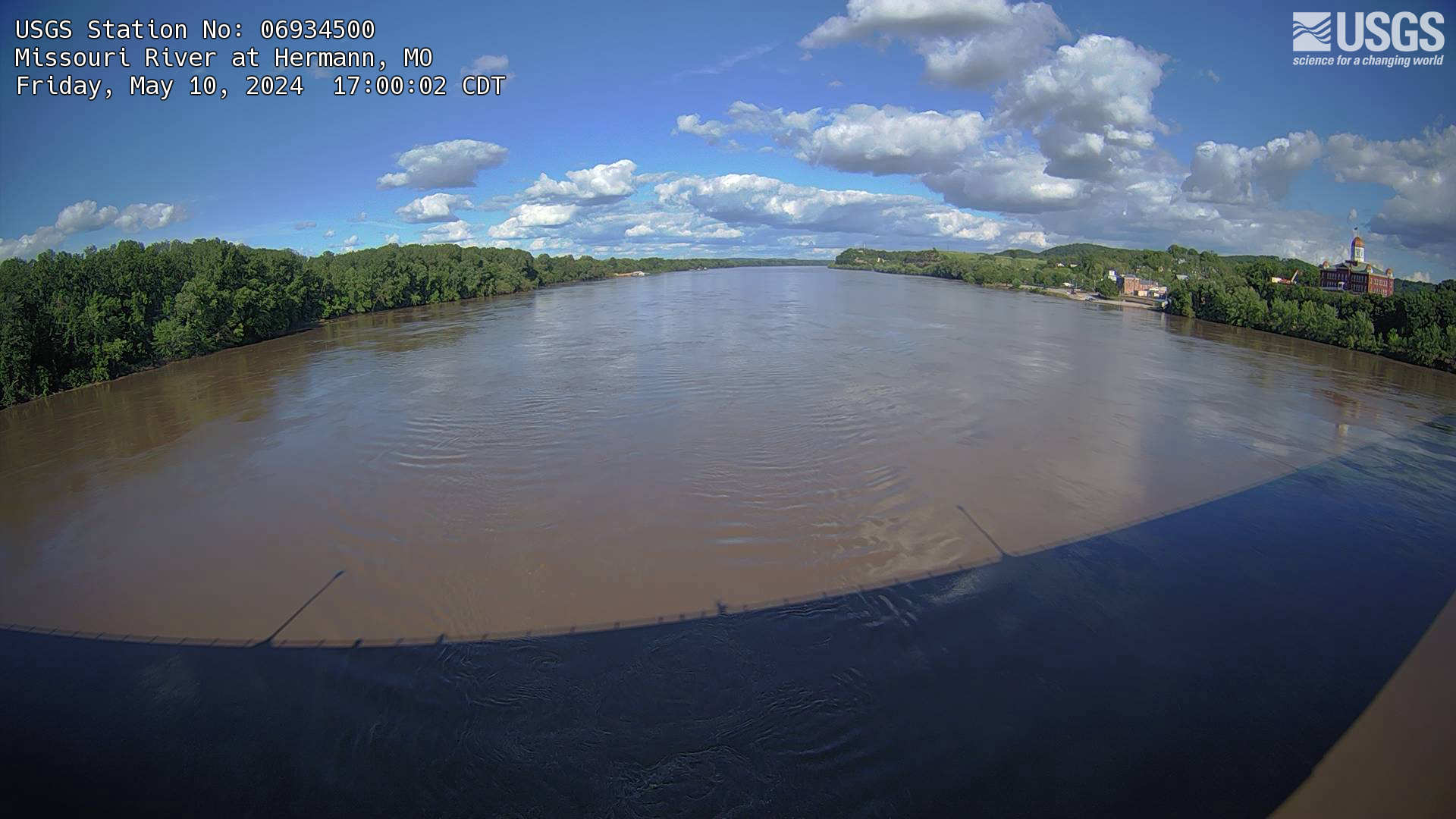
The webcam is located on a gaging station (06934500) on the Missouri River in Hermann, MO. View the current conditions at the gaging station.
The webcam is located on a gaging station (06934500) on the Missouri River in Hermann, MO. View the current conditions at the gaging station.
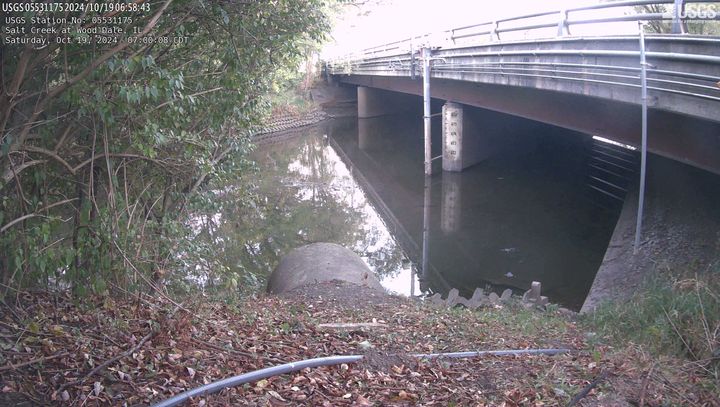
This site is located at Irving Park Road in Wood Dale, Illinois. The time is reported in Central Standard Time and the bridge-pier elevations are referenced to NGVD 1929.
This site is operated in cooperation with the DuPage County, Illinois, Stormwater Management Division
This site is located at Irving Park Road in Wood Dale, Illinois. The time is reported in Central Standard Time and the bridge-pier elevations are referenced to NGVD 1929.
This site is operated in cooperation with the DuPage County, Illinois, Stormwater Management Division