



Biological Threats and Invasive Species
Biological Threats and Invasive Species
FORT scientists provide research and technical assistance relating to management concerns for invasive species, including understanding how these species are introduced, identifying areas vulnerable to invasion, forecasting invasions, and developing control methods.
Invasive species research in support of the Department of the Interior
Invasive species research in support of the Department of the Interior
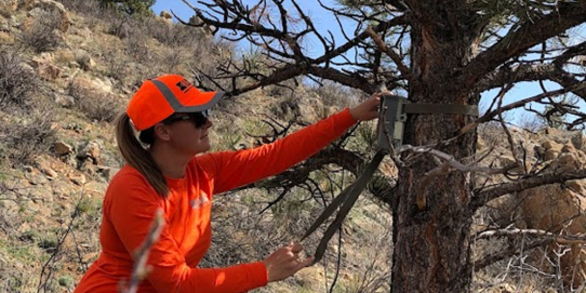
FORT invasive species researchers provide sound, reliable science to support the Department of the Interior in its goals of ensuring public safety, protecting America’s lands and waters, and aiding economic growth.
Filter Total Items: 51

Developing Ecological Forecasting Models for Invasive Species
Forecasts of where species might be and what impacts they may have are necessary for management of invasive species. Researchers at FORT are using various approaches to provided needed information to resource managers to combat invasive plants, animals, and disease organisms.

Giant Constrictor Snakes in Florida: A Sizeable Research Challenge
Since the mid-1990s, several species of non-native, giant constrictor snakes, such as Burmese pythons and boa constrictors, have surfaced in localities throughout southern Florida. Several are known or suspected to be breeding and appear to be spreading northward. Increasingly, media and other reports of sightings or encounters with these animals have emphasized the dangers they could impose on...

Surveillance for the Presence of White-Nose Syndrome in the Bat Community at El Malpais National Monument, New Mexico
In 1999 and 2000, FORT conducted a survey of bats at El Malpais National Monument and adjacent lands. During this study, several species of bats were documented, including some that are known to use caves or lava-tube formations as roosts. In the winter of 2006–2007, the fungus-caused disease known as “white-nose syndrome” (WNS) began devastating populations of hibernating bat species that use...