A scientist hikes up to a glacier in Glacier National Park.
A scientist hikes up to a glacier in Glacier National Park.A scientist hikes up to a glacier in Glacier National Park.


Official websites use .gov
A .gov website belongs to an official government organization in the United States.

Secure .gov websites use HTTPS
A lock () or https:// means you’ve safely connected to the .gov website. Share sensitive information only on official, secure websites.


A scientist hikes up to a glacier in Glacier National Park.
A scientist hikes up to a glacier in Glacier National Park.

Filtering water for eDNA sample collection in Yellowstone National Park between Lewis and Shoshone Lakes.
Filtering water for eDNA sample collection in Yellowstone National Park between Lewis and Shoshone Lakes.

Collecting macroinvertebrates in Glacier National Park.
Collecting macroinvertebrates in Glacier National Park.
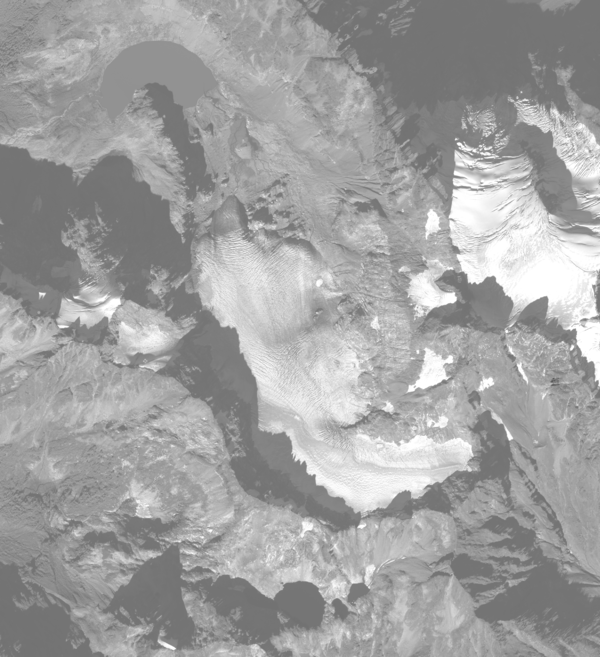
Aerial photograph of South Cascade Glacier, WA taken October 14th, 2015.
Aerial photograph of South Cascade Glacier, WA taken October 14th, 2015.

Dan Fagre on Sperry Glacier Sperry Glacier, 08/23/15, in Glacier National Park.
Dan Fagre on Sperry Glacier Sperry Glacier, 08/23/15, in Glacier National Park.

A researcher on Sperry Glacier navigates to the next mass balance survey location.
A researcher on Sperry Glacier navigates to the next mass balance survey location.

A scientist is working to collect alpine insects by picking through moss below tiny, cold, alpine streams. This spot was below a small seep on a slope above a tributary to the Dry Fork, North of the Two Medicine area in Glacier National Park.
A scientist is working to collect alpine insects by picking through moss below tiny, cold, alpine streams. This spot was below a small seep on a slope above a tributary to the Dry Fork, North of the Two Medicine area in Glacier National Park.

This is an image taken in 2015 of Sperry Glacier in Glacier National Park. Accoriding to data released by the USGS, the warming climate has dramatically reduced the size of 39 glaciers in Montana since 1966, some by as much as 85 percent.
This is an image taken in 2015 of Sperry Glacier in Glacier National Park. Accoriding to data released by the USGS, the warming climate has dramatically reduced the size of 39 glaciers in Montana since 1966, some by as much as 85 percent.

Ripe huckleberries

laboratory technician waiting for PCR analysis to be completed on an eDNA sample
laboratory technician waiting for PCR analysis to be completed on an eDNA sample

Capturing juvenile bull trout by electroshocking Logging Creek and then transporting them in a backpack up the trail to Grace Lake.
Capturing juvenile bull trout by electroshocking Logging Creek and then transporting them in a backpack up the trail to Grace Lake.


Thrush feeding babies.

Seining a heavily bullfrog populated side channel at Two Moon County Park in Billings, MT.
Seining a heavily bullfrog populated side channel at Two Moon County Park in Billings, MT.

Sampling for aquatic invasive species in the Greater Yellowstone Area.
Sampling for aquatic invasive species in the Greater Yellowstone Area.

Red spotted toad.

Sampling for aquatic invasive species in the Greater Yellowstone Area.
Sampling for aquatic invasive species in the Greater Yellowstone Area.

An invasive American bullfrog with tracking device.
An invasive American bullfrog with tracking device.

Head shot of the Meltwater Stonefly.

NEXRAD (NEXt generation RADar) is also known as Weather Surveillance Radar, 1988 Doppler (WSR-88D). Pictured is the tower that houses the antennae inside the radome (white sphere).
NEXRAD (NEXt generation RADar) is also known as Weather Surveillance Radar, 1988 Doppler (WSR-88D). Pictured is the tower that houses the antennae inside the radome (white sphere).

Logging Lake, Glacier National Park.