



FORT Updates: From Plains to Peaks - Vol. 4 | Issue 3
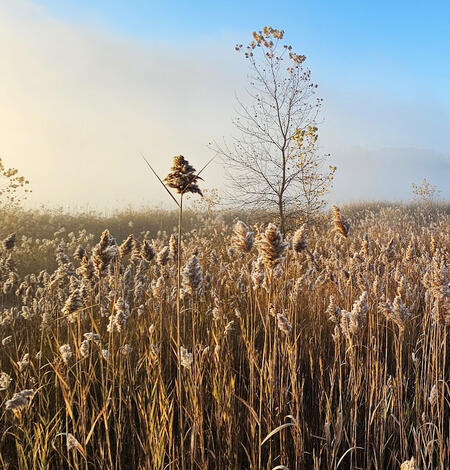
FORT Science in Action 2026, Part 1: Integrating aquatic invasive species data into a national invasive species management tool
Natural resource agencies invest significant time and money in the fight against aquatic nuisance species that damage waterways. In 2026, FORT researchers developed habitat suitability estimates of 103 freshwater invasive species, to assist natural resource managers in maintaining clean, quality water across the U.S.

FORT Science in Action 2026, Part 2: New research advances methods for removal of invasive brown treesnakes in the Pacific
Invasive brown treesnakes are the cause of significant ecological and economic damage on the island of Guam, including the local extinction or decline of 17 of Guam’s 18 native bird species, and numerous power outages across the island. Recent studies out of FORT advance early detection and rapid response to this invasive species, to aid managers in preventing further spread and destruction.

FORT Science in Action 2026, Part 3: Science informing the management of invasive reptiles in the Everglades
Invasive reptiles in the Greater Everglades, like the Burmese python and Argentine black and white tegu, are threatening ecosystems and pose a major challenge to long-term, costly restoration work in the region. USGS is leading science to improve understanding of these species and how to effectively management them.
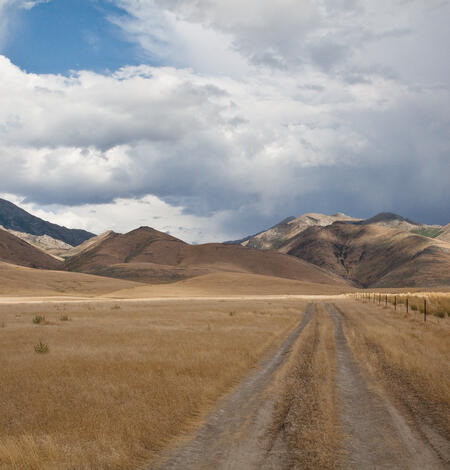
FORT Science in Action 2026, Part 4: Science for effective management of invasive fine fuels across the West
Invasive fine fuels like cheatgrass are spreading across western landscapes, destroying ecosystems and increasing wildfire risks. FORT scientists evaluate habitat management practices to inform effective management and restoration of regions prone to invasion.
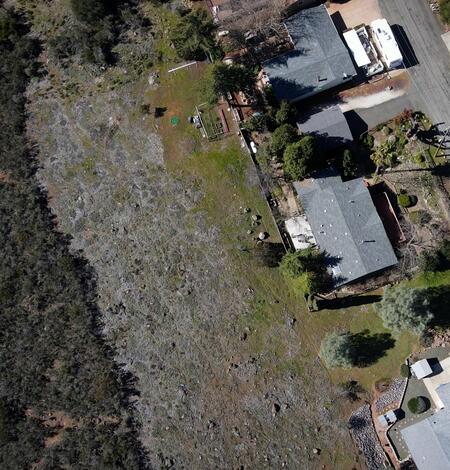
FORT Science in Action 2026, Part 5: Helping communities adapt to wildfire
The Wildfire Research (WiRē) Team works in close collaboration with partners to collect data and develop community-focused programs for reducing wildfire risk. This year, they replicated a study evaluating agreement between trained assessors’ and homeowners’ wildfire risk perceptions, and they published five new installments of their Living with Wildfire series.
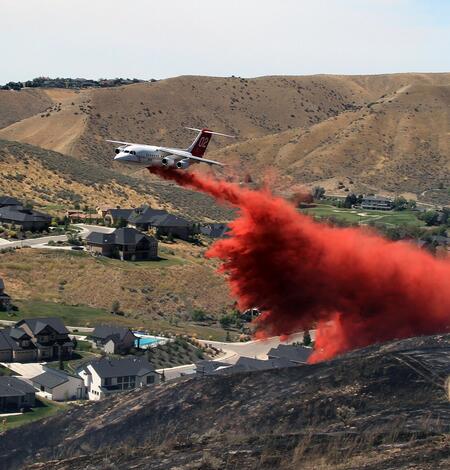
FORT Science in Action 2026, Part 6: Economics and social science to support wildfire risk management
Wildfires are increasing in frequency and intensity across the Western United States, posing significant risk to public safety and security. FORT scientists aid decision makers in determining which wildfire risk assessment and reduction actions are most needed and valued by the public.
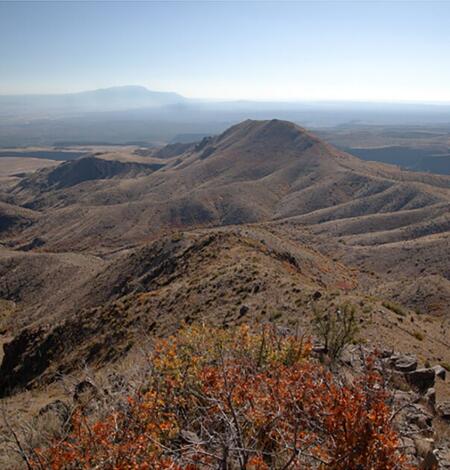
FORT Science in Action 2026, Part 7: Using fire history to inform fire management and future wildfire projections in the Western U.S.
It’s no secret that today’s wildfires are severe. But are current fire patterns novel or the norm? Partnering with experts across the West, USGS Fort Collins Science Center scientists discovered where megafires are truly unprecedented and proposed the best management strategies for fuel-choked dry conifer forests.
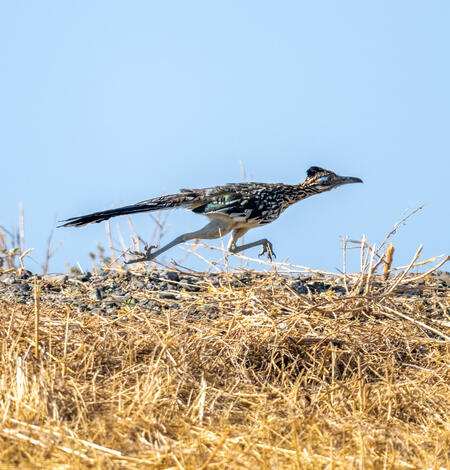
FORT Science in Action 2026, Part 8: Rapid response science summary products to support natural resource managers
Natural resource managers often look to summary and synthesis products to find the science they need for decision making. However, decision timelines are often short, so there is a need to produce such products quickly. In 2026, a FORT team developed a process and software, KWICer, to meet that need.
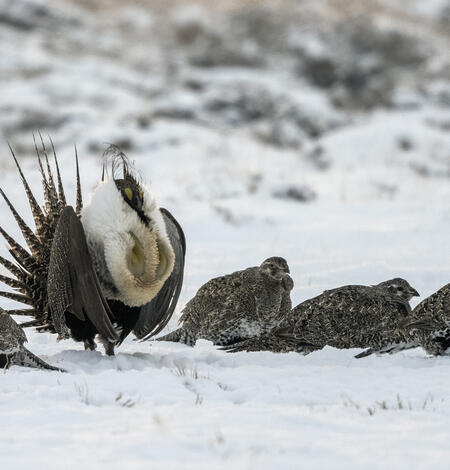
FORT Science in Action 2026, Part 9: Supporting greater sage-grouse monitoring for state and federal agencies across the West
USGS researchers are improving the understanding of greater sage-grouse population declines across the American West. This year, long-term monitoring coupled with directed studies revealed that habitat fragmentation and drought contribute to sage-grouse declines. In addition, researchers published updates to a widely used monitoring tool that assists managers in prioritizing conservation efforts.
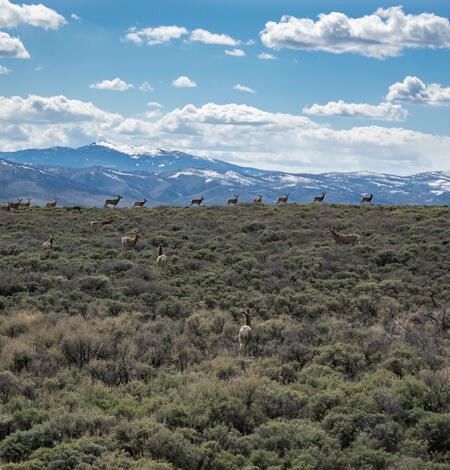
FORT Science in Action 2026, Part 10: Understanding the spread of Chronic Wasting Disease (CWD) and improving support for the management community
Chronic Wasting Disease (CWD), a fatal neurodegenerative disease of deer, elk, and moose, is affecting cervid populations across the country. New USGS science is helping understand not just how CWD spreads, but how best to empower managers dealing with the impacts of the disease on wildlife populations and local communities.
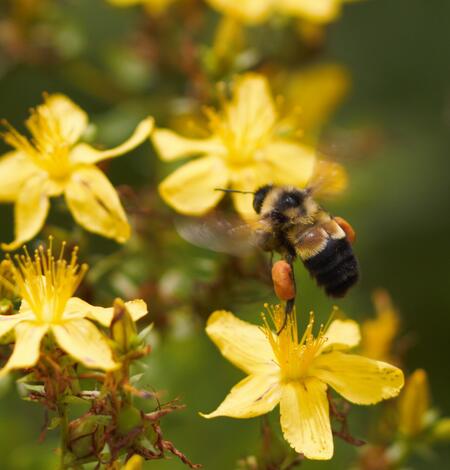
FORT Science in Action 2026, Part 11: Science for improved pollinator monitoring and habitat management
Pollinators like the endangered rusty patched bumble bee provide critical ecosystem services and ensure food security through their essential role in crop production. FORT researchers are contributing to science on native bee monitoring and diet to assist wildlife and habitat managers in maintaining healthy pollinator populations.
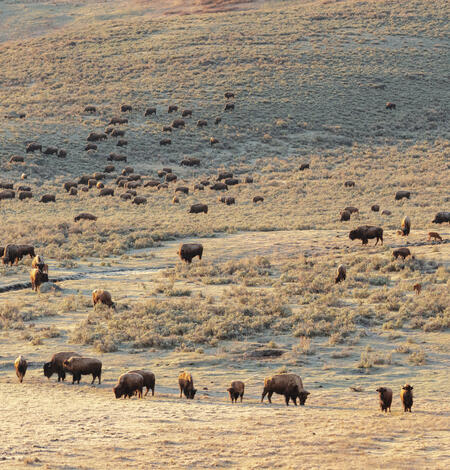
FORT Science in Action 2026, Part 12: Genetic assessment and simulation inform management considerations for the American bison
Just over a century ago, one of America’s most majestic species — the American bison — was nearly extinct. Thankfully, conservation efforts are helping herds recover from decades of population decline. Now, FORT scientists are studying the genetics of bison herds to help wildlife managers plan and evaluate the potential impacts of herd management actions.
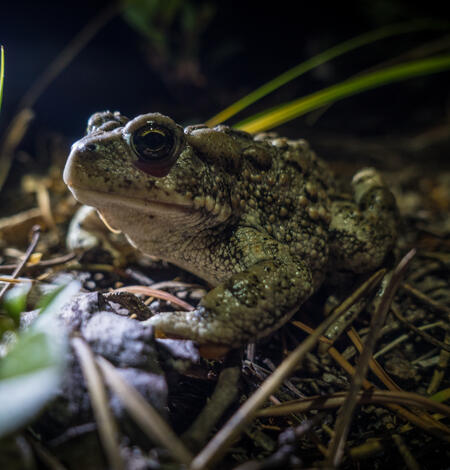
FORT Science in Action 2026, Part 13: Science and tools supporting amphibian management and conservation across the nation
This year, several USGS studies investigated the effects of drought, disease, and invasive species on frogs, toads, and newts across the country, from California to Wisconsin. Resulting science and tools provide strong support for conservation and habitat management of sensitive amphibian species across the country.
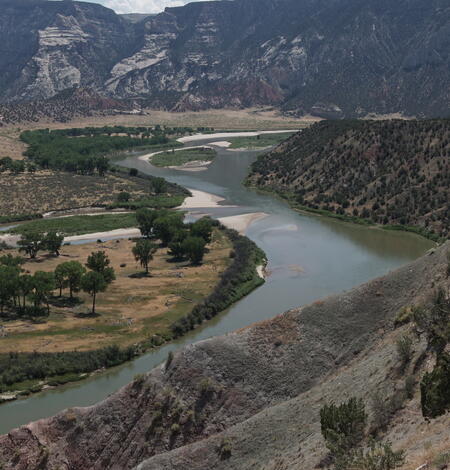
FORT Science in Action 2026, Part 14: Using aerial imagery to monitor changing rivers and manage invasive species
Staff across DOI use uncrewed aircraft systems (UASs) for a variety of purposes, from monitoring natural hazards to measuring environmental change. FORT scientists have years of experience using UAS to examine how rivers and riparian habitat change over time, and they are training researchers across DOI on how to use UAS for conventional and novel purposes, like tracking invasive pythons.
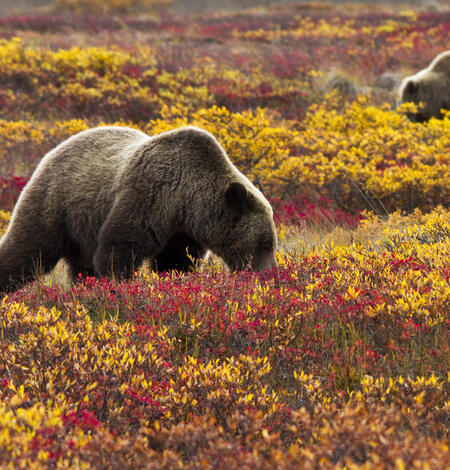
FORT Science in Action 2026, Part 15: Stable isotope analyses for improved understanding of wildlife-environment interactions
This past year, USGS scientists leveraged stable isotopes to provide novel insights on wildlife-ecosystem interactions: grizzly bear diets in Alaska and mercury contamination of fish communities in the Upper Colorado River Basin. Isotopic analyses were conducted at the USGS Geology, Geophysics, and Geochemistry Stable Isotope Laboratory which specializes in chemical and isotopic tracers.
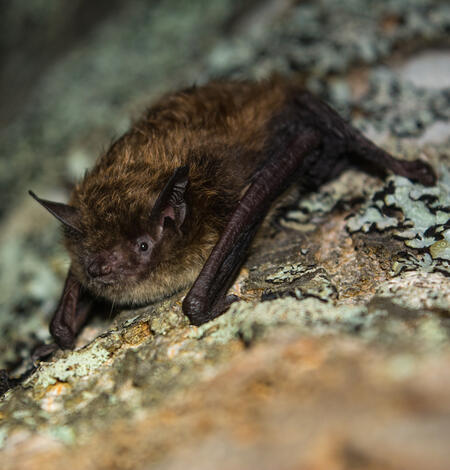
FORT Science in Action 2026, Part 16: Advances in science and monitoring tools for management of bats across the continent
This year marked another twelve months of progress for the North American Bat Monitoring Program (NABat). FORT researchers made discoveries about the effects of forest management and development on bats, documented what makes roost sites attractive to bats, and developed new models for bat population dynamics.
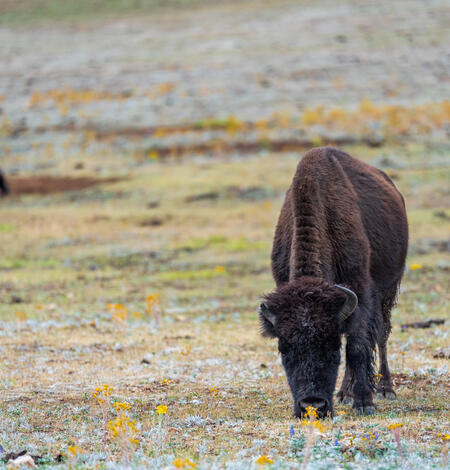
FORT Science in Action 2026, Part 17: Large mammal science for management of public lands
FORT researchers investigate the foraging ecology and habitat suitability of species like bison and mule deer, to assist management partners in 1) understanding how large mammals are shaping ecosystems on public lands, and 2) maintaining quality habitat for large mammals in the face of escalating drought and fire severity in the West.
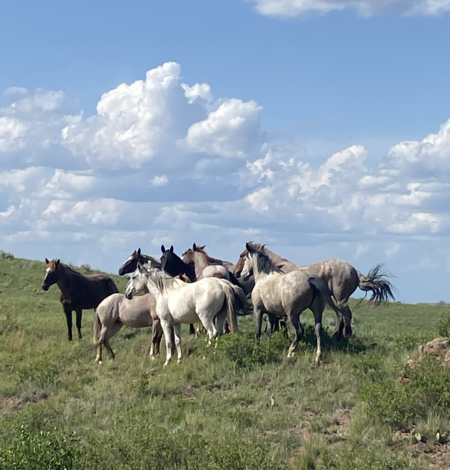
FORT Science in Action 2026, Part 18: Ecological research supporting wild horse and burro management
The wild horses and burros of the American West are a complicated management issue. Populations can grow quickly, straining ecosystems, and posing challenges for management. FORT scientists are studying wild horse and burro habitat use, demography, interactions with native wildlife, and mountain lion predation on horses, providing science to inform herd management strategies.
Subscribe to our newsletter to get all the FORT Science Updates
Learn More
Find our science and connect with our researchers.
Publications
FORT scientists have produced more than 2000 peer reviewed publications that are registered in the USGS Publications Warehouse, along with many others prior to their work at the USGS or in conjunction with other government agencies.

News
There is always something news worthy happening at the Fort Collins Science Center. Read below to learn more about our latest research, new advances in our fields of study, and topics that affect all of our lives.

Connect
The majority of our staff call Fort Collins, Colorado their home, but work all over the United States. FORT research and support staff work from one of four duty stations: in Colorado, at the Fort Collins Science Center or Denver Federal Center; in New Mexico, at the New Mexico Landscapes Field Station; or in Florida, at the USGS Everglades Research Offices.