



Battling Invaders: Invasive Species Detection with eDNA
Early detection equals stronger protection. DNA in the environment is the front line against invasive species.
Invasive species are among the greatest threats to ecosystems, economies, and biodiversity, but they are notoriously difficult to detect at early stages of invasion when management actions are most effective. Traditional surveys often miss rare, secretive, or hard-to-capture species, allowing populations to spread unnoticed until damage is severe. Environmental DNA (eDNA) offers a powerful solution by detecting genetic traces that organisms shed into water, soil, or air. For invasive species, eDNA can provide early warnings long before visual sightings or captures occur, giving managers a critical window to act. By integrating eDNA into invasive species monitoring, USGS and its partners are transforming detection into a proactive tool for conservation and biosecurity, helping managers track the spread of invaders, guide rapid response, and protect vulnerable ecosystems.
Invasive Reptiles-Uncovering Pythons: How USGS Uses eDNA to Protect the Everglades
Burmese pythons are large, nonnative constrictor snakes that have become established in south Florida, where they prey on mammals, birds, and reptiles and have caused steep declines in native wildlife. Because these snakes are secretive and difficult to find, USGS scientists use environmental DNA (eDNA) to detect their presence by analyzing water samples for the genetic material they leave behind. This method has proven far more effective than visual surveys in the challenging habitats of the Greater Everglades, including the Arthur R. Marshall Loxahatchee National Wildlife Refuge. By providing earlier and more reliable detection, eDNA allows managers to better track python spread, target control efforts, and protect vulnerable native species.

Protecting Rivers and Lakes: USGS eDNA Surveillance for Invasive Carp
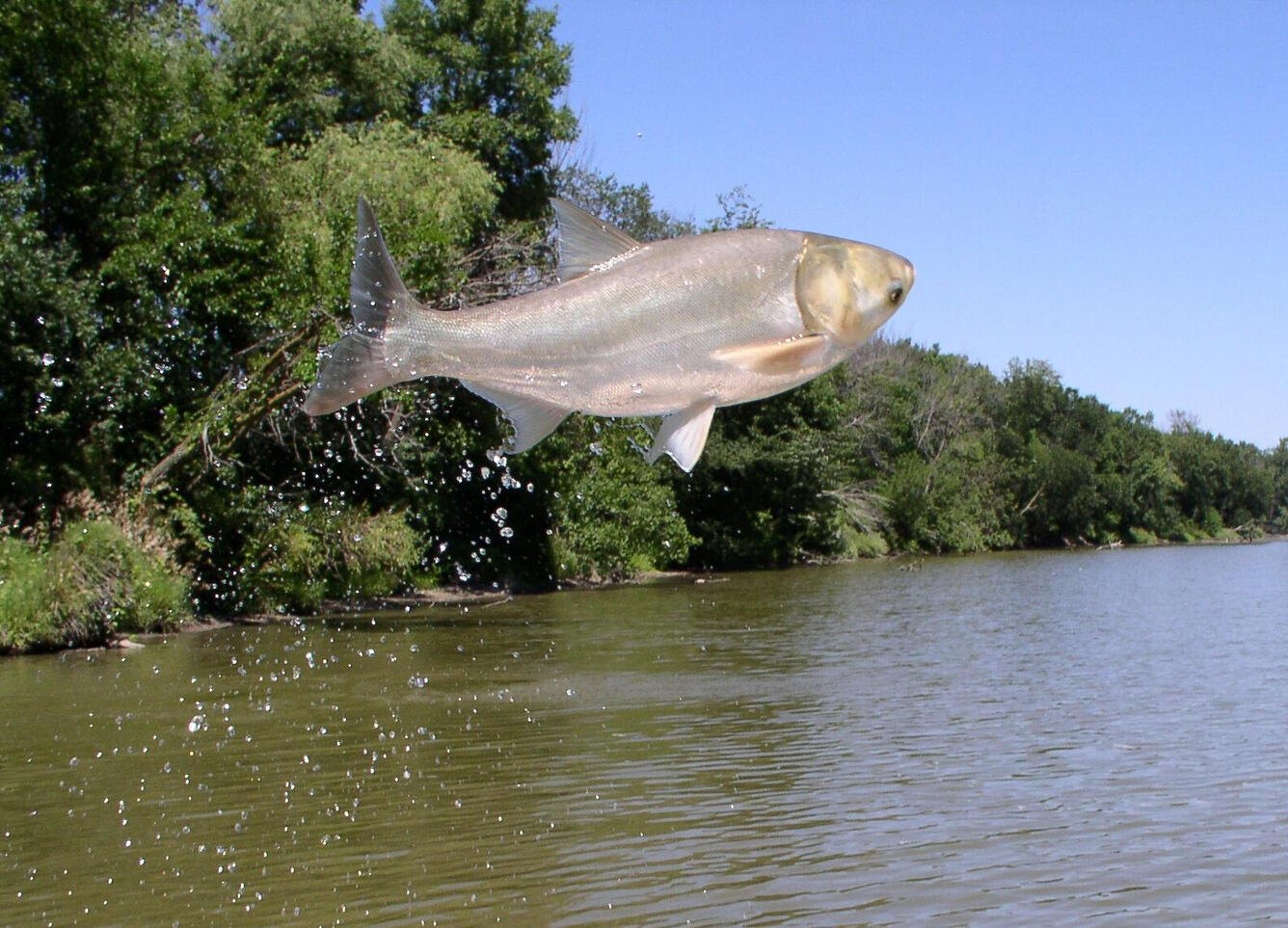
In the Upper Mississippi River and Great Lakes basins, USGS scientists use environmental DNA (eDNA) as an early-warning system to track invasive carp such as bighead and silver carp. These fish can outcompete native species and disrupt entire aquatic food webs if they spread unchecked. By testing water samples for tiny traces of carp DNA, USGS can detect their presence at very low levels—often before the fish are ever seen or caught. This early detection has been critical for large-scale monitoring and rapid response programs carried out with state and federal partners. USGS has developed highly sensitive assays, validated portable eDNA kits, and created rapid extraction methods that allow managers to test samples quickly, sometimes right in the field. The information gathered has guided the design and placement of electric barriers and other control structures, helped agencies target control efforts more effectively, and informed national policy on invasive carp management. Together, these tools give managers the ability to act sooner, protect native fish, and safeguard the health of rivers and lakes.
Tracking Invasive Zebra and Quagga Mussels with eDNA
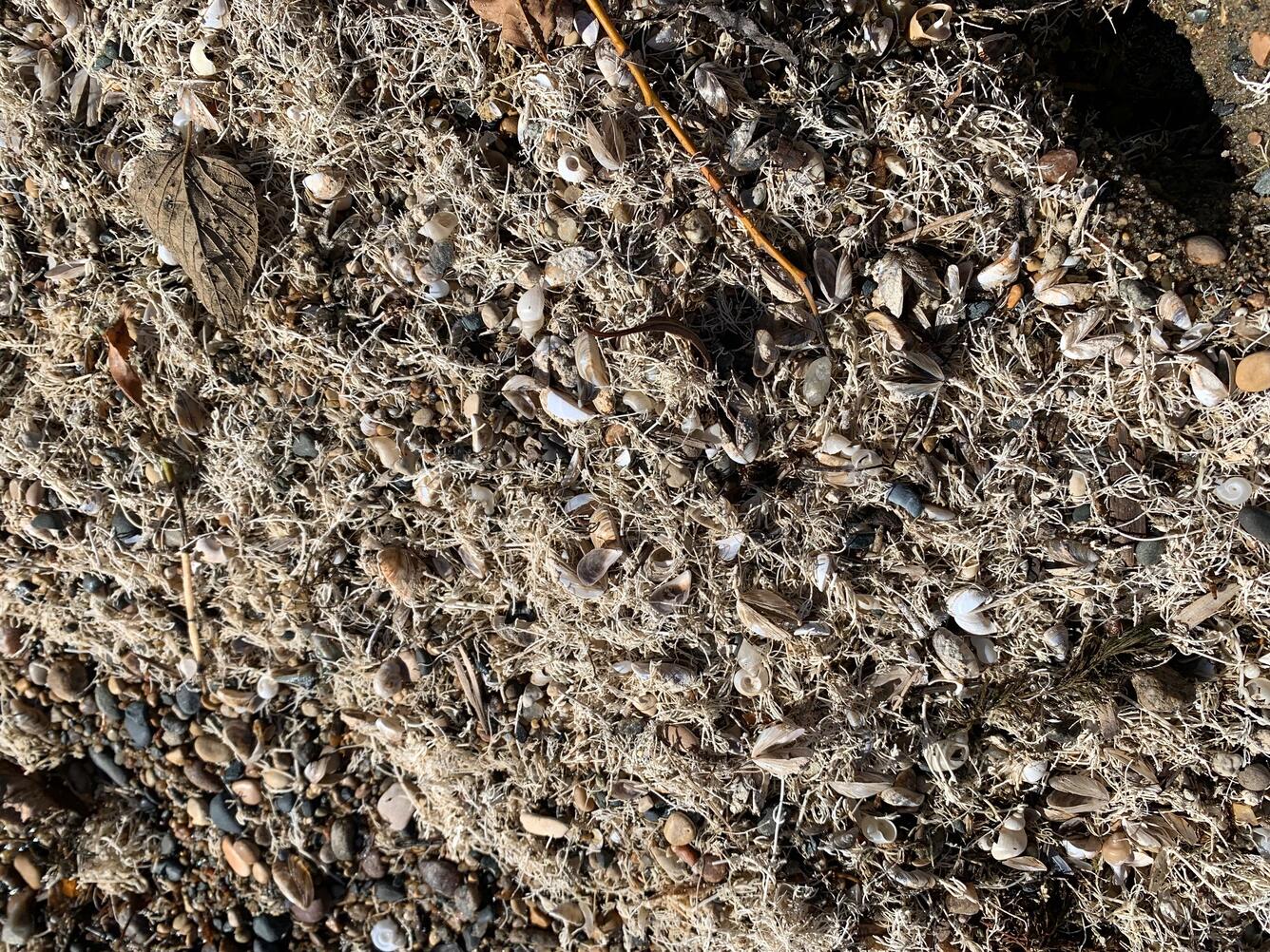
USGS scientists are using environmental DNA (eDNA) as an early-warning system to track invasive zebra and quagga mussels, which clog pipes, damage infrastructure, and outcompete native mussels. By filtering huge amounts of plankton, these invaders also disrupt food webs, reduce food for fish, and even change water clarity in ways that fuel harmful algal blooms. USGS has developed sensitive eDNA assays that can detect mussel DNA in water at very low levels—often before traditional surveys would find them—and has applied structured decision-making to link detections directly to management actions. To speed up monitoring, USGS is deploying robotic eDNA samplers at streamgages and on underwater vehicles in the Great Lakes, transforming existing monitoring networks into near real-time biosurveillance systems. Detecting these mussels early gives managers a critical window to act before ecological and economic damage spreads.
Detection of other High-Risk Invasive Species
Additional USGS efforts are expanding eDNA surveillance for species such as nonnative bullseye snakehead, bullfrog, invasive apple snails, lionfish in coastal zones, and New Zealand mudsnails in western streams, all of which threaten native biodiversity and ecosystem services if left unchecked.

Breathing Science: Airborne eDNA Frontiers
USGS is pioneering airborne eDNA approaches—collecting genetic material from the air to detect potential biological threats:
- In a proof-of-concept study, airborne eDNA samplers were deployed in shipping containers to detect invasive organisms such as insects and mosquitoes before they could establish in new environments. Results demonstrated the feasibility of detecting multiple species at once using metabarcoding techniques.
- The Rapid ʻŌhiʻa Death (ROD) Project in Hawaiʻi has adapted airborne eDNA monitoring to detect Ceratocystis fungi associated with the spread of Rapid ʻŌhiʻa Death, that cause a lethal tree disease killing native ʻōhiʻa forests. Detecting the fungus in the air allows earlier warnings, giving managers a better chance to protect these trees, which are both culturally sacred and ecologically critical.
eDNA to Inform Invasive Mosquito Distribution
Airborne eDNA Sampling for Detecting Rapid ʻŌhiʻa Death Pathogens
Early detection equals stronger protection. DNA in the environment is the front line against invasive species.
Invasive species are among the greatest threats to ecosystems, economies, and biodiversity, but they are notoriously difficult to detect at early stages of invasion when management actions are most effective. Traditional surveys often miss rare, secretive, or hard-to-capture species, allowing populations to spread unnoticed until damage is severe. Environmental DNA (eDNA) offers a powerful solution by detecting genetic traces that organisms shed into water, soil, or air. For invasive species, eDNA can provide early warnings long before visual sightings or captures occur, giving managers a critical window to act. By integrating eDNA into invasive species monitoring, USGS and its partners are transforming detection into a proactive tool for conservation and biosecurity, helping managers track the spread of invaders, guide rapid response, and protect vulnerable ecosystems.
Invasive Reptiles-Uncovering Pythons: How USGS Uses eDNA to Protect the Everglades
Burmese pythons are large, nonnative constrictor snakes that have become established in south Florida, where they prey on mammals, birds, and reptiles and have caused steep declines in native wildlife. Because these snakes are secretive and difficult to find, USGS scientists use environmental DNA (eDNA) to detect their presence by analyzing water samples for the genetic material they leave behind. This method has proven far more effective than visual surveys in the challenging habitats of the Greater Everglades, including the Arthur R. Marshall Loxahatchee National Wildlife Refuge. By providing earlier and more reliable detection, eDNA allows managers to better track python spread, target control efforts, and protect vulnerable native species.
Protecting Rivers and Lakes: USGS eDNA Surveillance for Invasive Carp
In the Upper Mississippi River and Great Lakes basins, USGS scientists use environmental DNA (eDNA) as an early-warning system to track invasive carp such as bighead and silver carp. These fish can outcompete native species and disrupt entire aquatic food webs if they spread unchecked. By testing water samples for tiny traces of carp DNA, USGS can detect their presence at very low levels—often before the fish are ever seen or caught. This early detection has been critical for large-scale monitoring and rapid response programs carried out with state and federal partners. USGS has developed highly sensitive assays, validated portable eDNA kits, and created rapid extraction methods that allow managers to test samples quickly, sometimes right in the field. The information gathered has guided the design and placement of electric barriers and other control structures, helped agencies target control efforts more effectively, and informed national policy on invasive carp management. Together, these tools give managers the ability to act sooner, protect native fish, and safeguard the health of rivers and lakes.
Tracking Invasive Zebra and Quagga Mussels with eDNA
USGS scientists are using environmental DNA (eDNA) as an early-warning system to track invasive zebra and quagga mussels, which clog pipes, damage infrastructure, and outcompete native mussels. By filtering huge amounts of plankton, these invaders also disrupt food webs, reduce food for fish, and even change water clarity in ways that fuel harmful algal blooms. USGS has developed sensitive eDNA assays that can detect mussel DNA in water at very low levels—often before traditional surveys would find them—and has applied structured decision-making to link detections directly to management actions. To speed up monitoring, USGS is deploying robotic eDNA samplers at streamgages and on underwater vehicles in the Great Lakes, transforming existing monitoring networks into near real-time biosurveillance systems. Detecting these mussels early gives managers a critical window to act before ecological and economic damage spreads.
Detection of other High-Risk Invasive Species
Additional USGS efforts are expanding eDNA surveillance for species such as nonnative bullseye snakehead, bullfrog, invasive apple snails, lionfish in coastal zones, and New Zealand mudsnails in western streams, all of which threaten native biodiversity and ecosystem services if left unchecked.
Breathing Science: Airborne eDNA Frontiers
USGS is pioneering airborne eDNA approaches—collecting genetic material from the air to detect potential biological threats:
- In a proof-of-concept study, airborne eDNA samplers were deployed in shipping containers to detect invasive organisms such as insects and mosquitoes before they could establish in new environments. Results demonstrated the feasibility of detecting multiple species at once using metabarcoding techniques.
- The Rapid ʻŌhiʻa Death (ROD) Project in Hawaiʻi has adapted airborne eDNA monitoring to detect Ceratocystis fungi associated with the spread of Rapid ʻŌhiʻa Death, that cause a lethal tree disease killing native ʻōhiʻa forests. Detecting the fungus in the air allows earlier warnings, giving managers a better chance to protect these trees, which are both culturally sacred and ecologically critical.