



Tribes and Tribal Organizations
Tribes and Tribal Organizations
Featured News
North Central CASC Supports Next Generation of Tribal Environmental Leaders
North Central CASC Supports Next Generation of Tribal Environmental Leaders
Featured Project
Future of Fire Phase II: Learning by Doing with Cultural Fire Practitioners
Future of Fire Phase II: Learning by Doing with Cultural Fire Practitioners
The CASCs work with Tribes and Tribal Organizations to better understand their specific vulnerabilities to climate change and to provide support for climate adaptation strategies.
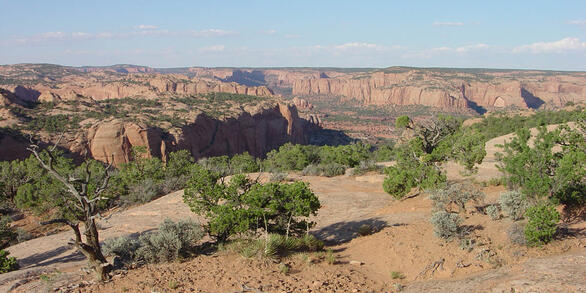
Supporting Tribal Resilience
Supporting Tribal Resilience
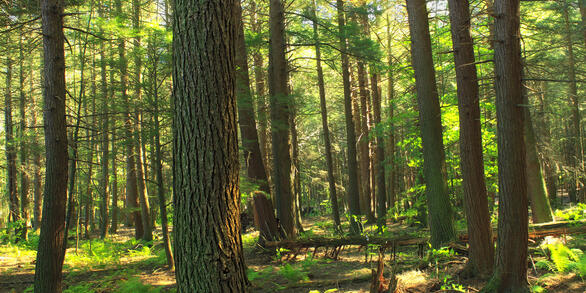
The CASCs support Tribal resilience through collaboration and information sharing with Tribes and Tribal organizations.
Filter Total Items: 126

Future of Fire in the Southwest: Towards a National Synthesis of Wildland Fire Under a Changing Climate
Climate change is altering the patterns and characteristics of fire across natural systems in the United States. Resource managers in the Southwest are faced with making natural resource and fire management decisions now, despite a lack of accessible information about how those decisions will play out as fire regimes, and their associated disturbances, will change across the landscape...

Impacts of Climate Change on Vegetation, Ecohydrology, and Management of Manoomin (Wild Rice) Watersheds
Manoomin, or wild rice, is an essential, sacred species for Native people throughout the Upper Great Lakes region, who have relied on the plant for food and ceremony for hundreds of years. Manoomin is also important to non-Native people, who also harvest it and benefit from the wildlife sustained by it. Manoomin is an indicator of ecosystem health—if manoomin is healthy so is the...

Promoting Climate Resilience and Soil Health in Northern Rockies Grasslands Through Bison and Cattle Grazing Management: Weaving Together Indigenous and Western Science
Native American tribes are interested in managing their homelands for future generations, using both Indigenous and western science to make decisions in culturally appropriate ways. In particular, there is interest in strategic grazing management as a natural climate solution to strengthen the resilience of grasslands to a changing climate. This includes the restoration of free-ranging...

Assessing the Benefits and Vulnerability of Current and Future Potential Ecosystem Services of the Nisqually River Delta and other Puget Sound Estuaries
The Nisqually River Delta represents the largest wetland restoration in the Pacific Northwest. The restoration resulted in a 50% increase in potential salt marsh habitat. The Delta supports threatened salmon fisheries, large populations of migratory birds, and provides unique opportunities for recreation. The Delta also provides multiple ecosystem services, which are the benefits that...

Drivers of Growth, Migration, and Bioaccumulation in Target Fish Species: Implications for a Changing Regional Climate
Overview A changing regional climate in the northeastern US has significant implications for the fundamental bioenergetics of fish species, with implications for their population resilience and their ability to provide critical ecosystem services, with particularly important implications for tribal communities. For example, warming soil and water temperatures may increase the...

Forest Monitoring and Tree Ring Data to Inform Forest Management on the Navajo Nation
Healthy forests in the western United States provide multiple benefits to society, including harvestable timber, soil stabilization, and habitat for wildlife. On the Navajo Nation, over 5 million acres of forest provide wood that heats 50% of homes, building materials, summer forage for livestock, and drinking water. However, warming temperatures and changes in precipitation patterns can...

Promoting Resilience and Adaptive Capacity of Forests and Tribal Communities in Northern California
Within the Yurok Tribe’s territory in northwest California, tribal, public, and private land managers share the overlapping goal of promoting forests that are more resilient to climate-related disturbances through the implementation of forest treatments that are based on traditional tribal knowledge. Managers seek to understand how restoration strategies such as prescribed burning, tree...

Research Symposium: Culturally Significant Plants and Climate Change
The loss or decline of culturally significant plants is a major concern for many tribal managers. Culturally significant plants are essential to many aspects of life for tribal members, including medicine, ceremonial practices, and traditional food dishes. In many parts of the U.S., droughts, floods, and changes in the timing of frost events are stressing these plants and in some cases...

Support for the 2019 Tribal Climate Camp
The 2019 Tribal Climate Camp, hosted by the Confederated Salish and Kootenai Tribes, took place June 16-21, 2019 at the Flathead Lake Biological Station in Polson, Montana. The Tribal Climate Camp was designed to support teams of tribal leaders, climate change coordinators, planners and program managers to build skills, gather information and develop tribal policy needed to address...

Support for the 2019 Tribes and First Nations Climate Change Summit
This summit will convene leaders from Tribes and First Nations throughout the Pacific Northwest and North America to advance tribal climate change policy and action. The Summit will focus on topics such as tribal climate change resiliency, protecting and applying Traditional Knowledge in climate change initiatives, and implementing a unified tribal climate change policy agenda. Co...

Synthesis of CASC-Led Climate Training Activities for Tribes and Indigenous Communities
The Climate Adaptation Science Centers have conducted numerous training and skills development activities to support tribal and indigenous partners as they seek to use scientific information and techniques to understand and respond to climate change impacts. Because these activities were generated in different CASC regions, with different tribal / indigenous stakeholders, climate change...

Synthesis of Climate Impacts and Adaptation on Grassland Ecosystems in the Northern Great Plains
Grasslands in the northern Great Plains are important ecosystems that support local economies, tribal communities, livestock grazing, diverse plant and animal communities, and large-scale migrations of big game ungulates, grassland birds, and waterfowl. Climate change and variability impact how people and animals live on and interact with grasslands, and can bring more frequent droughts...