



Tribes and Tribal Organizations
Tribes and Tribal Organizations
Featured News
North Central CASC Supports Next Generation of Tribal Environmental Leaders
North Central CASC Supports Next Generation of Tribal Environmental Leaders
Featured Project
Future of Fire Phase II: Learning by Doing with Cultural Fire Practitioners
Future of Fire Phase II: Learning by Doing with Cultural Fire Practitioners
The CASCs work with Tribes and Tribal Organizations to better understand their specific vulnerabilities to climate change and to provide support for climate adaptation strategies.
Supporting Tribal Resilience
Supporting Tribal Resilience
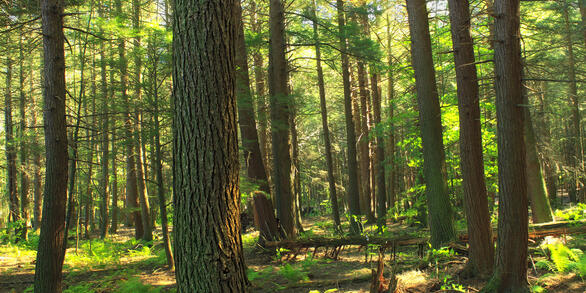
The CASCs support Tribal resilience through collaboration and information sharing with Tribes and Tribal organizations.
Filter Total Items: 126

Webinar: Development and Implementation of a Regional Tribal Engagement Strategy
View this webinar to learn about the South Central CASC's tribal engagement strategy.

Building Collaboration Between the North Central CSC and Regional Partners Through Liaison Teams
The North Central Climate Science Center (NC CSC) is committed to bringing the best possible climate science to bear in order to inform decisions made by Department of the Interior (DOI) planners and other land and resource managers across the country. To help accomplish this mission, key partnerships have been established between the NC CSC and the DOI Landscape Conservation...

Building Tribal Capacity to Assess Vulnerability to Climate Change
Preparing for and responding to the impacts of climate change are critical to the wellbeing of tribal communities that rely on natural resources to sustain their families, communities, traditional ways of life, and cultural identities. Recognizing this, efforts across the country are underway to support and enhance the capacity of tribes to prepare for climate change risks. However, due...

Continued Partnerships to Increase Capacity for Tribal Natural Resource Adaptation Planning
For centuries, tribal and indigenous communities have relied on natural resources to sustain their families, communities, traditional ways of life, and cultural identities. This relationship with both land and water ecosystems makes indigenous people and cultures particularly vulnerable to the impacts of climate change. In 2015, the Southwest Climate Science Center partnered with the...

Pyramid Lake Paiute Tribe Traditional Knowledge and Climate Change Adaptation
Native Americans throughout the Southwest are vulnerable to climate change due to intimate relationships with the environments and landscapes upon which their cultures, traditions, and livelihoods depend. The Pyramid Lake Paiute Tribe (PLPT) in Nevada is profoundly connected physically, culturally, and spiritually to Pyramid Lake, the endangered cui-ui fish, and the threatened Lahontan...

Building Partnerships to Assess Tribal Adaptation to Climate Change and Science Needs in the Southwest
Native Nations face unique challenges related to climate change. Native Americans have a deep connection to the natural environment within which their livelihoods, cultural identity, and spiritual practices are rooted. Changes to water flow and hydrology, landscapes, and ecosystems, in combination with socio-economic and other factors, amplify tribal vulnerabilities to climate change. In...

Climate Assessments and Scenario Planning (CLASP)
This project compiled, synthesized, and communicated tailored climate change information to NE CASC stakeholders, including Landscape Conservation Cooperatives (LCC), state and federal agencies, and tribal communities. Our mission is to make climate science actionable by getting to know our stakeholders and the decisions they face, and delivering climate information that is directly...

Climate Effects on the Culture and Ecology of Sugar Maple
Maple syrup is produced from the sap of sugar maple trees collected in the late winter and early spring. Native American tribes have collected and boiled down sap for centuries, and the tapping of maple trees is a cultural touchstone for many people in the Northeast and Midwest. Overall demand for maple syrup has been rapidly rising as more people appreciate this natural sweetener. Yet...

Climate Training for Native Tribes of Louisiana and New Mexico
Tribal nations are one of the most vulnerable populations to climate change in the United States, because of their reliance upon the natural environment to sustain traditional ways of life and current lack of training and resources to respond to climate change impacts. This project sought to increase south-central U.S. tribes’ basic knowledge of climate science, connect them with tools...

Support for the Affiliated Tribes of Northwest Indians Tribal Leaders Summit on Climate Change
Tribal communities’ traditions, identities, and economies rely heavily on local natural resources, making tribes especially vulnerable to climate change impacts, including changes in seasonal patterns and the potential loss of culturally and economically important species. The goal of this project was to build tribal capacity in the Pacific Northwest to successfully plan for and adapt to...

Supporting Cooperation Between Tribes and Climate Scientists in the Northeast Region
All peoples have a right to make meaningful plans for their future. For many Tribes in the northeast region of the United States, trends in the environment such as shifting lake levels, patterns of precipitation and other seasonal cycles pose potential problems. This includes financial burdens on Tribal governments and stresses on Tribal cultural practices such as harvesting medicinal...

The Wind River Indian Reservation’s Vulnerability to the Impacts of Drought and the Development of Decision Tools to Support Drought Preparedness
The Wind River Indian Reservation in west-central Wyoming is home to the Eastern Shoshone and Northern Arapaho tribes, who reside near and depend on water from the streams that feed into the Wind River. In recent years, however, the region has experienced frequent severe droughts, which have impacted tribal livelihoods and cultural activities. Scientists with the North Central Climate...