Behavioral Toxicology Laboratory -- Columbia, Missouri
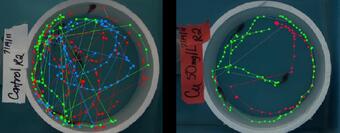
Behavioral Toxicology Laboratory -- Columbia, MissouriBehavioral Toxicology Laboratory -- Columbia, Missouri. Swimming paths of control (left) and copper (right) exposed fish


Official websites use .gov
A .gov website belongs to an official government organization in the United States.

Secure .gov websites use HTTPS
A lock () or https:// means you’ve safely connected to the .gov website. Share sensitive information only on official, secure websites.

About the Research.
The Environmental Health Program supports scientists in the Behavioral Toxicology Core Technology Team (CTT) at the Columbia Environmental Research Center. The scientists identify how contaminants alter the behavior of organisms and what implication those changes may have on individuals, populations, and communities.
Sublethal toxicity testing and sensitive whole organism endpoints, like behavior and neuromotor function, are of emerging importance in the field of ecotoxicology. Behavioral responses are mediated through the integration of neural, neuroendocrine and neuromuscular signals, contributing to complex and highly variable inter-individual responses in exposed organisms. These overarching themes in the field of animal behavior can be universally applied across toxicological agents, model organisms, organism life stage and endpoints.
The Behavioral Toxicology CTT has utilized its behavioral expertise and facilities to study a wide range of questions related to behavior directly related to contaminants - providing tools to better understand the effects of contaminants on behavior and how they might translate to effects on growth, reproduction, and population size.
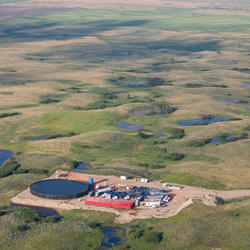
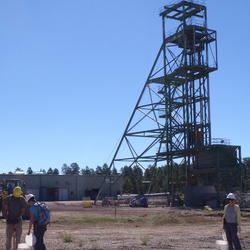
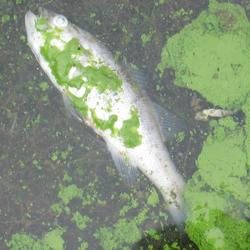
Science activities related to the Behavioral Toxicology Core Technology Team can be found below.
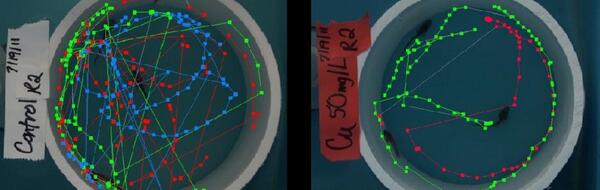
Behavioral Toxicology Laboratory -- Columbia, Missouri. Swimming paths of control (left) and copper (right) exposed fish
Behavioral Toxicology Laboratory -- Columbia, Missouri. Swimming paths of control (left) and copper (right) exposed fish
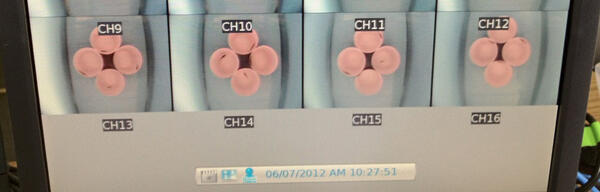
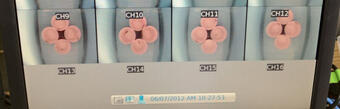
Behavioral Toxicology Laboratory — Columbia, Missouri. Screen shot of a computer monitor from a video recording setup from a swimming behavior experimental swimming behavior assay system. U.S. Geological Survey (USGS) scientists can record swimming activity of multiple treatments simultaneously in the swimming behavior assay.
Behavioral Toxicology Laboratory — Columbia, Missouri. Screen shot of a computer monitor from a video recording setup from a swimming behavior experimental swimming behavior assay system. U.S. Geological Survey (USGS) scientists can record swimming activity of multiple treatments simultaneously in the swimming behavior assay.
About the Research.
The Environmental Health Program supports scientists in the Behavioral Toxicology Core Technology Team (CTT) at the Columbia Environmental Research Center. The scientists identify how contaminants alter the behavior of organisms and what implication those changes may have on individuals, populations, and communities.
Sublethal toxicity testing and sensitive whole organism endpoints, like behavior and neuromotor function, are of emerging importance in the field of ecotoxicology. Behavioral responses are mediated through the integration of neural, neuroendocrine and neuromuscular signals, contributing to complex and highly variable inter-individual responses in exposed organisms. These overarching themes in the field of animal behavior can be universally applied across toxicological agents, model organisms, organism life stage and endpoints.
The Behavioral Toxicology CTT has utilized its behavioral expertise and facilities to study a wide range of questions related to behavior directly related to contaminants - providing tools to better understand the effects of contaminants on behavior and how they might translate to effects on growth, reproduction, and population size.
Science activities related to the Behavioral Toxicology Core Technology Team can be found below.
Behavioral Toxicology Laboratory -- Columbia, Missouri. Swimming paths of control (left) and copper (right) exposed fish
Behavioral Toxicology Laboratory -- Columbia, Missouri. Swimming paths of control (left) and copper (right) exposed fish
Behavioral Toxicology Laboratory — Columbia, Missouri. Screen shot of a computer monitor from a video recording setup from a swimming behavior experimental swimming behavior assay system. U.S. Geological Survey (USGS) scientists can record swimming activity of multiple treatments simultaneously in the swimming behavior assay.
Behavioral Toxicology Laboratory — Columbia, Missouri. Screen shot of a computer monitor from a video recording setup from a swimming behavior experimental swimming behavior assay system. U.S. Geological Survey (USGS) scientists can record swimming activity of multiple treatments simultaneously in the swimming behavior assay.