



FORT Updates: From Plains to Peaks - Vol. 4 | Issue 1
Hot off the Press
Recent publications, events, and other news from the Fort Collins Science Center.
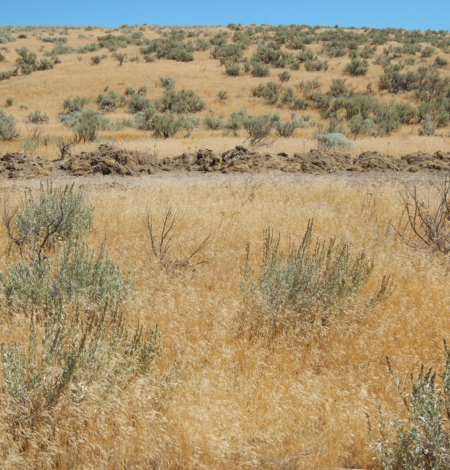
New tools for a growing threat: Co-developed science informs the fight against invasive grasses in the sagebrush biome
In a new study, FORT scientists worked with resource managers to co-develop a strategic framework for invasive grass management across the sagebrush biome. The framework, implemented through computer simulation models, can help resource managers explore the efficacy of invasive grass management strategies and develop informed, economic conservation plans.
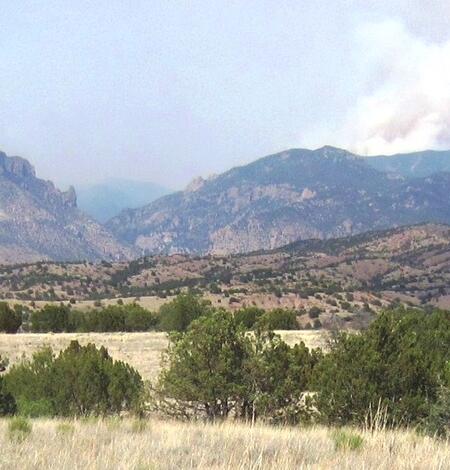
New tree-ring science demonstrates successful restoration of historical fire patterns in two southwestern wilderness areas
Increasing modern fire is occurring against the backdrop of a large fire deficit created by fire exclusion since circa 1900. In a new study, researchers describe and apply new tree-ring methods to ask whether historically frequent fire regimes can be restored in two Southwest wilderness areas.
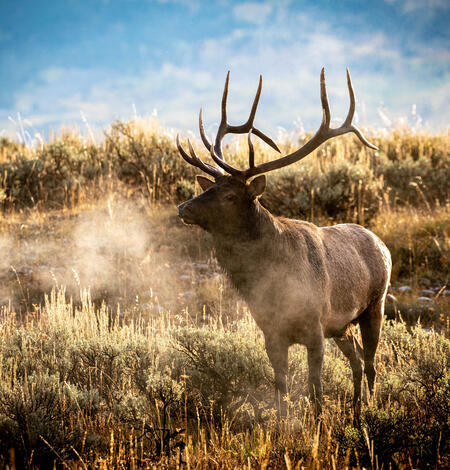
Between a Rock and a Hard Place: Experiences of the Chronic Wasting Disease Management Community
Chronic Wasting Disease (CWD) has proven to be a complex issue for wildlife managers: effective disease management may not always align with stakeholder wants. In a new study, researchers found that some wildlife managers are feeling caught between a rock and a hard place, operating under constrained decision options where they may struggle to reduce CWD prevalence and meet the public’s needs.
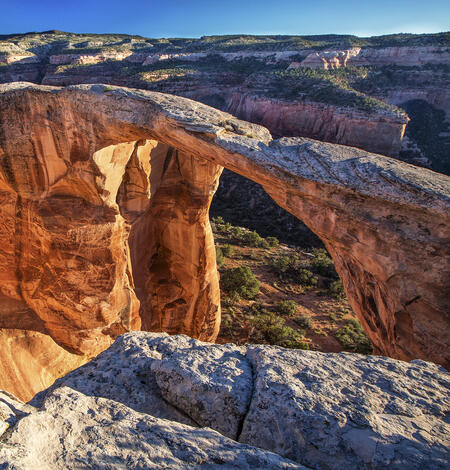
National Conservation Lands: A hub for scientific discovery
Last year marked the 25th anniversary of America’s National Conservation Lands, a group of over 900 landscapes managed by the Bureau of Land Management (BLM) for cultural, ecological, and scientific values. As part of a special edition of Park Stewardship Forum celebrating this anniversary, USGS and BLM collaborated on a piece highlighting key science opportunities on National Conservation Lands.
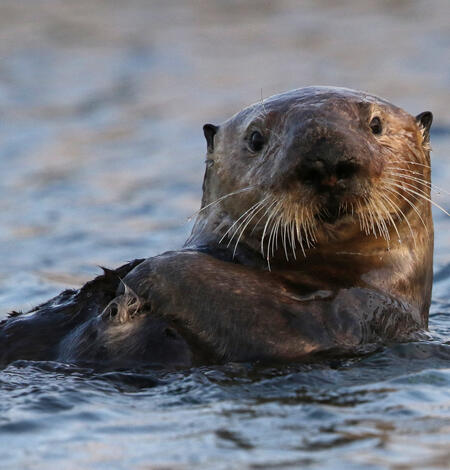
DOI scientists engage with Southeast Alaska Indigenous Guardians to discuss local sea otter ecology and economics
Aaron Enriquez (USGS-FORT), Joe Eisaguirre (USGS-ASC), and Paul Schette (USFWS) presented at the Tlingit & Haida Seacoast Indigenous Guardian Network (SIGN) Gathering in Juneau, Alaska from February 17-20. They discussed collaborative research related to changing Southeast Alaska sea otter distribution and abundance and the associated economic impacts of sea otters on local communities.
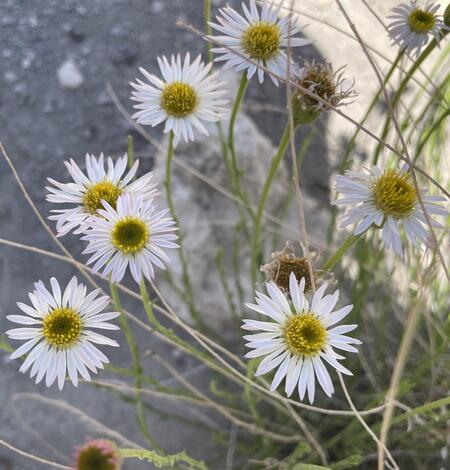
New habitat suitability model to inform decision making and recover rare species in New Mexico
In collaboration with multiple land management agencies, FORT scientists developed a new habitat suitability model to inform decision making on public lands and help conserve a rare plant.
Subscribe to our newsletter to get all the FORT Science Updates!
Science Spotlights
New or ongoing research projects at the Fort Collins Science Center.
-
Science for management of America’s iconic wild horses and burros
Wild horses and burros are iconic wildlife of the western USA as well as a complicated management issue on tribal, state, and federal lands. Due to their history as domesticated animals, these wild equids – also called “free-roaming” or “feral” equids – can reproduce quickly, and have few natural predators, allowing their populations to grow rapidly if not managed. When populations are too large...
-
AI-driven science synthesis tools for resource managers
The scientific literature is abundant on drought-related topics in the western United States, including areas of the Colorado River Basin and the sagebrush biome. Scientists, resource managers, and decision makers use this science to assess, predict, and respond to the effects of drought on people and the environment. However, it can be difficult to quickly synthesize large amounts of research. To...
-

The Strain and Genetic Online Tissue Repository for Chronic Wasting Disease
The Strain and Genetic Online Tissue Repository (SAGOTR) is being developed by the USGS Fort Collins Science Center to document, track, discover, and request physical samples of Chronic Wasting Disease (CWD). SAGOTR connects natural resource managers, tissue repositories, and researchers in one online platform, making it easier to locate and share samples and support research and management of CWD...
Learn More
Find our science and connect with our researchers.
Publications
FORT scientists have produced more than 2000 peer reviewed publications that are registered in the USGS Publications Warehouse, along with many others prior to their work at the USGS or in conjunction with other government agencies.

Data
Our interdisciplinary, integrated science teams develop various data sets in support of the USGS mission areas. This information then aids natural resource managers in decision making and support of the complex issues they face in today's world. The data and tools listed here are official USGS data releases.

Connect
The majority of our staff call Fort Collins, Colorado their home, but work all over the United States. FORT research and support staff work from one of four duty stations: in Colorado, at the Fort Collins Science Center or Denver Federal Center; in New Mexico, at the New Mexico Landscapes Field Station; or in Florida, at the USGS Everglades Research Offices.