



Avian Influenza and Wildlife Health: 2025 Year in Review
Avian influenza, once largely limited to poultry, is now reshaping wildlife health across North America, affecting wild birds, mammals, and even people. This 2025 Year in Review highlights how USGS science is helping track, understand, and respond to this rapidly evolving disease. From large-scale wildlife die-offs to new tools for detecting and monitoring the virus, USGS research supports informed decisions that protect wildlife, sustain outdoor traditions like waterfowl hunting, and safeguard ecosystems and economies. Read on for a recap of the latest findings, innovations, and collaborative efforts that are improving how we manage avian influenza in a changing landscape.
What is avian influenza?
Once considered primarily a poultry disease, avian influenza, also know as bird flu, is reshaping wildlife health across North America, affecting not only waterfowl, whose hunting is a major economic driver, but also a growing number of wild mammals on land and in water. Avian influenza (AI) is caused by influenza type A viruses that historically have spread between wild birds (waterfowl and shorebirds) with occasional outbreaks in poultry (chickens, turkeys).
These RNA viruses can change over time (mutations and recombinations). Avian influenza type A viruses are defined by combinations of hemagglutinin and neuraminidase proteins and are further classified as either highly pathogenic, causing severe disease and high mortality in poultry, or low pathogenic, typically causing mild or no illness in wild birds and variable disease in poultry. H5 and H7 low pathogenic viruses can mutate into highly pathogenic forms, prompting close monitoring by health officials, and the United States has experienced major highly pathogenic avian influenza (HPAI) outbreaks beginning in 2015 and again in 2022. For the latter, there has been a paradigm shift with HPAI now causing illness and death not only in poultry but also wild birds, wild mammals, dairy cattle, cats, and people. Learn more about the current HPAI situation in animals on USDA’s website.
Why is USGS studying avian influenza in wildlife?
The USGS is the lead Federal agency providing scientific research on avian influenza viruses, including highly pathogenic avian influenza (HPAI) viruses, that affect wildlife species managed by the Department of the Interior (DOI). We support the U.S. Department of Agriculture (USDA) which is the federal lead for avian influenza.
Approximately 1.3 million Americans hunted waterfowl in the 2024 season, harvesting over 18 million birds. This translates into an approximate \$1.3 million positive impact on the economy for trip and equipment-related expenditures each year.
USGS science on avian influenza spans surveillance and diagnostics (mass mortality cause-of-death investigations), wildlife population health studies, movement ecology, virus environmental persistence studies, quantitative risk analysis, and decision-support tool development - integrated to inform management and hunting season decisions. Migratory bird hunting season timing and limits may be modified if significant die-offs occur due to avian influenza. Hunting access restrictions to state- and refuge-lands may be temporarily applied during avian influenza outbreaks.
Further, Congress asked the USGS to conduct cause-of-death investigations, surveillance, and research on avian influenza. This effort not only supports the broader federal response to the disease but also provides essential information to natural resource managers who rely on accurate, up-to-date science to protect wildlife and the places where they live.

How can I learn more about wild bird die-off events and avian influenza detections?
- The USGS curates the Wildlife Health Information Sharing Partnership – Event Reporting System (WHISPers), an online system where wildlife managers and partners can report and look up information on wildlife illness and death events. State, federal, tribal, and other natural resource professionals have voluntarily shared details such as where events happened, which species were affected, and what the diagnoses were. WHISPers now holds more than 10,000 reports and aims to give managers and the public timely, accurate information so they can prepare and make better decisions.
- The USGS also leads a multi-agency effort to stand up the National Wildlife Disease Database (NWDD). The NWDD brings together wildlife health data from Federal, State, Tribal, and local agencies; wildlife rehabilitation facilities; and public sources and uses advanced analytics to spot unusual disease events and map where they’re happening across the country. This information helps natural resource managers, agricultural communities, veterinarians, and public health professionals investigate wildlife diseases and better understand risks to animals, people, and resources.
- USGS’s Automated Interactive Monitoring System (AIMS) for Wildlife delivers near real‑time information on wildlife movement, habitat use, and environmental context to land and species managers. Its first operational product—the Customized Wildlife Report (CWR)—provides an interactive, automated summary of animal movement patterns within a defined management area. A supplemental email alert system enhances the CWR by providing managers with immediate notifications when and where active wildlife mortality events are occurring. This capability proved highly valuable during the 2024 Klamath avian botulism outbreak.
Avian Influenza Accomplishments in 2025
The USGS released their strategy to address highly pathogenic avian influenza and its effects on wildlife health. In 2025, USGS researchers and partners worked towards advancing the goals set forth in the strategy.
Developing better ways to find and understand bird flu viruses in wildlife and the environment
What’s the best way to keep track of how HPAI affects wild birds?
Scientists from the USGS, U.S. Fish and Wildlife Service, USDA, various academic institutions, and other partners analyzed a 2021–22 HPAI outbreak in the Yukon–Kuskokwim Delta in Alaska to determine its impact on local bird populations. Most of the sick or dead birds reported were cackling geese, glaucous gulls, and black brant. Testing confirmed HPAI in several carcasses, but the virus showed up in only one live bird, suggesting that traditional live-capture surveillance may underestimate what's happening on the landscape.
Blood samples told a different story: many birds, especially geese and eiders, had antibodies indicating past exposure. That means some species may have been infected but survived.
Managers also saw fewer nests for black brant and emperor geese in 2022 compared with long-term averages, which raises questions about sublethal or delayed impacts even when direct mortality seems limited.
This study shows how useful it is to look at an outbreak from multiple angles—watching for sick birds, testing carcasses and live birds, and keeping an eye on nesting outcomes. Integrated surveillance across health and habitat can give managers a much clearer picture of what HPAI is doing on the landscape and guide effective responses.
Black brant are true migration giants, flying more than 3,000 miles nonstop between Alaska’s Arctic breeding grounds and Baja, Mexico, along the Pacific Coast. They’re also eelgrass specialists, relying on it for up to 95% of their winter diet. Alaska’s Izembek Lagoon has the world’s largest eelgrass bed, and that rich food supply draws in a huge share of the population; about 40% of all Pacific Black Brant spend the winter there. On the Arctic breeding grounds, these birds nest in tight colonies and often return to nearly the same nesting sites each year, showing strong site fidelity that helps researchers study them more easily.

Does disease sampling affect how well blue-winged teal survive or recover?
USGS scientists and state and academic partners conducted a study that found no evidence that disease surveillance sampling harms wild bird survival or recovery. Birds that were sampled and those that were not sampled had very similar survival rates, and the chances of hunters later recovering banded birds were mostly the same. Overall, the research suggests that collecting samples, such as swabs or small blood draws, does not meaningfully affect survival or harvest recovery. This means sampled birds can still be included in population studies without causing bias.
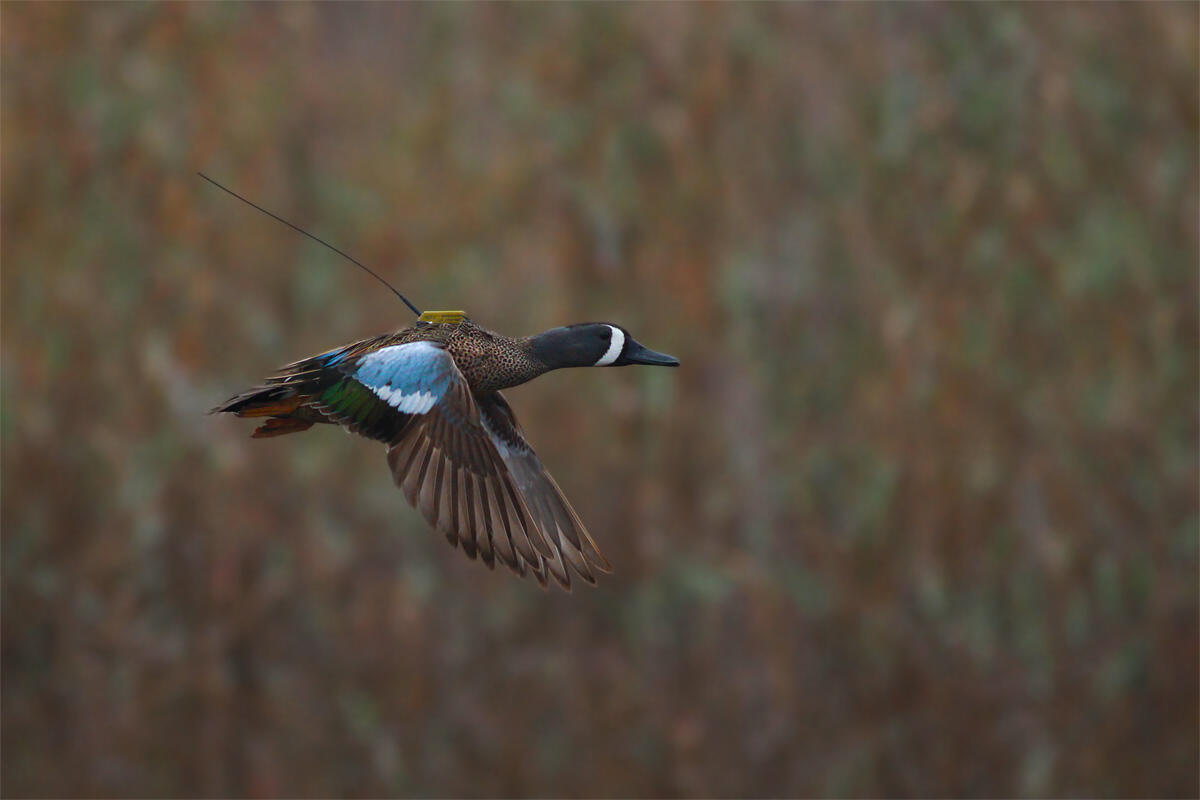
Blue-winged teal are tiny, fast, and constantly on the move. They’re some of the first ducks to head south and among the last to return, with some individuals flying more than 7,000 miles roundtrip to South America. They have one of the shortest breeding cycles of any North American waterfowl, can reach speeds over 45 mph, and twist through the air like little rockets.
Their powder-blue wing patch pops in flight but hides on the water. They prefer shallow, weedy wetlands, so changes in water levels hit them hard. They’re big on bugs, too, especially midge and mosquito larvae.
They’re skittish, usually the first ducks to flush, which makes them fun to watch but tricky to survey. Females tend to return to the same nesting spots every year, while males wander to wherever the habitat looks best.
Understanding how HPAI affects wildlife
How does avian influenza affect snow geese in California’s Central Valley?
While monitoring snow geese tagged in California’s Central Valley, USGS researchers collected swab samples to test for HPAI. They found that many adult geese had already been exposed to the virus, suggesting that most appear able to tolerate the infection without becoming seriously ill. A smaller number of adults did test positive for active infections, including one individual whose movements were lower than average for a couple of weeks. Even so, that goose ultimately completed its migration normally.
However, some geese that stayed behind on the summer grounds weren’t as lucky—they showed signs of poor health, neurological issues, and in some cases died. Overall, the study shows that snow geese can respond to HPAI in different ways: some barely show symptoms, some recover after a short setback, and others experience severe illness and even death.
For managers, the takeaway is that snow geese can act as both survivors and carriers, so keeping up with monitoring, especially during outbreaks and migration, is important for understanding population-level impacts and potential disease spread.
Snow geese are some of the most eye-catching birds in North America. Every year, they travel thousands of miles between the Arctic and their wintering grounds, often filling the sky in huge swirling “snowstorms.” Their growing numbers and root-digging feeding habits can reshape entire wetlands.
They come in two colors, white and blue, but they’re all the same species. Family groups stick together on migration, with young geese learning the route from their parents. You’ll usually hear them before you spot them, thanks to their sharp, carrying calls. And during migration, they can soar high on fast Arctic winds, covering incredible distances with ease.
The USFWS Light Geese Conservation Order is a special season designed to help control booming snow goose populations that are damaging Arctic habitats. During this period, usually in late winter and early spring, hunters can take snow, blue, and Ross’s geese with fewer restrictions than normal, including no daily bag limit and the use of electronic calls. States set their own dates, and hunters just need the proper permits. It’s a flexible tool that helps bring goose numbers back into balance while keeping everything safe and regulated.

How does HPAI spread across different landscapes and seasons in wild birds?
Which natural factors shape where mallards and northern pintails travel, nest, rest, and overwinter—and how can this inform disease-risk tracking?
In spring, ducks tend to choose breeding areas based on how crowded those habitats are, often shifting elsewhere when too many other birds are present. In fall and winter, weather, especially wind patterns and seasonal conditions, plays a big role in shaping migration routes and wintering locations. To study these patterns, USGS researchers and partners used a realistic model that combines duck behavior, energy needs, and landscape conditions, and they validated it with eBird observations. Understanding what drives movement improves forecasts of avian influenza risk, helping managers guide habitat protection, anticipate key migration areas based on seasonal weather, and time disease monitoring to expected bird movements.
Northern pintails are marathon flyers, sometimes traveling thousands of miles between continents. They typically depart in early spring, often arriving on breeding grounds while snow is still melting. The sleek, fast flyers (often reaching 50 mph) prefer shallow wetlands and flooded fields, which makes them sensitive to drought and habitat loss. Females nest on the ground and can raise impressively large clutches of eggs. As flexible feeders, northern pintails dine on plants and insects, often visiting farm fields during migration.
IMAGE: Male northern pintail ducks are easy to spot with their chocolate brown heads and long, elegant tail feathers.

Live Virus in the Water Column: Transforming Avian Influenza Surveillance

Wetlands provide essential habitat for wildlife, supply clean water to communities, and buffer coastlines from storms and erosion. They act as natural sponges that absorb floodwaters, store carbon, filter pollutants, and serve as highly productive nurseries for fish, birds, and other animals. About a third of the nation’s threatened and endangered species depend on them at some point in their life cycle, and millions of migrating birds rely on them each year to rest and refuel. Despite their importance, the U.S. has lost more than half of its historic wetlands—along with the natural protections they offer against storms and erosion.
However, wetland surface waters may offer a new way to detect avian influenza. USGS scientists and partners developed a method to pull live avian influenza virus from large volumes of surface water—a major step forward, since current tests struggle to do that. After trying different filtration and concentration techniques, the researchers landed on a reliable method that can detect extremely low levels of infectious virus in real-world water samples, offering more insight than RNA-only tests, which can’t tell whether the virus is still alive. For managers, this opens the door to better water-based surveillance in wetlands, refuges, and migration stopover sites, helping identify HPAI risks earlier and improving wildlife protection, poultry biosecurity, and the timing of disease response during key migration periods.
Tracking Birds, Managing Risk: HPAI Guidance for the Banding Community
Long-term bird banding data helps shape smart policies that keep bird populations healthy, protect farms, improve aviation safety, and guide harvest and conservation decisions—and all of that adds up to a real economic boost estimated to be over 100 billion dollars per year in bird-related recreational economy. The USGS Avian Influenza Science Team connected with the bird-banding community to share information and raise awareness about avian influenza.
The USGS Bird Banding Laboratory (BBL), founded in 1920, runs the nation’s program for tracking banded birds. It collects, manages, and shares data that help scientists and managers understand bird movements, survival, and population trends. Working with the Canadian Wildlife Service, the USGS BBL co-leads the North American Bird Banding Program, which supports bird research and conservation across the continent.
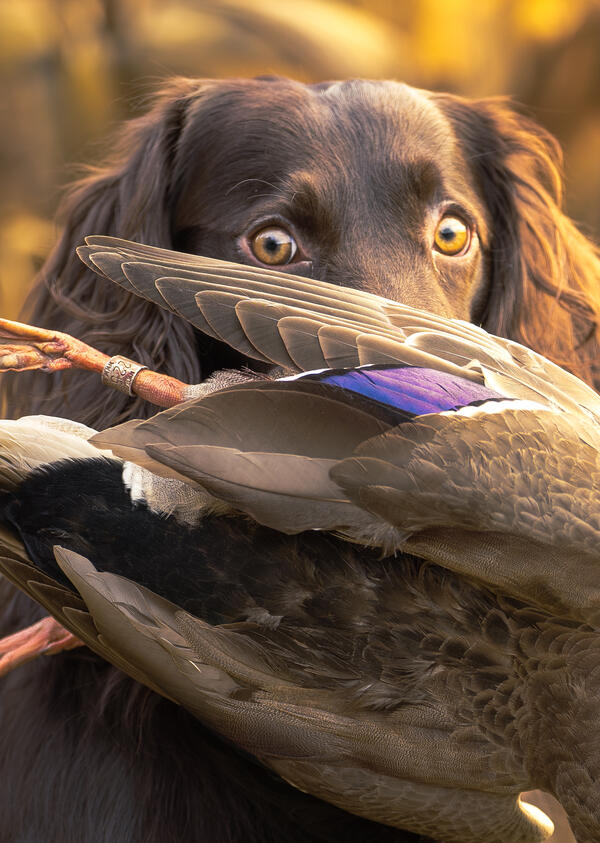
Bird banding supports waterfowl management in many ways. It shows where ducks travel, when they migrate, and which habitats they rely on. When banded birds are recovered, managers learn how many birds survive each year and how populations are changing. This information helps set fair, sustainable hunting seasons and highlights the key breeding, migration, and wintering areas that need protection. And because banding tracks duck movements, it also helps managers monitor and prepare for disease risks like avian influenza.
A New Tool for Managing HPAI in At-Risk Species
California condors are the biggest flying birds in North America, with wingspans close to 10 feet. They’re incredible gliders and can soar for hours without flapping, and their bare heads change color with mood or activity, like a natural mood ring. As part of nature’s cleanup crew, they help keep ecosystems healthy by feeding on carcasses. The species came close to extinction in the 1980s, when only 22 birds were left, but thanks to major conservation efforts, several hundred now live in the wild again. Condors live a long time—often 50 to 60 years—and raise chicks slowly, usually having just one every couple of years.
A major avian influenza outbreak in 2023 hit endangered California condors hard, killing many birds in an already fragile population. The USGS was part of a USFWS-led multi-agency research team that tested a poultry flu vaccine on black vultures and captive condors to see if it was safe and if it triggered an immune response. The vaccine caused no serious side effects, and the birds developed strong immunity after getting it. The study’s finding suggests that vaccination could help protect critically endangered birds from future outbreaks and could become a useful tool in managing wildlife disease risks.

How HPAI viruses change over time
Avian influenza viruses evolve in two main ways, and both matter for wildlife and poultry management.
First, they pick up small mutations over time as they replicate. These are normal “copying errors,” but they can slowly change how the virus behaves—how easily it spreads, which species it affects, or how well it persists in the environment.
Second, and more importantly for big jumps in behavior, the virus can swap whole gene segments when a bird is infected with more than one flu strain. Because waterfowl migrate long distances and mix with lots of species, they’re constantly creating opportunities for this kind of reshuffling. This process can generate entirely new variants very quickly.
For managers, the bottom line is:
• The virus changes fast—sometimes gradually, sometimes in big leaps.
• Migratory birds act as mixing hubs that accelerate this evolution.
• New variants can appear unexpectedly, which makes ongoing surveillance essential.
Understanding this evolutionary process helps explain why prevention, early detection, and rapid genetic monitoring are such key tools in managing avian influenza risk.
How can we quickly detect and track new HPAI strains in wild birds?
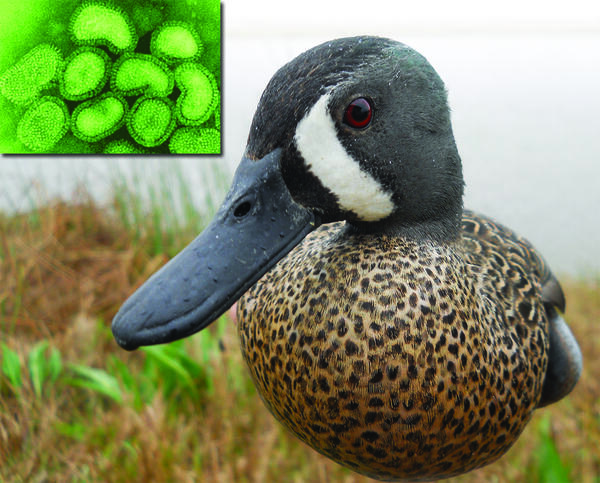
USGS scientists and partners found that H5N1 clade 2.3.4.4b entered North America through a single primary introduction in late 2021, after which it spread widely through wild birds, poultry, and mammals, generating more than 100 reassortant genotypes as it mixed with North American lowpathogenic flu viruses. A complementary Alaska-focused genomic analysis showed that, within this broader North American spread, the state experienced seven distinct introductions—including genotypes A3 and A4, which also appear in continental analyses—arriving via multiple major migratory flyways. Together, the studies show that one continental introduction rapidly diversified through reassortment, while Alaska received multiple genotype-specific incursions shaped by long-distance bird migration.
The big takeaway: the virus is changing fast, and keeping up with it requires tools that can quickly spot new variants. To help with that, the USGS-led science team tested a faster, easier method that sorts virus samples into genetic groups without needing long, complex analyses. This approach runs in under two hours on a regular laptop and still captures the major patterns in how the virus is evolving and spreading.
For managers, this means that:
• New HPAI variants can be identified much more quickly.
• It’s easier to see which flyways or bird groups are driving new introductions.
• Agencies can use this workflow to strengthen real-time surveillance and respond more proactively to outbreaks in wildlife or poultry.
Overall, the study gives managers a practical set of tools to monitor a fast-changing virus and better understand where new risks may be emerging.

Avian Influenza Research
Avian influenza, once largely limited to poultry, is now reshaping wildlife health across North America, affecting wild birds, mammals, and even people. This 2025 Year in Review highlights how USGS science is helping track, understand, and respond to this rapidly evolving disease. From large-scale wildlife die-offs to new tools for detecting and monitoring the virus, USGS research supports informed decisions that protect wildlife, sustain outdoor traditions like waterfowl hunting, and safeguard ecosystems and economies. Read on for a recap of the latest findings, innovations, and collaborative efforts that are improving how we manage avian influenza in a changing landscape.
What is avian influenza?
Once considered primarily a poultry disease, avian influenza, also know as bird flu, is reshaping wildlife health across North America, affecting not only waterfowl, whose hunting is a major economic driver, but also a growing number of wild mammals on land and in water. Avian influenza (AI) is caused by influenza type A viruses that historically have spread between wild birds (waterfowl and shorebirds) with occasional outbreaks in poultry (chickens, turkeys).
These RNA viruses can change over time (mutations and recombinations). Avian influenza type A viruses are defined by combinations of hemagglutinin and neuraminidase proteins and are further classified as either highly pathogenic, causing severe disease and high mortality in poultry, or low pathogenic, typically causing mild or no illness in wild birds and variable disease in poultry. H5 and H7 low pathogenic viruses can mutate into highly pathogenic forms, prompting close monitoring by health officials, and the United States has experienced major highly pathogenic avian influenza (HPAI) outbreaks beginning in 2015 and again in 2022. For the latter, there has been a paradigm shift with HPAI now causing illness and death not only in poultry but also wild birds, wild mammals, dairy cattle, cats, and people. Learn more about the current HPAI situation in animals on USDA’s website.
Why is USGS studying avian influenza in wildlife?
The USGS is the lead Federal agency providing scientific research on avian influenza viruses, including highly pathogenic avian influenza (HPAI) viruses, that affect wildlife species managed by the Department of the Interior (DOI). We support the U.S. Department of Agriculture (USDA) which is the federal lead for avian influenza.
Approximately 1.3 million Americans hunted waterfowl in the 2024 season, harvesting over 18 million birds. This translates into an approximate \$1.3 million positive impact on the economy for trip and equipment-related expenditures each year.
USGS science on avian influenza spans surveillance and diagnostics (mass mortality cause-of-death investigations), wildlife population health studies, movement ecology, virus environmental persistence studies, quantitative risk analysis, and decision-support tool development - integrated to inform management and hunting season decisions. Migratory bird hunting season timing and limits may be modified if significant die-offs occur due to avian influenza. Hunting access restrictions to state- and refuge-lands may be temporarily applied during avian influenza outbreaks.
Further, Congress asked the USGS to conduct cause-of-death investigations, surveillance, and research on avian influenza. This effort not only supports the broader federal response to the disease but also provides essential information to natural resource managers who rely on accurate, up-to-date science to protect wildlife and the places where they live.
How can I learn more about wild bird die-off events and avian influenza detections?
- The USGS curates the Wildlife Health Information Sharing Partnership – Event Reporting System (WHISPers), an online system where wildlife managers and partners can report and look up information on wildlife illness and death events. State, federal, tribal, and other natural resource professionals have voluntarily shared details such as where events happened, which species were affected, and what the diagnoses were. WHISPers now holds more than 10,000 reports and aims to give managers and the public timely, accurate information so they can prepare and make better decisions.
- The USGS also leads a multi-agency effort to stand up the National Wildlife Disease Database (NWDD). The NWDD brings together wildlife health data from Federal, State, Tribal, and local agencies; wildlife rehabilitation facilities; and public sources and uses advanced analytics to spot unusual disease events and map where they’re happening across the country. This information helps natural resource managers, agricultural communities, veterinarians, and public health professionals investigate wildlife diseases and better understand risks to animals, people, and resources.
- USGS’s Automated Interactive Monitoring System (AIMS) for Wildlife delivers near real‑time information on wildlife movement, habitat use, and environmental context to land and species managers. Its first operational product—the Customized Wildlife Report (CWR)—provides an interactive, automated summary of animal movement patterns within a defined management area. A supplemental email alert system enhances the CWR by providing managers with immediate notifications when and where active wildlife mortality events are occurring. This capability proved highly valuable during the 2024 Klamath avian botulism outbreak.
Avian Influenza Accomplishments in 2025
The USGS released their strategy to address highly pathogenic avian influenza and its effects on wildlife health. In 2025, USGS researchers and partners worked towards advancing the goals set forth in the strategy.
Developing better ways to find and understand bird flu viruses in wildlife and the environment
What’s the best way to keep track of how HPAI affects wild birds?
Scientists from the USGS, U.S. Fish and Wildlife Service, USDA, various academic institutions, and other partners analyzed a 2021–22 HPAI outbreak in the Yukon–Kuskokwim Delta in Alaska to determine its impact on local bird populations. Most of the sick or dead birds reported were cackling geese, glaucous gulls, and black brant. Testing confirmed HPAI in several carcasses, but the virus showed up in only one live bird, suggesting that traditional live-capture surveillance may underestimate what's happening on the landscape.
Blood samples told a different story: many birds, especially geese and eiders, had antibodies indicating past exposure. That means some species may have been infected but survived.
Managers also saw fewer nests for black brant and emperor geese in 2022 compared with long-term averages, which raises questions about sublethal or delayed impacts even when direct mortality seems limited.
This study shows how useful it is to look at an outbreak from multiple angles—watching for sick birds, testing carcasses and live birds, and keeping an eye on nesting outcomes. Integrated surveillance across health and habitat can give managers a much clearer picture of what HPAI is doing on the landscape and guide effective responses.
Black brant are true migration giants, flying more than 3,000 miles nonstop between Alaska’s Arctic breeding grounds and Baja, Mexico, along the Pacific Coast. They’re also eelgrass specialists, relying on it for up to 95% of their winter diet. Alaska’s Izembek Lagoon has the world’s largest eelgrass bed, and that rich food supply draws in a huge share of the population; about 40% of all Pacific Black Brant spend the winter there. On the Arctic breeding grounds, these birds nest in tight colonies and often return to nearly the same nesting sites each year, showing strong site fidelity that helps researchers study them more easily.
Does disease sampling affect how well blue-winged teal survive or recover?
USGS scientists and state and academic partners conducted a study that found no evidence that disease surveillance sampling harms wild bird survival or recovery. Birds that were sampled and those that were not sampled had very similar survival rates, and the chances of hunters later recovering banded birds were mostly the same. Overall, the research suggests that collecting samples, such as swabs or small blood draws, does not meaningfully affect survival or harvest recovery. This means sampled birds can still be included in population studies without causing bias.
Blue-winged teal are tiny, fast, and constantly on the move. They’re some of the first ducks to head south and among the last to return, with some individuals flying more than 7,000 miles roundtrip to South America. They have one of the shortest breeding cycles of any North American waterfowl, can reach speeds over 45 mph, and twist through the air like little rockets.
Their powder-blue wing patch pops in flight but hides on the water. They prefer shallow, weedy wetlands, so changes in water levels hit them hard. They’re big on bugs, too, especially midge and mosquito larvae.
They’re skittish, usually the first ducks to flush, which makes them fun to watch but tricky to survey. Females tend to return to the same nesting spots every year, while males wander to wherever the habitat looks best.
Understanding how HPAI affects wildlife
How does avian influenza affect snow geese in California’s Central Valley?
While monitoring snow geese tagged in California’s Central Valley, USGS researchers collected swab samples to test for HPAI. They found that many adult geese had already been exposed to the virus, suggesting that most appear able to tolerate the infection without becoming seriously ill. A smaller number of adults did test positive for active infections, including one individual whose movements were lower than average for a couple of weeks. Even so, that goose ultimately completed its migration normally.
However, some geese that stayed behind on the summer grounds weren’t as lucky—they showed signs of poor health, neurological issues, and in some cases died. Overall, the study shows that snow geese can respond to HPAI in different ways: some barely show symptoms, some recover after a short setback, and others experience severe illness and even death.
For managers, the takeaway is that snow geese can act as both survivors and carriers, so keeping up with monitoring, especially during outbreaks and migration, is important for understanding population-level impacts and potential disease spread.
Snow geese are some of the most eye-catching birds in North America. Every year, they travel thousands of miles between the Arctic and their wintering grounds, often filling the sky in huge swirling “snowstorms.” Their growing numbers and root-digging feeding habits can reshape entire wetlands.
They come in two colors, white and blue, but they’re all the same species. Family groups stick together on migration, with young geese learning the route from their parents. You’ll usually hear them before you spot them, thanks to their sharp, carrying calls. And during migration, they can soar high on fast Arctic winds, covering incredible distances with ease.
The USFWS Light Geese Conservation Order is a special season designed to help control booming snow goose populations that are damaging Arctic habitats. During this period, usually in late winter and early spring, hunters can take snow, blue, and Ross’s geese with fewer restrictions than normal, including no daily bag limit and the use of electronic calls. States set their own dates, and hunters just need the proper permits. It’s a flexible tool that helps bring goose numbers back into balance while keeping everything safe and regulated.
How does HPAI spread across different landscapes and seasons in wild birds?
Which natural factors shape where mallards and northern pintails travel, nest, rest, and overwinter—and how can this inform disease-risk tracking?
In spring, ducks tend to choose breeding areas based on how crowded those habitats are, often shifting elsewhere when too many other birds are present. In fall and winter, weather, especially wind patterns and seasonal conditions, plays a big role in shaping migration routes and wintering locations. To study these patterns, USGS researchers and partners used a realistic model that combines duck behavior, energy needs, and landscape conditions, and they validated it with eBird observations. Understanding what drives movement improves forecasts of avian influenza risk, helping managers guide habitat protection, anticipate key migration areas based on seasonal weather, and time disease monitoring to expected bird movements.
Northern pintails are marathon flyers, sometimes traveling thousands of miles between continents. They typically depart in early spring, often arriving on breeding grounds while snow is still melting. The sleek, fast flyers (often reaching 50 mph) prefer shallow wetlands and flooded fields, which makes them sensitive to drought and habitat loss. Females nest on the ground and can raise impressively large clutches of eggs. As flexible feeders, northern pintails dine on plants and insects, often visiting farm fields during migration.
IMAGE: Male northern pintail ducks are easy to spot with their chocolate brown heads and long, elegant tail feathers.
Live Virus in the Water Column: Transforming Avian Influenza Surveillance
Wetlands provide essential habitat for wildlife, supply clean water to communities, and buffer coastlines from storms and erosion. They act as natural sponges that absorb floodwaters, store carbon, filter pollutants, and serve as highly productive nurseries for fish, birds, and other animals. About a third of the nation’s threatened and endangered species depend on them at some point in their life cycle, and millions of migrating birds rely on them each year to rest and refuel. Despite their importance, the U.S. has lost more than half of its historic wetlands—along with the natural protections they offer against storms and erosion.
However, wetland surface waters may offer a new way to detect avian influenza. USGS scientists and partners developed a method to pull live avian influenza virus from large volumes of surface water—a major step forward, since current tests struggle to do that. After trying different filtration and concentration techniques, the researchers landed on a reliable method that can detect extremely low levels of infectious virus in real-world water samples, offering more insight than RNA-only tests, which can’t tell whether the virus is still alive. For managers, this opens the door to better water-based surveillance in wetlands, refuges, and migration stopover sites, helping identify HPAI risks earlier and improving wildlife protection, poultry biosecurity, and the timing of disease response during key migration periods.
Tracking Birds, Managing Risk: HPAI Guidance for the Banding Community
Long-term bird banding data helps shape smart policies that keep bird populations healthy, protect farms, improve aviation safety, and guide harvest and conservation decisions—and all of that adds up to a real economic boost estimated to be over 100 billion dollars per year in bird-related recreational economy. The USGS Avian Influenza Science Team connected with the bird-banding community to share information and raise awareness about avian influenza.
The USGS Bird Banding Laboratory (BBL), founded in 1920, runs the nation’s program for tracking banded birds. It collects, manages, and shares data that help scientists and managers understand bird movements, survival, and population trends. Working with the Canadian Wildlife Service, the USGS BBL co-leads the North American Bird Banding Program, which supports bird research and conservation across the continent.
Bird banding supports waterfowl management in many ways. It shows where ducks travel, when they migrate, and which habitats they rely on. When banded birds are recovered, managers learn how many birds survive each year and how populations are changing. This information helps set fair, sustainable hunting seasons and highlights the key breeding, migration, and wintering areas that need protection. And because banding tracks duck movements, it also helps managers monitor and prepare for disease risks like avian influenza.
A New Tool for Managing HPAI in At-Risk Species
California condors are the biggest flying birds in North America, with wingspans close to 10 feet. They’re incredible gliders and can soar for hours without flapping, and their bare heads change color with mood or activity, like a natural mood ring. As part of nature’s cleanup crew, they help keep ecosystems healthy by feeding on carcasses. The species came close to extinction in the 1980s, when only 22 birds were left, but thanks to major conservation efforts, several hundred now live in the wild again. Condors live a long time—often 50 to 60 years—and raise chicks slowly, usually having just one every couple of years.
A major avian influenza outbreak in 2023 hit endangered California condors hard, killing many birds in an already fragile population. The USGS was part of a USFWS-led multi-agency research team that tested a poultry flu vaccine on black vultures and captive condors to see if it was safe and if it triggered an immune response. The vaccine caused no serious side effects, and the birds developed strong immunity after getting it. The study’s finding suggests that vaccination could help protect critically endangered birds from future outbreaks and could become a useful tool in managing wildlife disease risks.
How HPAI viruses change over time
Avian influenza viruses evolve in two main ways, and both matter for wildlife and poultry management.
First, they pick up small mutations over time as they replicate. These are normal “copying errors,” but they can slowly change how the virus behaves—how easily it spreads, which species it affects, or how well it persists in the environment.
Second, and more importantly for big jumps in behavior, the virus can swap whole gene segments when a bird is infected with more than one flu strain. Because waterfowl migrate long distances and mix with lots of species, they’re constantly creating opportunities for this kind of reshuffling. This process can generate entirely new variants very quickly.
For managers, the bottom line is:
• The virus changes fast—sometimes gradually, sometimes in big leaps.
• Migratory birds act as mixing hubs that accelerate this evolution.
• New variants can appear unexpectedly, which makes ongoing surveillance essential.
Understanding this evolutionary process helps explain why prevention, early detection, and rapid genetic monitoring are such key tools in managing avian influenza risk.
How can we quickly detect and track new HPAI strains in wild birds?
USGS scientists and partners found that H5N1 clade 2.3.4.4b entered North America through a single primary introduction in late 2021, after which it spread widely through wild birds, poultry, and mammals, generating more than 100 reassortant genotypes as it mixed with North American lowpathogenic flu viruses. A complementary Alaska-focused genomic analysis showed that, within this broader North American spread, the state experienced seven distinct introductions—including genotypes A3 and A4, which also appear in continental analyses—arriving via multiple major migratory flyways. Together, the studies show that one continental introduction rapidly diversified through reassortment, while Alaska received multiple genotype-specific incursions shaped by long-distance bird migration.
The big takeaway: the virus is changing fast, and keeping up with it requires tools that can quickly spot new variants. To help with that, the USGS-led science team tested a faster, easier method that sorts virus samples into genetic groups without needing long, complex analyses. This approach runs in under two hours on a regular laptop and still captures the major patterns in how the virus is evolving and spreading.
For managers, this means that:
• New HPAI variants can be identified much more quickly.
• It’s easier to see which flyways or bird groups are driving new introductions.
• Agencies can use this workflow to strengthen real-time surveillance and respond more proactively to outbreaks in wildlife or poultry.
Overall, the study gives managers a practical set of tools to monitor a fast-changing virus and better understand where new risks may be emerging.