



Extreme Weather and Climate Events
Extreme Weather and Climate Events
Explore our projects on extreme weather and climate events.
Filter Total Items: 339

A Multi-Scale Decision Support Platform for Adaptive Management of Post-Fire Landscapes in the Inland Northwest
Climate change is contributing to an increase in wildfire activity in the western United States, including the Blue Mountains and Eastern Cascades Slopes and Foothills of the Inland Northwest. Some forest ecosystems are changing from forest to non-forest because of severe fires, a hot and dry climate, and/or the absence of a viable seed source. On sites impacted by wildfire, managers are...

Assessing the Needs and Adaptation Practices of Small-Holding Farmers Facing Extreme Weather Events in Louisiana
Extreme weather events (such as floods, ice storms, tropical cyclones, and tornadoes) are increasing in frequency and consequences throughout the US and particularly in Louisiana. These weather events are especially devastating for farmers, whose livelihoods depend on the environment. While the most severe of these events are often noted, small forms of over precipitation, lack of...

Assessing Vulnerability of Vegetation and Wildlife Communities to Post-Fire Transformations to Guide Management of Southwestern Pine Forests and Woodlands
Wildfire is a natural and essential process in forest ecosystems, but characteristics of fire regimes that have shaped these landscapes over long time scales are changing with climate change and human activities. In some places, changes in fire size, frequency, and severity threaten to degrade essential ecosystem services that produce clean air and water, fertile soil for crop and wood...

Building a Coastal Flood Hazard Assessment and Adaptation Strategy with At-Risk Communities of Alaska
Coastal flooding and erosion caused by storms and sea-level rise threaten infrastructure and public safety in Alaska Native communities. Though the problem is well known, there are few tools that can assess local vulnerability to coastal flood hazards. Even fewer tools can be customized with specific community information to support local adaptation planning. The main goal of this...

Characterizing Climate-Driven Changes to Flood Events and Floodplain Forests in the Upper Mississippi River to Inform Management
Floodplain forests along the Upper Mississippi River are heavily managed but understudied systems that provide critical ecosystem services, including habitat for endangered species. Impacts of a changing climate, such as warmer winters and wetter summers with extreme precipitation events, are already influencing hydrologic patterns in these ecosystems, including altering the duration...

Climate Adaptability and Ecological Connectivity of Wildlife Communities in Multi-Use Sagebrush-Steppe Landscapes
Sagebrush steppe ecosystems provide livelihoods for humans and essential habitats for wildlife, and thus management actions in these systems to promote wildlife persistence must strike a balance between human needs with those of wildlife. Across the western U.S., these landscapes have been heavily altered or lost through human activities, and climate change is expected to cause further...

Climate-Driven Connectivity Between Prairie-Pothole and Riparian Wetlands in the Upper Mississippi River Watershed: Implications for Wildlife Habitat and Water Quality
Wetland conservation in the Upper Mississippi River Basin (UMRB) is a priority for Federal, State, NGO, and Tribal land managers to support migratory bird habitat in Minnesota and Iowa. These wetlands, known as depressional wetlands, also provide ecosystem services associated with flood water storage and enhancing down-stream water quality by storing and processing nutrients...

Cross-Park RAD Project (CPRP): A Case Study in Four National Parks Investigating How Institutional Context and Emotions Shape Manager Decisions to Resist, Accept, or Direct Change in Transforming Ecosystems
Natural & cultural resource managers are facing a slew of new challenges for managing public lands stemming from climate change and human-driven stressors like invasive species, fragmentation, and new resource uses. In some cases, the very landscapes and species they are managing are changing in significant ways, transforming from one set of conditions to another. As a result, previously...

Cycles of Renewal: Returning Good Fire to the Chumash Homelands
Fire has always been a part of life in southern California. Climate change and current fire management practices have led to catastrophic losses and impacts to human health, infrastructure and ecosystems, as seen, for example, in the 2018 Montecito debris flow. Indigenous wisdom instructs that rather than suppressing fire, we should seek to be in good relationship with fire. This project...

Developing and Comparing High-resolution Climate Change Projections for Downstream Climate Impact Analyses and Models to Better Support Climate Adaptation
Project Overview: Researchers supported by this Southeast CASC project aim to improve local and regional climate change projections by comparing different methods of downscaling (refining) coarse resolution Global Climate Model data. Project outcomes will provide adaptation decision-makers with higher-resolution information about extreme weather events like extreme rainfall and drought
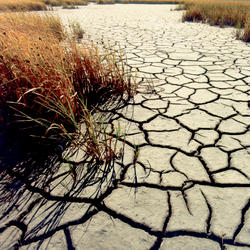
Developing and Testing a Drought Early Warning Product in the South-Central United States
Drought is a common result of climate variability in the south-central United States. With increasing temperatures and more variable precipitation patterns expected in the future, drought will continue to stress water quantity and quality in this region. University of Oklahoma researchers have demonstrated that the Palmer Drought Severity Index (PDSI), a measure of long-term drought...

Evaluating How Snow Avalanches Impact Mountain Goat Populations in Southeast Alaska
Snow avalanches alter mountain environments and have both beneficial and harmful effects on wildlife. Avalanches can benefit wildlife by creating open areas for grazing but can also be deadly when animals are buried in avalanche debris. Avalanches pose high risks to mountain goats because they inhabit rugged and steep terrain, but the actual impacts of avalanches on mountain goats remain...