



Ecologically-Driven Exposure Pathways Science Team
The Team Determines Factors That Influence Fish and Wildlife Exposure
to toxicants such as mercury in the environment
Scientists Can Sample Tissues and Blood in Small Birds Without Harm
to understand factors such as maternal transfer of contaminants to offspring
The Team Studies Factors that Influence Exposure Risk in Mammals
such as foraging and fasting behavior in elephant seals
Factors that Influence Pathogen Transmission are Identified
Advanced Techniques are used to Understand Contaminant Sources
The Ecologically-Driven Exposure Pathways Integrated Science Team identifies how ecological pathways and physiological processes within a single organism can alter exposure and toxicity of contaminants and pathogens and seek to understand outcomes at different scales from individuals to populations and ecosystems.
Contaminant and pathogen exposure alone does not necessarily result in adverse health outcomes in fish, wildlife, or humans. There are numerous pathways and processes that can alter the toxicity of naturally occurring and human-made contaminants in the environment.
The team uses their broad scientific expertise in hydrology, geochemistry, biology, and ecotoxicology to understand the complexities associated with the movement of toxicants and pathogens through the environment and within individual organisms. That information is used to determine how, where, and when exposure occurs and if exposure results in health risks to wildlife and humans.
Current Science Questions and Activities
-
What are the various ecological factors, such as habitats and foraging strategies, that influence the pathways of contaminant exposure, health risks to fish and wildlife?
-
What are the pathways of antimicrobial resistance in the environment?
-
What are the major intrinsic and extrinsic drivers of mercury exposure and risk to humans, fish, and wildlife at a global scale?
Media Sources/Usage: Some content may have restrictions. View Media Details
The Dragonfly Mercury Project Data Dashboard (usgs.gov) facilitates data exploration of the Dragonfly Mercury Project (DMP). Since 2014, the Dragonfly Mercury Project (DMP) has measured mercury concentrations in dragonfly larvae from U.S. National Parks and Protected Places across the country to assess potential environmental health risks due to mercury. -
What are the internal physiological determinants such as metababolism, transfer of mercury to offspring, changes in body mass, and molting that influence exposure and health risks in fish and wildlife?
-
How do the internal factors differ among species and life stages?
-
What are the Influences of landscape alterations, perturbations, and restoration on pathways and movement of contaminants through ecosystems and bioaccumulation into the food web of aquatic biota?
-
Do multiple types and chemical mixtures have additive, synergistic, or antagonistic effects that influence the health of fish and wildlife?
-
What are the internal and external drivers and regulators of human exposure to mercury?
- What is the risk of pathogen exposure and transmission among wildlife, livestock, and humans?
-
What are the key environmental factors that control the viability of avian influenza virus shed by wild birds and what are the key environmental pathways of exposure and transmission of the virus?
-
What is the role of soil, water, and vegetation in disease transmission such as Chronic Wasting Disease?
-
How do invasive species influence the timing of contaminant uptake and bioaccumulation in fish and wildlife?
USGS science related to this science team’s activities.

Organic Contaminant Levels and the Reproductive Success of Ospreys in Chesapeake Bay

Synthesis of Mercury Distribution and Bioaccumulation Across Western North America

Low Levels of Contaminants Found in Great Lakes Tree Swallow Eggs

Winter Eagle Deaths at Great Salt Lake due to West Nile Virus

Human Influenza Virus Infects Sea Otters
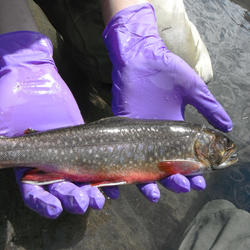
Mercury in Fish from 21 National Parks in the West
The Ecologically-Driven Exposure Pathways Integrated Science Team identifies how ecological pathways and physiological processes within a single organism can alter exposure and toxicity of contaminants and pathogens and seek to understand outcomes at different scales from individuals to populations and ecosystems.
Contaminant and pathogen exposure alone does not necessarily result in adverse health outcomes in fish, wildlife, or humans. There are numerous pathways and processes that can alter the toxicity of naturally occurring and human-made contaminants in the environment.
The team uses their broad scientific expertise in hydrology, geochemistry, biology, and ecotoxicology to understand the complexities associated with the movement of toxicants and pathogens through the environment and within individual organisms. That information is used to determine how, where, and when exposure occurs and if exposure results in health risks to wildlife and humans.
Current Science Questions and Activities
-
What are the various ecological factors, such as habitats and foraging strategies, that influence the pathways of contaminant exposure, health risks to fish and wildlife?
-
What are the pathways of antimicrobial resistance in the environment?
-
What are the major intrinsic and extrinsic drivers of mercury exposure and risk to humans, fish, and wildlife at a global scale?
Media
Sources/Usage: Some content may have restrictions. View Media DetailsThe Dragonfly Mercury Project Data Dashboard (usgs.gov) facilitates data exploration of the Dragonfly Mercury Project (DMP). Since 2014, the Dragonfly Mercury Project (DMP) has measured mercury concentrations in dragonfly larvae from U.S. National Parks and Protected Places across the country to assess potential environmental health risks due to mercury. -
What are the internal physiological determinants such as metababolism, transfer of mercury to offspring, changes in body mass, and molting that influence exposure and health risks in fish and wildlife?
-
How do the internal factors differ among species and life stages?
-
What are the Influences of landscape alterations, perturbations, and restoration on pathways and movement of contaminants through ecosystems and bioaccumulation into the food web of aquatic biota?
-
Do multiple types and chemical mixtures have additive, synergistic, or antagonistic effects that influence the health of fish and wildlife?
-
What are the internal and external drivers and regulators of human exposure to mercury?
- What is the risk of pathogen exposure and transmission among wildlife, livestock, and humans?
-
What are the key environmental factors that control the viability of avian influenza virus shed by wild birds and what are the key environmental pathways of exposure and transmission of the virus?
-
What is the role of soil, water, and vegetation in disease transmission such as Chronic Wasting Disease?
-
How do invasive species influence the timing of contaminant uptake and bioaccumulation in fish and wildlife?
USGS science related to this science team’s activities.
Organic Contaminant Levels and the Reproductive Success of Ospreys in Chesapeake Bay
Synthesis of Mercury Distribution and Bioaccumulation Across Western North America
Low Levels of Contaminants Found in Great Lakes Tree Swallow Eggs
Winter Eagle Deaths at Great Salt Lake due to West Nile Virus
Human Influenza Virus Infects Sea Otters