



USGS Eastern Ecological Science Center at the 2026 Northeast Fish & Wildlife Conference
USGS Eastern Ecological Science Center (EESC) researchers are presenting findings of scientific studies at the 81st Annual Northeast Fish & Wildlife Conference in White Sulphur Springs, West Virginia from April 7-10, 2026.
The Northeast Fish & Wildlife Conference is hosted by the Northeast Association of Fish & Wildlife Agencies (NEAFWA), a regional partnership of state and provincial wildlife agencies across the Northeast. NEAFWA brings agencies together to coordinate conservation priorities, share expertise, and collaborate on regional natural resource issues. Member jurisdictions span the U.S. Northeast and eastern Canadian provinces.
The conference is attended by resource professionals in the fields of wildlife biology, fisheries and fisheries management, outreach and education, and law enforcement. USGS EESC scientists and team members attend to engage with strategic partners to understand state priority science needs and enhance awareness of USGS science capabilities and new products. USGS EESC’s partner-driven science supports decisions that sustain wildlife and management of the natural resources that underpin outdoor recreational activities such as fishing, hunting, birding, and hiking.
USGS EESC Presentations
Decision Science

April 08, 2026, 1:30 pm – 1:50 pm, Hayes Room (Conference Center)
EESC Contact: Sarah Clements
USGS is working with National Park Service (NPS) decision makers from Maine to Tennessee on a decision analysis focused on management of coldwater stream ecosystems under changing conditions. While each park faces distinct pressures that shape its management needs, shared elements of park-specific decision frameworks could present opportunities for a broadly applicable decision framework. This ongoing effort will help guide NPS management of coldwater stream and brook trout in units across the Eastern U.S. as temperature and precipitation conditions continue to change.
Fish & Wildlife Health and Disease
April 08, 2026, 5:30 pm–7:00 pm, Colonial Hall P-10
EESC Contact: Dylan Wichman
USGS helped to clarify the prevalence of dermal lesions and abnormalities in channel catfish and identify potential pathogenic and parasitic contributors influencing fish health within the Shenandoah River system. These findings give Virginia resource managers actionable information to guide fish health decisions, address concerns, and link biological conditions to watershed level environmental factors.
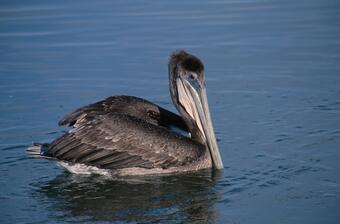
PFAS exposure in juvenile Cape Fear River Brown Pelicans (Pelecanus occidentalis)
April 08, 2026, 5:30 pm–7:00 pm, Colonial Hall P-23
EESC Contact: Natalie Karouna-Renier
USGS research shows that juvenile brown pelicans in the Cape Fear River Estuary are exposed to multiple per- and polyfluoroalkyl substances (PFAS) compounds at levels that may disrupt immune, endocrine, metabolic, and organ function, highlighting potential population‑level concerns for this priority coastal species. These findings provide state wildlife managers with early evidence to guide monitoring, habitat protection, and response strategies in PFAS affected coastal systems.
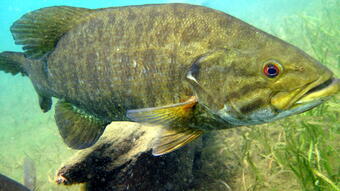
Environmental Drivers of Immunotoxicity and Disease Risk in Wild Smallmouth Bass
April 09, 2026, 10:20 am–10:40 am, Hayes Room (Conference Center)
EESC Contact: Cheyenne Smith
USGS research findings demonstrate that immune balance in wild bass is shaped by co-occurring stressors across biological and environmental scales. By linking immune endpoints with chemical, hydrologic, and land use drivers, this study provides actionable insights for fisheries management and highlights the value of holistic, long-term, fish health centered approaches for conserving freshwater systems under complex and changing stressor regimes.
April 09, 2026, 10:40 am–11:00 am, Hayes Room (Conference Center)
EESC Contact: Heather Walsh
USGS research findings show that smallmouth bass across four watersheds in Pennsylvania and West Virginia experience widespread PFAS exposure and indicate that environmentally relevant PFAS levels are linked to molecular and pathological signs of impaired health. These insights highlight potential risks to wild fish populations in contaminated watersheds and help states better evaluate PFAS-related threats.
Population Ecology
April 09, 2026, 5:10 pm – 5:30 pm, Greenbrier Theater (Lower Level)
EESC Contact: Andy Royle
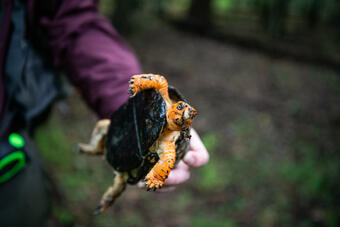
USGS research shows that Eastern box turtles at Jug Bay have declined by about 67% over 30 years, largely due to reduced recruitment even though adult survival has remained stable. These findings give Maryland essential long‑term demographic data to help set conservation priorities, evaluate Species of Greatest Conservation Need status, and guide population viability analyses for informed management decisions.
Ecotoxicology

April 10, 2026, 8:20 am– 8:40 am, Eisenhower C (Lower Level)
EESC Contact: Barnett Rattner
Second-generation anticoagulant rodenticides (SGARs) are highly persistent and bioaccumulative, posing sustained risks to raptors and other wildlife despite regulatory restrictions. Long‑term monitoring in the northeastern U.S. shows that SGAR exposure in raptors remains widespread, with increasing cases of multiple SGARs detected in individual animals. These research findings can help states refine rodent control policies, strengthen monitoring programs, and encourage adoption of more ecologically responsible alternatives.
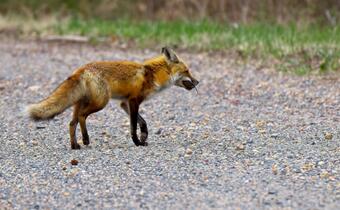
April 10, 2026, 10:20 am – 10:40 am, Eisenhower C (Lower Level)
EESC Contact: Jenn Malpass
Anticoagulant rodenticides are increasingly detected in wildlife, raising concerns for population management and ecosystem health. USGS and NEAFWA partnered in 2026 to engage wildlife professionals on this topic to help identify key challenges and support the Association of Fish & Wildlife Agencies’ development of a management toolkit. Key findings from these engagements will be presented followed by a roundtable discussion of next steps to empower state agencies and others to develop practical strategies to help address the needs of multiple stakeholders and advance opportunities to better balance rodent control with healthy, sustainable wildlife populations.