



Agriculture
Agriculture
Filter Total Items: 6
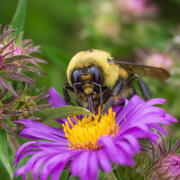
Science for effective pollinator conservation and improved food security
Pollinators, including bees, flies, butterflies, bats, birds, and other animals, are critically important to U.S. ecosystems and agriculture. Recent reports of declines of pollinator species have led to widespread actions to conserve pollinator habitat and recover imperiled species, but resource managers need accurate data and science to support management actions. USGS pollinator research helps...

Conservation Practices in Agriculturally Dominated Landscapes
Agricultural land use accounts for over 50 percent of the surface area of the contiguous United States. How these lands are managed has direct and indirect implications for wildlife, water quality, and air quality in terrestrial, aquatic, and marine ecosystems locally and far beyond their extent. This project is focused on ways to greater maximize the potential of the US Department of Agriculture...

Agricultural Practices
Agricultural lands account for more than 50% of the lower 48 states and the effects of agricultural land use reach beyond individual fields and farms affecting terrestrial and migratory wildlife. Thus, it is important to know what long-term benefits US Department of Agriculture (USDA) conservation programs and policies have on wildlife habitat and the American public. The USDAs Conservation...

Mapping Grassland Bird Community Distribution under a Changing Landscape
Researchers from the U.S. Geological Survey, the U.S. Department of Agriculture-Agricultural Research Service, and University of Arizona are studying the distribution of grassland bird communities across the western Great Plains to anticipate how species distributions may respond to a changing landscape.

Greater Sage-Grouse Science (2015–17): Synthesis and Potential Management Implications
USGS led an interagency team of Federal and State agency biologists to develop a report that synthesizes greater sage-grouse scientific literature.

Native Pollinators in Agricultural Ecosystems
Beginning in 2012, the USGS collaborated with the USDA to assess the effectiveness of pollinator plantings and how alteration of landscapes has affected native pollinators and potentially contributed to their decline. The 2008 Farm Bill recognized contributions made by pollinators and made conservation of pollinator habitat a priority. The USGS is assessing native bee habitat, diversity, and...