



Yosemite Valley from the Yosemite Falls trail. Yosemite Valley is a glacial valley in the Sierra Nevada mountains and the focal point of Yosemite National Park. The Valley is drained by the Merced River.
Images
Images
Filter Total Items: 9448
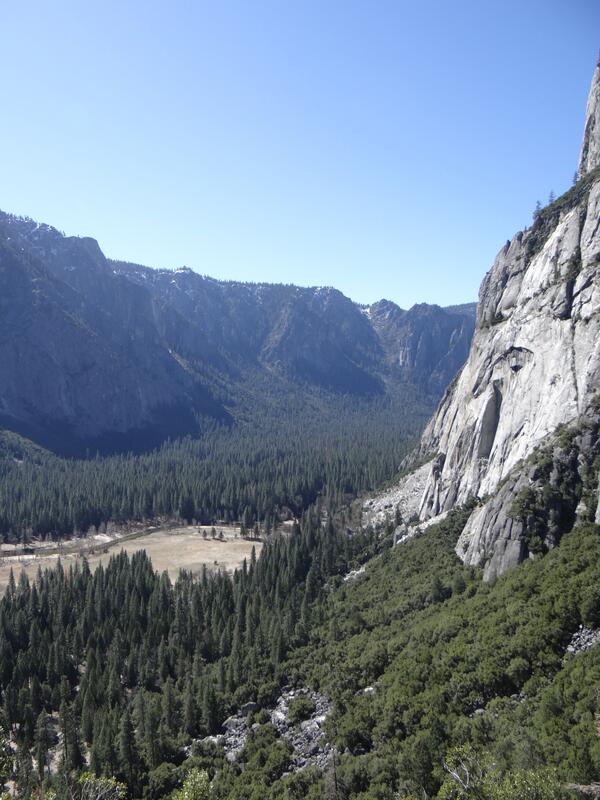
Yosemite Valley and Merced River
Yosemite Valley from the Yosemite Falls trail. Yosemite Valley is a glacial valley in the Sierra Nevada mountains and the focal point of Yosemite National Park. The Valley is drained by the Merced River.
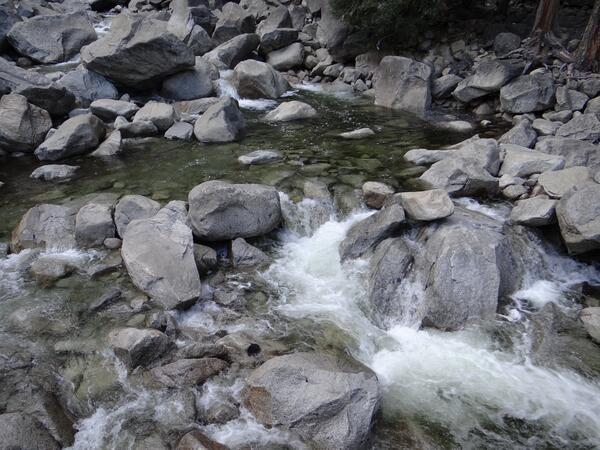
Yosemite Creek
In this image, Yosemite Creek may be seen just below the base of Yosemite Falls. Yosemite Creek is a 31.2 mile long creek in Yosemite National Park. It eventually joins with the Merced River in Yosemite Valley.
In this image, Yosemite Creek may be seen just below the base of Yosemite Falls. Yosemite Creek is a 31.2 mile long creek in Yosemite National Park. It eventually joins with the Merced River in Yosemite Valley.
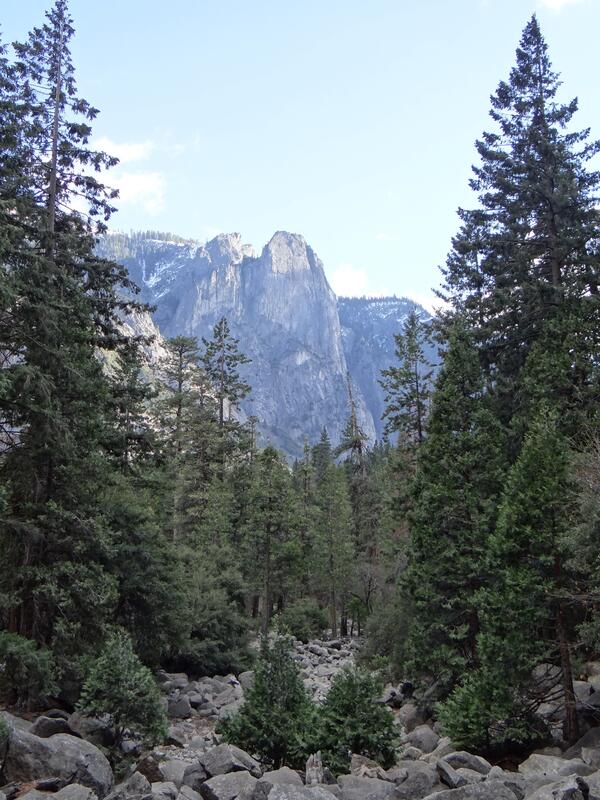
Moran Point
An image of Moran Point from the base of Lower Yosemite Falls within Yosemite Valley.
An image of Moran Point from the base of Lower Yosemite Falls within Yosemite Valley.
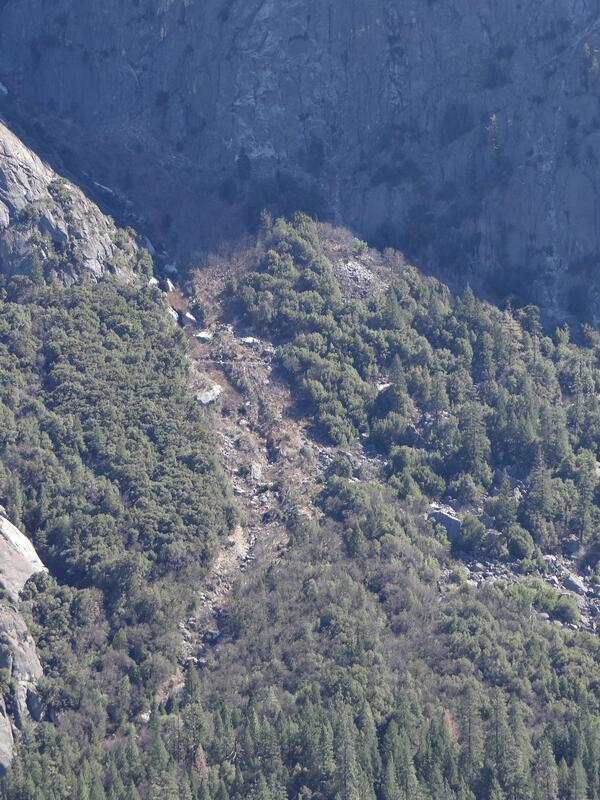
Landslide Detail below Moran Point
In this image, a landslide may be seen in detail below Moran Point in Yosemite Valley. The broken rock fragments are often referred to as talus deposits or scree.
In this image, a landslide may be seen in detail below Moran Point in Yosemite Valley. The broken rock fragments are often referred to as talus deposits or scree.

USGS scientist collecting time-domain electromagnetic sounding
USGS scientist collecting time-domain electromagnetic soundingUSGS scientist Jon Thomas collecting time-domain electromagnetic sounding in the Texas southern high plains to measure hydrogeologic properties below the land surface.
USGS scientist collecting time-domain electromagnetic sounding
USGS scientist collecting time-domain electromagnetic soundingUSGS scientist Jon Thomas collecting time-domain electromagnetic sounding in the Texas southern high plains to measure hydrogeologic properties below the land surface.
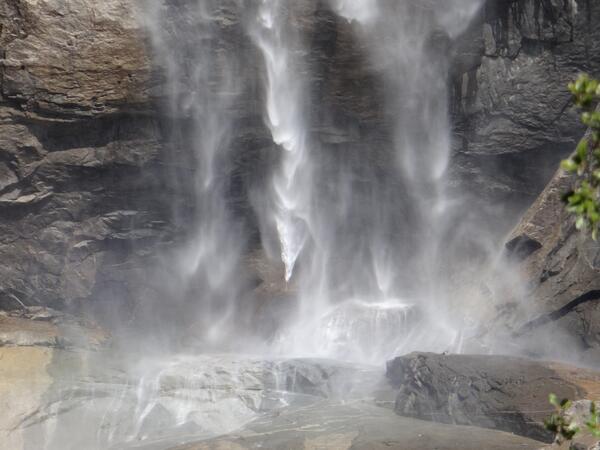
Upper Yosemite Falls Detail
In this image, a detailed view Upper Yosemite Falls may be seen from the Yosemite Falls Trail. Upper Yosemite Falls has a total plunge of 1,430 ft (440 m). Yosemite Falls is one of the most famous waterfalls within Yosemite National Park.
In this image, a detailed view Upper Yosemite Falls may be seen from the Yosemite Falls Trail. Upper Yosemite Falls has a total plunge of 1,430 ft (440 m). Yosemite Falls is one of the most famous waterfalls within Yosemite National Park.
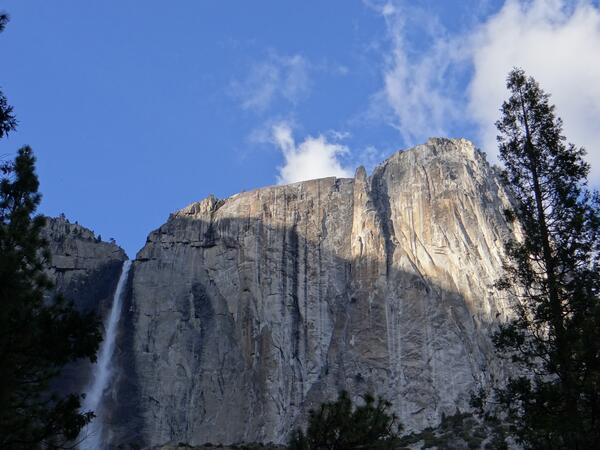
Yosemite Falls and Pinnacle
In this image, a large pinnacle may be seen adjacent to Yosemite Falls. Pinnacles form as the granite is weathered away via ice, water, or plant growth.
In this image, a large pinnacle may be seen adjacent to Yosemite Falls. Pinnacles form as the granite is weathered away via ice, water, or plant growth.
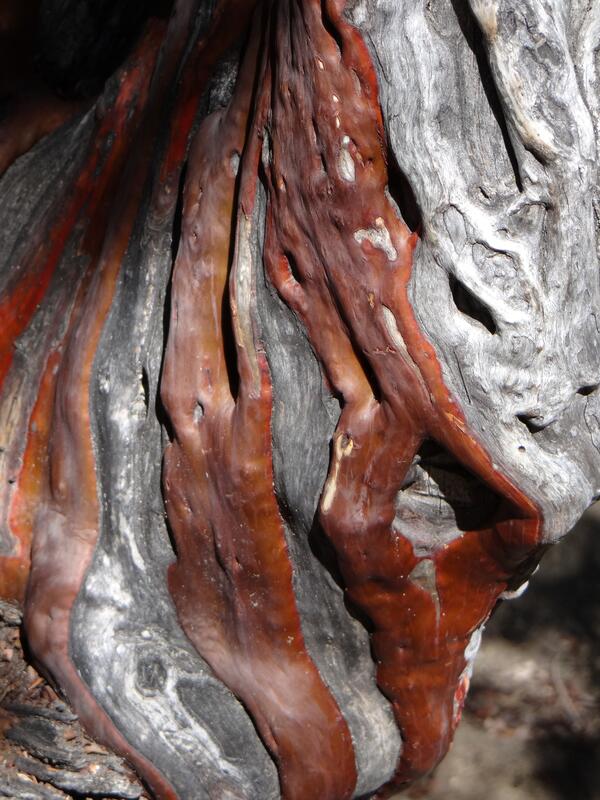
Manzanita Bark Detail
Manzanita bark is one of the shrub's most distinguishing features. New bark is smooth and red, while older bark becomes weathered by sunlight to light gray or white.
Manzanita bark is one of the shrub's most distinguishing features. New bark is smooth and red, while older bark becomes weathered by sunlight to light gray or white.
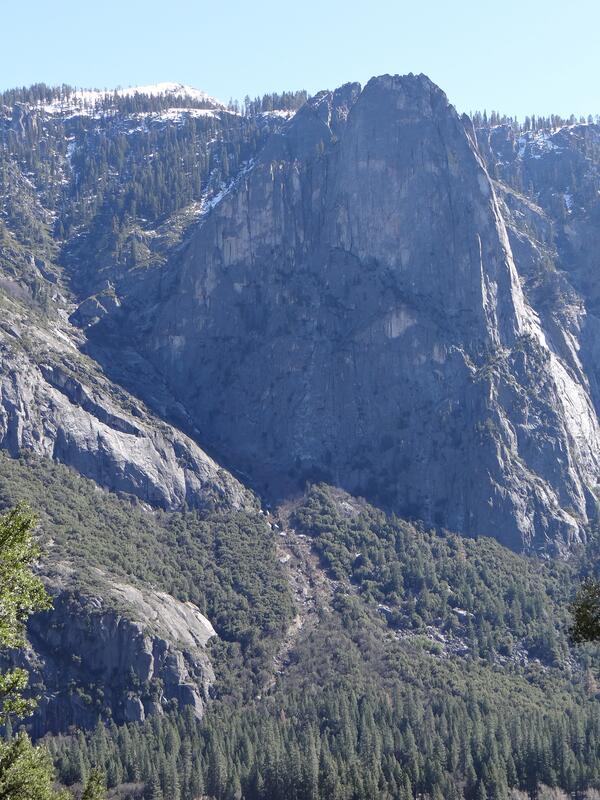
Landslide below Moran Point
In this image, a landslide may be seen below Moran Point in Yosemite Valley. The broken rock fragments are often referred to as talus deposits or scree.
In this image, a landslide may be seen below Moran Point in Yosemite Valley. The broken rock fragments are often referred to as talus deposits or scree.
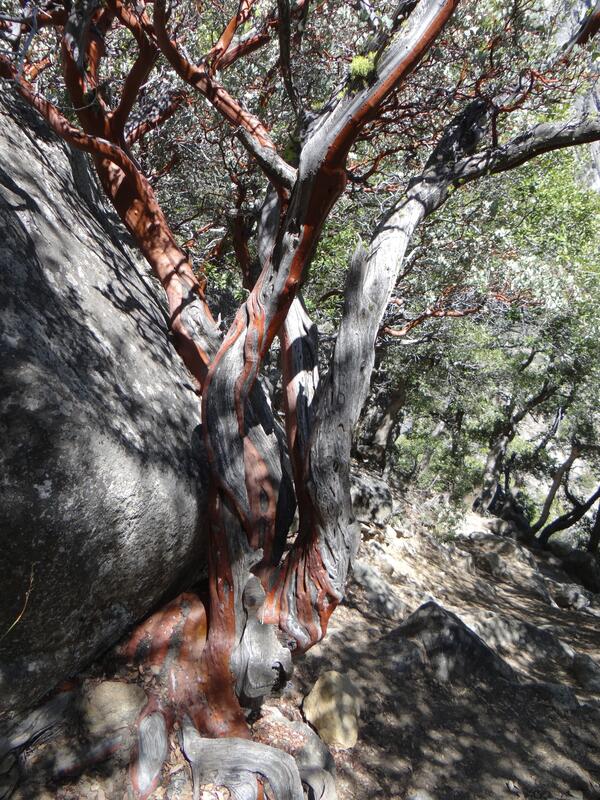
Manzanita Bark
Manzanita bark is one of the shrub's most distinguishing features. New bark is smooth and red, while older bark becomes weathered by sunlight to light gray or white.
Manzanita bark is one of the shrub's most distinguishing features. New bark is smooth and red, while older bark becomes weathered by sunlight to light gray or white.
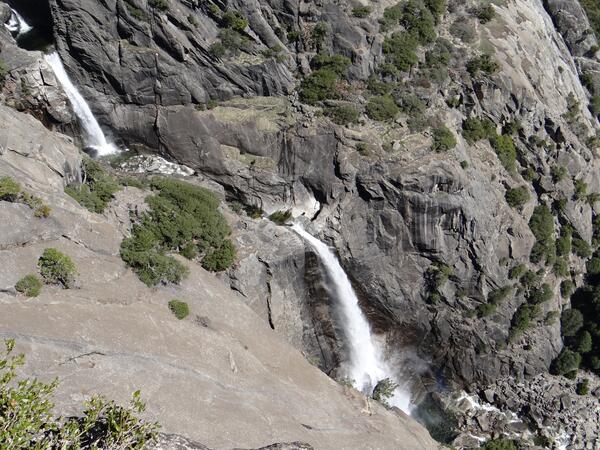
Middle and Lower Yosemite Falls
In this image, Middle Cascades and Lower Yosemite Falls may be seen from left to right. Middle Cascades have a total drop of 673 ft (206 m), while Lower Yosemite Falls has a drop of 320 ft (98 m). Yosemite Falls is one of the most famous waterfalls within Yosemite National Park.
In this image, Middle Cascades and Lower Yosemite Falls may be seen from left to right. Middle Cascades have a total drop of 673 ft (206 m), while Lower Yosemite Falls has a drop of 320 ft (98 m). Yosemite Falls is one of the most famous waterfalls within Yosemite National Park.

Manzanita with Half Dome
In this image, a manzanita shrub may be seen with Half Dome behind it. Manzanitas are evergreen shrubs with orange or red bark.
In this image, a manzanita shrub may be seen with Half Dome behind it. Manzanitas are evergreen shrubs with orange or red bark.
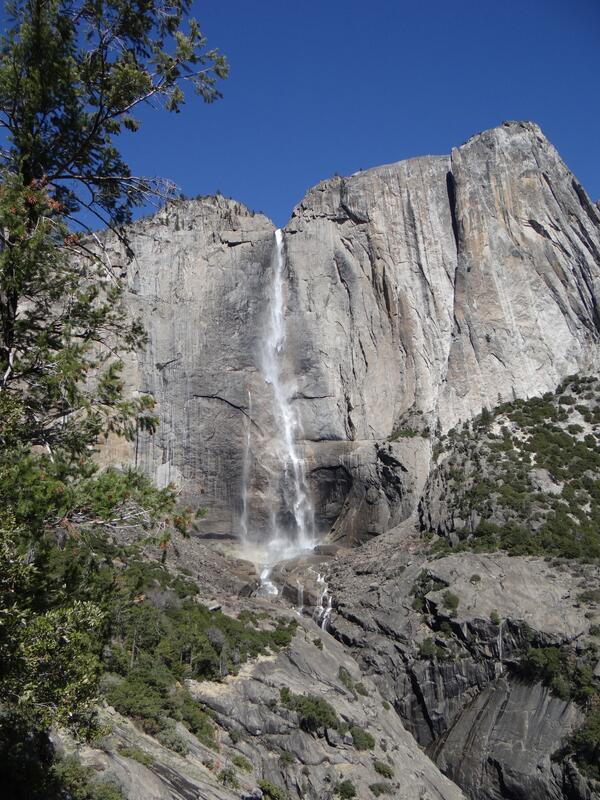
Upper Yosemite Falls
In this image, Upper Yosemite Falls may be seen from the Yosemite Falls Trail. Upper Yosemite Falls has a total plunge of 1,430 ft (440 m). Yosemite Falls is one of the most famous waterfalls within Yosemite National Park.
In this image, Upper Yosemite Falls may be seen from the Yosemite Falls Trail. Upper Yosemite Falls has a total plunge of 1,430 ft (440 m). Yosemite Falls is one of the most famous waterfalls within Yosemite National Park.

Yosemite Falls and Half Dome Panorama
In this panorama, Yosemite Falls may be seen on the left and Half Dome on the right. Yosemite Falls is the tallest known waterfall in North America, with a total plunge of 2,425 ft (739 m). Half Dome is a granite dome, part of the Sierra Nevada batholith.
In this panorama, Yosemite Falls may be seen on the left and Half Dome on the right. Yosemite Falls is the tallest known waterfall in North America, with a total plunge of 2,425 ft (739 m). Half Dome is a granite dome, part of the Sierra Nevada batholith.
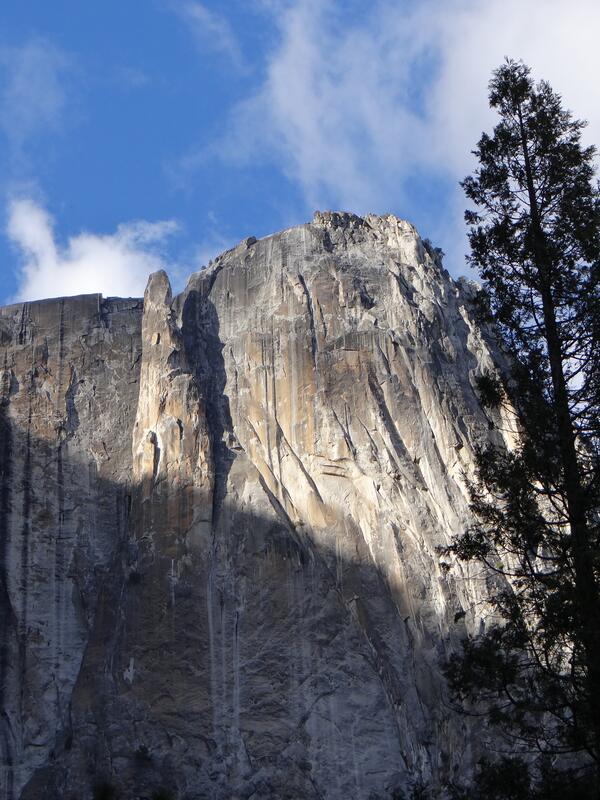
Pinnacle near Yosemite Falls
In this image, a large pinnacle may be seen adjacent to Yosemite Falls. Pinnacles form as the granite is weathered away via ice, water, or plant growth.
In this image, a large pinnacle may be seen adjacent to Yosemite Falls. Pinnacles form as the granite is weathered away via ice, water, or plant growth.
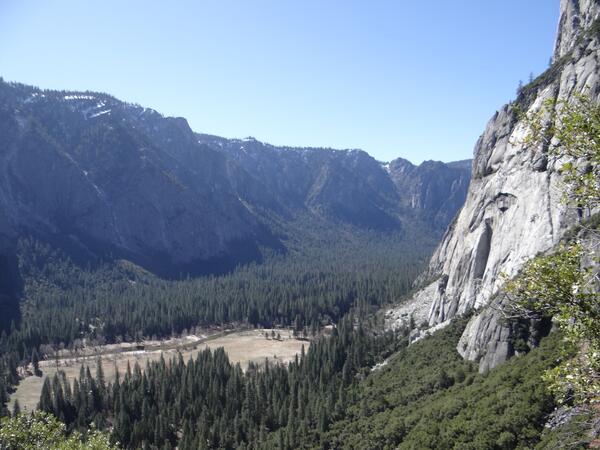
Yosemite Valley and Merced River
Yosemite Valley from the Yosemite Falls trail. Yosemite Valley is a glacial valley in the Sierra Nevada mountains and the focal point of Yosemite National Park. The Valley is drained by the Merced River.
Yosemite Valley from the Yosemite Falls trail. Yosemite Valley is a glacial valley in the Sierra Nevada mountains and the focal point of Yosemite National Park. The Valley is drained by the Merced River.
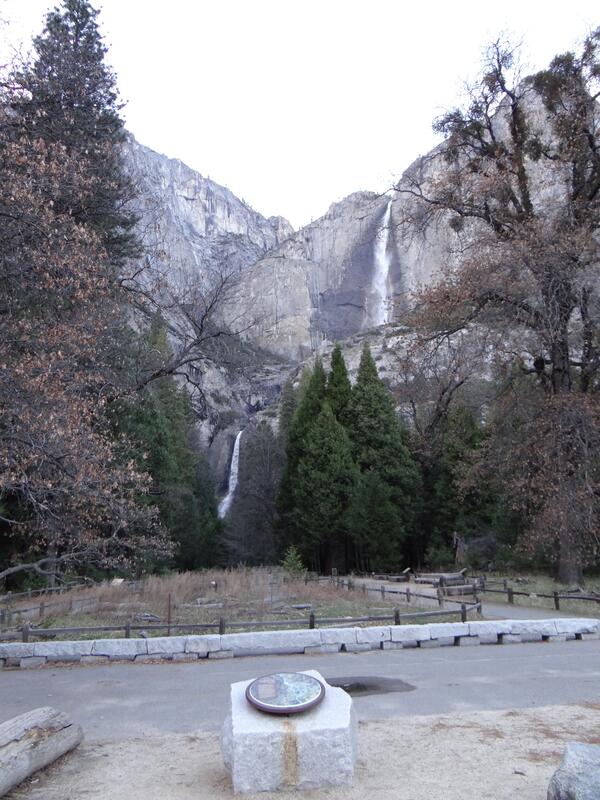
Base of Yosemite Falls
In this image, Yosemite Falls may be seen from its base. Yosemite Falls is the tallest waterfall in North America. It is about 2,425 ft (739 m) high. Yosemite Falls is one of the most famous waterfalls within Yosemite National Park.
In this image, Yosemite Falls may be seen from its base. Yosemite Falls is the tallest waterfall in North America. It is about 2,425 ft (739 m) high. Yosemite Falls is one of the most famous waterfalls within Yosemite National Park.
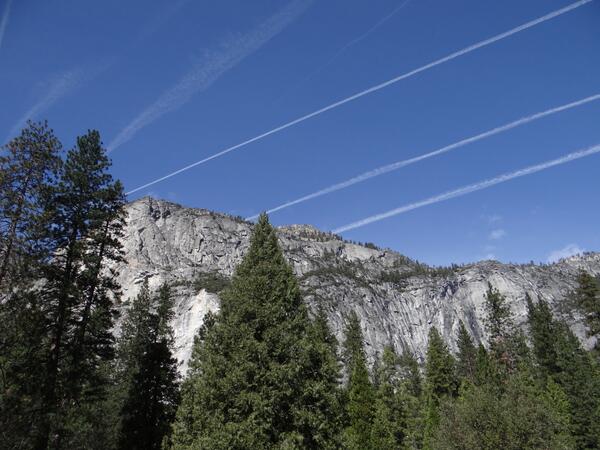
El Capitan beneath Contrails
In this image, the east side of El Capitan may be seen beneath several jet contrails. El Capitan is a granite monolith that rises about 3,000 ft (900 m) from the valley floor and is one of Yosemite National Park's most famous landmarks.
In this image, the east side of El Capitan may be seen beneath several jet contrails. El Capitan is a granite monolith that rises about 3,000 ft (900 m) from the valley floor and is one of Yosemite National Park's most famous landmarks.
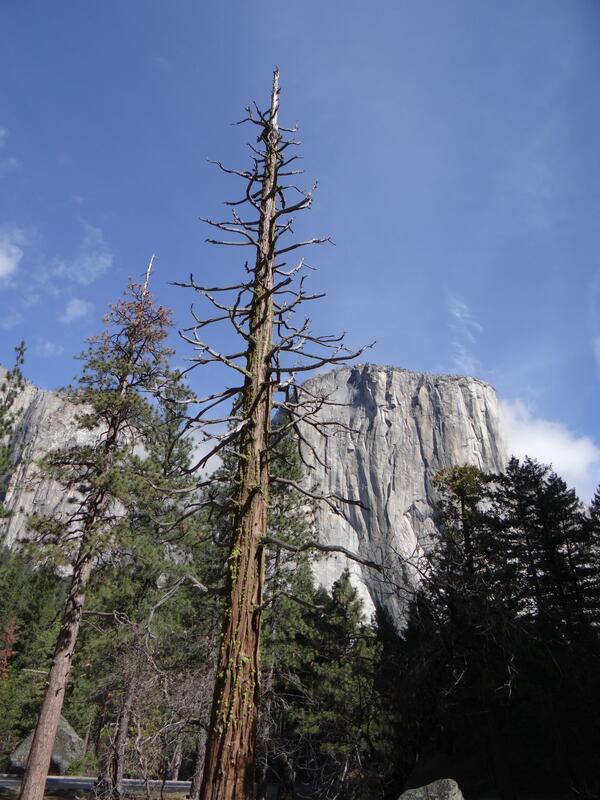
El Capitan
In this image, the south side of El Capitan may be seen. El Capitan is a granite monolith that rises about 3,000 ft (900 m) from the valley floor and is one of Yosemite National Park's most famous landmarks.
In this image, the south side of El Capitan may be seen. El Capitan is a granite monolith that rises about 3,000 ft (900 m) from the valley floor and is one of Yosemite National Park's most famous landmarks.
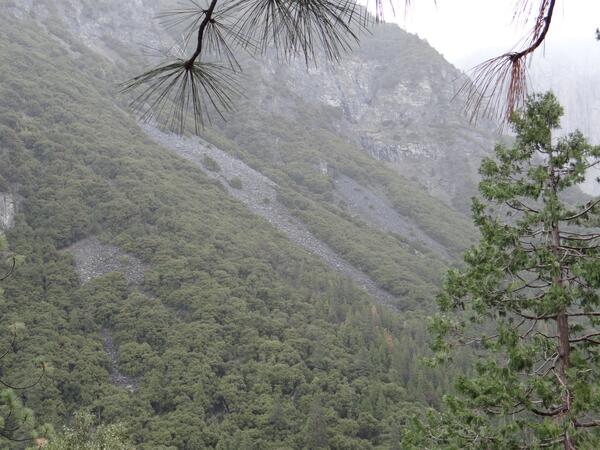
Talus Flows in Yosemite Valley
Through breaks in the trees, talus deposits may be seen along the valley walls of Yosemite Valley. Talus deposits, also known as scree, are collections of broken rock fragments that have accumulated over time as rock weathers and breaks off from the cliffs above. This process can occur via various mechanisms, including ice, topographic stress, and plants.
Through breaks in the trees, talus deposits may be seen along the valley walls of Yosemite Valley. Talus deposits, also known as scree, are collections of broken rock fragments that have accumulated over time as rock weathers and breaks off from the cliffs above. This process can occur via various mechanisms, including ice, topographic stress, and plants.
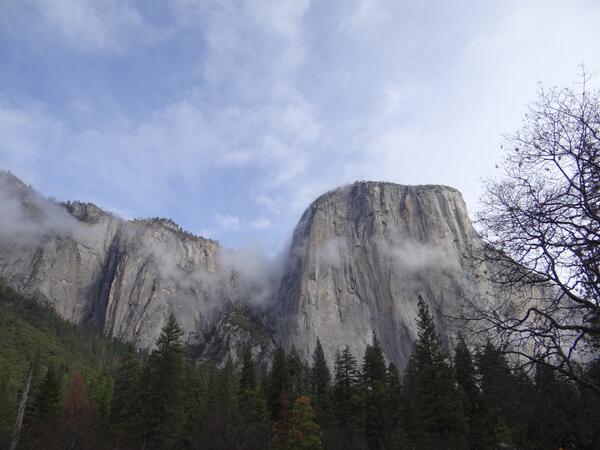
El Capitan with Fog Clearing
In this image, the south side of El Capitan may be seen as fog clears around it. El Capitan is a granite monolith that rises about 3,000 ft (900 m) from the valley floor and is one of Yosemite National Park's most famous landmarks.
In this image, the south side of El Capitan may be seen as fog clears around it. El Capitan is a granite monolith that rises about 3,000 ft (900 m) from the valley floor and is one of Yosemite National Park's most famous landmarks.