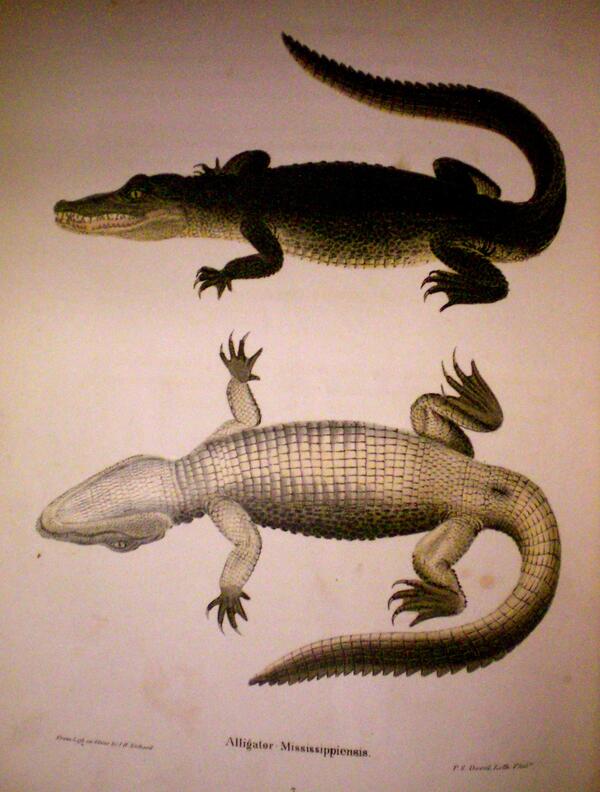
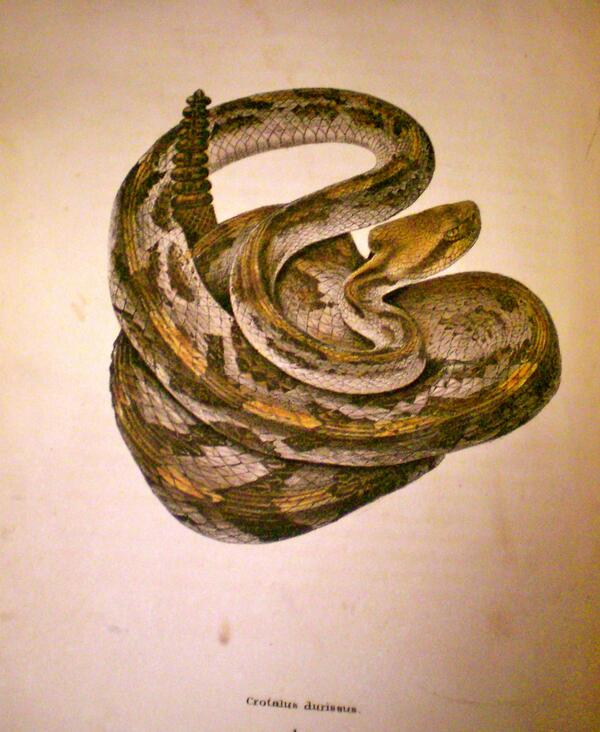
This 167 year-old hand-colored plate is just one example of the artistry that can be found in this book.
Images
Images
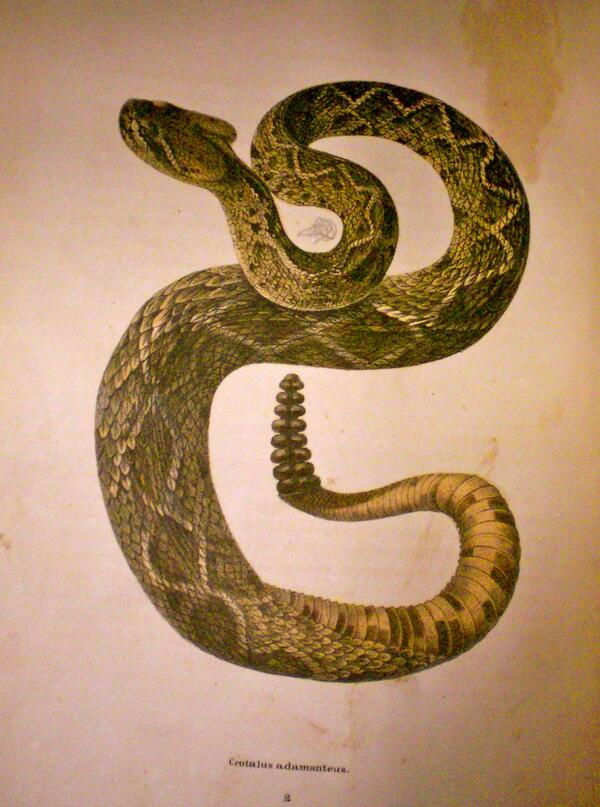
This 167 year-old hand-colored plate is just one example of the artistry that can be found in this book.
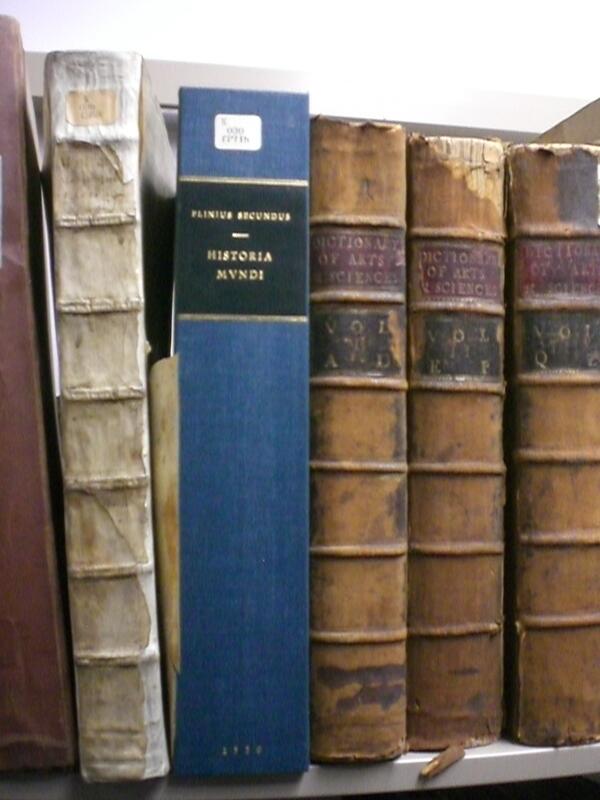
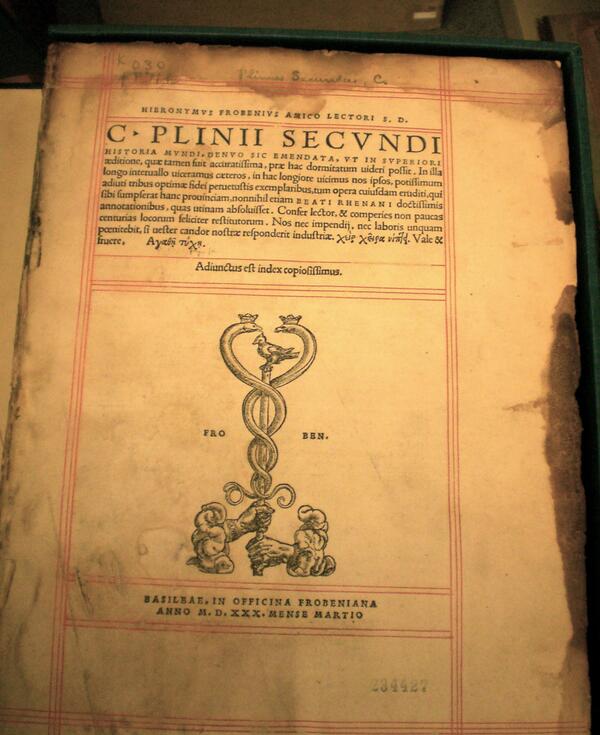
This 479 year old volume is stored in a specially-made box that protects it from further damage by exposure to light.
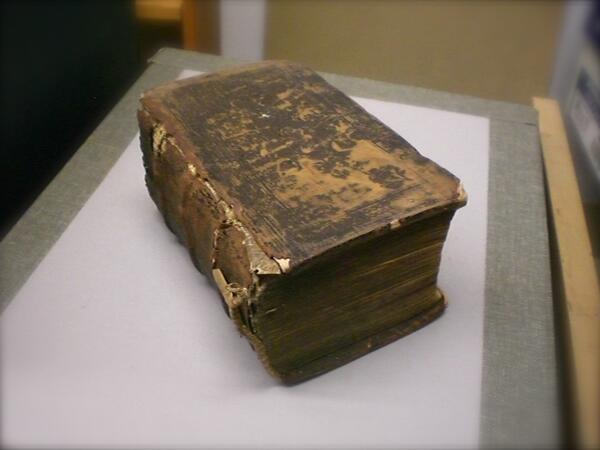
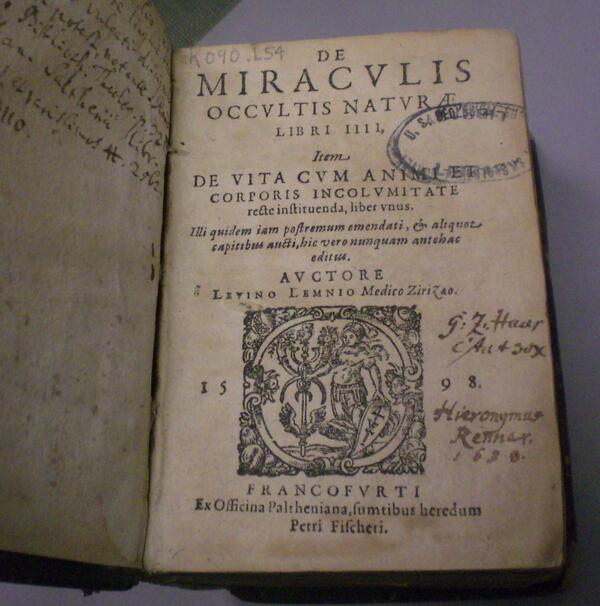
This 398 year old book is tiny but is still a valuable resource to researchers of the earth and natural sciences.
This 167 year-old hand-colored plate is just one example of the artistry that can be found in this book.
This 398 year old book is tiny but is still a valuable resource to researchers of the earth and natural sciences.
This 167 year-old hand-colored plate is just one example of the artistry that can be found in this book.
The USGS Library contains a collection of rare books including those featured in this gallery. The collections housed in Reston, Virginia are closed and are available for use by appointment only.
This 479 year-old volume, in Latin, was written by Plinius Secundus.
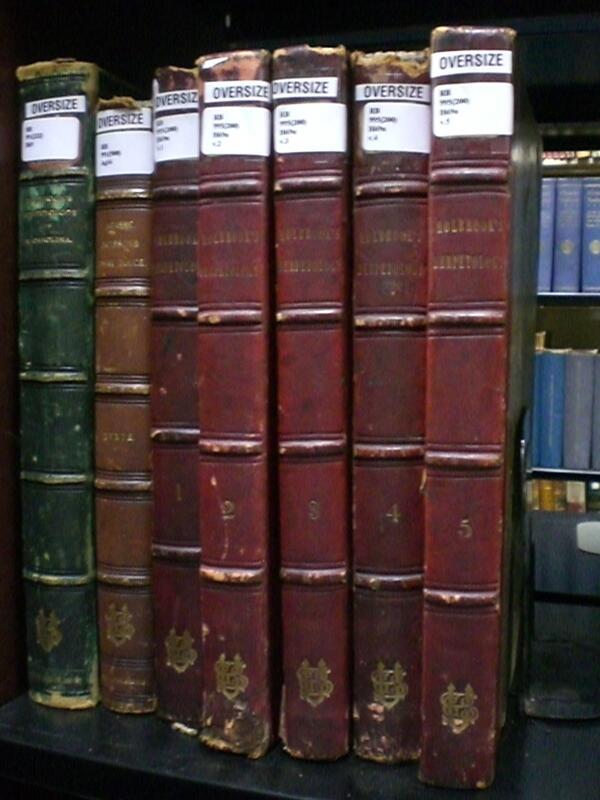
This five volume set of materials, publshed in 1842, features hand-colored plates of the reptiles found in North America early in the history of the nation.
On November 9, 2009, Secretary Salazar visited the Audubon National Wildlife Refuge in Coleharbor, North Dakota, to tour the facilities, meet with staff, and observe the construction currently taking place.
Secretary Salazar shares a laugh with workers, who are constructing a new headquarters and visitor center for the Audubon National Wildlife Refuge. This project is being funded by the Recovery Act.
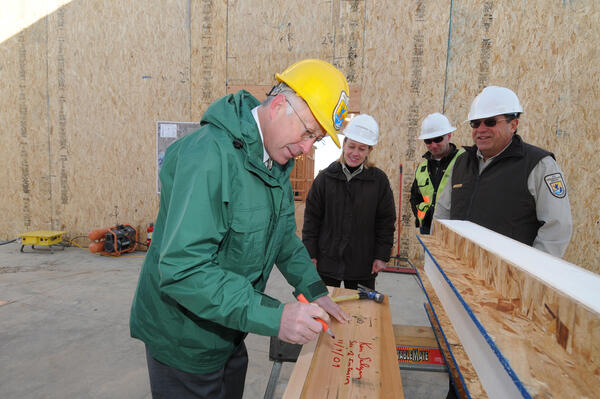
Secretary Salazar signs a piece of wood that will be part of the new Audubon NWR Headquarters and Visitor Center to commemorate his visit.
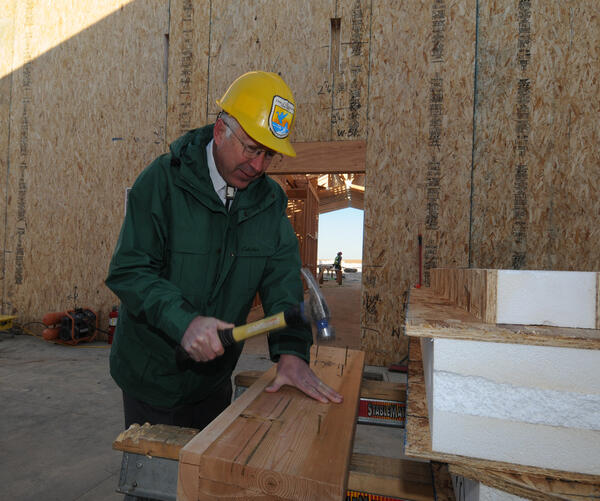
Secretary Salazar contributes to the construction of the Audubon NWR headquarters and visitor center. When complete, the center will provide a quality experience for visitors and offer hands-on lessons in a multipurpose classroom.
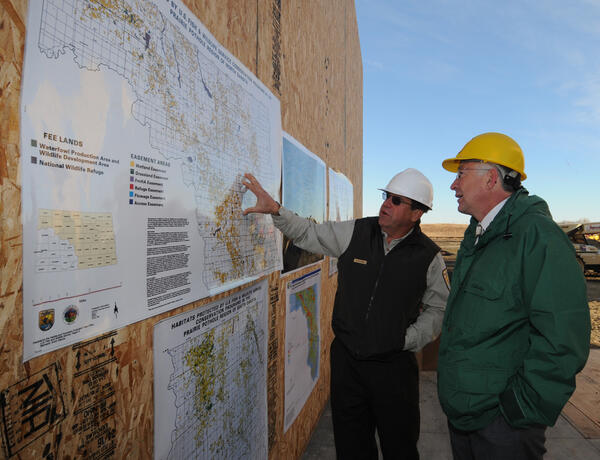
Secretary Salazar and Lloyd Jones, Superintendent of the Audubon National Wildlife Refuge, discuss conservation programs taking place in North Dakota.
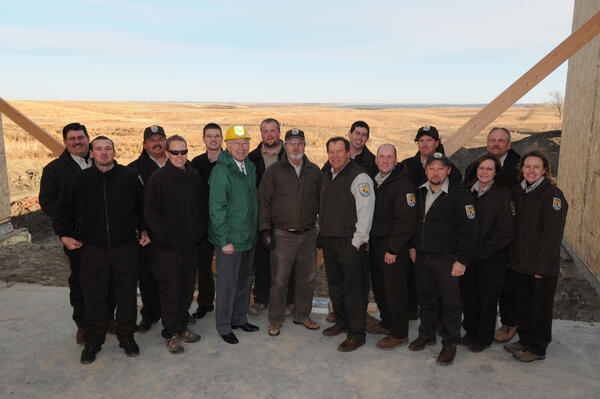
Secretary Salazar takes a picture with FWS staff after a productive day at the Audubon National Wildlife Refuge.
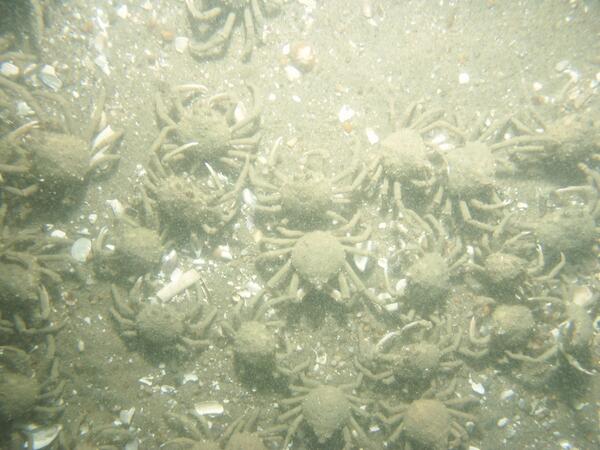
This photograph is of the seafloor off the Plum Island coast and shows spider crabs on seabed characterized by coarse sand, gravelly sediment and shell fragments.
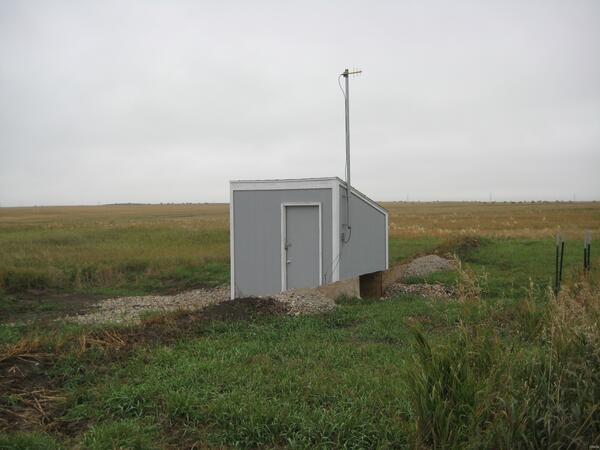
North Dakota Discovery Farms Underwood waterway site at Underwood, ND.
Sampling terrace deposits above the Cheyenne River in South Dakota. Terrace deposits are serving as background readings for a sediment contamination study (Huron/Rapid City, SD, Water Science Centers). Kevin Baker is collecting samples in the trench. John Stamm is taking notes.
At high tide, the red bark of the Red Mangrove Trees is submerged, creating a brilliant reflection at the water's surface. Flat Tree Oysters (Isognomon alatus) grow on the upper portions of the roots.
National Wetlands Research Center scientists use air boats for the marsh studies along the Gulf of Mexico.
Sponges, such as the blue, green and orange ones growing on these prop roots, provide much of the color in the Hurricane Hole mangroves.