



The kit contains over 600 pieces and was used at the Bird Banding Laboratory at the Patuxent Wildlife Research Center, Maryland.
Object ID: USGS-000219
Images
Images
Filter Total Items: 9454

Bird-banding Kit
The kit contains over 600 pieces and was used at the Bird Banding Laboratory at the Patuxent Wildlife Research Center, Maryland.
Object ID: USGS-000219
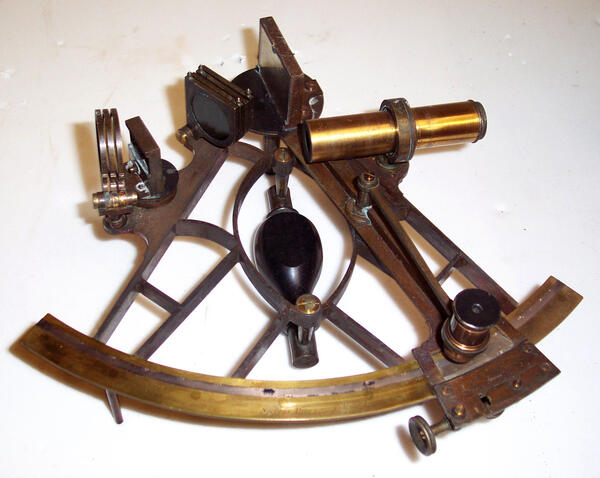
Quintant Sextant or Lattice Sextant
This instrument was manufactured by Spencer, Browning & Rust, London. A sextant is used for measuring the altitude of the sun or another celestial body; such measurements can then be used to determine the observer's geographical position or for other navigational, surveying, or astronomical applications.
This instrument was manufactured by Spencer, Browning & Rust, London. A sextant is used for measuring the altitude of the sun or another celestial body; such measurements can then be used to determine the observer's geographical position or for other navigational, surveying, or astronomical applications.
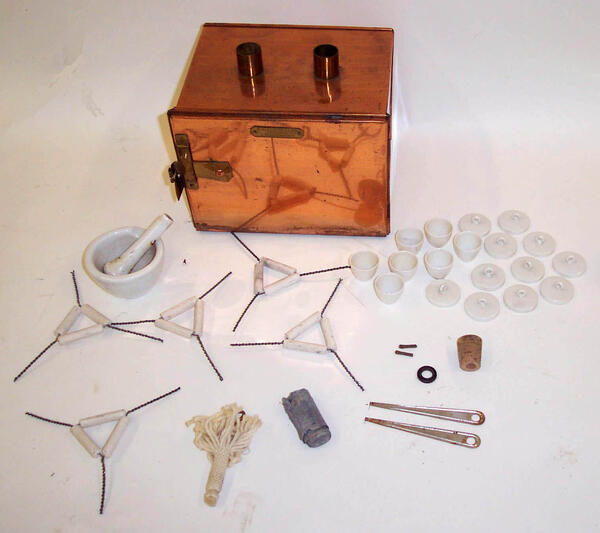
Copper Crucible Oven
Manufactured by E.H. Sargent and Company. The set includes the oven, ceramic crucibles, a mortar & pestle, lead tape and stirrers.
Object ID: USGS-000233
Manufactured by E.H. Sargent and Company. The set includes the oven, ceramic crucibles, a mortar & pestle, lead tape and stirrers.
Object ID: USGS-000233
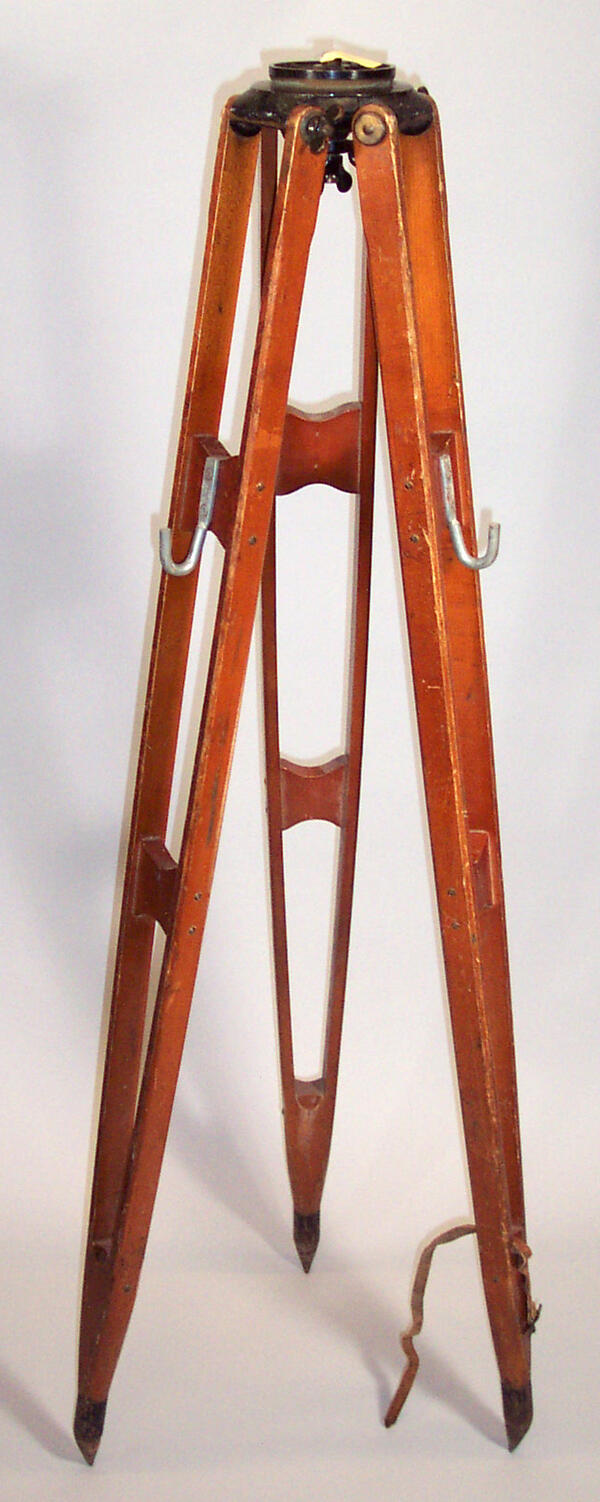
Split-leg Tripod (Plane Table Base)
Constructed of maple with cast bronze Johnson Head, leather strap, cast steel shoes and attached hooks (probably not original). This tripod is about 50-1/2" in height (closed) and is nearly identical to another tripod in the USGS Collection (USGS-492).
Constructed of maple with cast bronze Johnson Head, leather strap, cast steel shoes and attached hooks (probably not original). This tripod is about 50-1/2" in height (closed) and is nearly identical to another tripod in the USGS Collection (USGS-492).
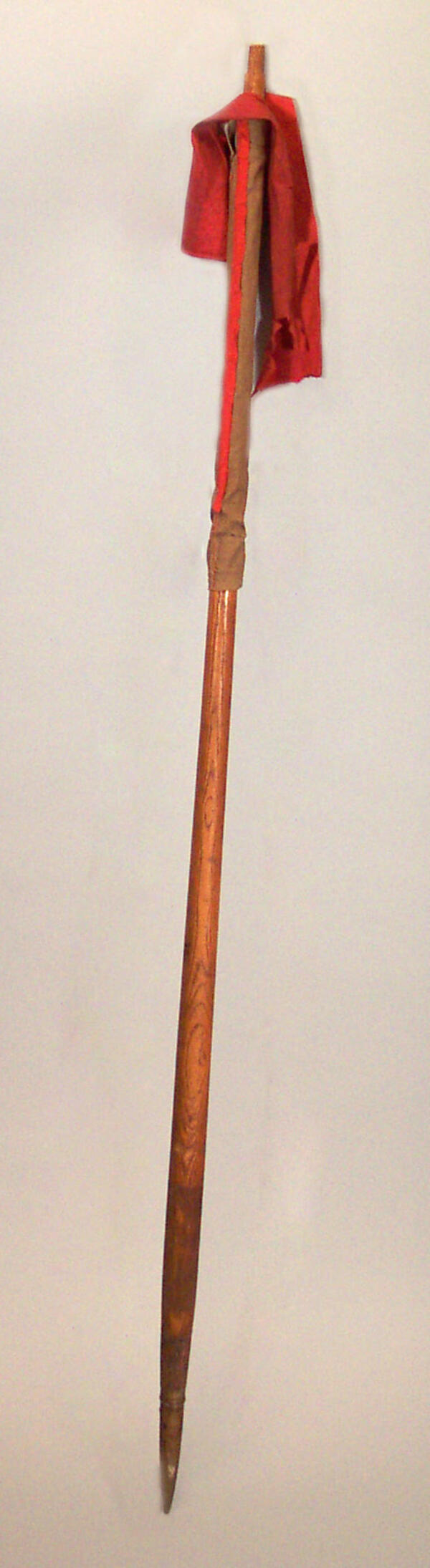
Tagged Marker Stake
Used in U.S. Geological Survey field work.
Object ID: USGS-000209
Used in U.S. Geological Survey field work.
Object ID: USGS-000209
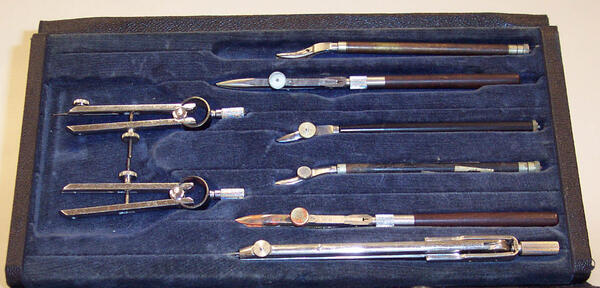
Drafting Set
Also known as a drawing set, the instruments were used in cartographic work. The instruments include ruling pens and ring head dividers. This set was manufactured by Eugene Dietzgen & Company, Chicago and New York. The set was used by the U.S. Geological Survey Topographic Branch in the early decades of the 20th Century.
Object ID: USGS-000173
Also known as a drawing set, the instruments were used in cartographic work. The instruments include ruling pens and ring head dividers. This set was manufactured by Eugene Dietzgen & Company, Chicago and New York. The set was used by the U.S. Geological Survey Topographic Branch in the early decades of the 20th Century.
Object ID: USGS-000173

Shipwreck in Palmyra Atoll
Shipwrecks and other artificial structures increase the potential for large invasions of unwanted species into coral reefs, even relatively pristine ones. In this picture, a shipwreck in the remote Palmyra Atoll in the central Pacific Ocean resulted in the dense colonization of an invasive coral-like species called Rhodactis howesii, pictured here.
Shipwrecks and other artificial structures increase the potential for large invasions of unwanted species into coral reefs, even relatively pristine ones. In this picture, a shipwreck in the remote Palmyra Atoll in the central Pacific Ocean resulted in the dense colonization of an invasive coral-like species called Rhodactis howesii, pictured here.

Shipwreck in Palmyra Atoll
Shipwrecks and other artificial structures increase the potential for large invasions of unwanted species into coral reefs, even relatively pristine ones. In this picture, a shipwreck in the remote Palmyra Atoll in the central Pacific Ocean resulted in the dense colonization of an invasive coral-like species called Rhodactis howesii, pictured here.
Shipwrecks and other artificial structures increase the potential for large invasions of unwanted species into coral reefs, even relatively pristine ones. In this picture, a shipwreck in the remote Palmyra Atoll in the central Pacific Ocean resulted in the dense colonization of an invasive coral-like species called Rhodactis howesii, pictured here.

Geiger Counter
Electron & Nuclear Counter, Model #ARA35-1, Type DW-51. Manufactured by Cyclotron Specialties Company. Additional information would be appreciated.
Object ID: USGS-000262
Electron & Nuclear Counter, Model #ARA35-1, Type DW-51. Manufactured by Cyclotron Specialties Company. Additional information would be appreciated.
Object ID: USGS-000262
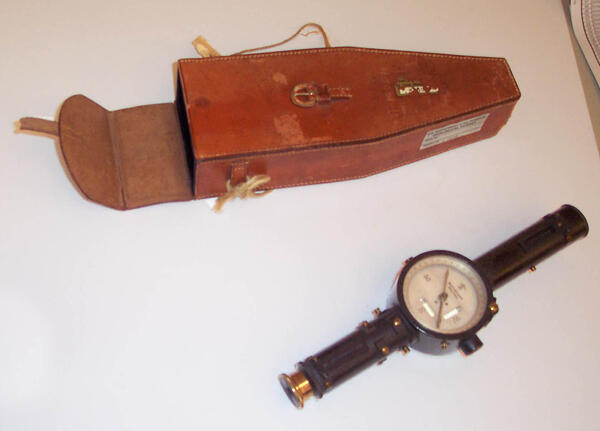
Stadia Hand Transit with Case
This instrument was manufactured by Keuffel & Esser Company, New York & New Jersey, serial #2300. Stadia Hand Transits are made of up a small telescope with cross and stadia hairs and a circular box which serves as either a magnetic compass or clinometer. The company sold these instruments from 1910 until the 1930s.
Object ID: USGS-000349
This instrument was manufactured by Keuffel & Esser Company, New York & New Jersey, serial #2300. Stadia Hand Transits are made of up a small telescope with cross and stadia hairs and a circular box which serves as either a magnetic compass or clinometer. The company sold these instruments from 1910 until the 1930s.
Object ID: USGS-000349
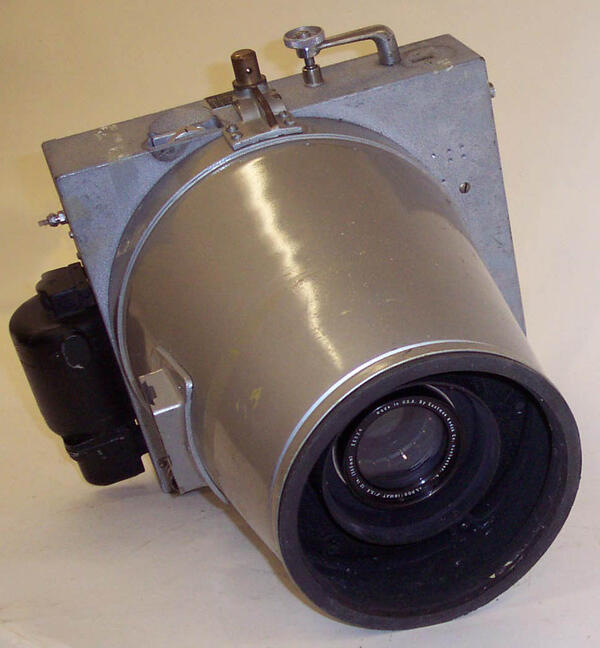
Lens Cone Aircraft Camera
type 12" K-17C
Object ID: USGS-000290
type 12" K-17C
Object ID: USGS-000290

BEN Patient
Balkan endemic nephropathy (BEN) patient from a BEN village in Romania. The photo was taken at a dialysis clinic in Romania where the patient traveled every 2 to 3 days to receive dialysis, the principal treatment option for people with BEN. This patient died from complications of BEN within a year after this photo was taken in 2000.
Balkan endemic nephropathy (BEN) patient from a BEN village in Romania. The photo was taken at a dialysis clinic in Romania where the patient traveled every 2 to 3 days to receive dialysis, the principal treatment option for people with BEN. This patient died from complications of BEN within a year after this photo was taken in 2000.

Pliocene Lignite Coal from BEN Village
Closeup of Pliocene lignite coal from a Balkan endemic nephropathy (BEN) village in Serbia. Lignite is low rank, or relatively unaltered (soft, or "brown") coal, and is characterized by a brownish color and appearance that often resembles wood. This lignite releases copious amounts of dissolved organic substances into groundwater.
Closeup of Pliocene lignite coal from a Balkan endemic nephropathy (BEN) village in Serbia. Lignite is low rank, or relatively unaltered (soft, or "brown") coal, and is characterized by a brownish color and appearance that often resembles wood. This lignite releases copious amounts of dissolved organic substances into groundwater.

1958 South Cascade Glacier
1958 black-and-white vertical aerial photo of South Cascade Glacier, northwestern Washington State. Top of photo is south.
1958 black-and-white vertical aerial photo of South Cascade Glacier, northwestern Washington State. Top of photo is south.
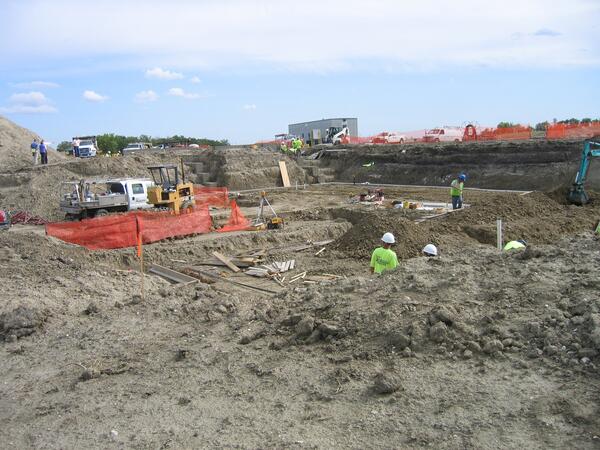
View to SE
This photo provides a look at the ongoing construction project to build the Audubon NWR Headquarters and Visitor Center in Coleharbor, ND. This project is being funded by the American Recovery and Reinvestment Act of 2009.
This photo provides a look at the ongoing construction project to build the Audubon NWR Headquarters and Visitor Center in Coleharbor, ND. This project is being funded by the American Recovery and Reinvestment Act of 2009.

Exposing Pliocene Lignite Bed Near a BEN Village
Nikola Pavlovic, a kidney specialist and a USGS collaborator on Balkan endemic nephropathy (BEN) studies from Serbia, is shown exposing a small Pliocene lignite bed near a BEN village in the Vratza area of Bulgaria. The Pliocene lignite seams vary greatly in size and extent. BEN villages are always close to these Pliocene lignite deposits.
Nikola Pavlovic, a kidney specialist and a USGS collaborator on Balkan endemic nephropathy (BEN) studies from Serbia, is shown exposing a small Pliocene lignite bed near a BEN village in the Vratza area of Bulgaria. The Pliocene lignite seams vary greatly in size and extent. BEN villages are always close to these Pliocene lignite deposits.

Deschauensee's Anaconda
Deschauensee's Anaconda (Eunectes deschauenseei). The snake pictured is a representative of a species discussed in the USGS snake risk assessment. This snake was photographed in its native range.
Deschauensee's Anaconda (Eunectes deschauenseei). The snake pictured is a representative of a species discussed in the USGS snake risk assessment. This snake was photographed in its native range.

USGS Topographers at Work
Two USGS topographers circa 1925, working with an alidade and plane table. The man on the left is believed to be Roland Whitman Burchard, who was the topographer for the USGS Grand Canyon Expedition of 1923.
Two USGS topographers circa 1925, working with an alidade and plane table. The man on the left is believed to be Roland Whitman Burchard, who was the topographer for the USGS Grand Canyon Expedition of 1923.

Native American Salt Basins in the Sierra Nevada
Native Americans of the Miwok tribe in the northern Sierra Nevada, California carved these basins into the granite bedrock to produce salt for trade. They filled the basins with water from a salt spring and let the water evaporate, leaving a salt residue in the basin.
Native Americans of the Miwok tribe in the northern Sierra Nevada, California carved these basins into the granite bedrock to produce salt for trade. They filled the basins with water from a salt spring and let the water evaporate, leaving a salt residue in the basin.

Brutus Howling
Brutus, a wolf being studied by USGS scientists, separates from his pack mates and appears to be heading back to the den. He stops at the head of the fiord and howls for 2-3 minutes. The scientists track his progress with binoculars past the river where they cannot go. They suspect that his mate has returned to the den, and that Brutus will join her there.
Brutus, a wolf being studied by USGS scientists, separates from his pack mates and appears to be heading back to the den. He stops at the head of the fiord and howls for 2-3 minutes. The scientists track his progress with binoculars past the river where they cannot go. They suspect that his mate has returned to the den, and that Brutus will join her there.

Dave Mech with Brutus
Brutus, a wolf being studied by USGS scientists, is chemically immobilized, measured, ear-tagged, and fitted with a radio collar near the Eureka airstrip on Ellesmere Island in the High Arctic, Nunavut, Canada.
Brutus, a wolf being studied by USGS scientists, is chemically immobilized, measured, ear-tagged, and fitted with a radio collar near the Eureka airstrip on Ellesmere Island in the High Arctic, Nunavut, Canada.