UAS operations near Moab, Utah for carbon sequestration research on public lands
UAS operations near Moab, Utah for carbon sequestration research on public landsUAS operations near Moab, Utah for carbon sequestration research on public lands


Official websites use .gov
A .gov website belongs to an official government organization in the United States.

Secure .gov websites use HTTPS
A lock () or https:// means you’ve safely connected to the .gov website. Share sensitive information only on official, secure websites.

Carbon dioxide is the most commonly produced greenhouse gas. Carbon sequestration is the process of capturing and storing atmospheric carbon dioxide. It is one method of reducing the amount of carbon dioxide in the atmosphere with the goal of reducing global climate change. The USGS is conducting assessments on two major types of carbon sequestration: geologic and biologic.

Geologic carbon sequestration is the process of storing carbon dioxide (CO2) in underground geologic formations. The CO2 is usually pressurized until it becomes a liquid, and then it is injected into porous rock formations in geologic basins. This method of carbon storage is also sometimes a part of enhanced oil recovery, otherwise known as tertiary recovery, because it is typically used later in...

Atmospheric carbon dioxide comes from two primary sources—natural and human activities. Natural sources of carbon dioxide include most animals, which exhale carbon dioxide as a waste product. Human activities that lead to carbon dioxide emissions come primarily from energy production, including burning coal, oil, or natural gas. Learn more: Sources of Greenhouse Gas Emissions (EPA)
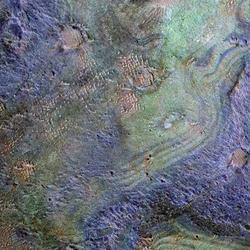
In 2013, the USGS released the first-ever comprehensive, nation-wide assessment of geologic carbon sequestration, which estimates a mean storage potential of 3,000 metric gigatons of carbon dioxide. The assessment is the first geologically-based, probabilistic assessment, with a range of 2,400 to 3,700 metric gigatons of potential carbon dioxide storage. In addition, the assessment is for the...

It is difficult to characterize one area as “the best” for carbon sequestration because the answer depends on the question: best for what? However, the area of the assessment with the most storage potential for carbon dioxide is the Coastal Plains region, which includes coastal basins from Texas to Georgia. That region accounts for 2,000 metric gigatons, or 65 percent, of the storage potential...
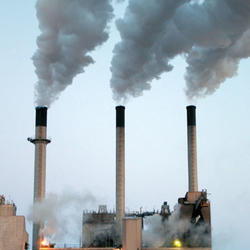
The U.S. Energy Information Administration estimates that in 2019, the United States emitted 5,130 million metric tons of energy-related carbon dioxide, while the global emissions of energy-related carbon dioxide totaled 33,621.5 million metric tons.
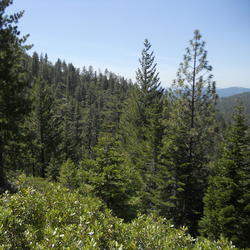
The USGS is congressionally mandated (2007 Energy Independence and Security Act) to conduct a comprehensive national assessment of storage and flux (flow) of carbon and the fluxes of other greenhouse gases (including carbon dioxide) in ecosystems. At this writing, reports have been completed for Alaska, the Eastern U.S., the Great Plains, and the Western U.S. Learn more: Carbon Emissions and...

UAS operations near Moab, Utah for carbon sequestration research on public lands
UAS operations near Moab, Utah for carbon sequestration research on public lands

Biological carbon sequestration is the natural ability of life and ecosystems to store carbon. Forests, peat marshes, and coastal wetlands are particularly good as storing carbon. Carbon can be stored in plant tissue, such as long-lived tree bark or in extensive root systems. Microbes break down plant and animal tissue through decomposition.
Biological carbon sequestration is the natural ability of life and ecosystems to store carbon. Forests, peat marshes, and coastal wetlands are particularly good as storing carbon. Carbon can be stored in plant tissue, such as long-lived tree bark or in extensive root systems. Microbes break down plant and animal tissue through decomposition.

A short video on how carbon can get into the atmosphere.
A short video on how carbon can get into the atmosphere.

This auger is used to collect 1 meter deep soil cores for a carbon budget study associated with the SageSTEP project. SageSTEP is a long-term, multi-disciplinary experiment evaluating sagebrush restoration methods in the Great Basin.
This auger is used to collect 1 meter deep soil cores for a carbon budget study associated with the SageSTEP project. SageSTEP is a long-term, multi-disciplinary experiment evaluating sagebrush restoration methods in the Great Basin.

The use of carbon dioxide (CO2) injection for enhanced oil recovery (EOR) can prolong the productivity of many oil reservoirs and increase the U.S. hydrocarbon recoverable resource volume.
The use of carbon dioxide (CO2) injection for enhanced oil recovery (EOR) can prolong the productivity of many oil reservoirs and increase the U.S. hydrocarbon recoverable resource volume.

Is Sequestration Necessary? Can We Do It at an Acceptable Total Cost?
By Yousif Kharaka, USGS National Research Program
Is Sequestration Necessary? Can We Do It at an Acceptable Total Cost?
By Yousif Kharaka, USGS National Research Program
A new method to assess the Nation's potential for storing carbon dioxide in rocks below the earth's surface could help lessen climate change impacts. The injection and storage of liquid carbon dioxide into subsurface rocks is known as geologic carbon sequestration.
A new method to assess the Nation's potential for storing carbon dioxide in rocks below the earth's surface could help lessen climate change impacts. The injection and storage of liquid carbon dioxide into subsurface rocks is known as geologic carbon sequestration.
Geologic carbon sequestration is the process of storing carbon dioxide (CO2) in underground geologic formations. The CO2 is usually pressurized until it becomes a liquid, and then it is injected into porous rock formations in geologic basins. This method of carbon storage is also sometimes a part of enhanced oil recovery, otherwise known as tertiary recovery, because it is typically used later in...
Atmospheric carbon dioxide comes from two primary sources—natural and human activities. Natural sources of carbon dioxide include most animals, which exhale carbon dioxide as a waste product. Human activities that lead to carbon dioxide emissions come primarily from energy production, including burning coal, oil, or natural gas. Learn more: Sources of Greenhouse Gas Emissions (EPA)
In 2013, the USGS released the first-ever comprehensive, nation-wide assessment of geologic carbon sequestration, which estimates a mean storage potential of 3,000 metric gigatons of carbon dioxide. The assessment is the first geologically-based, probabilistic assessment, with a range of 2,400 to 3,700 metric gigatons of potential carbon dioxide storage. In addition, the assessment is for the...
It is difficult to characterize one area as “the best” for carbon sequestration because the answer depends on the question: best for what? However, the area of the assessment with the most storage potential for carbon dioxide is the Coastal Plains region, which includes coastal basins from Texas to Georgia. That region accounts for 2,000 metric gigatons, or 65 percent, of the storage potential...
The U.S. Energy Information Administration estimates that in 2019, the United States emitted 5,130 million metric tons of energy-related carbon dioxide, while the global emissions of energy-related carbon dioxide totaled 33,621.5 million metric tons.
The USGS is congressionally mandated (2007 Energy Independence and Security Act) to conduct a comprehensive national assessment of storage and flux (flow) of carbon and the fluxes of other greenhouse gases (including carbon dioxide) in ecosystems. At this writing, reports have been completed for Alaska, the Eastern U.S., the Great Plains, and the Western U.S. Learn more: Carbon Emissions and...
UAS operations near Moab, Utah for carbon sequestration research on public lands
UAS operations near Moab, Utah for carbon sequestration research on public lands
Biological carbon sequestration is the natural ability of life and ecosystems to store carbon. Forests, peat marshes, and coastal wetlands are particularly good as storing carbon. Carbon can be stored in plant tissue, such as long-lived tree bark or in extensive root systems. Microbes break down plant and animal tissue through decomposition.
Biological carbon sequestration is the natural ability of life and ecosystems to store carbon. Forests, peat marshes, and coastal wetlands are particularly good as storing carbon. Carbon can be stored in plant tissue, such as long-lived tree bark or in extensive root systems. Microbes break down plant and animal tissue through decomposition.
A short video on how carbon can get into the atmosphere.
A short video on how carbon can get into the atmosphere.
This auger is used to collect 1 meter deep soil cores for a carbon budget study associated with the SageSTEP project. SageSTEP is a long-term, multi-disciplinary experiment evaluating sagebrush restoration methods in the Great Basin.
This auger is used to collect 1 meter deep soil cores for a carbon budget study associated with the SageSTEP project. SageSTEP is a long-term, multi-disciplinary experiment evaluating sagebrush restoration methods in the Great Basin.
The use of carbon dioxide (CO2) injection for enhanced oil recovery (EOR) can prolong the productivity of many oil reservoirs and increase the U.S. hydrocarbon recoverable resource volume.
The use of carbon dioxide (CO2) injection for enhanced oil recovery (EOR) can prolong the productivity of many oil reservoirs and increase the U.S. hydrocarbon recoverable resource volume.
Is Sequestration Necessary? Can We Do It at an Acceptable Total Cost?
By Yousif Kharaka, USGS National Research Program
Is Sequestration Necessary? Can We Do It at an Acceptable Total Cost?
By Yousif Kharaka, USGS National Research Program
A new method to assess the Nation's potential for storing carbon dioxide in rocks below the earth's surface could help lessen climate change impacts. The injection and storage of liquid carbon dioxide into subsurface rocks is known as geologic carbon sequestration.
A new method to assess the Nation's potential for storing carbon dioxide in rocks below the earth's surface could help lessen climate change impacts. The injection and storage of liquid carbon dioxide into subsurface rocks is known as geologic carbon sequestration.
