



Bioenergy and Pesticides: Lessons from the AltEn Bioenergy Plant
Ethanol production from seed corn, while reducing waste and promoting renewable energy, can have environmental and health implications. A USGS study on a former bioenergy plant that received pesticide-coated seeds used for ethanol production, revealed that the process led to contaminated wastewater and solid residue, resulting in elevated pesticide levels in nearby surface waters even after the plant's closure. These findings underscore the need to understand environmental consequences to inform best practices for waste management.
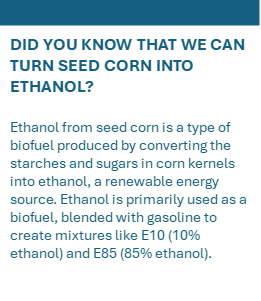
Ethanol production from seed corn is a process that turns agricultural waste into a valuable renewable fuel. However, recent research by the US Geological Survey (USGS) has found that using large amounts of unused/expired pesticide-coated seeds for biofuel production can lead to high pesticide levels in nearby streams and farmland.
Most seed corn is coated with pesticides, like neonicotinoid insecticides and fungicides, to protect against pests and diseases. This protection works in two ways. First, the treated seed creates a protective barrier around itself to keep pests away before it starts to grow. Second, after the seed sprouts, the plant absorbs the pesticides, which helps protect it from insect pests.
While this practice has its benefits, it also poses environmental and health risks. USGS researchers studied the potential effects after the closure of a large bioenergy plant in eastern Nebraska (the AltEn plant). This plant aimed to recycle unused and expired pesticide-coated corn seeds to produce ethanol. During its operation, AltEn processed nearly 95% of North America's excess treated seed corn.
The production process at AltEn led to the buildup of large amounts of contaminated wastewater and solid residue, known as "wet cake." (An image of a wet cake pile can be seen at the top of this page). By the time the plant closed in 2021, it had stored 570 million liters of highly contaminated wastewater and 77,000 metric tons of wet cake on-site. Both contained high levels of neonicotinoid insecticides and fungicides, some of which were applied to nearby farmland. This resulted in elevated pesticide levels in the surface waters downgradient of the stored wet cake and from farmland receiving wet cake applications, even a year after the plant's closure. Pesticide patterns found in algae closely matched those in nearby water samples, revealing several key findings. First, sites influenced by the AltEn facility showed higher pesticide exposure, even though the facility had been shut down for over a year before sampling. Second, the presence of these pesticides in algae confirmed that the chemicals were bioavailable—meaning they could be absorbed by living organisms. Finally, the findings suggest that other freshwater species in the ecosystem were also likely exposed to these pesticides.
The study highlights that using large quantities of coated seeds for biofuel production can lead to high pesticide levels in both the water and living organisms downstream of the plant and in areas where the waste was applied. As we continue to explore renewable energy sources, it's crucial to balance innovation with environmental care. The study emphasizes the need to recognize environmental impacts and develop effective waste processing and management strategies.
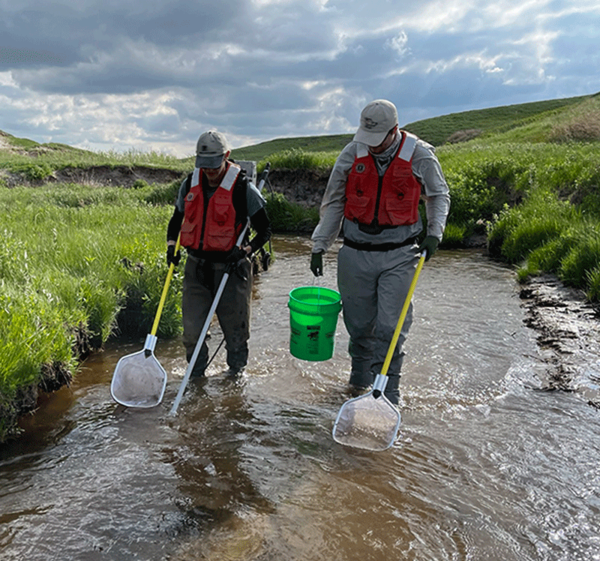
This study has been supported by the U.S. Geological Survey Ecosystems Mission Area, through the Environmental Health Program (Contaminant Biology and Toxic Substances Hydrology) and Nebraska Water Science Center. In addition, this project received field support from the USGS Nebraska Cooperative Fish and Wildlife Research Unit and the University of Nebraska.
Ethanol production from seed corn, while reducing waste and promoting renewable energy, can have environmental and health implications. A USGS study on a former bioenergy plant that received pesticide-coated seeds used for ethanol production, revealed that the process led to contaminated wastewater and solid residue, resulting in elevated pesticide levels in nearby surface waters even after the plant's closure. These findings underscore the need to understand environmental consequences to inform best practices for waste management.
Ethanol production from seed corn is a process that turns agricultural waste into a valuable renewable fuel. However, recent research by the US Geological Survey (USGS) has found that using large amounts of unused/expired pesticide-coated seeds for biofuel production can lead to high pesticide levels in nearby streams and farmland.
Most seed corn is coated with pesticides, like neonicotinoid insecticides and fungicides, to protect against pests and diseases. This protection works in two ways. First, the treated seed creates a protective barrier around itself to keep pests away before it starts to grow. Second, after the seed sprouts, the plant absorbs the pesticides, which helps protect it from insect pests.
While this practice has its benefits, it also poses environmental and health risks. USGS researchers studied the potential effects after the closure of a large bioenergy plant in eastern Nebraska (the AltEn plant). This plant aimed to recycle unused and expired pesticide-coated corn seeds to produce ethanol. During its operation, AltEn processed nearly 95% of North America's excess treated seed corn.
The production process at AltEn led to the buildup of large amounts of contaminated wastewater and solid residue, known as "wet cake." (An image of a wet cake pile can be seen at the top of this page). By the time the plant closed in 2021, it had stored 570 million liters of highly contaminated wastewater and 77,000 metric tons of wet cake on-site. Both contained high levels of neonicotinoid insecticides and fungicides, some of which were applied to nearby farmland. This resulted in elevated pesticide levels in the surface waters downgradient of the stored wet cake and from farmland receiving wet cake applications, even a year after the plant's closure. Pesticide patterns found in algae closely matched those in nearby water samples, revealing several key findings. First, sites influenced by the AltEn facility showed higher pesticide exposure, even though the facility had been shut down for over a year before sampling. Second, the presence of these pesticides in algae confirmed that the chemicals were bioavailable—meaning they could be absorbed by living organisms. Finally, the findings suggest that other freshwater species in the ecosystem were also likely exposed to these pesticides.
The study highlights that using large quantities of coated seeds for biofuel production can lead to high pesticide levels in both the water and living organisms downstream of the plant and in areas where the waste was applied. As we continue to explore renewable energy sources, it's crucial to balance innovation with environmental care. The study emphasizes the need to recognize environmental impacts and develop effective waste processing and management strategies.
This study has been supported by the U.S. Geological Survey Ecosystems Mission Area, through the Environmental Health Program (Contaminant Biology and Toxic Substances Hydrology) and Nebraska Water Science Center. In addition, this project received field support from the USGS Nebraska Cooperative Fish and Wildlife Research Unit and the University of Nebraska.