
U.S. flag

An official website of the United States government

Applied Microbiology

Filter Total Items: 22

Helping Secure Our Nation’s Food Supply: The Intersection of Agriculture, Health, and Environment

Agriculture is vital to the U.S. economy, supplying food, fibers, fuels, and jobs. Ensuring the quality of our natural resources is essential for keeping our food safe and plentiful. The USGS studies environmental factors affecting food security and offers valuable insights to reduce health risks, ensuring a safer food supply and a healthier environment.
Helping Secure Our Nation’s Food Supply: The Intersection of Agriculture, Health, and Environment

Helping Secure Our Nation’s Food Supply: The Intersection of Agriculture, Health, and Environment

Agriculture is vital to the U.S. economy, supplying food, fibers, fuels, and jobs. Ensuring the quality of our natural resources is essential for keeping our food safe and plentiful. The USGS studies environmental factors affecting food security and offers valuable insights to reduce health risks, ensuring a safer food supply and a healthier environment.
Learn More

USGS Environmental Health Program: Integrating Science for Public Health and Resource Management

The USGS Environmental Health Program seeks to understand how environmental factors, especially contaminants and pathogens, influence human health and ecosystems. It focuses on studying the distribution and effects of toxic substances, environmental stressors, and their pathways. The program prioritizes collaboration with State, Federal and local governments; Tribes; non-government organizations...

USGS Environmental Health Program: Integrating Science for Public Health and Resource Management

USGS Environmental Health Program: Integrating Science for Public Health and Resource Management

The USGS Environmental Health Program seeks to understand how environmental factors, especially contaminants and pathogens, influence human health and ecosystems. It focuses on studying the distribution and effects of toxic substances, environmental stressors, and their pathways. The program prioritizes collaboration with State, Federal and local governments; Tribes; non-government organizations...
Learn More

Natural Solutions for Reducing PFOS Pollution in Our Environment

Per- and polyfluoroalkyl substances (PFAS) are a group of over 14,000 different man-made compounds that are widely used in various industrial and consumer products and linked to various health issues. Perfluorooctanesulfonic acid (PFOS) is a persistent synthetic chemical within the PFAS group, recognized for its widespread use and persistence in the environment. The U.S. Geological Survey is...
Natural Solutions for Reducing PFOS Pollution in Our Environment

Natural Solutions for Reducing PFOS Pollution in Our Environment

Per- and polyfluoroalkyl substances (PFAS) are a group of over 14,000 different man-made compounds that are widely used in various industrial and consumer products and linked to various health issues. Perfluorooctanesulfonic acid (PFOS) is a persistent synthetic chemical within the PFAS group, recognized for its widespread use and persistence in the environment. The U.S. Geological Survey is...
Learn More

Revolutionizing Water Quality Assessment: Chemical Pollutants Alter Bacterial Metabolism

USGS scientists have advanced methods to measure bacterial activity in environmental waters. Their research showed that when bacteria naturally in the water are exposed to substances like pharmaceuticals, herbicides, and antimicrobials, their normal functions are disrupted. This finding suggests that monitoring bacterial activity could provide early warnings about potential problems with water...
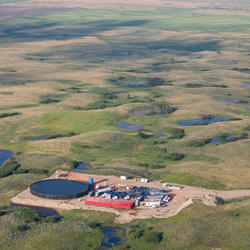
Revolutionizing Water Quality Assessment: Chemical Pollutants Alter Bacterial Metabolism

Revolutionizing Water Quality Assessment: Chemical Pollutants Alter Bacterial Metabolism

USGS scientists have advanced methods to measure bacterial activity in environmental waters. Their research showed that when bacteria naturally in the water are exposed to substances like pharmaceuticals, herbicides, and antimicrobials, their normal functions are disrupted. This finding suggests that monitoring bacterial activity could provide early warnings about potential problems with water...
Learn More

Energy Resources Life Cycle Integrated Science Team

The Energy Resources Life Cycle Integrated Science Team focuses on the potential for environmental contaminant exposures that might originate from energy resource activities including extraction, production, transportation, storage, waste management, and restoration. Perceived health risks to humans and other organisms will be distinguished from actual risks, if any. If actual risks are identified...
Energy Resources Life Cycle Integrated Science Team

Energy Resources Life Cycle Integrated Science Team

The Energy Resources Life Cycle Integrated Science Team focuses on the potential for environmental contaminant exposures that might originate from energy resource activities including extraction, production, transportation, storage, waste management, and restoration. Perceived health risks to humans and other organisms will be distinguished from actual risks, if any. If actual risks are identified...
Learn More

Food Resources Lifecycle Integrated Science Team

The team studies the movement of toxicants and pathogens that could originate from the growing, raising, and processing/manufacturing of plant and animal products through the environment where exposure can occur. This information is used to understand if there are adverse effects upon exposure and to develop decision tools to protect health.
Food Resources Lifecycle Integrated Science Team

Food Resources Lifecycle Integrated Science Team

The team studies the movement of toxicants and pathogens that could originate from the growing, raising, and processing/manufacturing of plant and animal products through the environment where exposure can occur. This information is used to understand if there are adverse effects upon exposure and to develop decision tools to protect health.
Learn More

Immunomodulation Science Team

The Immunomodulation Integrated Science Team focuses on contaminant and pathogen exposures in the environment that might influence the immune systems of wildlife and the connection to their shared environment with humans. In collaboration with public-health officials, the Team also addresses potential human-health risks stemming from similar exposures. If actual risks are identified, this Team...
Immunomodulation Science Team

Immunomodulation Science Team

The Immunomodulation Integrated Science Team focuses on contaminant and pathogen exposures in the environment that might influence the immune systems of wildlife and the connection to their shared environment with humans. In collaboration with public-health officials, the Team also addresses potential human-health risks stemming from similar exposures. If actual risks are identified, this Team...
Learn More

Michigan Bacteriological Research Core Technology Team

About the Research The Michigan Bacteriological Research Laboratory (MI-BaRL) Core Technology Team (CTT) as part of the Environmental Health Program uses a wide array of traditional and modern molecular approaches to evaluate microbial pathogens and antimicrobial resistance pathways in the environment. The scientists use these approaches to advance the understanding of how environmental...
Michigan Bacteriological Research Core Technology Team

Michigan Bacteriological Research Core Technology Team

About the Research The Michigan Bacteriological Research Laboratory (MI-BaRL) Core Technology Team (CTT) as part of the Environmental Health Program uses a wide array of traditional and modern molecular approaches to evaluate microbial pathogens and antimicrobial resistance pathways in the environment. The scientists use these approaches to advance the understanding of how environmental...
Learn More

Microbial Biogeochemistry Core Technology Team

About the Research The Microbial Biogeochemistry Laboratory Core Technology Team (CTT) as part of the Environmental Health Program focuses on environmental questions in aquatic systems (sediment and water) involving the linkages between major biogeochemical cycles (those involving carbon, sulfur, iron and nitrogen) and those associated with contaminants of concern.
Microbial Biogeochemistry Core Technology Team

Microbial Biogeochemistry Core Technology Team

About the Research The Microbial Biogeochemistry Laboratory Core Technology Team (CTT) as part of the Environmental Health Program focuses on environmental questions in aquatic systems (sediment and water) involving the linkages between major biogeochemical cycles (those involving carbon, sulfur, iron and nitrogen) and those associated with contaminants of concern.
Learn More

Organic Geochemistry Research Core Technology Team

About the Research The Organic Geochemistry Research Laboratory Core Technology Team (CTT) as part of the Environmental Health Program works to develop targeted and non-targeted analytical methods for the identification and quantitation of chemicals that can impact the health of humans and other organisms, and uses bioassays to screen for receptor inhibition.
Organic Geochemistry Research Core Technology Team

Organic Geochemistry Research Core Technology Team

About the Research The Organic Geochemistry Research Laboratory Core Technology Team (CTT) as part of the Environmental Health Program works to develop targeted and non-targeted analytical methods for the identification and quantitation of chemicals that can impact the health of humans and other organisms, and uses bioassays to screen for receptor inhibition.
Learn More

Drinking Water and Wastewater Infrastructure Science Team

The team studies toxicants and pathogens in water resources from their sources, through watersheds, aquifers, and infrastructure to human and wildlife exposures. That information is used to develop decision tools that protect human and wildlife health.
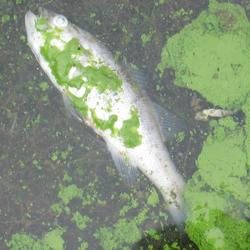
Drinking Water and Wastewater Infrastructure Science Team

Drinking Water and Wastewater Infrastructure Science Team

The team studies toxicants and pathogens in water resources from their sources, through watersheds, aquifers, and infrastructure to human and wildlife exposures. That information is used to develop decision tools that protect human and wildlife health.
Learn More

Toxins and Harmful Algal Blooms Science Team

The team develops advanced methods to study factors driving algal toxin production, how and where wildlife or humans are exposed to toxins, and ecotoxicology. That information is used to develop decision tools to understand if ​toxin exposure leads to adverse health effects in order to protect human and wildlife health.
Toxins and Harmful Algal Blooms Science Team

Toxins and Harmful Algal Blooms Science Team

The team develops advanced methods to study factors driving algal toxin production, how and where wildlife or humans are exposed to toxins, and ecotoxicology. That information is used to develop decision tools to understand if ​toxin exposure leads to adverse health effects in order to protect human and wildlife health.
Learn More
Was this page helpful?