



Coral Diseases
Coral Diseases
Filter Total Items: 6
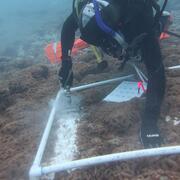
Fighting an Invasive Marine Threat to Coral Reefs
USGS scientists are developing and testing new tools to control an invasive species threatening coral reefs at Joint Base Pearl Harbor-Hickam and across the Hawaiian Islands.
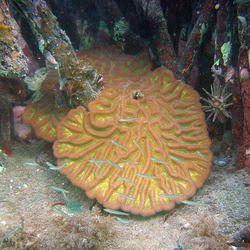
Research in Response to Florida’s Emerging Stony Coral (scleractinia) Diseases
Stony coral tissue loss disease (SCTLD) is a rapidly progressive disease threat to corals that results in a bleached appearance due to loss of living tissue.
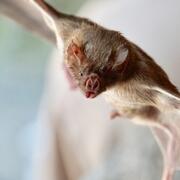
Wildlife Disease Management Tools
The USGS National Wildlife Health Center works with federal, state, Tribal, and other partners to develop practical scientific tools and information to help wildlife managers and other decision-makers prevent, prepare for, and respond to wildlife disease threats. These tools range from direct disease-management interventions—such as vaccines and treatment approaches for invasive species—to...

Integrating Science and Management to Assist with the Response to Stony Coral Tissue Loss Disease
A USGS multi-disciplinary team will use laboratory and modeling approaches to investigate the cause of stony coral tissue loss disease.

Research in response to Florida’s emerging coral disease
Coral reefs are both ecologically and economically important, serving as nurseries for fisheries, protecting the coastline from storm surges, and generating income from tourism. Since 2014, a wide variety of corals have been dying from unexplained causes throughout South Florida with mortalities ranging from North Miami to the Florida Keys.

Marine Invertebrate Diseases
Coral reefs worldwide are under tremendous stress primarily due to human activities along the coasts. While climate change, over fishing, and coastal development have been implicated as a major cause of coral reef decline, diseases seem to play an increasing role.