



A pink granite monument at the Lyndon Baines Johnson Memorial Grove on the Potomac. It was hewn from a quarry in the Texas Hill Country, where Johnson was born and raised.
Images
Images
Filter Total Items: 9448
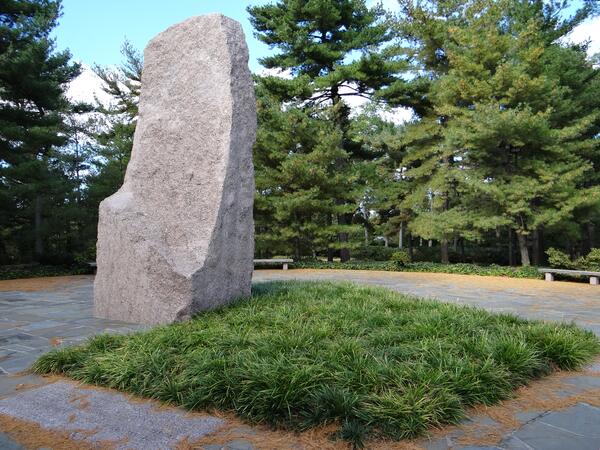
Granite Monument at the LBJ Memorial
A pink granite monument at the Lyndon Baines Johnson Memorial Grove on the Potomac. It was hewn from a quarry in the Texas Hill Country, where Johnson was born and raised.
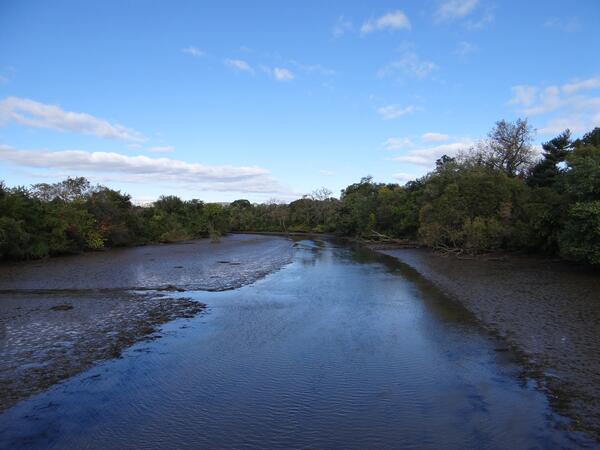
Boundary Channel of the Potomac River
The Boundary Channel of the Potomac River, which forms the boundary between the District of Columbia and the Commonwealth of Virginia. On the right of the image is the Lyndon Baines Johnson Memorial Grove on the Potomac.
The Boundary Channel of the Potomac River, which forms the boundary between the District of Columbia and the Commonwealth of Virginia. On the right of the image is the Lyndon Baines Johnson Memorial Grove on the Potomac.
Banks of the Boundary Channel of the Potomac River
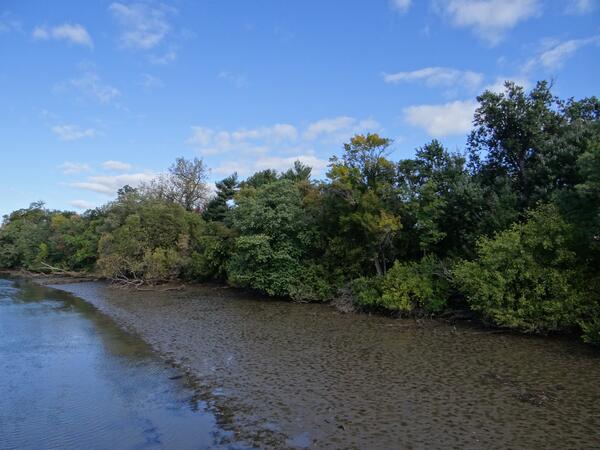
Banks of the Boundary Channel of the Potomac RiverThe Boundary Channel of the Potomac River, which forms the boundary between the District of Columbia and the Commonwealth of Virginia. On the right of the image is the Lyndon Baines Johnson Memorial Grove on the Potomac.
Banks of the Boundary Channel of the Potomac River
Banks of the Boundary Channel of the Potomac RiverThe Boundary Channel of the Potomac River, which forms the boundary between the District of Columbia and the Commonwealth of Virginia. On the right of the image is the Lyndon Baines Johnson Memorial Grove on the Potomac.
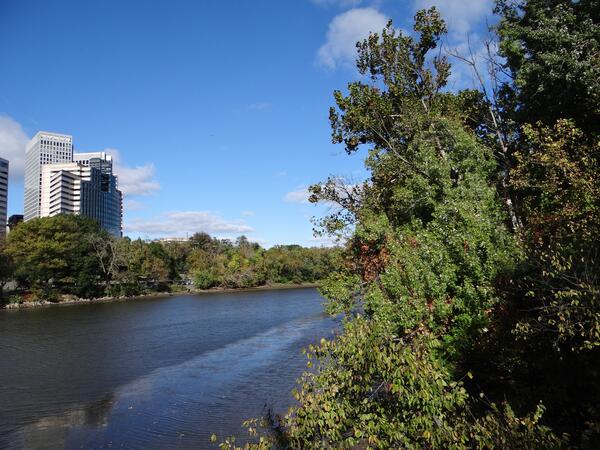
Rosslyn and the Potomac
A view of Rosslyn, VA, and the Potomac River from Theodore Roosevelt Island in Washington, DC.
A view of Rosslyn, VA, and the Potomac River from Theodore Roosevelt Island in Washington, DC.

SWaTH Bracket Installation, Assateague Island Maryland
SWaTH Bracket Installation, Assateague Island MarylandUSGS employee installing sensor bracket for Sandy Theme 3 (SWaTH), Assateague Island at the Maryland Virginia State Line.
SWaTH Bracket Installation, Assateague Island Maryland
SWaTH Bracket Installation, Assateague Island MarylandUSGS employee installing sensor bracket for Sandy Theme 3 (SWaTH), Assateague Island at the Maryland Virginia State Line.

SWaTH Bracket GPS survey, Assateague Island
NPS employee operating GPS to establish elevation on sensor bracket for Sandy Theme 3 (SWaTH), Assateague Island at the Maryland Virginia State Line.
NPS employee operating GPS to establish elevation on sensor bracket for Sandy Theme 3 (SWaTH), Assateague Island at the Maryland Virginia State Line.

Deer Ticks
Ticks spread the widest variety of diseases that are harmful to humans, including Lyme disease. This is an image of blacklegged ticks, or deer ticks.
Ticks spread the widest variety of diseases that are harmful to humans, including Lyme disease. This is an image of blacklegged ticks, or deer ticks.
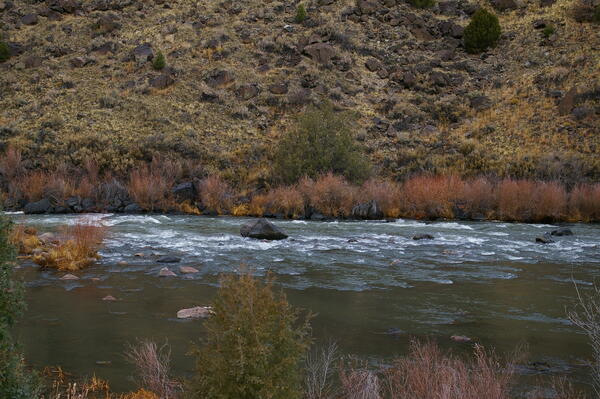
Rio Grande near Taos Junction Bridge near Taos
Rio Grande near Taos Junction Bridge near Taos, New Mexico. Photograph by Jeb Brown, U.S. Geological Survey, October 8, 2014.
SIR 2020-5026
Rio Grande near Taos Junction Bridge near Taos, New Mexico. Photograph by Jeb Brown, U.S. Geological Survey, October 8, 2014.
SIR 2020-5026
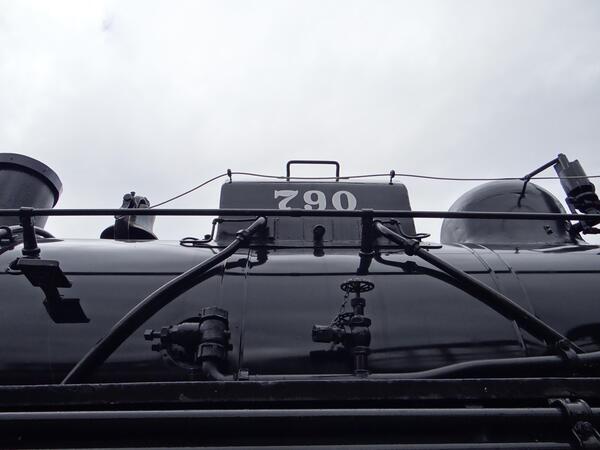
Sand Dome on a Steam Engine
Steam engines used high-grade silica sand for traction on the rails. Sand was stored in a dome on top of the engine and, as the train traveled the tracks, the sand would be sprinkled down pipes to land on the tracks in front of the wheels. This would aid the wheels in gripping the tracks, especially when the rails were wet.
Steam engines used high-grade silica sand for traction on the rails. Sand was stored in a dome on top of the engine and, as the train traveled the tracks, the sand would be sprinkled down pipes to land on the tracks in front of the wheels. This would aid the wheels in gripping the tracks, especially when the rails were wet.
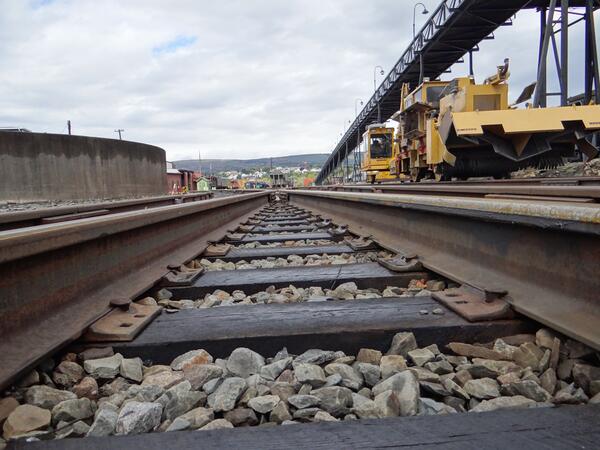
Railroad Tracks
Railroad tracks at Steamtown National Historic Site. Originally, rails were made of iron, but as steel production became more efficient, steel replaced it and is still used today.
Railroad tracks at Steamtown National Historic Site. Originally, rails were made of iron, but as steel production became more efficient, steel replaced it and is still used today.

Panorama of Gettysburg Battlefield
A panorama of fall colors from the observatory tower at Culp's Hill, one of the battle sites at Gettysburg Battlefield.
A panorama of fall colors from the observatory tower at Culp's Hill, one of the battle sites at Gettysburg Battlefield.

Fall Colors in Upstate New York
Fall colors can be seen in Upstate New York along the banks of the Tioughnioga River near Whitney Point.
Fall colors can be seen in Upstate New York along the banks of the Tioughnioga River near Whitney Point.
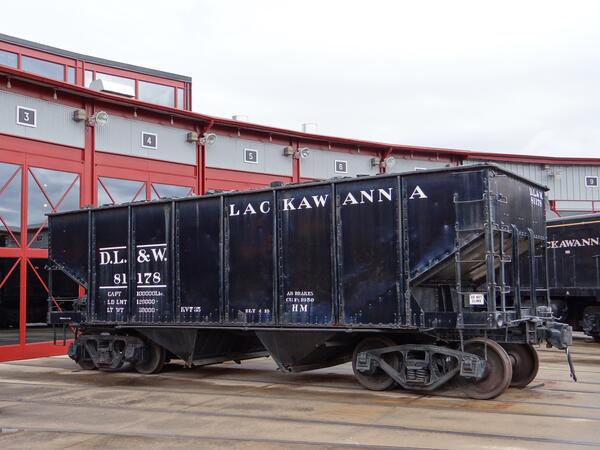
Coal Car
Coal was essential to the operation of the larger steam engines. Coal burns at extremely hot temperatures and burns for a long time, making it an ideal fuel for converting water into steam.
Coal was essential to the operation of the larger steam engines. Coal burns at extremely hot temperatures and burns for a long time, making it an ideal fuel for converting water into steam.
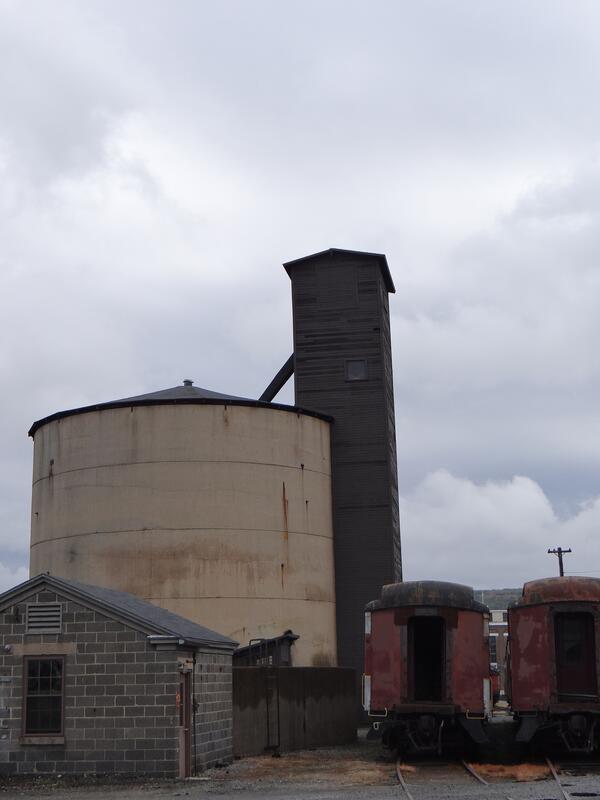
Sand Storage
A sand storage silo at Steamtown National Historic Site. Sand was stored in a dome on top of the engine and, as the train traveled the tracks, the sand would be sprinkled down pipes to land on the tracks in front of the wheels. This would aid the wheels in gripping the tracks, especially when the rails were wet.
A sand storage silo at Steamtown National Historic Site. Sand was stored in a dome on top of the engine and, as the train traveled the tracks, the sand would be sprinkled down pipes to land on the tracks in front of the wheels. This would aid the wheels in gripping the tracks, especially when the rails were wet.
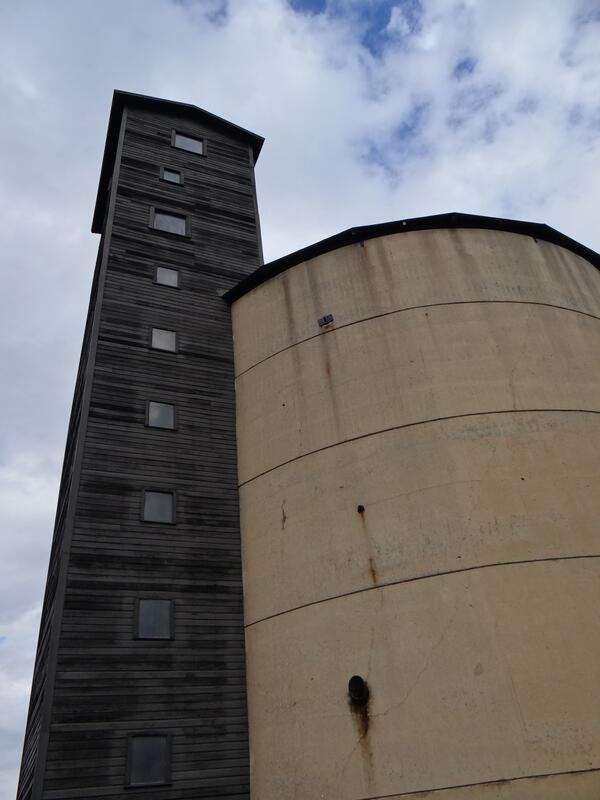
Sand Storage
A sand storage silo at Steamtown National Historic Site. Sand was stored in a dome on top of the engine and, as the train traveled the tracks, the sand would be sprinkled down pipes to land on the tracks in front of the wheels. This would aid the wheels in gripping the tracks, especially when the rails were wet.
A sand storage silo at Steamtown National Historic Site. Sand was stored in a dome on top of the engine and, as the train traveled the tracks, the sand would be sprinkled down pipes to land on the tracks in front of the wheels. This would aid the wheels in gripping the tracks, especially when the rails were wet.
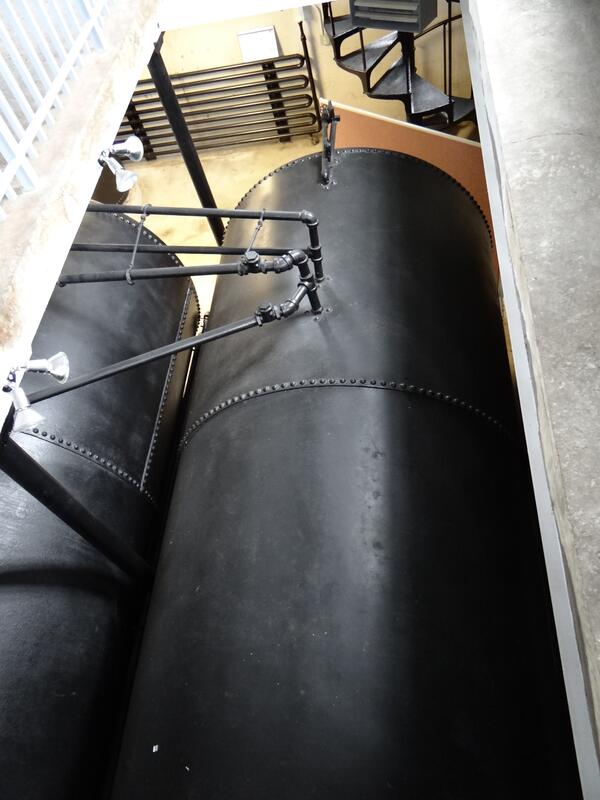
Petroleum Tank
Petroleum first saw widespread use in the transporation industry as a lubricant. It was refined into various products depending on which part of the engine they were meant to lubricate. Once transported by tanker car, it was stored in large tanks such as this one.
Petroleum first saw widespread use in the transporation industry as a lubricant. It was refined into various products depending on which part of the engine they were meant to lubricate. Once transported by tanker car, it was stored in large tanks such as this one.

Panorama of Gettysburg Battlefield
A panorama of fall colors from the observatory tower at Culp's Hill, one of the battle sites at Gettysburg Battlefield.
A panorama of fall colors from the observatory tower at Culp's Hill, one of the battle sites at Gettysburg Battlefield.

Meadow at the Foot of Culp's Hill
A meadow located at the foot of Culp's Hill, one of the battle sites at Gettysburg Battlefield.
A meadow located at the foot of Culp's Hill, one of the battle sites at Gettysburg Battlefield.

Copse of Trees at Culp's Hill
A copse of trees at the base of Culp's Hill, one of the battle sites at Gettysburg Battlefield.
A copse of trees at the base of Culp's Hill, one of the battle sites at Gettysburg Battlefield.
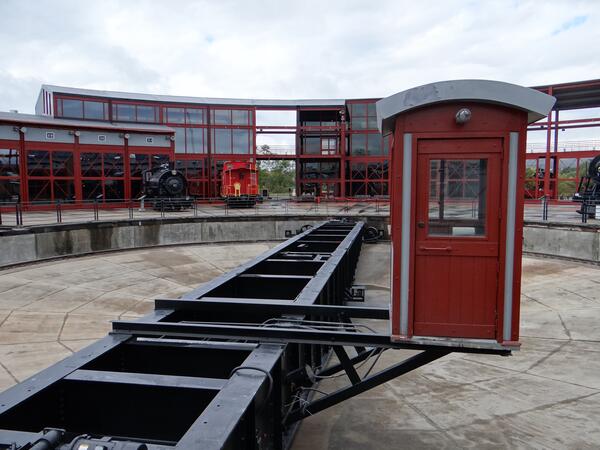
Locomotive Turntable
A locomotive turntable. These were used to move trains from track to track.
A locomotive turntable. These were used to move trains from track to track.
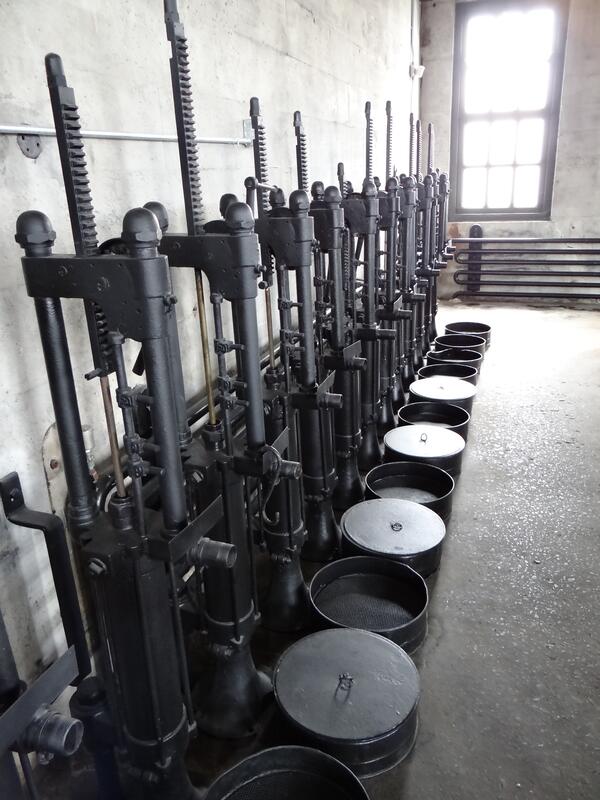
Petroleum Access Wells
Petroleum was refined onsite to differing levels depending on what its purpose was. Differing petroleums were stored in wells like these for ease of access.
Petroleum was refined onsite to differing levels depending on what its purpose was. Differing petroleums were stored in wells like these for ease of access.