



What is animal welfare?
Animal welfare in research means we learn while keeping animals safe and treated humanely. At USGS, we avoid disturbing animals whenever possible, use the smallest number needed, and make any necessary handling brief and gentle. Animals under our care have clean, safe conditions with veterinary oversight. Staff are trained and retrained regularly. If conditions aren’t safe—for animals or people—we pause.
From compliance to care
We follow federal requirements—especially the Animal Welfare Act and the U.S. Government Principles for the Care and Use of Vertebrate Animals. USGS follows federal principles and best practices so all vertebrates are treated humanely and disturbance is minimized.
Oversight
Before any project that involves animals begins, a local Institutional Animal Care and Use Committee (IACUC)—with a veterinarian, scientists, and an unaffiliated community member—reviews the plan. The IACUC may approve the work, request changes, or stop it. Throughout the project, the attending veterinarian helps safeguard well-being, including appropriate handling, nutrition, enrichment, pain relief when indicated, and timely medical attention.

The 3Rs in practice
We apply the “3Rs” on every project:
• Replace hands-on methods with noninvasive tools when possible—such as camera traps, acoustic recorders, drones flown at appropriate altitudes, and environmental DNA (eDNA) from water or soil.
• Reduce numbers by designing studies efficiently (e.g., power analyses, shared datasets, repeated measures) so we use only the minimum animals needed for reliable results.
• Refine techniques to lower stress and prevent pain—short handling times, soft nets and gloves, shaded/cool work areas, species-appropriate transport, anesthesia/analgesia when needed, and release at the capture site with monitoring.
Reducing Animal Use in Ecotoxicology Testing and Biomonitoring
Special care for wildlife
Our fieldwork aims to be low-impact. We try to steer clear of sensitive areas, use buffer zones near nests or dens, limit time and noise at sites, clean gear to prevent disease, and work under the appropriate permits and ethical standards.


Ongoing accountability you can trust
Oversight doesn’t end after approval. The IACUC and veterinary staff monitor ongoing work, and if something isn’t meeting standards, activities can be paused while issues are addressed. Ongoing training, inspections, and clear reporting help keep animals safe and results reliable.
Why this matters
Sound welfare practices support better, more dependable science. That, in turn, helps inform conservation, sustain healthy ecosystems, and provide information communities can trust for public health and natural-resource stewardship.
Our commitment
We practice practical compassion in the field: designs that spare animals unnecessary disturbance, contact only when essential, and quick, quiet techniques that put safety first. Every team member can call a stop if risks rise, and we adjust rather than push through. We review outcomes, update protocols, and share what we learn to keep animals protected. This is how we earn trust—by choosing care, caution, and transparency at every step.
Scroll down to see some examples!
Smart Collars, Safe Deer
USGS scientists use light GPS collars and tiny motion sensors—think “smartwatches for deer”—to track how mule deer move, survive, and stay healthy. The collar locations are compared with satellite maps that show plant growth (“green-up”), snow and drought, and busy roads so we can spot important migration corridors, winter ranges, places where Chronic Wasting Disease (CWD) might spread, and road-risk hotspots. To protect the animals, researchers use the fewest deer needed, handle them quickly and calmly, rely on gear that’s been tested, and program collars to drop off on their own while keeping close watch to make sure deer stay okay. This approach gives us strong, real-world data that helps managers protect key habitats and design safer wildlife crossings—while avoiding pain, stress, and injury for the deer.

Smart Tags, Safer Seas: Protecting Sea Turtles from Dry Tortugas to the Gulf
USGS scientists study endangered sea turtles in Dry Tortugas National Park to understand how they use protected habitats. By safely tagging and tracking green, hawksbill, and loggerhead turtles, researchers learn where the animals feed, rest, and migrate. This information helps managers design marine protected areas that safeguard turtles at every stage of life, while ensuring the animals are handled with care and released unharmed. The work supports long-term recovery of sea turtle populations in Florida and beyond.

eDNA: Wildlife Science—No Nets, No Stress
USGS uses environmental DNA (eDNA)—the genetic traces animals leave in water, soil, or air—to find species, spot invasives and pathogens early, and track biodiversity without touching or disturbing wildlife. A simple water sample can reveal rare or elusive species and, with autonomous samplers and standardized USGS protocols, expand monitoring to more places and times while keeping fieldwork brief and hands-off. That means stronger science, safer animals, and faster guidance for conservation and management.

The USGS National Wildlife Health Center: Science that Saves Wildlife
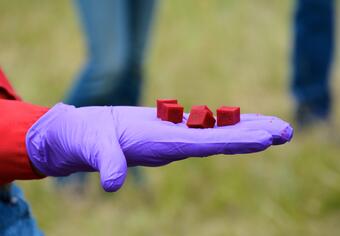
USGS’s National Wildlife Health Center helps animals by detecting and responding to diseases before they spread. Our scientists monitor wild birds for avian influenza, develop tools like oral vaccines that protect prairie dogs—and, in turn, endangered black-footed ferrets—advance solutions for white-nose syndrome in bats, and improve testing for chronic wasting disease in deer, elk, and moose.
Pollution Detectives: How USGS Protects Wildlife and Water —With Animal Welfare First
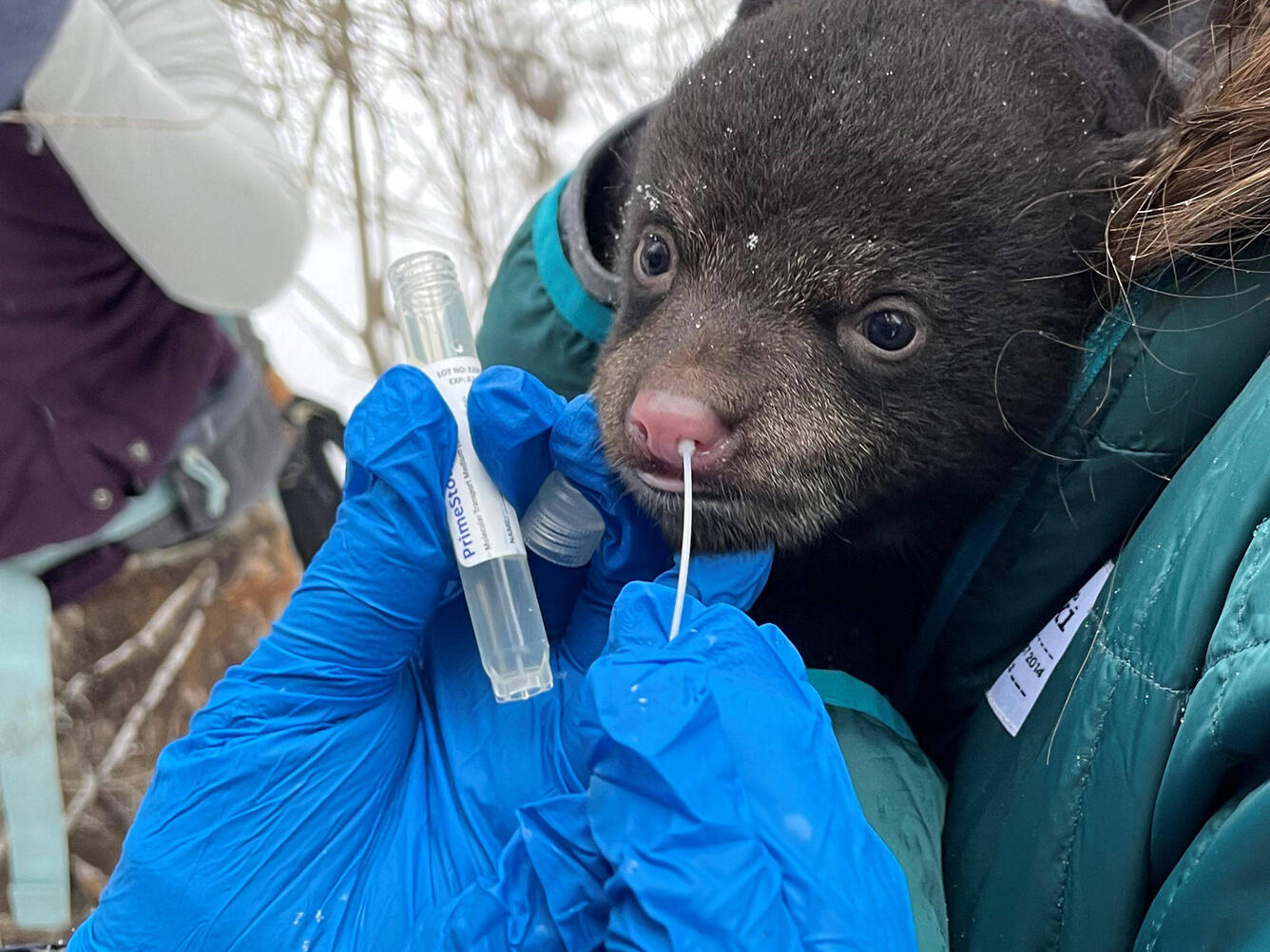
USGS ecotoxicology studies how pollution in water, soil, and air can harm living things. We look at chemicals like PFAS (long-lasting chemicals), pesticides, metals, algal toxins, and microplastics. Scientists check rivers and lakes to see how these pollutants affect many animals—not just fish, but also frogs and turtles, birds, and mammals. We also do small, careful lab tests to learn how pollution changes growth and the body’s defenses. We use what we learn to find trouble spots and help communities clean up and fix habitats. Animal care comes first—gentle handling, using as few animals as possible, and strict rules checked by experts.

Environmental Toxicology
Wings of Change: The Environments Influence on Bird Flu
GeoHealth Newsletter

Gentle Science for Frogs and Salamanders
Many frogs and salamanders in the U.S. are in trouble. Their wet homes—ponds and marshes—are getting smaller, some germs are making them sick, and some invasive species are competing with them. Through a program called ARMI, USGS checks where these animals are disappearing and studies a skin disease called chytrid while watching for the potential arrival of another one called Bsal . We are gentle with animals: we use no-touch or low-touch methods, handle them only when needed, and let them go right away. The facts we gather help leaders fix and protect wetlands, stop harmful invaders, and keep America’s amazing frogs and salamanders healthy.
Click here to learn more about the USGS Amphibian Research and Monitoring Initiative (ARMI)!
Manatee Health Watch: Caring Science in the Field
For more than 20 years, USGS and partners check the health of manatees to help protect them. Trained teams safely capture and release the animals, making sure they are handled gently and with care. These health checks give scientists vital information about manatee nutrition, growth, and reproduction—while keeping animal welfare a top priority. So far, more than 1,100 manatees have been examined, helping scientists understand how these gentle animals grow, reproduce, and survive in changing environments. This information is vital for conservation and guides actions to protect manatees and their habitats
Click here to learn more about USGS research on manatees!

Goats & Bighorns, Handled with Care
USGS works with park rangers, Tribes, and volunteers to help mountain goats and bighorn sheep stay healthy from Glacier–Waterton to Grand Teton and the Grand Canyon. We use gentle tools—like satellites and special cameras, GPS collars, and even DNA from droppings—to learn how big herds are, where animals move, and how family groups are related. This helps us see how fire and changing land connect or separate herds, find sickness along the Colorado River, and remove invasive goats that don’t belong so native bighorns can thrive. We handle animals as little as possible and release them quickly and safely, so the science helps without hurting.
Click here to learn more about USGS research on Bighorn sheep and Mountain goats!
Tagging Fish Kindly, Managing Fish & Waters Wisely
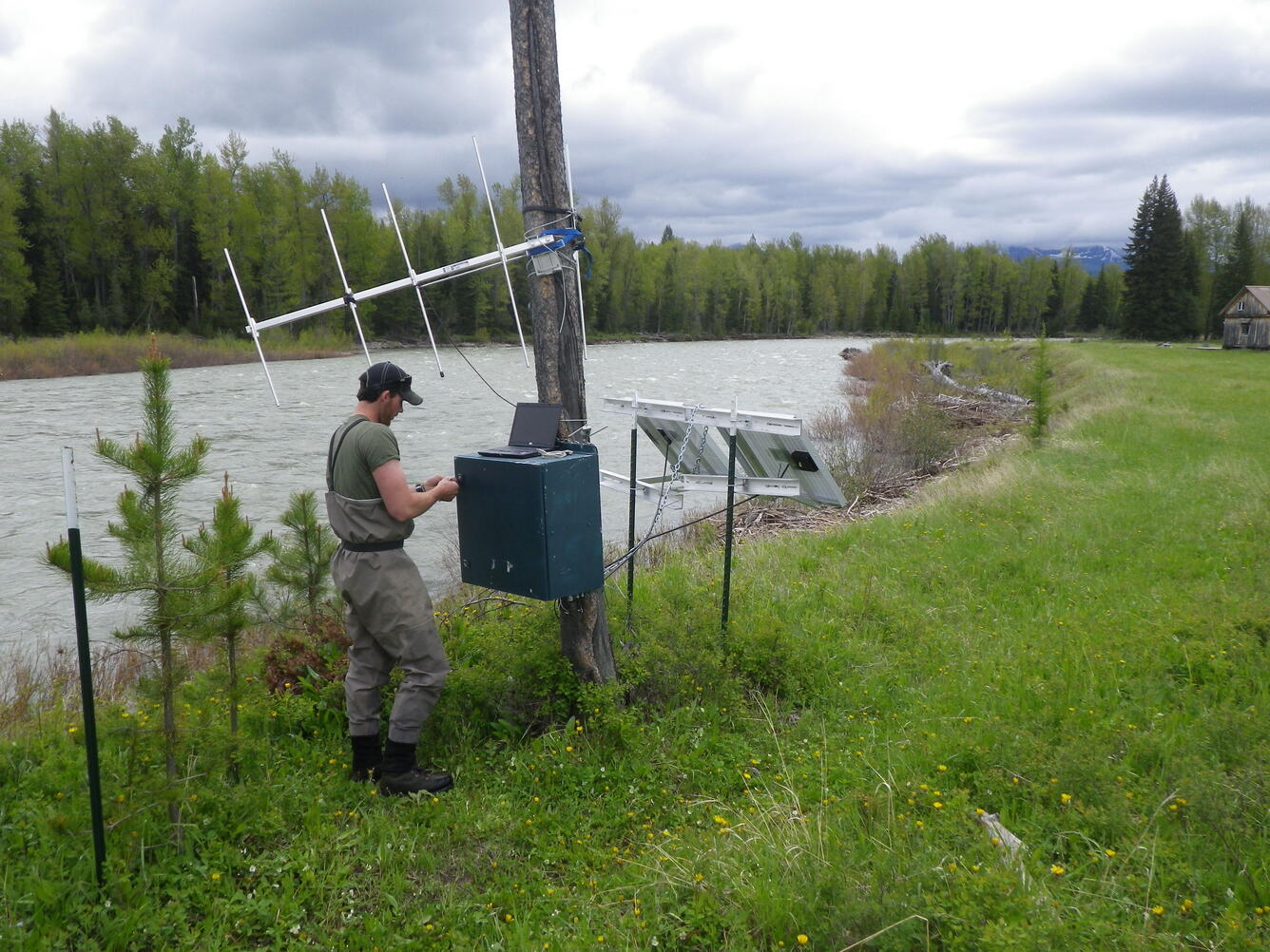
USGS tags fish to learn where they go, how they survive, and what habitats they need—so managers can make smarter, targeted decisions. Some tags beep to underwater receivers (acoustic), some send radio or satellite signals, and some are tiny ID chips (PIT) read when a fish passes a sensor. These data reveal migration routes, key spawning areas, and where dams or warm, low-flow stretches create barriers. They also let scientists estimate survival and population size and choose the best times and places to restore habitat or control harmful invasive species while protecting natives. Animal welfare comes first: we use the smallest safe tags, test gear ahead of time, keep handling brief (with anesthesia when needed), release fish quickly; we turn real-world movement into actionable science for rivers, lakes, and coasts.
USGS Wetland and Aquatic Research Center Science Supporting the Inter-State Fisheries Commission:
Tracking Salmon in the Changing Klamath River
Supporting Interstate Conservation of Atlantic Sturgeon
Key Values of a Century of EESC Science
Why Tag Lamprey? Smarter Control, Better Conservation
USGS puts tiny, gentle tags on lamprey so we can see where they travel, where they lay eggs (spawn), and how well they survive. In the Great Lakes, this helps us choose the best times and places for barriers, traps, and safe treatments to stop invasive sea lamprey and protect trout and salmon. In the West, tracking native lamprey—like Pacific lamprey—shows where dams block them, which habitats need fixing, and supports the priorities of Tribes who value these fish. We use the smallest safe tags, handle fish briefly and carefully, and release them right away. What we learn becomes smart actions that reduce harm from invasives and help native lamprey recover.

What is animal welfare?
Animal welfare in research means we learn while keeping animals safe and treated humanely. At USGS, we avoid disturbing animals whenever possible, use the smallest number needed, and make any necessary handling brief and gentle. Animals under our care have clean, safe conditions with veterinary oversight. Staff are trained and retrained regularly. If conditions aren’t safe—for animals or people—we pause.
From compliance to care
We follow federal requirements—especially the Animal Welfare Act and the U.S. Government Principles for the Care and Use of Vertebrate Animals. USGS follows federal principles and best practices so all vertebrates are treated humanely and disturbance is minimized.
Oversight
Before any project that involves animals begins, a local Institutional Animal Care and Use Committee (IACUC)—with a veterinarian, scientists, and an unaffiliated community member—reviews the plan. The IACUC may approve the work, request changes, or stop it. Throughout the project, the attending veterinarian helps safeguard well-being, including appropriate handling, nutrition, enrichment, pain relief when indicated, and timely medical attention.
The 3Rs in practice
We apply the “3Rs” on every project:
• Replace hands-on methods with noninvasive tools when possible—such as camera traps, acoustic recorders, drones flown at appropriate altitudes, and environmental DNA (eDNA) from water or soil.
• Reduce numbers by designing studies efficiently (e.g., power analyses, shared datasets, repeated measures) so we use only the minimum animals needed for reliable results.
• Refine techniques to lower stress and prevent pain—short handling times, soft nets and gloves, shaded/cool work areas, species-appropriate transport, anesthesia/analgesia when needed, and release at the capture site with monitoring.
Reducing Animal Use in Ecotoxicology Testing and Biomonitoring
Special care for wildlife
Our fieldwork aims to be low-impact. We try to steer clear of sensitive areas, use buffer zones near nests or dens, limit time and noise at sites, clean gear to prevent disease, and work under the appropriate permits and ethical standards.
Ongoing accountability you can trust
Oversight doesn’t end after approval. The IACUC and veterinary staff monitor ongoing work, and if something isn’t meeting standards, activities can be paused while issues are addressed. Ongoing training, inspections, and clear reporting help keep animals safe and results reliable.
Why this matters
Sound welfare practices support better, more dependable science. That, in turn, helps inform conservation, sustain healthy ecosystems, and provide information communities can trust for public health and natural-resource stewardship.
Our commitment
We practice practical compassion in the field: designs that spare animals unnecessary disturbance, contact only when essential, and quick, quiet techniques that put safety first. Every team member can call a stop if risks rise, and we adjust rather than push through. We review outcomes, update protocols, and share what we learn to keep animals protected. This is how we earn trust—by choosing care, caution, and transparency at every step.
Scroll down to see some examples!
Smart Collars, Safe Deer
USGS scientists use light GPS collars and tiny motion sensors—think “smartwatches for deer”—to track how mule deer move, survive, and stay healthy. The collar locations are compared with satellite maps that show plant growth (“green-up”), snow and drought, and busy roads so we can spot important migration corridors, winter ranges, places where Chronic Wasting Disease (CWD) might spread, and road-risk hotspots. To protect the animals, researchers use the fewest deer needed, handle them quickly and calmly, rely on gear that’s been tested, and program collars to drop off on their own while keeping close watch to make sure deer stay okay. This approach gives us strong, real-world data that helps managers protect key habitats and design safer wildlife crossings—while avoiding pain, stress, and injury for the deer.
Smart Tags, Safer Seas: Protecting Sea Turtles from Dry Tortugas to the Gulf
USGS scientists study endangered sea turtles in Dry Tortugas National Park to understand how they use protected habitats. By safely tagging and tracking green, hawksbill, and loggerhead turtles, researchers learn where the animals feed, rest, and migrate. This information helps managers design marine protected areas that safeguard turtles at every stage of life, while ensuring the animals are handled with care and released unharmed. The work supports long-term recovery of sea turtle populations in Florida and beyond.
eDNA: Wildlife Science—No Nets, No Stress
USGS uses environmental DNA (eDNA)—the genetic traces animals leave in water, soil, or air—to find species, spot invasives and pathogens early, and track biodiversity without touching or disturbing wildlife. A simple water sample can reveal rare or elusive species and, with autonomous samplers and standardized USGS protocols, expand monitoring to more places and times while keeping fieldwork brief and hands-off. That means stronger science, safer animals, and faster guidance for conservation and management.
The USGS National Wildlife Health Center: Science that Saves Wildlife
USGS’s National Wildlife Health Center helps animals by detecting and responding to diseases before they spread. Our scientists monitor wild birds for avian influenza, develop tools like oral vaccines that protect prairie dogs—and, in turn, endangered black-footed ferrets—advance solutions for white-nose syndrome in bats, and improve testing for chronic wasting disease in deer, elk, and moose.
Pollution Detectives: How USGS Protects Wildlife and Water —With Animal Welfare First
USGS ecotoxicology studies how pollution in water, soil, and air can harm living things. We look at chemicals like PFAS (long-lasting chemicals), pesticides, metals, algal toxins, and microplastics. Scientists check rivers and lakes to see how these pollutants affect many animals—not just fish, but also frogs and turtles, birds, and mammals. We also do small, careful lab tests to learn how pollution changes growth and the body’s defenses. We use what we learn to find trouble spots and help communities clean up and fix habitats. Animal care comes first—gentle handling, using as few animals as possible, and strict rules checked by experts.
Environmental Toxicology
Wings of Change: The Environments Influence on Bird Flu
GeoHealth Newsletter
Gentle Science for Frogs and Salamanders
Many frogs and salamanders in the U.S. are in trouble. Their wet homes—ponds and marshes—are getting smaller, some germs are making them sick, and some invasive species are competing with them. Through a program called ARMI, USGS checks where these animals are disappearing and studies a skin disease called chytrid while watching for the potential arrival of another one called Bsal . We are gentle with animals: we use no-touch or low-touch methods, handle them only when needed, and let them go right away. The facts we gather help leaders fix and protect wetlands, stop harmful invaders, and keep America’s amazing frogs and salamanders healthy.
Click here to learn more about the USGS Amphibian Research and Monitoring Initiative (ARMI)!
Manatee Health Watch: Caring Science in the Field
For more than 20 years, USGS and partners check the health of manatees to help protect them. Trained teams safely capture and release the animals, making sure they are handled gently and with care. These health checks give scientists vital information about manatee nutrition, growth, and reproduction—while keeping animal welfare a top priority. So far, more than 1,100 manatees have been examined, helping scientists understand how these gentle animals grow, reproduce, and survive in changing environments. This information is vital for conservation and guides actions to protect manatees and their habitats
Click here to learn more about USGS research on manatees!
Goats & Bighorns, Handled with Care
USGS works with park rangers, Tribes, and volunteers to help mountain goats and bighorn sheep stay healthy from Glacier–Waterton to Grand Teton and the Grand Canyon. We use gentle tools—like satellites and special cameras, GPS collars, and even DNA from droppings—to learn how big herds are, where animals move, and how family groups are related. This helps us see how fire and changing land connect or separate herds, find sickness along the Colorado River, and remove invasive goats that don’t belong so native bighorns can thrive. We handle animals as little as possible and release them quickly and safely, so the science helps without hurting.
Click here to learn more about USGS research on Bighorn sheep and Mountain goats!
Tagging Fish Kindly, Managing Fish & Waters Wisely
USGS tags fish to learn where they go, how they survive, and what habitats they need—so managers can make smarter, targeted decisions. Some tags beep to underwater receivers (acoustic), some send radio or satellite signals, and some are tiny ID chips (PIT) read when a fish passes a sensor. These data reveal migration routes, key spawning areas, and where dams or warm, low-flow stretches create barriers. They also let scientists estimate survival and population size and choose the best times and places to restore habitat or control harmful invasive species while protecting natives. Animal welfare comes first: we use the smallest safe tags, test gear ahead of time, keep handling brief (with anesthesia when needed), release fish quickly; we turn real-world movement into actionable science for rivers, lakes, and coasts.
USGS Wetland and Aquatic Research Center Science Supporting the Inter-State Fisheries Commission:
Tracking Salmon in the Changing Klamath River
Supporting Interstate Conservation of Atlantic Sturgeon
Key Values of a Century of EESC Science
Why Tag Lamprey? Smarter Control, Better Conservation
USGS puts tiny, gentle tags on lamprey so we can see where they travel, where they lay eggs (spawn), and how well they survive. In the Great Lakes, this helps us choose the best times and places for barriers, traps, and safe treatments to stop invasive sea lamprey and protect trout and salmon. In the West, tracking native lamprey—like Pacific lamprey—shows where dams block them, which habitats need fixing, and supports the priorities of Tribes who value these fish. We use the smallest safe tags, handle fish briefly and carefully, and release them right away. What we learn becomes smart actions that reduce harm from invasives and help native lamprey recover.