



From Water, Soil, and Air: Building USGS Leadership in Environmental DNA (eDNA)
The USGS is a pioneer in environmental DNA (eDNA) science, applying cutting-edge molecular tools to identify, detect, or track species, monitor ecosystems, and safeguard biodiversity.
What is eDNA?
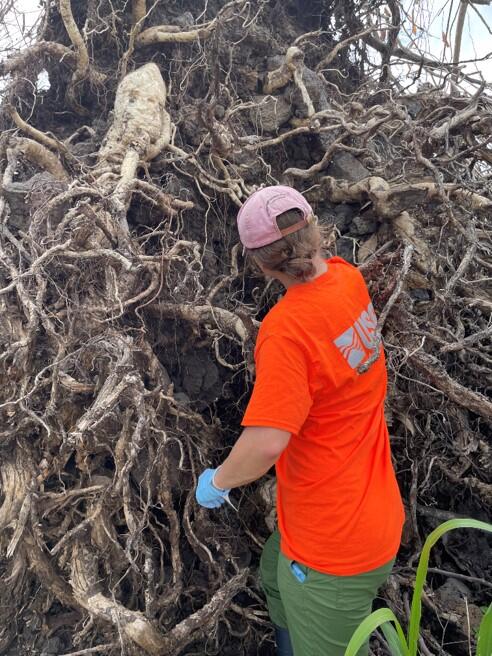
Environmental DNA (eDNA) is genetic material that organisms leave behind in their environment—such as skin cells, hair, scales, feces, or pollen. By collecting samples of water, soil, or air and analyzing the DNA in them, scientists can detect which species are present without needing to see, capture, or disturb them. This makes detection surveys faster, cheaper, less stressful for animals, and often more accurate—especially for rare, cryptic, secretive, or hard-to-catch species. This transformative tool can be deployed across ecosystems ranging from deep oceans to terrestrial, as well as for purposes like detecting hitch-hiker invasive species in high-risk introduction pathways such as ballast water and shipping containers.
What is “National eDNA Intelligence”?
The USGS is aligning its work under National Environmental DNA Intelligence—a way to integrate genetic, ecological, and environmental data across ecosystems to deliver timely, science-based insights for the nation.
By combining eDNA with hydrologic data, remote sensing, ecological modeling, and large-scale data integration, the USGS Ecosystems Mission Area can detect biological change as it happens—whether that’s an invasive species spreading, a wildlife disease emerging, or shifts in ecosystem health. This produces actionable knowledge for biodiversity conservation, invasive species control, wildlife disease response, and even public health.
Ecosystems Mission Area and National eDNA Intelligence
READI-Net is the shared playbook and team that helps labs use the same methods and back each other up. What this means in practice:
Early warning: USGS can quickly launch checks for DNA traces in water, soil, or air to spot problems early.
Community checkups: We can see which species are present before and after management actions.
Clear answers: We turn lab results into usable maps and trends that show where species are and how they’re changing.
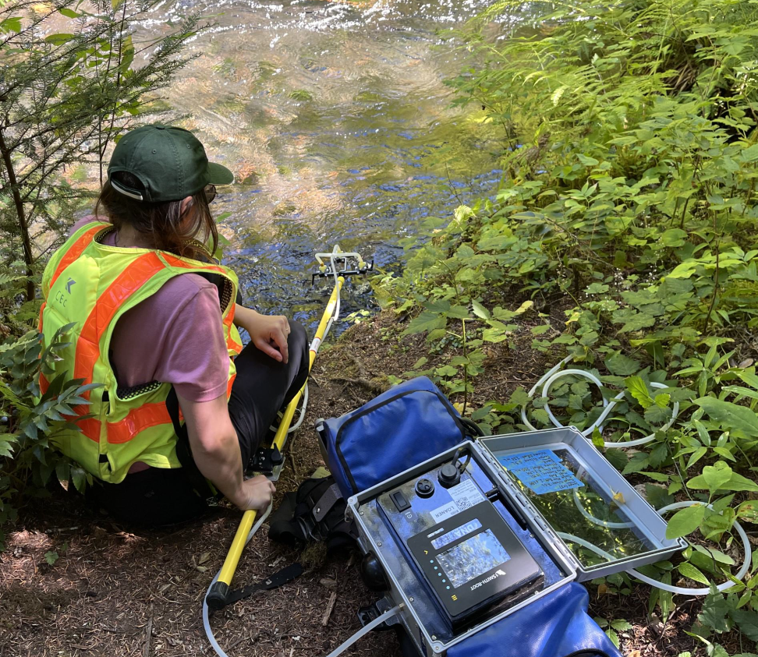
National eDNA Intelligence underscores USGS’s role as a trusted, neutral provider of biological intelligence—so managers, policymakers, and communities get the timely information they need to anticipate and respond to environmental challenges with confidence.
Toward a National eDNA Strategy
Environmental DNA (eDNA) is becoming a powerful tool for tracking species, ecosystems, and diseases. The, USGS is leading work on a National eDNA Strategy with federal, state, tribal, university, and NGO partners. The strategy sets common standards, builds shared labs and databases, and promotes coordination across agencies. It also emphasizes early warnings for invasive species and wildlife diseases and ensures open access so data can be used by managers, communities, and the public. Together, these steps turn separate projects into a coordinated national system that gives managers faster, more reliable information to protect biodiversity.
USGS eDNA Capabilities and Network
Across USGS, eDNA function as a nationwide network, not just a single program. In the lab, about 40–50 researchers prepare samples, extract DNA, and runthe tests that reveal species and entire communities. Supporting them is a wider team of 100–130 scientists, specialists, and data experts who design studies, gather thousands of samples, and turn results into actionable guidance for managers. Altogether, roughly 160–230 USGS researchers use genetics to tackle population studies, invasive species, and advanced data analysis. Together, they form the backbone of a national system that makes eDNA a powerful tool for conservation across the country.
Invasive Species
Species Management
Water Quality
Management Implications
National Integration and Infrastructure
Since 2010, USGS has worked with Interior partners and other agencies to build eDNA tools and expand lab capacity. A key piece is the Nonindigenous Aquatic Species (NAS) Database, the nation’s main early-warning system for invasive species. With more than 570,000 records, adding eDNA detections makes NAS even stronger—helping managers spot threats sooner and respond faster.
Since 2022, USGS has also worked with Department of the Interior partners to expand eDNA tools, increase laboratory capacity, and connect results to decision systems used by resource managers. A central goal is Early Detection and Rapid Response (EDRR)—finding invasive species and diseases as soon as possible so managers can act quickly. Detecting threats early with eDNA makes responses faster, cheaper, and more effective, helping to protect native species and reduce long-term damage to ecosystems.
USGS is also leading the development of standards and best practices through a comprehensive “eDNA Toolbox.” covering study design, assay validation, field sampling, laboratory workflows, and data interpretation—so methods are robust, consistent, and accessible across agencies, universities, and tribal partners.
Turning Laboratory Research into Response: READI-Net in Action
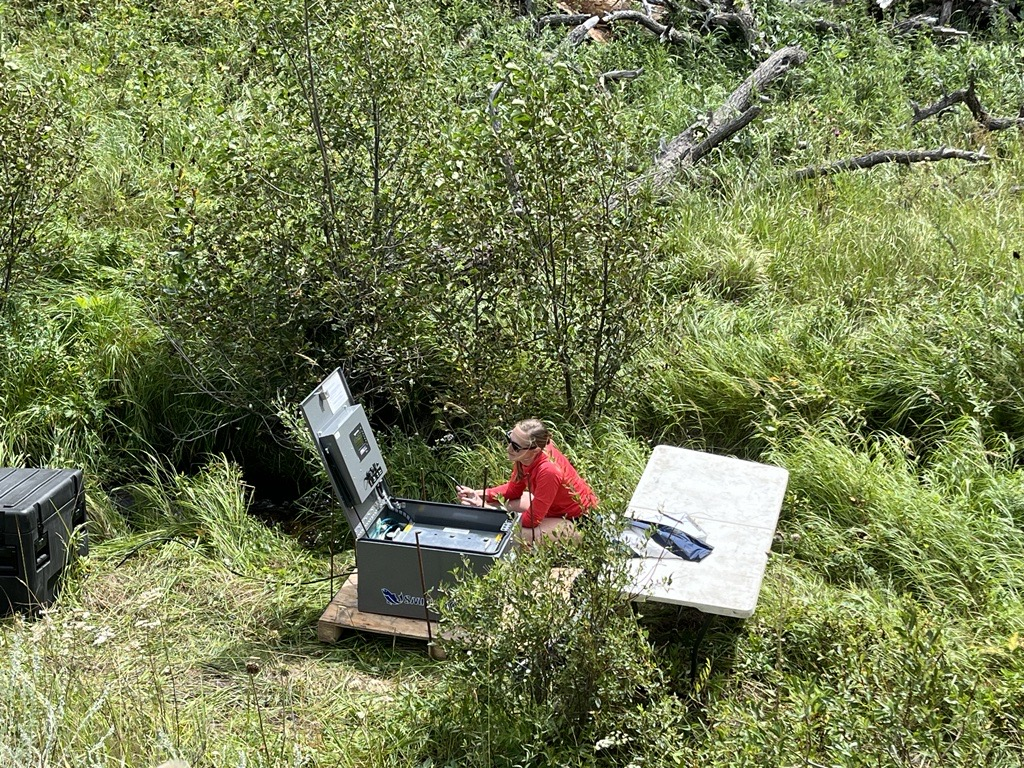
The Rapid eDNA Assessment and Deployment Initiative and Network (READI-Net) is a USGS program that helps turn environmental DNA science into tools managers can actually use in the field. Instead of waiting for long lab studies, READI-Net makes it possible to quickly collect and test samples with portable kits, robotic samplers, and easy-to-use methods. This means scientists and resource managers can detect invasive species or monitor ecosystem health much faster and with more confidence. READI-Net also works to make sure eDNA results are consistent and reliable no matter who collects them, by developing shared standards and linking results to other data like water quality and habitat conditions. These tools are now being applied not only in rivers and lakes, but also in coastal and marine areas where they can guide conservation and even help plan for things like offshore renewable energy. In short, READI-Net is helping bring cutting-edge eDNA science out of the lab and into the hands of the people protecting our lands and waters.
Siren: The National Early Detection and Rapid Response Information System
Siren is an online tool that helps people track and stop invasive species—plants and animals that cause problems when they move into new places. It brings together information from many scientists and projects so that managers, rangers, and researchers can make smart choices. Siren includes maps that show where invasive species are found, lists of the ones most likely to spread, and models that predict where they might go next. One of its most important parts is using environmental DNA (eDNA), which lets scientists find traces of species in water, soil, or air without needing to see or catch them. This makes early detection faster and easier. Siren also shows what other teams are doing across the country so people can learn from each other and respond quickly to protect nature.
eDNA Point of Use Tools
Automated eDNA Sampling
Genetic Marker Development
National EDRR Framework

Siren: The National Early Detection and Rapid Response Information System

Resource Manager's eDNA Toolbox

READI-Net: Providing Tools for the Early Detection and Management of Aquatic Invasive Species

Nonindigenous Aquatic Species Database and Website (NAS)
The USGS is a pioneer in environmental DNA (eDNA) science, applying cutting-edge molecular tools to identify, detect, or track species, monitor ecosystems, and safeguard biodiversity.
What is eDNA?
Environmental DNA (eDNA) is genetic material that organisms leave behind in their environment—such as skin cells, hair, scales, feces, or pollen. By collecting samples of water, soil, or air and analyzing the DNA in them, scientists can detect which species are present without needing to see, capture, or disturb them. This makes detection surveys faster, cheaper, less stressful for animals, and often more accurate—especially for rare, cryptic, secretive, or hard-to-catch species. This transformative tool can be deployed across ecosystems ranging from deep oceans to terrestrial, as well as for purposes like detecting hitch-hiker invasive species in high-risk introduction pathways such as ballast water and shipping containers.
What is “National eDNA Intelligence”?
The USGS is aligning its work under National Environmental DNA Intelligence—a way to integrate genetic, ecological, and environmental data across ecosystems to deliver timely, science-based insights for the nation.
By combining eDNA with hydrologic data, remote sensing, ecological modeling, and large-scale data integration, the USGS Ecosystems Mission Area can detect biological change as it happens—whether that’s an invasive species spreading, a wildlife disease emerging, or shifts in ecosystem health. This produces actionable knowledge for biodiversity conservation, invasive species control, wildlife disease response, and even public health.
Ecosystems Mission Area and National eDNA Intelligence
READI-Net is the shared playbook and team that helps labs use the same methods and back each other up. What this means in practice:
Early warning: USGS can quickly launch checks for DNA traces in water, soil, or air to spot problems early.
Community checkups: We can see which species are present before and after management actions.
Clear answers: We turn lab results into usable maps and trends that show where species are and how they’re changing.
National eDNA Intelligence underscores USGS’s role as a trusted, neutral provider of biological intelligence—so managers, policymakers, and communities get the timely information they need to anticipate and respond to environmental challenges with confidence.
Toward a National eDNA Strategy
Environmental DNA (eDNA) is becoming a powerful tool for tracking species, ecosystems, and diseases. The, USGS is leading work on a National eDNA Strategy with federal, state, tribal, university, and NGO partners. The strategy sets common standards, builds shared labs and databases, and promotes coordination across agencies. It also emphasizes early warnings for invasive species and wildlife diseases and ensures open access so data can be used by managers, communities, and the public. Together, these steps turn separate projects into a coordinated national system that gives managers faster, more reliable information to protect biodiversity.
USGS eDNA Capabilities and Network
Across USGS, eDNA function as a nationwide network, not just a single program. In the lab, about 40–50 researchers prepare samples, extract DNA, and runthe tests that reveal species and entire communities. Supporting them is a wider team of 100–130 scientists, specialists, and data experts who design studies, gather thousands of samples, and turn results into actionable guidance for managers. Altogether, roughly 160–230 USGS researchers use genetics to tackle population studies, invasive species, and advanced data analysis. Together, they form the backbone of a national system that makes eDNA a powerful tool for conservation across the country.
Invasive Species
Species Management
Water Quality
Management Implications
National Integration and Infrastructure
Since 2010, USGS has worked with Interior partners and other agencies to build eDNA tools and expand lab capacity. A key piece is the Nonindigenous Aquatic Species (NAS) Database, the nation’s main early-warning system for invasive species. With more than 570,000 records, adding eDNA detections makes NAS even stronger—helping managers spot threats sooner and respond faster.
Since 2022, USGS has also worked with Department of the Interior partners to expand eDNA tools, increase laboratory capacity, and connect results to decision systems used by resource managers. A central goal is Early Detection and Rapid Response (EDRR)—finding invasive species and diseases as soon as possible so managers can act quickly. Detecting threats early with eDNA makes responses faster, cheaper, and more effective, helping to protect native species and reduce long-term damage to ecosystems.
USGS is also leading the development of standards and best practices through a comprehensive “eDNA Toolbox.” covering study design, assay validation, field sampling, laboratory workflows, and data interpretation—so methods are robust, consistent, and accessible across agencies, universities, and tribal partners.
Turning Laboratory Research into Response: READI-Net in Action
The Rapid eDNA Assessment and Deployment Initiative and Network (READI-Net) is a USGS program that helps turn environmental DNA science into tools managers can actually use in the field. Instead of waiting for long lab studies, READI-Net makes it possible to quickly collect and test samples with portable kits, robotic samplers, and easy-to-use methods. This means scientists and resource managers can detect invasive species or monitor ecosystem health much faster and with more confidence. READI-Net also works to make sure eDNA results are consistent and reliable no matter who collects them, by developing shared standards and linking results to other data like water quality and habitat conditions. These tools are now being applied not only in rivers and lakes, but also in coastal and marine areas where they can guide conservation and even help plan for things like offshore renewable energy. In short, READI-Net is helping bring cutting-edge eDNA science out of the lab and into the hands of the people protecting our lands and waters.
Siren: The National Early Detection and Rapid Response Information System
Siren is an online tool that helps people track and stop invasive species—plants and animals that cause problems when they move into new places. It brings together information from many scientists and projects so that managers, rangers, and researchers can make smart choices. Siren includes maps that show where invasive species are found, lists of the ones most likely to spread, and models that predict where they might go next. One of its most important parts is using environmental DNA (eDNA), which lets scientists find traces of species in water, soil, or air without needing to see or catch them. This makes early detection faster and easier. Siren also shows what other teams are doing across the country so people can learn from each other and respond quickly to protect nature.
eDNA Point of Use Tools
Automated eDNA Sampling
Genetic Marker Development
National EDRR Framework
Siren: The National Early Detection and Rapid Response Information System
Resource Manager's eDNA Toolbox
READI-Net: Providing Tools for the Early Detection and Management of Aquatic Invasive Species