
Organic Chemistry Research Core Technology Team
Bumble bees being prepped for pesticide residue analysis.
Vial containing an egg sample that will undergo chemical extraction
A U.S. Geological Survey chemist evaporating sample extracts
Gas chromatograph-mass spectrometer
U.S. Geological Survey chemist homogenizes a tissue sample
About the Research
The Organic Chemistry Research Laboratory Core Technology Team (CTT) as part of the Environmental Health Program focuses on the identification and quantitation of trace level organic contaminants (with a special focus on pesticides) in a wide array of environmental media (water, sediment/soil, plants, biota, etc.).
The Organic Chemistry Research Laboratory CTT develops targeted analytical methods for the quantitation of chemicals that can impact the health of organisms and humans.
This work focuses on contaminants and emerging issues including pesticides, other agrochemicals (nitrification inhibitors, herbicide safeners), disinfection by-products, quaternary ammonium compounds (QACs), and multiple other anthropogenic chemicals and their transformation products.
Key Instrumentation
- Two gas chromatograph single quadrupole mass spectrometers for chemical quantitation (water, sediment, tissue)
- Gas chromatograph triple quadrupole mass spectrometer for chemical quantitation (tissue and sediments)
- Liquid chromatograph triple quadrupole mass spectrometer for chemical quantitation (water, sediment, tissue)
- Liquid chromatograph high resolution mass spectrometer for chemical quantitation and identification
- Extraction equipment for working with a variety of sample matrices
Key Analytical Capabilities
- Pesticides and pesticide degradates
- Custom method/matrix development
- Ability to measure environmentally relevant concentrations in small sample volumes.
Science Team Collaborators
-
Food Resources Lifecycle Integrated Science Team
The team studies the movement of toxicants and pathogens that could originate from the growing, raising, and processing/manufacturing of plant and animal products through the environment where exposure can occur. This information is used to understand if there are adverse effects upon exposure and to develop decision tools to protect health.Drinking Water and Wastewater Infrastructure Science Team
The team studies toxicants and pathogens in water resources from their sources, through watersheds, aquifers, and infrastructure to human and wildlife exposures. That information is used to develop decision tools that protect human and wildlife health.Energy Resources Life Cycle Integrated Science Team
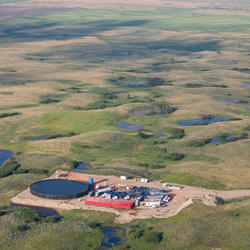
The Energy Resources Life Cycle Integrated Science Team focuses on the potential for environmental contaminant exposures that might originate from energy resource activities including extraction, production, transportation, storage, waste management, and restoration. Perceived health risks to humans and other organisms will be distinguished from actual risks, if any. If actual risks are identified...
Science activities related to the Organic Chemistry Research Core Technology Team can be found below.
Data related to the Organic Chemistry Research Core Technology Team can be found below.
Characterizing microbiota, virulome, and resistome of wild prairie grouse in crop producing and uncultivated areas of Nebraska Characterizing microbiota, virulome, and resistome of wild prairie grouse in crop producing and uncultivated areas of Nebraska
Concentrations of pesticides in multiple matrices to measure exposure of wild bees visiting pollinator hedgerows in northern California Concentrations of pesticides in multiple matrices to measure exposure of wild bees visiting pollinator hedgerows in northern California
Adult aquatic insect emergence, insect pesticide concentrations and water chemistry of wetlands in the Prairie Pothole Region, North Dakota, USA, 2015-16 (ver. 1.1, August 2025) Adult aquatic insect emergence, insect pesticide concentrations and water chemistry of wetlands in the Prairie Pothole Region, North Dakota, USA, 2015-16 (ver. 1.1, August 2025)
Evaluation of ELISA for the Analysis of Imidacloprid in Plasma, Liver, and Fecal Matter Evaluation of ELISA for the Analysis of Imidacloprid in Plasma, Liver, and Fecal Matter
A Multiresidue Method for the Analysis of Pesticides in Water using Solid-Phase Extraction with Gas and Liquid Chromatography-Tandem Mass Spectrometry (ver. 2.0, April 2023) A Multiresidue Method for the Analysis of Pesticides in Water using Solid-Phase Extraction with Gas and Liquid Chromatography-Tandem Mass Spectrometry (ver. 2.0, April 2023)
Pesticide concentrations in surface waters of the Sacramento Valley rice-growing regions, 2010 Pesticide concentrations in surface waters of the Sacramento Valley rice-growing regions, 2010
Pesticides in pollinator tissue collected from margins near agricultural fields in Conservation Areas of Missouri Pesticides in pollinator tissue collected from margins near agricultural fields in Conservation Areas of Missouri
Fungicides in nectar and pollen collected by bumble bees in a cherry orchard Fungicides in nectar and pollen collected by bumble bees in a cherry orchard
Toxicokinetics of imidacloprid-coated wheat seeds in Japanese quail (Coturnix coturnix) and an assessment of risk Toxicokinetics of imidacloprid-coated wheat seeds in Japanese quail (Coturnix coturnix) and an assessment of risk
Absorption, distribution, metabolism, and elimination of seed-treatment pesticides following the dosing of Japanese quail (Coturnix japonica) Absorption, distribution, metabolism, and elimination of seed-treatment pesticides following the dosing of Japanese quail (Coturnix japonica)
Nitrapyrin, 6-CPA, and herbicide concentrations in agricultural soils, subsurface drains, and corresponding streams in the Midwestern US Nitrapyrin, 6-CPA, and herbicide concentrations in agricultural soils, subsurface drains, and corresponding streams in the Midwestern US
Herbicide safeners and associated stream flow for water samples collected across Iowa and Illinois (2016-2017). Herbicide safeners and associated stream flow for water samples collected across Iowa and Illinois (2016-2017).
Multimedia items related to the Organic Chemistry Research Core Technology Team can be found below.
Scientific publications related to the Organic Chemistry Research Core Technology Team can be found below.
Exposure to crop production alters cecal prokaryotic microbiota, inflates virulome and resistome in wild prairie grouse Exposure to crop production alters cecal prokaryotic microbiota, inflates virulome and resistome in wild prairie grouse
Pesticide exposure of wild bees and honey bees foraging from field border flowers in intensively managed agriculture areas Pesticide exposure of wild bees and honey bees foraging from field border flowers in intensively managed agriculture areas
Evaluation of ELISA for the analysis of imidacloprid in biological matrices: Cross-reactivities, matrix interferences, and comparison to LC-MS/MS Evaluation of ELISA for the analysis of imidacloprid in biological matrices: Cross-reactivities, matrix interferences, and comparison to LC-MS/MS
Pilot-scale expanded assessment of inorganic and organic tapwater exposures and predicted effects in Puerto Rico, USA Pilot-scale expanded assessment of inorganic and organic tapwater exposures and predicted effects in Puerto Rico, USA
Cross-ecosystem fluxes of pesticides from prairie wetlands mediated by aquatic insect emergence: Implications for terrestrial insectivores Cross-ecosystem fluxes of pesticides from prairie wetlands mediated by aquatic insect emergence: Implications for terrestrial insectivores
Field-level exposure of bumble bees to fungicides applied to a commercial cherry orchard Field-level exposure of bumble bees to fungicides applied to a commercial cherry orchard
Prevalence of neonicotinoids and sulfoxaflor in alluvial aquifers in a high corn and soybean producing region of the Midwestern United States Prevalence of neonicotinoids and sulfoxaflor in alluvial aquifers in a high corn and soybean producing region of the Midwestern United States
Public and private tapwater: Comparative analysis of contaminant exposure and potential risk, Cape Cod, Massachusetts, USA Public and private tapwater: Comparative analysis of contaminant exposure and potential risk, Cape Cod, Massachusetts, USA
Widespread use of the nitrification inhibitor nitrapyrin: Assessing benefits and costs to agriculture, ecosystems, and environmental health Widespread use of the nitrification inhibitor nitrapyrin: Assessing benefits and costs to agriculture, ecosystems, and environmental health
Beyond neonicotinoids – Wild pollinators are exposed to a range of pesticides while foraging in agroecosystems Beyond neonicotinoids – Wild pollinators are exposed to a range of pesticides while foraging in agroecosystems
Uptake and toxicity of clothianidin to monarch butterflies from milkweed consumption Uptake and toxicity of clothianidin to monarch butterflies from milkweed consumption
Mixed organic and inorganic tapwater exposures and potential effects in greater Chicago area, USA Mixed organic and inorganic tapwater exposures and potential effects in greater Chicago area, USA
About the Research
The Organic Chemistry Research Laboratory Core Technology Team (CTT) as part of the Environmental Health Program focuses on the identification and quantitation of trace level organic contaminants (with a special focus on pesticides) in a wide array of environmental media (water, sediment/soil, plants, biota, etc.).
The Organic Chemistry Research Laboratory CTT develops targeted analytical methods for the quantitation of chemicals that can impact the health of organisms and humans.
This work focuses on contaminants and emerging issues including pesticides, other agrochemicals (nitrification inhibitors, herbicide safeners), disinfection by-products, quaternary ammonium compounds (QACs), and multiple other anthropogenic chemicals and their transformation products.
Key Instrumentation
- Two gas chromatograph single quadrupole mass spectrometers for chemical quantitation (water, sediment, tissue)
- Gas chromatograph triple quadrupole mass spectrometer for chemical quantitation (tissue and sediments)
- Liquid chromatograph triple quadrupole mass spectrometer for chemical quantitation (water, sediment, tissue)
- Liquid chromatograph high resolution mass spectrometer for chemical quantitation and identification
- Extraction equipment for working with a variety of sample matrices
Key Analytical Capabilities
- Pesticides and pesticide degradates
- Custom method/matrix development
- Ability to measure environmentally relevant concentrations in small sample volumes.
Science Team Collaborators
-
Food Resources Lifecycle Integrated Science Team
The team studies the movement of toxicants and pathogens that could originate from the growing, raising, and processing/manufacturing of plant and animal products through the environment where exposure can occur. This information is used to understand if there are adverse effects upon exposure and to develop decision tools to protect health.Drinking Water and Wastewater Infrastructure Science Team
The team studies toxicants and pathogens in water resources from their sources, through watersheds, aquifers, and infrastructure to human and wildlife exposures. That information is used to develop decision tools that protect human and wildlife health.Energy Resources Life Cycle Integrated Science Team
The Energy Resources Life Cycle Integrated Science Team focuses on the potential for environmental contaminant exposures that might originate from energy resource activities including extraction, production, transportation, storage, waste management, and restoration. Perceived health risks to humans and other organisms will be distinguished from actual risks, if any. If actual risks are identified...
Science activities related to the Organic Chemistry Research Core Technology Team can be found below.
Data related to the Organic Chemistry Research Core Technology Team can be found below.
Characterizing microbiota, virulome, and resistome of wild prairie grouse in crop producing and uncultivated areas of Nebraska Characterizing microbiota, virulome, and resistome of wild prairie grouse in crop producing and uncultivated areas of Nebraska
Concentrations of pesticides in multiple matrices to measure exposure of wild bees visiting pollinator hedgerows in northern California Concentrations of pesticides in multiple matrices to measure exposure of wild bees visiting pollinator hedgerows in northern California
Adult aquatic insect emergence, insect pesticide concentrations and water chemistry of wetlands in the Prairie Pothole Region, North Dakota, USA, 2015-16 (ver. 1.1, August 2025) Adult aquatic insect emergence, insect pesticide concentrations and water chemistry of wetlands in the Prairie Pothole Region, North Dakota, USA, 2015-16 (ver. 1.1, August 2025)
Evaluation of ELISA for the Analysis of Imidacloprid in Plasma, Liver, and Fecal Matter Evaluation of ELISA for the Analysis of Imidacloprid in Plasma, Liver, and Fecal Matter
A Multiresidue Method for the Analysis of Pesticides in Water using Solid-Phase Extraction with Gas and Liquid Chromatography-Tandem Mass Spectrometry (ver. 2.0, April 2023) A Multiresidue Method for the Analysis of Pesticides in Water using Solid-Phase Extraction with Gas and Liquid Chromatography-Tandem Mass Spectrometry (ver. 2.0, April 2023)
Pesticide concentrations in surface waters of the Sacramento Valley rice-growing regions, 2010 Pesticide concentrations in surface waters of the Sacramento Valley rice-growing regions, 2010
Pesticides in pollinator tissue collected from margins near agricultural fields in Conservation Areas of Missouri Pesticides in pollinator tissue collected from margins near agricultural fields in Conservation Areas of Missouri
Fungicides in nectar and pollen collected by bumble bees in a cherry orchard Fungicides in nectar and pollen collected by bumble bees in a cherry orchard
Toxicokinetics of imidacloprid-coated wheat seeds in Japanese quail (Coturnix coturnix) and an assessment of risk Toxicokinetics of imidacloprid-coated wheat seeds in Japanese quail (Coturnix coturnix) and an assessment of risk
Absorption, distribution, metabolism, and elimination of seed-treatment pesticides following the dosing of Japanese quail (Coturnix japonica) Absorption, distribution, metabolism, and elimination of seed-treatment pesticides following the dosing of Japanese quail (Coturnix japonica)
Nitrapyrin, 6-CPA, and herbicide concentrations in agricultural soils, subsurface drains, and corresponding streams in the Midwestern US Nitrapyrin, 6-CPA, and herbicide concentrations in agricultural soils, subsurface drains, and corresponding streams in the Midwestern US
Herbicide safeners and associated stream flow for water samples collected across Iowa and Illinois (2016-2017). Herbicide safeners and associated stream flow for water samples collected across Iowa and Illinois (2016-2017).
Multimedia items related to the Organic Chemistry Research Core Technology Team can be found below.
Scientific publications related to the Organic Chemistry Research Core Technology Team can be found below.