



Integrated Science Teams
Hydrologists, geologists, chemists, biologists, and geographers work together in the field and laboratories across the United States
Hydrologists, geologists, chemists, biologists, and geographers work together in the field and laboratories across the United States
Featured Science Activities
Science activities are summarized in a series of feature articles
Science activities are summarized in a series of feature articles
Questions We Answer
Examples of how specialized teams of scientists answer high priority environmental health science questions.
Examples of how specialized teams of scientists answer high priority environmental health science questions.
Toxic Substances Hydrology
Science Centers and scientists supported by Toxic Substances Hydrology develop and apply advanced analytical methods, field investigations, laboratory studies, and modeling capabilities to understand sources, movement, and exposure pathways of chemical and microbial contaminants in the environment. They are integrated in the Ecosystems Mission Area as the Environmental Health Program.
Featured Science Activities
Featured Science Activities

Our Featured Science Articles Highlight Environmental Health Program Science Activities.
GeoHEALTH-USGS
GeoHEALTH-USGS

The GeoHEALTH–USGS Newsletter—published since 2004—provides information on USGS science activities pertinent to safeguarding the health of fish, wildlife, domesticated animals, and people from environmental exposures to contaminants and pathogens.
News
GeoHEALTH - USGS Newsletter - Issue September 2025
GeoHEALTH - USGS Newsletter - Issue September 2025
GeoHEALTH - USGS Newsletter - Issue August 2025
GeoHEALTH - USGS Newsletter - Issue August 2025
GeoHEALTH - USGS Newsletter - Issue April 2025
GeoHEALTH - USGS Newsletter - Issue April 2025
Publications
Per- and polyfluoroalkyl substances in waters associated with oil and gas development in the Denver Basin Per- and polyfluoroalkyl substances in waters associated with oil and gas development in the Denver Basin
Use of per- and polyfluoroalkyl substances (PFAS) in the petroleum industry could be a cause for concern due to the large volumes of produced water (PW) generated during oil and gas extraction, the reuse of these wastes in water-stressed regions, and adverse health outcomes related to PFAS exposures. However, PW PFAS characterization is nearly absent in the literature, and hydraulic...
Pathways for potential exposure to onshore oil and gas wastewater: What we need to know to protect human health Pathways for potential exposure to onshore oil and gas wastewater: What we need to know to protect human health
Produced water is a chemically complex waste stream generated during oil and gas development. Roughly four trillion liters were generated onshore in the United States in 2021 (ALL Consulting, 2022, https://www.gwpc.org/wp-content/uploads/2021/09/2021_Produced_Water_Volumes.pdf). Efforts are underway to expand historic uses of produced water to offset freshwater needs in water-stressed...
Distribution of ancient carbon in groundwater and soil gas from degradation of petroleum near the Red Hill Bulk Fuel Storage Facility, O‘ahu, Hawai‘i Distribution of ancient carbon in groundwater and soil gas from degradation of petroleum near the Red Hill Bulk Fuel Storage Facility, O‘ahu, Hawai‘i
The groundwater below the Red Hill Bulk Fuel Storage Facility (the facility) in Oʻahu, Hawaiʻi, contains fuel compounds from past spills. This study used carbon-14 analyses to distinguish fuel-derived carbon from background carbon, along with other biodegradation indicators, to address two goals: (1) determine the extent and migration direction of groundwater affected by residual fuel...
Science
Tracking Toxins at the Coastline: A National Look at Harmful Algal Toxins in U.S. Coastal Waters
This study is a major step forward in understanding how harmful algal blooms, which are often associated with lakes and rivers, can also affect coastal environments. It provides important baseline information for scientists, public health officials, and environmental managers.

From Stream to Spider: How PFAS Move Through Aquatic and Terrestrial Food Webs
Per- and polyfluoroalkyl substances (PFAS) are persistent synthetic chemicals that accumulate in the environment and living organisms. A USGS study examined how different PFAS compounds move through a stream ecosystem and are transferred from aquatic to terrestrial food webs. The findings documented that not all PFAS behave the same once they enter the environment, leading to differences in...
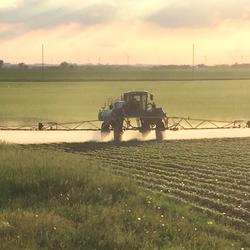
Bioenergy and Pesticides: Lessons from the AltEn Bioenergy Plant
Ethanol production from seed corn, while reducing waste and promoting renewable energy, can have environmental and health implications. A USGS study on a former bioenergy plant that received pesticide-coated seeds used for ethanol production, revealed that the process led to contaminated wastewater and solid residue, resulting in elevated pesticide levels in nearby surface waters even after the...