Climate Science Champions, Season 1: Mike Carey, Research Fish Ecologist
Climate Science Champions, Season 1: Mike Carey, Research Fish EcologistFish Ecologist Mike Carey studies the impacts beavers have on warming Alaskan permafrost landscapes.


Official websites use .gov
A .gov website belongs to an official government organization in the United States.

Secure .gov websites use HTTPS
A lock () or https:// means you’ve safely connected to the .gov website. Share sensitive information only on official, secure websites.

Global climate change has rippling effects on our environment, impacting where plants, animals, and humans can live. The USGS studies how climate change affects natural places and provides solutions to help protect fish, wildlife, and habitats.
Everything in the natural world is connected. Animals eat plants, insects pollinate flowers, microbes break down dead things. Living things are also connected to the “non-living” parts of their environments – they use rocks for shelter, they depend on rain to bloom, they hibernate when it gets cold. Together, these living and non-living components make up an ecosystem.
Climate helps shape ecosystems. Things like average temperatures, humidity, and rainfall determine where plants and animals live. If a region’s climate changes, the ecosystems change as well.
Climate change has diverse impacts on plants, animals, and ecosystems. Explore some of these impacts below.


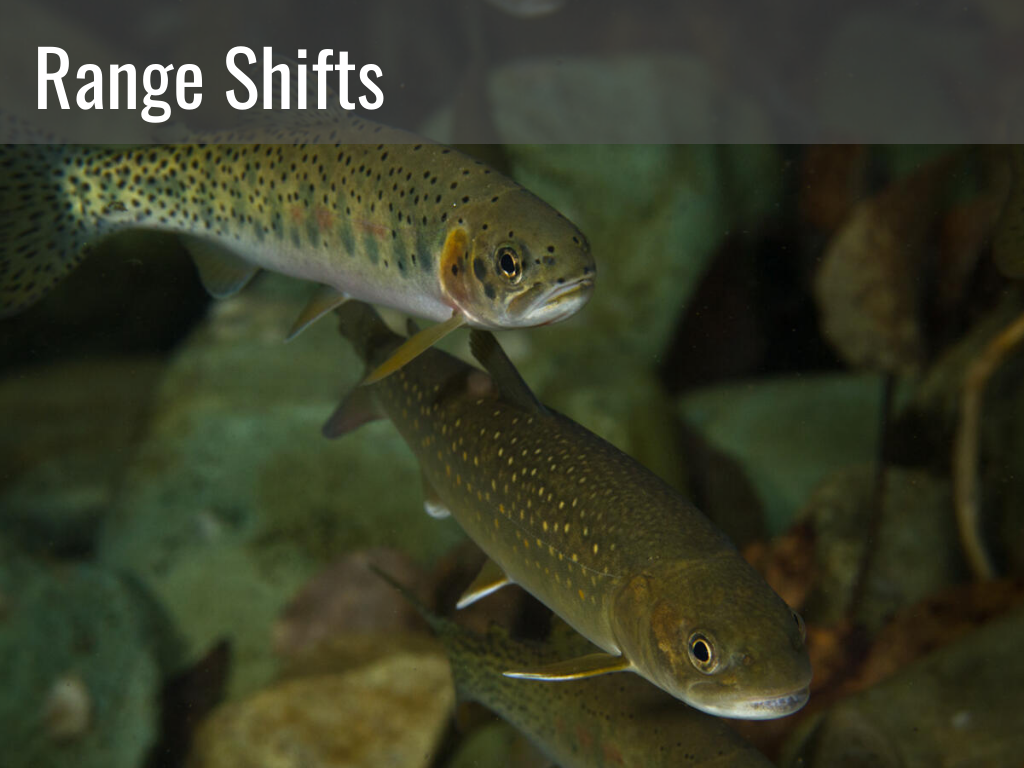

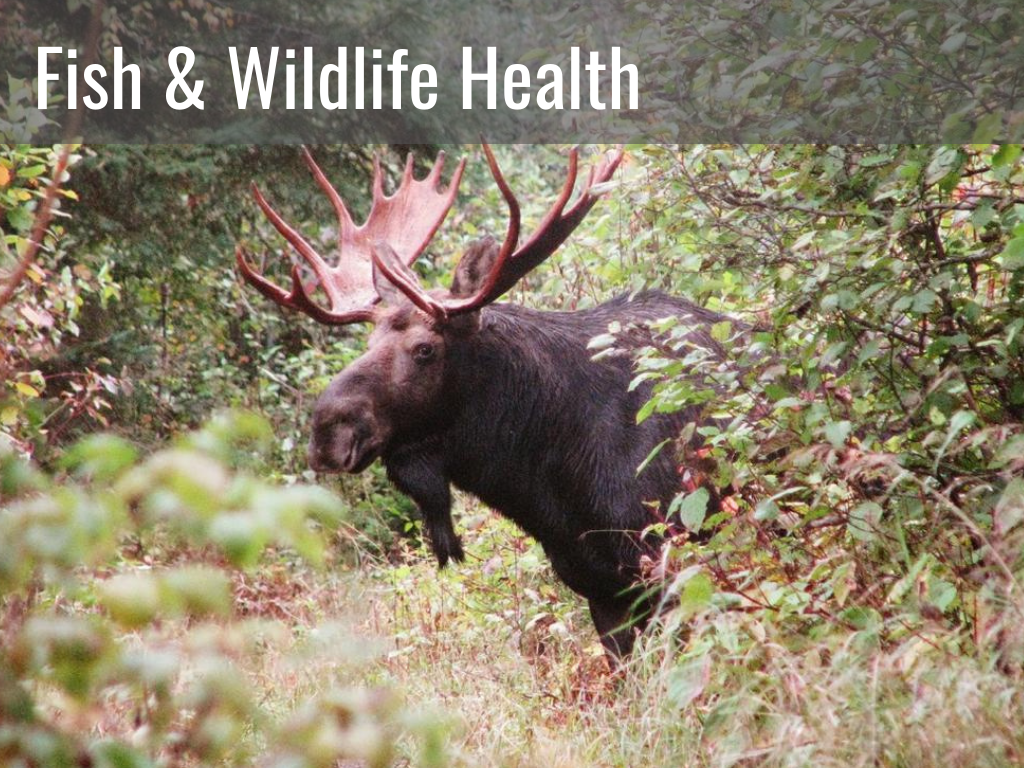
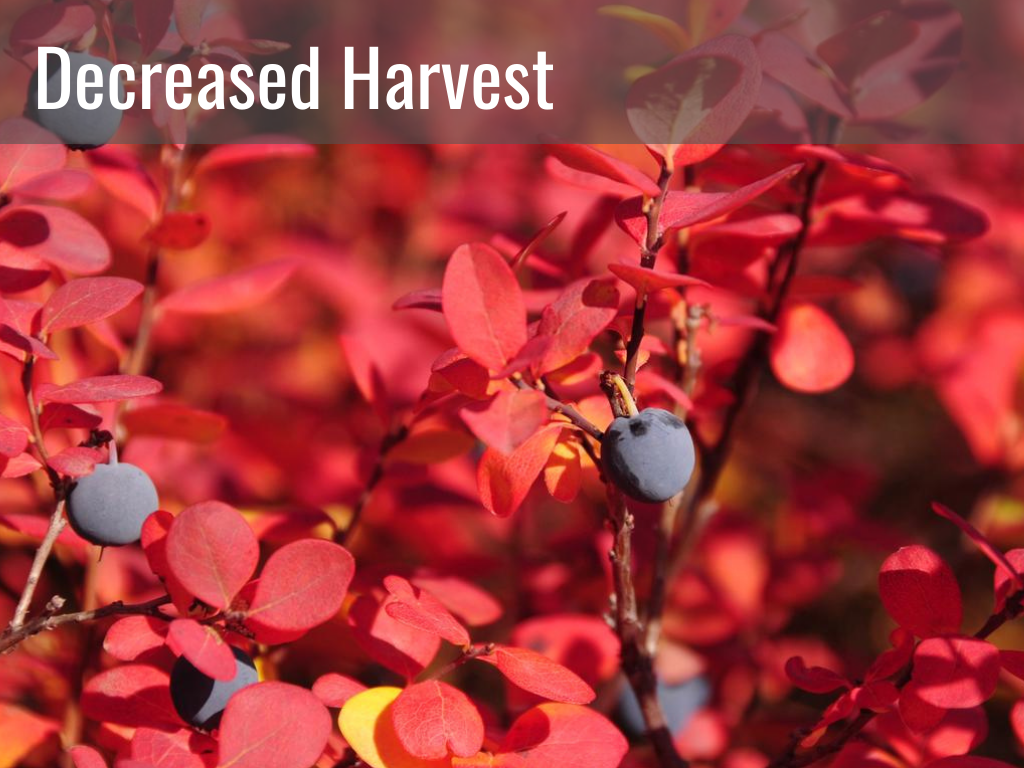

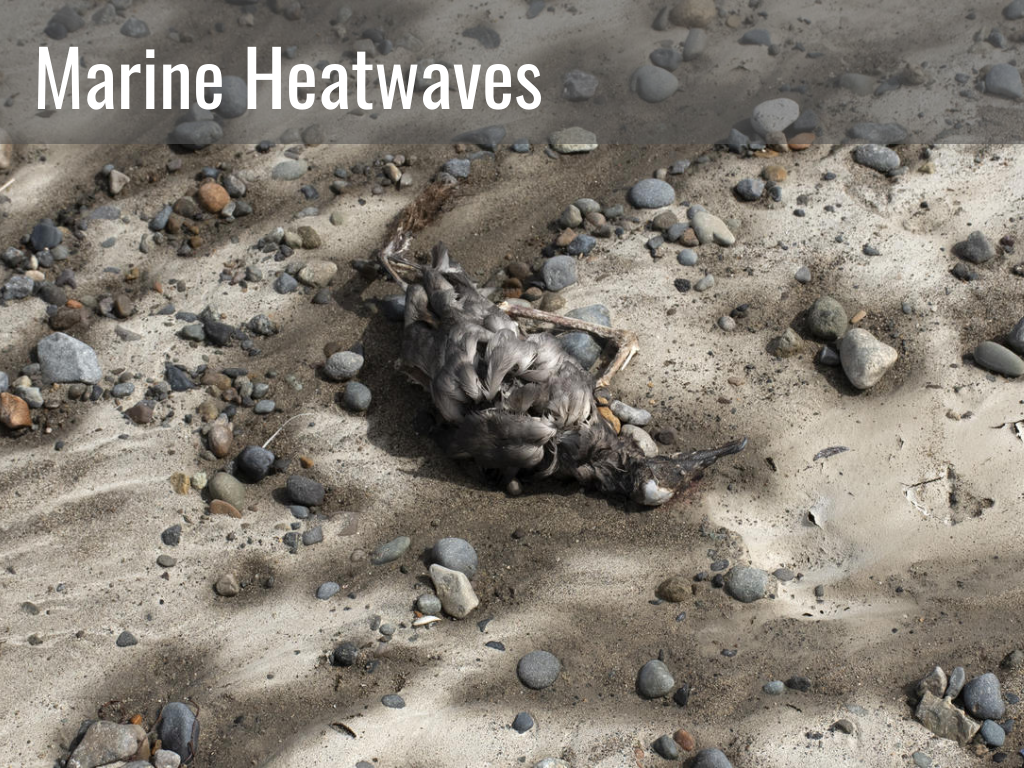

Scientists at the USGS study how climate change affects the Nation’s wildlife, fish, plants, and ecosystems. We also help resource managers develop and implement strategies to allow plants and animals to survive and thrive in new conditions. We generate our science side-by-side with partners to ensure results and tools are directly applicable to on-the-ground conservation, restoration, and management decisions. USGS climate science is used to protect natural areas across the country, from local-scale conservation decisions to national park climate scenario planning.
USGS science particularly focuses on helping resource managers, conservation agencies, and Indigenous peoples implement climate adaptation practices that intentionally help preserve species and landscapes under new climate conditions. For example, this could involve building sea walls to keep out rising sea levels, or planting drought-tolerant grasses in dry areas. Adapted landscapes may not look exactly the way they used to, but ideally the modifications allow them to continue to support the natural and human communities that rely on them. USGS scientists also use monitoring, field work, and modeling to understand how species naturally adapt to climate change, called adaptive capacity.
USGS science helps to:
Understand climate change effects on fish, wildlife, plants, and ecosystems
Model species range shifts under potential future conditions
Identify species particularly vulnerable to climate change
Identify areas relatively buffered from climate change (“climate refugia”) that may help vulnerable species survive
Develop climate adaptation strategies and inform implementation for species and ecosystems
Support DOI partners in incorporating climate information into conservation and management decisions, such as Species Status Assessments (SSAs) or State Wildlife Action Plans (SWAPs)
Understand climate-induced shifts in phenology and identify potential management solutions
Protect ecosystem services important to communities
Measure species’ natural abilities to adapt to climate change (adaptive capacity)
Support climate adaptation efforts of Tribal Nations and other Indigenous peoples


Fish Ecologist Mike Carey studies the impacts beavers have on warming Alaskan permafrost landscapes.
Fish Ecologist Mike Carey studies the impacts beavers have on warming Alaskan permafrost landscapes.

Research Wildlife Biologist Steve Matsuoka explores how climate change affects the reproductive success of Alaska’s diverse bird communities, which include more than 100 species that migrate to Alaska each year world to breed.
Research Wildlife Biologist Steve Matsuoka explores how climate change affects the reproductive success of Alaska’s diverse bird communities, which include more than 100 species that migrate to Alaska each year world to breed.

Research Fish Biologist Vanessa von Biela investigates how heatwaves and other climate-driven stressors may affect Alaska’s spawning Pacific salmon in the future.
Research Fish Biologist Vanessa von Biela investigates how heatwaves and other climate-driven stressors may affect Alaska’s spawning Pacific salmon in the future.

Along reef-lined shores of the Pacific Islands, USGS Research Geologist and Oceanographer Ferdinand Oberle studies how warming surface waters, nutrient runoff, and increasingly powerful storms impact coral reefs.
Along reef-lined shores of the Pacific Islands, USGS Research Geologist and Oceanographer Ferdinand Oberle studies how warming surface waters, nutrient runoff, and increasingly powerful storms impact coral reefs.

Wildlife Biologist Vijay Patil explores the effects of climate change and shifting seasons on Arctic-nesting waterfowl.
Wildlife Biologist Vijay Patil explores the effects of climate change and shifting seasons on Arctic-nesting waterfowl.

USGS Wildlife Research Biologist Heather Johnson uses collar-mounted video cameras to peer into the lives of climate-threatened caribou.
USGS Wildlife Research Biologist Heather Johnson uses collar-mounted video cameras to peer into the lives of climate-threatened caribou.

In the winter of 2015, the public noticed thousands of dead seabirds washing ashore across the western coast of the United States and Canada. The USGS linked this massive seabird die-off to the North Pacific Marine Heatwave. A marine heatwave occurs when sea surface temperatures are above normal for an extended period of time.
In the winter of 2015, the public noticed thousands of dead seabirds washing ashore across the western coast of the United States and Canada. The USGS linked this massive seabird die-off to the North Pacific Marine Heatwave. A marine heatwave occurs when sea surface temperatures are above normal for an extended period of time.
This is the first in a special edition of Outstanding in the Field, the U.S. Geological Survey’s podcast series produced by the Ecosystems Mission Area. In this series we will be highlighting stories from the Alaska Voices podcast, a partnership between the U.S. Geological Survey’s Alaska Climate Adaptation Science Center and the University of Alaska Fairbanks.
This is the first in a special edition of Outstanding in the Field, the U.S. Geological Survey’s podcast series produced by the Ecosystems Mission Area. In this series we will be highlighting stories from the Alaska Voices podcast, a partnership between the U.S. Geological Survey’s Alaska Climate Adaptation Science Center and the University of Alaska Fairbanks.

The Resist-Accept-Direct (RAD) framework is a decision-making tool that helps resource managers make informed strategies for responding to ecological changes resulting from climate change.
The Resist-Accept-Direct (RAD) framework is a decision-making tool that helps resource managers make informed strategies for responding to ecological changes resulting from climate change.
Check out some of the amazing USGS photos, videos, podcasts, and webinars on plants, animals, ecosystems, and climate change.

Southwest desert bird.
Southwest desert bird.

Chinook Salmon. Photograph courtesy of Michael Humling, U.S. Fish and Wildlife Service
Chinook Salmon. Photograph courtesy of Michael Humling, U.S. Fish and Wildlife Service

Increasing temperatures and decreasing precipitation threaten the persistence of the Rio Grande cutthroat trout, the southernmost subspecies of cutthroat trout, found only in parts of New Mexico and Colorado.
Increasing temperatures and decreasing precipitation threaten the persistence of the Rio Grande cutthroat trout, the southernmost subspecies of cutthroat trout, found only in parts of New Mexico and Colorado.

Capitol Hill lawmakers requested an informational briefing on the documented impacts of climate change on inland fish and fisheries.
Capitol Hill lawmakers requested an informational briefing on the documented impacts of climate change on inland fish and fisheries.

Caribou in northern Ontario, Canada.
Caribou in northern Ontario, Canada.

Part of the project team for a scenario planning effort with Knife River Indian Villages National Historic Site.
Part of the project team for a scenario planning effort with Knife River Indian Villages National Historic Site.

This presentation, ‘Can Camouflage Keep up With Climate Change?
This presentation, ‘Can Camouflage Keep up With Climate Change?

Remote wetland in the Sierra Nevada near Long Lake, CA, seen while surveying for Belding's ground squirrels
Remote wetland in the Sierra Nevada near Long Lake, CA, seen while surveying for Belding's ground squirrels

Snowshoe hare experiencing camouflage mismatch in the spring at the Seeley Lake, MT, study site.
Snowshoe hare experiencing camouflage mismatch in the spring at the Seeley Lake, MT, study site.
Global climate change has rippling effects on our environment, impacting where plants, animals, and humans can live. The USGS studies how climate change affects natural places and provides solutions to help protect fish, wildlife, and habitats.
Everything in the natural world is connected. Animals eat plants, insects pollinate flowers, microbes break down dead things. Living things are also connected to the “non-living” parts of their environments – they use rocks for shelter, they depend on rain to bloom, they hibernate when it gets cold. Together, these living and non-living components make up an ecosystem.
Climate helps shape ecosystems. Things like average temperatures, humidity, and rainfall determine where plants and animals live. If a region’s climate changes, the ecosystems change as well.
Climate change has diverse impacts on plants, animals, and ecosystems. Explore some of these impacts below.
Scientists at the USGS study how climate change affects the Nation’s wildlife, fish, plants, and ecosystems. We also help resource managers develop and implement strategies to allow plants and animals to survive and thrive in new conditions. We generate our science side-by-side with partners to ensure results and tools are directly applicable to on-the-ground conservation, restoration, and management decisions. USGS climate science is used to protect natural areas across the country, from local-scale conservation decisions to national park climate scenario planning.
USGS science particularly focuses on helping resource managers, conservation agencies, and Indigenous peoples implement climate adaptation practices that intentionally help preserve species and landscapes under new climate conditions. For example, this could involve building sea walls to keep out rising sea levels, or planting drought-tolerant grasses in dry areas. Adapted landscapes may not look exactly the way they used to, but ideally the modifications allow them to continue to support the natural and human communities that rely on them. USGS scientists also use monitoring, field work, and modeling to understand how species naturally adapt to climate change, called adaptive capacity.
USGS science helps to:
Understand climate change effects on fish, wildlife, plants, and ecosystems
Model species range shifts under potential future conditions
Identify species particularly vulnerable to climate change
Identify areas relatively buffered from climate change (“climate refugia”) that may help vulnerable species survive
Develop climate adaptation strategies and inform implementation for species and ecosystems
Support DOI partners in incorporating climate information into conservation and management decisions, such as Species Status Assessments (SSAs) or State Wildlife Action Plans (SWAPs)
Understand climate-induced shifts in phenology and identify potential management solutions
Protect ecosystem services important to communities
Measure species’ natural abilities to adapt to climate change (adaptive capacity)
Support climate adaptation efforts of Tribal Nations and other Indigenous peoples
Fish Ecologist Mike Carey studies the impacts beavers have on warming Alaskan permafrost landscapes.
Fish Ecologist Mike Carey studies the impacts beavers have on warming Alaskan permafrost landscapes.
Research Wildlife Biologist Steve Matsuoka explores how climate change affects the reproductive success of Alaska’s diverse bird communities, which include more than 100 species that migrate to Alaska each year world to breed.
Research Wildlife Biologist Steve Matsuoka explores how climate change affects the reproductive success of Alaska’s diverse bird communities, which include more than 100 species that migrate to Alaska each year world to breed.
Research Fish Biologist Vanessa von Biela investigates how heatwaves and other climate-driven stressors may affect Alaska’s spawning Pacific salmon in the future.
Research Fish Biologist Vanessa von Biela investigates how heatwaves and other climate-driven stressors may affect Alaska’s spawning Pacific salmon in the future.
Along reef-lined shores of the Pacific Islands, USGS Research Geologist and Oceanographer Ferdinand Oberle studies how warming surface waters, nutrient runoff, and increasingly powerful storms impact coral reefs.
Along reef-lined shores of the Pacific Islands, USGS Research Geologist and Oceanographer Ferdinand Oberle studies how warming surface waters, nutrient runoff, and increasingly powerful storms impact coral reefs.
Wildlife Biologist Vijay Patil explores the effects of climate change and shifting seasons on Arctic-nesting waterfowl.
Wildlife Biologist Vijay Patil explores the effects of climate change and shifting seasons on Arctic-nesting waterfowl.
USGS Wildlife Research Biologist Heather Johnson uses collar-mounted video cameras to peer into the lives of climate-threatened caribou.
USGS Wildlife Research Biologist Heather Johnson uses collar-mounted video cameras to peer into the lives of climate-threatened caribou.
In the winter of 2015, the public noticed thousands of dead seabirds washing ashore across the western coast of the United States and Canada. The USGS linked this massive seabird die-off to the North Pacific Marine Heatwave. A marine heatwave occurs when sea surface temperatures are above normal for an extended period of time.
In the winter of 2015, the public noticed thousands of dead seabirds washing ashore across the western coast of the United States and Canada. The USGS linked this massive seabird die-off to the North Pacific Marine Heatwave. A marine heatwave occurs when sea surface temperatures are above normal for an extended period of time.
This is the first in a special edition of Outstanding in the Field, the U.S. Geological Survey’s podcast series produced by the Ecosystems Mission Area. In this series we will be highlighting stories from the Alaska Voices podcast, a partnership between the U.S. Geological Survey’s Alaska Climate Adaptation Science Center and the University of Alaska Fairbanks.
This is the first in a special edition of Outstanding in the Field, the U.S. Geological Survey’s podcast series produced by the Ecosystems Mission Area. In this series we will be highlighting stories from the Alaska Voices podcast, a partnership between the U.S. Geological Survey’s Alaska Climate Adaptation Science Center and the University of Alaska Fairbanks.
The Resist-Accept-Direct (RAD) framework is a decision-making tool that helps resource managers make informed strategies for responding to ecological changes resulting from climate change.
The Resist-Accept-Direct (RAD) framework is a decision-making tool that helps resource managers make informed strategies for responding to ecological changes resulting from climate change.
Check out some of the amazing USGS photos, videos, podcasts, and webinars on plants, animals, ecosystems, and climate change.
Southwest desert bird.
Southwest desert bird.
Chinook Salmon. Photograph courtesy of Michael Humling, U.S. Fish and Wildlife Service
Chinook Salmon. Photograph courtesy of Michael Humling, U.S. Fish and Wildlife Service
Increasing temperatures and decreasing precipitation threaten the persistence of the Rio Grande cutthroat trout, the southernmost subspecies of cutthroat trout, found only in parts of New Mexico and Colorado.
Increasing temperatures and decreasing precipitation threaten the persistence of the Rio Grande cutthroat trout, the southernmost subspecies of cutthroat trout, found only in parts of New Mexico and Colorado.
Capitol Hill lawmakers requested an informational briefing on the documented impacts of climate change on inland fish and fisheries.
Capitol Hill lawmakers requested an informational briefing on the documented impacts of climate change on inland fish and fisheries.
Caribou in northern Ontario, Canada.
Caribou in northern Ontario, Canada.
Part of the project team for a scenario planning effort with Knife River Indian Villages National Historic Site.
Part of the project team for a scenario planning effort with Knife River Indian Villages National Historic Site.
This presentation, ‘Can Camouflage Keep up With Climate Change?
This presentation, ‘Can Camouflage Keep up With Climate Change?
Remote wetland in the Sierra Nevada near Long Lake, CA, seen while surveying for Belding's ground squirrels
Remote wetland in the Sierra Nevada near Long Lake, CA, seen while surveying for Belding's ground squirrels
Snowshoe hare experiencing camouflage mismatch in the spring at the Seeley Lake, MT, study site.
Snowshoe hare experiencing camouflage mismatch in the spring at the Seeley Lake, MT, study site.
