
Sarah Carter, PhD
Sarah Carter is a Supervisory Research Ecologist at the Fort Collins Science Center whose interests lie in landscape, wildlife, and community ecology, coproduction of actionable science products, and evaluating the use, utility, and impact of our research.
Sarah Carter is a Supervisory Research Ecologist at the Fort Collins Science Center. Her interests lie in landscape, wildlife, and community ecology. Sarah is interested in how we can best manage landscapes to accommodate diverse resource uses and values, informed by monitoring the health of landscapes, the effectiveness of planning and management actions, and the effects of changing land uses and conditions on species, ecosystems, and landscapes. A focus in all of Sarah’s research is finding ways to bridge the gap between research and resource management. Sarah works with resource managers in all of her work, with a goal of producing applied science products that are relevant, useful, and used by resource planners, managers, and policy makers.
Sarah joined the USGS in 2015. She and her research team are currently working on a number of projects to help inform management of multiple-use lands in the western US, including identifying the types and topics of science that are most needed by public land managers and developing new approaches for synthesizing science that are tailored to the needs and decision processes of federal land managers. These syntheses provide core science, data, methods, and mitigation measures relevant to decision-making about topics ranging from energy development to transportation, recreation, livestock grazing, wildfire, and drought. Sarah’s research program also focuses on developing practical coproduction tools, developing science strategies for federal conservation lands, developing and fostering greater use of habitat models for rare and invasive species to inform federal decision-making, and identifying indicators, methods, and datasets for quantifying the health, integrity, and intactness of western landscapes.
Professional Experience
Supervisory Research Ecologist (2024–Present), USGS, Fort Collins Science Center, Fort Collins, Colorado
Ecologist (2015–2024), USGS, Fort Collins Science Center, Fort Collins, Colorado
Post-doctoral Research Associate, Landscape Ecology (2014–2015), University of Wyoming, Laramie, Wyoming
Research Assistant, Conservation planning and evaluation (2010–2014), Department of Forest and Wildlife Ecology, University of Wisconsin - Madison
Conservation Biologist (2007–2010), Wisconsin Department of Natural Resources, Madison, Wisconsin
Regional Ecologist (2004–2006), Wisconsin Department of Natural Resources, Fitchburg, Wisconsin
Assistant Director (2000–2004), Center for Limnology, University of Wisconsin – Madison, Wisconsin
Karner Blue Butterfly Habitat Conservation Plan Data Manager (2001–2002), Wisconsin Department of Natural Resources, Madison, Wisconsin
Wildlife Damage Biologist (1999–2001), Wisconsin Department of Natural Resources, Madison, Wisconsin
Research Assistant, Community Ecology (1995–1999), School of Aquatic and Fishery Sciences, University of Washington, Seattle, Washington
Research Assistant, Marine Mammals (1995), University of British Columbia, Vancouver, British Columbia, Canada
Fulbright Scholar, Wildlife Biology (1993–1994), National Institute of Amazon Research (INPA), Manaus, Amazonas, Brazil
Education and Certifications
Ph.D. in Forestry, Department of Forest & Wildlife Ecology, University of Wisconsin-Madison, 2014
M.S. in Fisheries, School of Aquatic and Fishery Sciences, University of Washington, 1999
B.S. in Mathematics, Lewis and Clark College, 1992
Science and Products
Developing science syntheses to facilitate climate-informed land management decisions and NEPA analyses on rangelands in the sagebrush biome
Developing a toolkit for coproducing actionable science to support public land management
Using public litigation records to identify priority science and data needs for the Bureau of Land Management
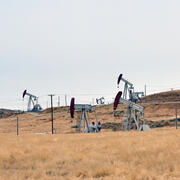
Short Science Syntheses and NEPA Analyses for Climate-Informed Land Management Decisions in Sagebrush Rangelands
Using remotely sensed data to evaluate aspects of land health at watershed scales for the Bureau of Land Management in Colorado
Providing a Climate Science Foundation for Updating the Integrated Rangeland Fire Management Strategy Actionable Science Plan
Annotated Bibliography of Scientific Research on Greater Sage-Grouse
Science Support for Implementing a Landscape Approach to Resource Management in the Bureau of Land Management
Higher and Farther: Patterns of Development within Protected Areas
Assessing Threats to Conservation Priority Areas in State Wildlife Action Plans
Quantifying Ecological Integrity in Terrestrial systems
Informing Habitat Management for Desert Tortoise
Effects of culverts on habitat connectivity in streams—A science synthesis to inform National Environmental Policy Act analyses Effects of culverts on habitat connectivity in streams—A science synthesis to inform National Environmental Policy Act analyses
Annotated bibliography of scientific research on greater sage-grouse published from October 2019 to July 2022 Annotated bibliography of scientific research on greater sage-grouse published from October 2019 to July 2022
Effects of noise from oil and gas development on ungulates and small mammals—A science synthesis to inform National Environmental Policy Act analyses Effects of noise from oil and gas development on ungulates and small mammals—A science synthesis to inform National Environmental Policy Act analyses
Annotated bibliography of scientific research on Gunnison sage-grouse published from January 2005 to September 2022 Annotated bibliography of scientific research on Gunnison sage-grouse published from January 2005 to September 2022
Prioritizing science efforts to inform decision making on public lands Prioritizing science efforts to inform decision making on public lands
Tool 1: Coproduction in the public lands context Tool 1: Coproduction in the public lands context
Tool 3: Suggested coproduction steps and practices Tool 3: Suggested coproduction steps and practices
Tool 2: What level of coproduction makes sense for my project Tool 2: What level of coproduction makes sense for my project
Tool 5: A Problem-solving checklist for coproduction Tool 5: A Problem-solving checklist for coproduction
Tool 4: Suggested communication deliverables for coproduced projects Tool 4: Suggested communication deliverables for coproduced projects
Using public litigation records to identify priority science needs for managing public lands Using public litigation records to identify priority science needs for managing public lands
Persistence and quality of vegetation cover in expired Conservation Reserve Program fields Persistence and quality of vegetation cover in expired Conservation Reserve Program fields
Non-USGS Publications**
**Disclaimer: The views expressed in Non-USGS publications are those of the author and do not represent the views of the USGS, Department of the Interior, or the U.S. Government.
Science and Products
Developing science syntheses to facilitate climate-informed land management decisions and NEPA analyses on rangelands in the sagebrush biome
Developing a toolkit for coproducing actionable science to support public land management
Using public litigation records to identify priority science and data needs for the Bureau of Land Management
Short Science Syntheses and NEPA Analyses for Climate-Informed Land Management Decisions in Sagebrush Rangelands
Using remotely sensed data to evaluate aspects of land health at watershed scales for the Bureau of Land Management in Colorado
Providing a Climate Science Foundation for Updating the Integrated Rangeland Fire Management Strategy Actionable Science Plan
Annotated Bibliography of Scientific Research on Greater Sage-Grouse
Science Support for Implementing a Landscape Approach to Resource Management in the Bureau of Land Management
Higher and Farther: Patterns of Development within Protected Areas
Assessing Threats to Conservation Priority Areas in State Wildlife Action Plans
Quantifying Ecological Integrity in Terrestrial systems
Informing Habitat Management for Desert Tortoise
Effects of culverts on habitat connectivity in streams—A science synthesis to inform National Environmental Policy Act analyses Effects of culverts on habitat connectivity in streams—A science synthesis to inform National Environmental Policy Act analyses
Annotated bibliography of scientific research on greater sage-grouse published from October 2019 to July 2022 Annotated bibliography of scientific research on greater sage-grouse published from October 2019 to July 2022
Effects of noise from oil and gas development on ungulates and small mammals—A science synthesis to inform National Environmental Policy Act analyses Effects of noise from oil and gas development on ungulates and small mammals—A science synthesis to inform National Environmental Policy Act analyses
Annotated bibliography of scientific research on Gunnison sage-grouse published from January 2005 to September 2022 Annotated bibliography of scientific research on Gunnison sage-grouse published from January 2005 to September 2022
Prioritizing science efforts to inform decision making on public lands Prioritizing science efforts to inform decision making on public lands
Tool 1: Coproduction in the public lands context Tool 1: Coproduction in the public lands context
Tool 3: Suggested coproduction steps and practices Tool 3: Suggested coproduction steps and practices
Tool 2: What level of coproduction makes sense for my project Tool 2: What level of coproduction makes sense for my project
Tool 5: A Problem-solving checklist for coproduction Tool 5: A Problem-solving checklist for coproduction
Tool 4: Suggested communication deliverables for coproduced projects Tool 4: Suggested communication deliverables for coproduced projects
Using public litigation records to identify priority science needs for managing public lands Using public litigation records to identify priority science needs for managing public lands
Persistence and quality of vegetation cover in expired Conservation Reserve Program fields Persistence and quality of vegetation cover in expired Conservation Reserve Program fields
Non-USGS Publications**
**Disclaimer: The views expressed in Non-USGS publications are those of the author and do not represent the views of the USGS, Department of the Interior, or the U.S. Government.