A white-tailed ptarmigan sits on the side of Mt. Evans in northern Colorado.
Images
Here, you'll find images related to research going on at the Fort Collins Science Center. Our team of scientists are working on multiple areas of environmental interest, ranging from land conservation effectiveness to invasive reptiles.
A white-tailed ptarmigan sits on the side of Mt. Evans in northern Colorado.
A male lesser prairie-chicken.
A white-tailed ptarmigan on Mt. Evans, a fourteener in Northern Colorado.
A dragonfly in the wetlands in Southeast North Dakota.
A dragonfly in the wetlands in Southeast North Dakota.A dragonfly in the wetlands in Southeast/Central ND - Stutsman and Kidder counties, ND in grassland and on farms.
A dragonfly in the wetlands in Southeast North Dakota.
A dragonfly in the wetlands in Southeast North Dakota.A dragonfly in the wetlands in Southeast/Central ND - Stutsman and Kidder counties, ND in grassland and on farms.
A dragonfly on a stick in the Prairie Pothole region of the U.S. This is one of the many insects studied during an investigation study of the effects of the Prairie Pothole Wetlands in the U.S.
Erosion along the Rio Puerco during the flood of 2006
Erosion along the Rio Puerco during the flood of 2006Erosion along the Rio Puerco during the flood of 2006 following herbicide application to control saltcedar in 2003.
Erosion along the Rio Puerco during the flood of 2006
Erosion along the Rio Puerco during the flood of 2006Erosion along the Rio Puerco during the flood of 2006 following herbicide application to control saltcedar in 2003.
NAAMDRC - A microscopic picture of a Dytiscus insect from the AXL lab
NAAMDRC - A microscopic picture of a Dytiscus insect from the AXL labA microscopic picture of a Dytiscus insect from the AXL lab at the Fort Collins Science Center.
NAAMDRC - A microscopic picture of a Dytiscus insect from the AXL lab
NAAMDRC - A microscopic picture of a Dytiscus insect from the AXL labA microscopic picture of a Dytiscus insect from the AXL lab at the Fort Collins Science Center.
A microscopic image of a Chironomus mentum from the AXL lab at the Fort Collins Science Center.
This is a sunset on the Front Range of Colorado in summer.
A laterl photo of a Protochauliodes from the AXL lab
A laterl photo of a Protochauliodes from the AXL labA laterl photo of a Protochauliodes from the AXL lab at the Fort Collins Science Center.
A laterl photo of a Protochauliodes from the AXL lab
A laterl photo of a Protochauliodes from the AXL labA laterl photo of a Protochauliodes from the AXL lab at the Fort Collins Science Center.
A dorsal photo of an aeshna from the AXL lab at FORT
A dorsal photo of an aeshna from the AXL lab at FORTA dorsal photo of an aeshna from the AXL lab at the Fort Collins Science Center.
A dorsal photo of an aeshna from the AXL lab at FORT
A dorsal photo of an aeshna from the AXL lab at FORTA dorsal photo of an aeshna from the AXL lab at the Fort Collins Science Center.
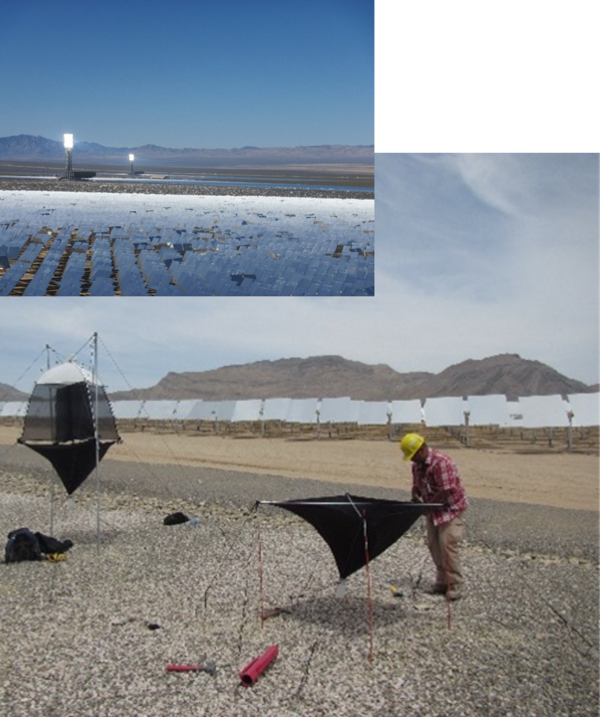
Scientists work on insect traps in the Prairie Pothole region
Scientists work on insect traps in the Prairie Pothole regionScientists work on insect traps in the Prairie Pothole region of North Dakota. This work was done in the wetlands in Southeast/Central ND - Stutsman and Kidder counties, ND in grassland and on farms.
Scientists work on insect traps in the Prairie Pothole region
Scientists work on insect traps in the Prairie Pothole regionScientists work on insect traps in the Prairie Pothole region of North Dakota. This work was done in the wetlands in Southeast/Central ND - Stutsman and Kidder counties, ND in grassland and on farms.
Scientists tend to insect traps in the wetlands of the Prairie Pothole region on North Dakota. They are all wetlands in Southeast/Central ND - Stutsman and Kidder counties, ND in grassland and on farms.
Insect traps in a wetland in North Dakota's Prairie Pothole region. The wetlands studied are in Southeast/Central ND - Stutsman and Kidder counties, ND in grassland and on farms.
Two field technicians use chainsaws to sample fire scarred stump
Two field technicians use chainsaws to sample fire scarred stump2016 Interns Rachel and Pat use a chainsaw to sample the fire history from a ponderosa pine stump. This is one of over 300 samples they will collect this year in an effort to create a reconstruction of the fire history of the Jemez Mountains.
Two field technicians use chainsaws to sample fire scarred stump
Two field technicians use chainsaws to sample fire scarred stump2016 Interns Rachel and Pat use a chainsaw to sample the fire history from a ponderosa pine stump. This is one of over 300 samples they will collect this year in an effort to create a reconstruction of the fire history of the Jemez Mountains.
USGS scientist Burke Minsley and project partners from the U. Alaska Fairbanks lay ground cable to measure permafrost depth at Nome Creek site north of Fairbanks, Alaska.
Cicadas cling to oak tree bark after emergence. Photo by Ian Pearse (USGS Fort Collins Science Center).
An old limber pine log from the Rio Hondo drainage near Taos Valley
An old limber pine log from the Rio Hondo drainage near Taos ValleyAn old limber pine log from the Rio Hondo drainage near Taos Ski Valley, with six fire scars – five of which pre-date 1500 CE.
An old limber pine log from the Rio Hondo drainage near Taos Valley
An old limber pine log from the Rio Hondo drainage near Taos ValleyAn old limber pine log from the Rio Hondo drainage near Taos Ski Valley, with six fire scars – five of which pre-date 1500 CE.
Non-native Burmese pythons have established a breeding population in South Florida and are one of the most concerning invasive species in Everglades National Park. This photograph is of a Burmese python hatchling
Bats benefit from maintaining a close-knit roosting group because they increase reproductive success and it is important for rearing pups.
Old-growth ponderosa pine in the Monument Canyon Research Natural Area
Old-growth ponderosa pine in the Monument Canyon Research Natural AreaOld-growth ponderosa pine in the Monument Canyon Research Natural Area, New Mexico.
Old-growth ponderosa pine in the Monument Canyon Research Natural Area
Old-growth ponderosa pine in the Monument Canyon Research Natural AreaOld-growth ponderosa pine in the Monument Canyon Research Natural Area, New Mexico.