



What are some of the signs of climate change?
• Temperatures are rising world-wide due to greenhouse gases trapping more heat in the atmosphere.
• Droughts are becoming longer and more extreme around the world.
• Tropical storms becoming more severe due to warmer ocean water temperatures.
• As temperatures rise there is less snowpack in mountain ranges and polar areas and the snow melts faster.
• Overall, glaciers are melting at a faster rate.
• Sea ice in the Arctic Ocean around the North Pole is melting faster with the warmer temperatures.
• Permafrost is melting, releasing methane, a powerful greenhouse gas, into the atmosphere.
• Sea levels are rising, threatening coastal communities and estuarine ecosystems.
Related

What is the difference between global warming and climate change? What is the difference between global warming and climate change?
Although people tend to use these terms interchangeably, global warming is just one aspect of climate change. “Global warming” refers to the rise in global temperatures due mainly to the increasing concentrations of greenhouse gases in the atmosphere. “Climate change” refers to the increasing changes in the measures of climate over a long period of time – including precipitation, temperature, and...

Why is climate change happening and what are the causes? Why is climate change happening and what are the causes?
There are many “natural” and “anthropogenic” (human-induced) factors that contribute to climate change. Climate change has always happened on Earth, which is clearly seen in the geological record; it is the rapid rate and the magnitude of climate change occurring now that is of great concern worldwide. Greenhouse gases in the atmosphere absorb heat radiation. Human activity has increased...

How do we know glaciers are shrinking? How do we know glaciers are shrinking?
Repeat photography and aerial / satellite photo analysis provide evidence of glacier loss in terms of shape and area. The USGS Benchmark Glacier project has collected mass balance data on a network of glaciers in Alaska, Washington, and Montana for decades, quantifying trends of mass loss at all sites. Extensive field data collection at these sites includes twice yearly visits to measure seasonal...
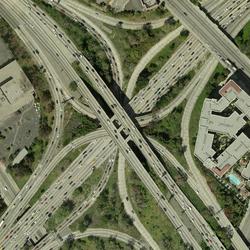
How does carbon get into the atmosphere? How does carbon get into the atmosphere?
Atmospheric carbon dioxide comes from two primary sources—natural and human activities. Natural sources of carbon dioxide include most animals, which exhale carbon dioxide as a waste product. Human activities that lead to carbon dioxide emissions come primarily from energy production, including burning coal, oil, or natural gas. Learn more: Sources of Greenhouse Gas Emissions (EPA)
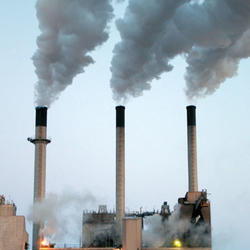
How much carbon dioxide does the United States and the World emit each year from energy sources? How much carbon dioxide does the United States and the World emit each year from energy sources?
The U.S. Energy Information Administration estimates that in 2019, the United States emitted 5,130 million metric tons of energy-related carbon dioxide, while the global emissions of energy-related carbon dioxide totaled 33,621.5 million metric tons.

What is carbon sequestration? What is carbon sequestration?
Carbon dioxide is the most commonly produced greenhouse gas. Carbon sequestration is the process of capturing and storing atmospheric carbon dioxide. It is one method of reducing the amount of carbon dioxide in the atmosphere with the goal of reducing global climate change. The USGS is conducting assessments on two major types of carbon sequestration: geologic and biologic.
Related
What is the difference between global warming and climate change? What is the difference between global warming and climate change?
Although people tend to use these terms interchangeably, global warming is just one aspect of climate change. “Global warming” refers to the rise in global temperatures due mainly to the increasing concentrations of greenhouse gases in the atmosphere. “Climate change” refers to the increasing changes in the measures of climate over a long period of time – including precipitation, temperature, and...
Why is climate change happening and what are the causes? Why is climate change happening and what are the causes?
There are many “natural” and “anthropogenic” (human-induced) factors that contribute to climate change. Climate change has always happened on Earth, which is clearly seen in the geological record; it is the rapid rate and the magnitude of climate change occurring now that is of great concern worldwide. Greenhouse gases in the atmosphere absorb heat radiation. Human activity has increased...
How do we know glaciers are shrinking? How do we know glaciers are shrinking?
Repeat photography and aerial / satellite photo analysis provide evidence of glacier loss in terms of shape and area. The USGS Benchmark Glacier project has collected mass balance data on a network of glaciers in Alaska, Washington, and Montana for decades, quantifying trends of mass loss at all sites. Extensive field data collection at these sites includes twice yearly visits to measure seasonal...
How does carbon get into the atmosphere? How does carbon get into the atmosphere?
Atmospheric carbon dioxide comes from two primary sources—natural and human activities. Natural sources of carbon dioxide include most animals, which exhale carbon dioxide as a waste product. Human activities that lead to carbon dioxide emissions come primarily from energy production, including burning coal, oil, or natural gas. Learn more: Sources of Greenhouse Gas Emissions (EPA)
How much carbon dioxide does the United States and the World emit each year from energy sources? How much carbon dioxide does the United States and the World emit each year from energy sources?
The U.S. Energy Information Administration estimates that in 2019, the United States emitted 5,130 million metric tons of energy-related carbon dioxide, while the global emissions of energy-related carbon dioxide totaled 33,621.5 million metric tons.
What is carbon sequestration? What is carbon sequestration?
Carbon dioxide is the most commonly produced greenhouse gas. Carbon sequestration is the process of capturing and storing atmospheric carbon dioxide. It is one method of reducing the amount of carbon dioxide in the atmosphere with the goal of reducing global climate change. The USGS is conducting assessments on two major types of carbon sequestration: geologic and biologic.