



Climate Adaptation Deep Dives
Our Deep Dive series showcases examples of how CASC science is informing on-the-ground climate adaptation and strategic management on different priority topics.

Deep Dive: CASC Science in Action
Across the country, CASC-supported scientists are working with natural resource managers to turn science into action. Explore success stories where co-produced and decision-focused science is guiding real management choices that support ecosystems, infrastructure, and communities in a changing climate.
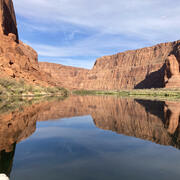
Deep Dive: Managing for the Future of the Colorado River Basin
The Colorado River delivers drinking water to more than 40 million people and hydroelectric power to millions in the West. Explore how the CASCs are helping partners implement proactive water planning and management, understand the impacts of different reservoir operations on aquatic life, adapt to natural hazards, and more.

Deep Dive: Invasive Species in a Changing American Landscape
Invasive species are transforming and impacting ecosystems across the U.S. Explore how CASC science is helping partners detect, monitor, and manage invasive species to strengthen the resilience of infrastructure, wildfire response, forests, fisheries, rangelands, and national security.
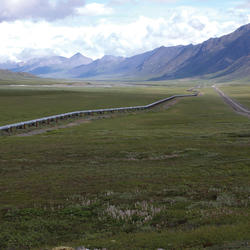
Deep Dive: Enhancing Economic and National Security for Alaska and the Nation
Alaska’s vast natural resources and strategic location play a vital role in supporting U.S. economic strength and security. Explore how science from the Alaska CASC is supporting natural resource management, energy development, and national security.

Deep Dive: Building Resilience to Natural Hazards
Communities across the United States face growing risks from wildfires, floods, avalanches, and other natural hazards that are being intensified by climate change. Explore how CASC science improves our understanding of natural hazards and supports decisions that reduce risks to people, infrastructure, and ecosystems.

Deep Dive: Supporting Recreational Fishing in the Midwest
The Midwest has some of the most valuable recreational fisheries in the United States. Explore how CASC scientists are supporting state and Tribal fisheries managers as they seek to maintain and enhance fishing opportunities in the region.

Deep Dive: Sustaining the Rich Economic and Recreational Benefits of the Prairie Pothole Region
The wetlands of the Prairie Pothole Region provide essential benefits to communities and are a premier waterfowl breeding ground. Explore how CASC science is informing the strategic restoration and management of the Prairie Pothole Region in the face of climate change.

Deep Dive: Protecting Critical Infrastructure
Our nation’s roads, buildings, and bridges are being compromised by extreme weather events and sea level rise. Explore how CASC science is improving our understanding of how climate change is impacting critical infrastructure and supporting risk mitigation and adaptation planning.

Deep Dive: Supporting the Outdoor Recreation Economy
Outdoor activities like hunting, fishing, and wildlife watching are vital to connecting Americans to wild animals and wild places. But changing climate conditions are altering where, when, and how many animals are found on the landscape.

Deep Dive: Climate Change Scenario Planning
Scenario planning is a powerful tool to help decision makers plan for an uncertain future. Through this process, people consider different ways the climate could change and explore how these changes would affect resources important to them. USGS scientists work with natural and cultural resource managers to use climate change scenario planning to prepare for a wide range of possible futures.