



Ecosystems—whether agricultural, urban, or natural—depend on pollinators, great and small. Pollinators in the form of bees, birds, butterflies, bats, and even moths provide vital, but often invisible services, from contributing to biodiverse terrestrial wildlife and plant communities to supporting healthy watersheds. Pollinator declines worldwide have been noted as land-use and climate changes occur on the landscape. USGS is laying the groundwork for better scientific understanding of wildlife population level impacts from a variety of potential threats to species from big game to birds, to bats, to pollinators.
USGS Bee Lab at the Eastern Ecological Science Center

With our U.S. Fish and Wildlife Service partners, the USGS Bee Lab develops identification tools and keys for native bee species, takes public access high resolution photographs of bees, works with partners across the country, designs and tests bee counting techniques, documents bee/plant associations and confirms identification of native bee species.
U.S. Geological Survey Pollinator Science Strategy, 2025–35
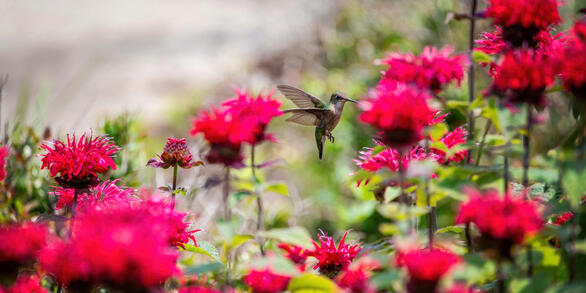
The Pollinator Science Strategy describes the science vision of the USGS to support management, conservation, and policy decisions on animal pollinators and their habitats.
Pollinator Conservation and Climate Science
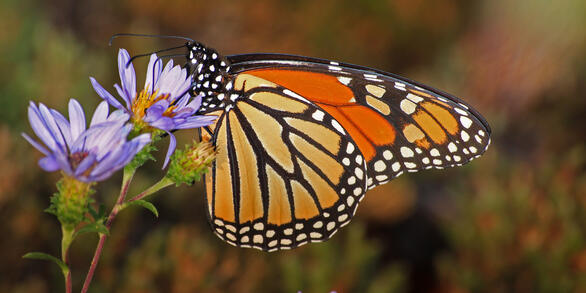
Pollinator species in the United States are in crisis based on broad-scale changes in land-use and climate. The USGS is working with the U.S. Fish and Wildlife Service and others to develop conservation plans, for pollinators, including quantification of the effects of climate change.
Pollinator Research

Native Pollinators in Agricultural Ecosystems

Bat Species of Concern: An Ecological Synthesis for Resource Managers

High Elevation Cave Surveys for Bats and White Nose Syndrome

Understanding Factors Affecting the Decline of the Samoan Swallowtail Butterfly

An Inventory and Comparative Study of Bees, A Keystone Ecological Group in the Endangered Coastal Prairie of Louisiana

Pollinator Germplasm as a Genetic Resource for Conservation
Ecosystems—whether agricultural, urban, or natural—depend on pollinators, great and small. Pollinators in the form of bees, birds, butterflies, bats, and even moths provide vital, but often invisible services, from contributing to biodiverse terrestrial wildlife and plant communities to supporting healthy watersheds. Pollinator declines worldwide have been noted as land-use and climate changes occur on the landscape. USGS is laying the groundwork for better scientific understanding of wildlife population level impacts from a variety of potential threats to species from big game to birds, to bats, to pollinators.
USGS Bee Lab at the Eastern Ecological Science Center
With our U.S. Fish and Wildlife Service partners, the USGS Bee Lab develops identification tools and keys for native bee species, takes public access high resolution photographs of bees, works with partners across the country, designs and tests bee counting techniques, documents bee/plant associations and confirms identification of native bee species.
U.S. Geological Survey Pollinator Science Strategy, 2025–35
The Pollinator Science Strategy describes the science vision of the USGS to support management, conservation, and policy decisions on animal pollinators and their habitats.
Pollinator Conservation and Climate Science
Pollinator species in the United States are in crisis based on broad-scale changes in land-use and climate. The USGS is working with the U.S. Fish and Wildlife Service and others to develop conservation plans, for pollinators, including quantification of the effects of climate change.
Pollinator Research
Native Pollinators in Agricultural Ecosystems
Bat Species of Concern: An Ecological Synthesis for Resource Managers
High Elevation Cave Surveys for Bats and White Nose Syndrome
Understanding Factors Affecting the Decline of the Samoan Swallowtail Butterfly
An Inventory and Comparative Study of Bees, A Keystone Ecological Group in the Endangered Coastal Prairie of Louisiana