David S Pilliod
My research focuses on species conservation, habitat management, and effectiveness of restoration in a variety of terrestrial and aquatic ecosystems. I also co-lead the Pacific Northwest Environmental DNA Laboratory.
Wildlife Ecology and Conservation Biology Team (FRESC)
Pacific Northwest Environmental DNA Laboratory
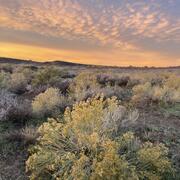
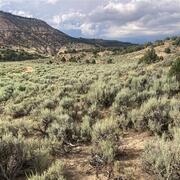
I lead a team of scientists that develop tools and models to improve understanding of ecological systems and solve challenging problems in natural resource management. We primarily address questions related to species conservation, wildlife habitat, and restoration. We combine molecular methods, remote sensing, field studies, and statistical modeling. Our research team also develops data management and decision support systems to facilitate adaptive management, especially in western rangelands. We primarily work on issues affecting the Intermountain West and Great Basin regions of the U.S.
Professional Experience
2006 - Present: USGS. Forest and Rangeland Ecosystem Science Center, Supervisory Research Ecologist, Boise, Idaho
Education and Certifications
Ph.D., Ecology, Idaho State University, Pocatello, ID (2001)
B.A., Biology, University of California, Santa Cruz, CA (1991)
Science and Products
If you are unable to access or download a product, email fresc_outreach@usgs.gov a request, including the full citation, or call (541) 750-1030.
Great expectations: Deconstructing the process pathways underlying beaver-related restoration Great expectations: Deconstructing the process pathways underlying beaver-related restoration
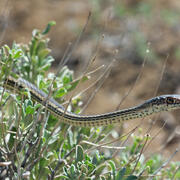
Conservation genetics of imperiled striped whipsnake in Washington Conservation genetics of imperiled striped whipsnake in Washington
It’s complicated…environmental DNA as a predictor of trout and char abundance in streams It’s complicated…environmental DNA as a predictor of trout and char abundance in streams
From satellites to frogs: Quantifying ecohydrological change, drought mitigation, and population demography in desert meadows From satellites to frogs: Quantifying ecohydrological change, drought mitigation, and population demography in desert meadows
Harvester ant seed removal in an invaded sagebrush ecosystem: Implications for restoration Harvester ant seed removal in an invaded sagebrush ecosystem: Implications for restoration
Illegal killing of nongame wildlife and recreational shooting in conservation areas Illegal killing of nongame wildlife and recreational shooting in conservation areas
Postfire growth of seeded and planted big sagebrush - Strategic designs for restoring Greater Sage-grouse nesting habitat Postfire growth of seeded and planted big sagebrush - Strategic designs for restoring Greater Sage-grouse nesting habitat
A national-scale assessment of mercury bioaccumulation in United States National Parks using dragonfly larvae as biosentinels through a citizen-science framework A national-scale assessment of mercury bioaccumulation in United States National Parks using dragonfly larvae as biosentinels through a citizen-science framework
Effects of snowpack, temperature, and disease on the demography of a wild population of amphibians Effects of snowpack, temperature, and disease on the demography of a wild population of amphibians
Extreme arsenic and antimony uptake and tolerance in toad tadpoles during development in highly contaminated wetlands Extreme arsenic and antimony uptake and tolerance in toad tadpoles during development in highly contaminated wetlands
Small-scale water deficits after wildfires create long-lasting ecological impacts Small-scale water deficits after wildfires create long-lasting ecological impacts
Bridging the research-management gap: Landscape ecology in practice on public lands in the western United States Bridging the research-management gap: Landscape ecology in practice on public lands in the western United States
Non-USGS Publications**
**Disclaimer: The views expressed in Non-USGS publications are those of the author and do not represent the views of the USGS, Department of the Interior, or the U.S. Government.
Wildlife Ecology and Conservation Biology Team (FRESC)
If you are unable to access or download a product, email fresc_outreach@usgs.gov a request, including the full citation, or call (541) 750-1030.
To request an interview, contact fresc_outreach@usgs.gov or call (541) 750-1030.
Science and Products
If you are unable to access or download a product, email fresc_outreach@usgs.gov a request, including the full citation, or call (541) 750-1030.
Great expectations: Deconstructing the process pathways underlying beaver-related restoration Great expectations: Deconstructing the process pathways underlying beaver-related restoration
Conservation genetics of imperiled striped whipsnake in Washington Conservation genetics of imperiled striped whipsnake in Washington
It’s complicated…environmental DNA as a predictor of trout and char abundance in streams It’s complicated…environmental DNA as a predictor of trout and char abundance in streams
From satellites to frogs: Quantifying ecohydrological change, drought mitigation, and population demography in desert meadows From satellites to frogs: Quantifying ecohydrological change, drought mitigation, and population demography in desert meadows
Harvester ant seed removal in an invaded sagebrush ecosystem: Implications for restoration Harvester ant seed removal in an invaded sagebrush ecosystem: Implications for restoration
Illegal killing of nongame wildlife and recreational shooting in conservation areas Illegal killing of nongame wildlife and recreational shooting in conservation areas
Postfire growth of seeded and planted big sagebrush - Strategic designs for restoring Greater Sage-grouse nesting habitat Postfire growth of seeded and planted big sagebrush - Strategic designs for restoring Greater Sage-grouse nesting habitat
A national-scale assessment of mercury bioaccumulation in United States National Parks using dragonfly larvae as biosentinels through a citizen-science framework A national-scale assessment of mercury bioaccumulation in United States National Parks using dragonfly larvae as biosentinels through a citizen-science framework
Effects of snowpack, temperature, and disease on the demography of a wild population of amphibians Effects of snowpack, temperature, and disease on the demography of a wild population of amphibians
Extreme arsenic and antimony uptake and tolerance in toad tadpoles during development in highly contaminated wetlands Extreme arsenic and antimony uptake and tolerance in toad tadpoles during development in highly contaminated wetlands
Small-scale water deficits after wildfires create long-lasting ecological impacts Small-scale water deficits after wildfires create long-lasting ecological impacts
Bridging the research-management gap: Landscape ecology in practice on public lands in the western United States Bridging the research-management gap: Landscape ecology in practice on public lands in the western United States
Non-USGS Publications**
**Disclaimer: The views expressed in Non-USGS publications are those of the author and do not represent the views of the USGS, Department of the Interior, or the U.S. Government.
Wildlife Ecology and Conservation Biology Team (FRESC)
If you are unable to access or download a product, email fresc_outreach@usgs.gov a request, including the full citation, or call (541) 750-1030.
To request an interview, contact fresc_outreach@usgs.gov or call (541) 750-1030.