David S Pilliod
My research focuses on species conservation, habitat management, and effectiveness of restoration in a variety of terrestrial and aquatic ecosystems. I also co-lead the Pacific Northwest Environmental DNA Laboratory.
Wildlife Ecology and Conservation Biology Team (FRESC)
Pacific Northwest Environmental DNA Laboratory
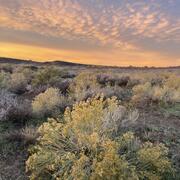
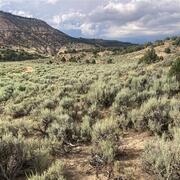
I lead a team of scientists that develop tools and models to improve understanding of ecological systems and solve challenging problems in natural resource management. We primarily address questions related to species conservation, wildlife habitat, and restoration. We combine molecular methods, remote sensing, field studies, and statistical modeling. Our research team also develops data management and decision support systems to facilitate adaptive management, especially in western rangelands. We primarily work on issues affecting the Intermountain West and Great Basin regions of the U.S.
Professional Experience
2006 - Present: USGS. Forest and Rangeland Ecosystem Science Center, Supervisory Research Ecologist, Boise, Idaho
Education and Certifications
Ph.D., Ecology, Idaho State University, Pocatello, ID (2001)
B.A., Biology, University of California, Santa Cruz, CA (1991)
Science and Products
If you are unable to access or download a product, email fresc_outreach@usgs.gov a request, including the full citation, or call (541) 750-1030.
Diverse aging rates in ectothermic tetrapods provide insights for the evolution of aging and longevity Diverse aging rates in ectothermic tetrapods provide insights for the evolution of aging and longevity
Importance of local weather and environmental gradients on demography of a broadly distributed temperate frog Importance of local weather and environmental gradients on demography of a broadly distributed temperate frog
Hydroclimatic conditions, wildfire, and species assemblages influence co-occurrence of bull trout and tailed frogs in northern Rocky Mountain streams Hydroclimatic conditions, wildfire, and species assemblages influence co-occurrence of bull trout and tailed frogs in northern Rocky Mountain streams
Elevating human dimensions of amphibian and reptile conservation, a USA perspective Elevating human dimensions of amphibian and reptile conservation, a USA perspective
Leveraging rangeland monitoring data for wildlife: From concept to practice Leveraging rangeland monitoring data for wildlife: From concept to practice
Adaptive monitoring in support of adaptive management in rangelands Adaptive monitoring in support of adaptive management in rangelands
Sex‐related differences in aging rate are associated with sex chromosome system in amphibians Sex‐related differences in aging rate are associated with sex chromosome system in amphibians
Thermal conditions predict intraspecific variation in senescence rate in frogs and toads Thermal conditions predict intraspecific variation in senescence rate in frogs and toads
Protecting restoration investments from the cheatgrass-fire cycle in sagebrush steppe Protecting restoration investments from the cheatgrass-fire cycle in sagebrush steppe
Spatiotemporal dynamics of insect pollinator communities in sagebrush steppe associated with weather and vegetation Spatiotemporal dynamics of insect pollinator communities in sagebrush steppe associated with weather and vegetation
Genomic signatures of thermal adaptation are associated with clinal shifts of life history in a broadly distributed frog Genomic signatures of thermal adaptation are associated with clinal shifts of life history in a broadly distributed frog
Stream restoration is influenced by details of engineered habitats at a headwater mine site Stream restoration is influenced by details of engineered habitats at a headwater mine site
Non-USGS Publications**
**Disclaimer: The views expressed in Non-USGS publications are those of the author and do not represent the views of the USGS, Department of the Interior, or the U.S. Government.
Wildlife Ecology and Conservation Biology Team (FRESC)
An Interagency Collaboration to Develop and Evaluate New Science-Based Strategies for Great Basin Watershed Restoration in the Future
If you are unable to access or download a product, email fresc_outreach@usgs.gov a request, including the full citation, or call (541) 750-1030.
Exotic and perennial grass cover for pastures in the Soda Fire (2016) Exotic and perennial grass cover for pastures in the Soda Fire (2016)
Beaver-related Stream Restoration Projects in Western Rangelands Beaver-related Stream Restoration Projects in Western Rangelands
Demography and habitat use of boreal toads (Anaxyrus boreas) and other amphibians in northern Wyoming (Blackrock). Demography and habitat use of boreal toads (Anaxyrus boreas) and other amphibians in northern Wyoming (Blackrock).
Combined wildfire dataset for the United States and certain territories, 1870-2015 Combined wildfire dataset for the United States and certain territories, 1870-2015
If you are unable to access or download a product, email fresc_outreach@usgs.gov a request, including the full citation, or call (541) 750-1030.
To request an interview, contact fresc_outreach@usgs.gov or call (541) 750-1030.
Science and Products
If you are unable to access or download a product, email fresc_outreach@usgs.gov a request, including the full citation, or call (541) 750-1030.
Diverse aging rates in ectothermic tetrapods provide insights for the evolution of aging and longevity Diverse aging rates in ectothermic tetrapods provide insights for the evolution of aging and longevity
Importance of local weather and environmental gradients on demography of a broadly distributed temperate frog Importance of local weather and environmental gradients on demography of a broadly distributed temperate frog
Hydroclimatic conditions, wildfire, and species assemblages influence co-occurrence of bull trout and tailed frogs in northern Rocky Mountain streams Hydroclimatic conditions, wildfire, and species assemblages influence co-occurrence of bull trout and tailed frogs in northern Rocky Mountain streams
Elevating human dimensions of amphibian and reptile conservation, a USA perspective Elevating human dimensions of amphibian and reptile conservation, a USA perspective
Leveraging rangeland monitoring data for wildlife: From concept to practice Leveraging rangeland monitoring data for wildlife: From concept to practice
Adaptive monitoring in support of adaptive management in rangelands Adaptive monitoring in support of adaptive management in rangelands
Sex‐related differences in aging rate are associated with sex chromosome system in amphibians Sex‐related differences in aging rate are associated with sex chromosome system in amphibians
Thermal conditions predict intraspecific variation in senescence rate in frogs and toads Thermal conditions predict intraspecific variation in senescence rate in frogs and toads
Protecting restoration investments from the cheatgrass-fire cycle in sagebrush steppe Protecting restoration investments from the cheatgrass-fire cycle in sagebrush steppe
Spatiotemporal dynamics of insect pollinator communities in sagebrush steppe associated with weather and vegetation Spatiotemporal dynamics of insect pollinator communities in sagebrush steppe associated with weather and vegetation
Genomic signatures of thermal adaptation are associated with clinal shifts of life history in a broadly distributed frog Genomic signatures of thermal adaptation are associated with clinal shifts of life history in a broadly distributed frog
Stream restoration is influenced by details of engineered habitats at a headwater mine site Stream restoration is influenced by details of engineered habitats at a headwater mine site
Non-USGS Publications**
**Disclaimer: The views expressed in Non-USGS publications are those of the author and do not represent the views of the USGS, Department of the Interior, or the U.S. Government.
Wildlife Ecology and Conservation Biology Team (FRESC)
An Interagency Collaboration to Develop and Evaluate New Science-Based Strategies for Great Basin Watershed Restoration in the Future
If you are unable to access or download a product, email fresc_outreach@usgs.gov a request, including the full citation, or call (541) 750-1030.
Exotic and perennial grass cover for pastures in the Soda Fire (2016) Exotic and perennial grass cover for pastures in the Soda Fire (2016)
Beaver-related Stream Restoration Projects in Western Rangelands Beaver-related Stream Restoration Projects in Western Rangelands
Demography and habitat use of boreal toads (Anaxyrus boreas) and other amphibians in northern Wyoming (Blackrock). Demography and habitat use of boreal toads (Anaxyrus boreas) and other amphibians in northern Wyoming (Blackrock).
Combined wildfire dataset for the United States and certain territories, 1870-2015 Combined wildfire dataset for the United States and certain territories, 1870-2015
If you are unable to access or download a product, email fresc_outreach@usgs.gov a request, including the full citation, or call (541) 750-1030.
To request an interview, contact fresc_outreach@usgs.gov or call (541) 750-1030.