
Nicholas J Estes (Former Employee)
Science and Products
Flood Inundation Mapping Science
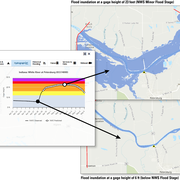
When planning for a flood, there are three key questions that must be answered: What areas will be flooded? How deep will the floodwaters get? When will the flood arrive? A flood inundation map library is a set of maps that together show where flooding may occur – and how deep it may be - over a range of potential flooding scenarios in a stream or river.
Flood Inundation Mapping (FIM) Program
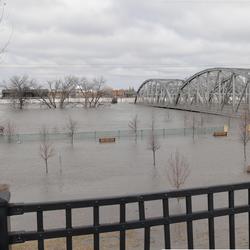
The USGS Flood Inundation Mapping (FIM) Program helps communities protect lives and property by providing tools and information to help them understand their local flood risks and make cost-effective mitigation decisions.
Water-quality trends in the nation’s rivers and streams, 1972–2012—Data preparation, statistical methods, and trend results Water-quality trends in the nation’s rivers and streams, 1972–2012—Data preparation, statistical methods, and trend results
Since passage of the Clean Water Act in 1972, Federal, State, and local governments have invested billions of dollars to reduce pollution entering rivers and streams. To understand the return on these investments and to effectively manage and protect the Nation’s water resources in the future, we need to know how and why water quality has been changing over time. As part of the National...
Authors
Gretchen P. Oelsner, Lori A. Sprague, Jennifer C. Murphy, Robert E. Zuellig, Henry M. Johnson, Karen R. Ryberg, James A. Falcone, Edward G. Stets, Aldo V. Vecchia, Melissa L. Riskin, Laura A. De Cicco, Taylor J. Mills, William H. Farmer
FishVis, A regional decision support tool for identifying vulnerabilities of riverine habitat and fishes to climate change in the Great Lakes Region FishVis, A regional decision support tool for identifying vulnerabilities of riverine habitat and fishes to climate change in the Great Lakes Region
Climate change is expected to alter the distributions and community composition of stream fishes in the Great Lakes region in the 21st century, in part as a result of altered hydrological systems (stream temperature, streamflow, and habitat). Resource managers need information and tools to understand where fish species and stream habitats are expected to change under future conditions...
Authors
Jana S. Stewart, S. Alex Covert, Nick J. Estes, Stephen M. Westenbroek, Damon Krueger, Daniel J. Wieferich, Michael T. Slattery, John D. Lyons, James E. McKenna, Dana M. Infante, Jennifer L. Bruce
Science and Products
Flood Inundation Mapping Science
When planning for a flood, there are three key questions that must be answered: What areas will be flooded? How deep will the floodwaters get? When will the flood arrive? A flood inundation map library is a set of maps that together show where flooding may occur – and how deep it may be - over a range of potential flooding scenarios in a stream or river.
Flood Inundation Mapping (FIM) Program
The USGS Flood Inundation Mapping (FIM) Program helps communities protect lives and property by providing tools and information to help them understand their local flood risks and make cost-effective mitigation decisions.
Water-quality trends in the nation’s rivers and streams, 1972–2012—Data preparation, statistical methods, and trend results Water-quality trends in the nation’s rivers and streams, 1972–2012—Data preparation, statistical methods, and trend results
Since passage of the Clean Water Act in 1972, Federal, State, and local governments have invested billions of dollars to reduce pollution entering rivers and streams. To understand the return on these investments and to effectively manage and protect the Nation’s water resources in the future, we need to know how and why water quality has been changing over time. As part of the National...
Authors
Gretchen P. Oelsner, Lori A. Sprague, Jennifer C. Murphy, Robert E. Zuellig, Henry M. Johnson, Karen R. Ryberg, James A. Falcone, Edward G. Stets, Aldo V. Vecchia, Melissa L. Riskin, Laura A. De Cicco, Taylor J. Mills, William H. Farmer
FishVis, A regional decision support tool for identifying vulnerabilities of riverine habitat and fishes to climate change in the Great Lakes Region FishVis, A regional decision support tool for identifying vulnerabilities of riverine habitat and fishes to climate change in the Great Lakes Region
Climate change is expected to alter the distributions and community composition of stream fishes in the Great Lakes region in the 21st century, in part as a result of altered hydrological systems (stream temperature, streamflow, and habitat). Resource managers need information and tools to understand where fish species and stream habitats are expected to change under future conditions...
Authors
Jana S. Stewart, S. Alex Covert, Nick J. Estes, Stephen M. Westenbroek, Damon Krueger, Daniel J. Wieferich, Michael T. Slattery, John D. Lyons, James E. McKenna, Dana M. Infante, Jennifer L. Bruce