



Ecosystems
Ecosystems
Fish and Aquatic Ecology
Marine Ecosystems
Terrestrial Ecosystems
Wildlife Disease and Environmental Health
Molecular Ecology Laboratory
Our science center has more than 40 years of research experience in Arctic and sub-Arctic regions, a state-of-the-art molecular genetics lab, and a 50-foot marine research vessel. Wildlife and their habitats across the state are important for human cultural and economic sustainability and the media and public actively monitor information regarding the health of Alaska’s ecosystems.
Ecosystems Analytics
Ecosystems Analytics

Ecosystems Analytics is a group of quantitative biologists and research statisticians.
Marine Ecosystems
Marine Ecosystems

The USGS conducts research on marine wildlife, habitats, and processes.
Filter Total Items: 71
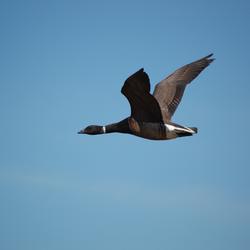
Tracking Data for Black Brant (Branta bernicla nigricans)
Available here are tracking data for the Black Brant, a goose species that breeds in coastal areas of Alaska, northwestern Canada, and northeastern Russia and winters along coastal areas of North America from western Alaska to Mexico.

Tracking Data for Red-faced Cormorants (Phalacrocorax urile)
Available here are tracking data for the red-faced cormorant, a seabird species that is found only in the North Pacific Ocean, breeding and wintering from southern Alaska and throughout the Aleutian Islands to Far Eastern Russia. These data were collected to better understand the migratory patterns of red-faced cormorants that breed in the Aleutian Islands.

Tracking Data for Spectacled Eiders (Somateria fischeri)
Available here are tracking data of Spectacled Eider, a sea duck species that breeds only in Alaska and Russia and spends the winter exclusively in the Bering Sea. The Alaska breeding population is listed as threatened under provisions of the Endangered Species Act. These data were collected to better understand the winter distribution in the Bering Sea and locate birds for winter aerial surveys...

Tracking Data for Three Large-bodied Gull Species and Hybrids (Larus spp.)
Available here are tracking data of large-bodied gull species and hybrids ( Larus species). These data were collected to better understand the migratory movements of these birds and their role in the dispersal of antibiotic resistant bacteria among areas of Alaska and other regions.

Tracking Data for Polar Bear (Ursus maritimus)
Available here are tracking data of Polar Bear. Research focuses on the two polar bear subpopulation’s whose range includes Alaska: the Southern Beaufort Sea subpopulation that ranges between the North Slope of Alaska and western Canada and the Chukchi Sea or Alaska-Chukotka subpopulation that ranges between the northwest coast of Alaska and eastern Russia.

Tracking Data for Greater White-fronted Geese (Anser albifrons)
Available here are tracking data of Greater White-fronted Geese, a species that nests in coastal areas of western and northern Alaska and winters across a broad area of North America along the Pacific and Central flyways. These data were collected to better understand the timing and patterns of migratory movements and seasonal use of habitats in breeding, wintering, and migratory areas of North...

Tracking Data for Surf Scoters (Melanitta perspicillata)
Available here are tracking data of Surf Scoter, a duck species that breeds throughout higher latitudes of Alaska and Canada and winters along coastal areas of North America. These data were collected to better understand the timing and patterns of migratory movements between breeding and wintering areas.

Tracking Data for Northern Pintails (Anas acuta)
Available here are tracking data of Northern Pintails, a duck species that, in Alaska, nests throughout the state and in adjacent regions of Russia and Canada. These data were collected to better understand the timing and patterns of migratory movements of Northern Pintails from wintering grounds in Japan as part of a project on the possible spread of Eurasian forms of avian influenza to North...

Tracking Data for Red-throated Loons (Gavia stellata)
Available here are tracking data of Red-throated Loons, a species that breeds in coastal areas throughout Alaska and winters along the Pacific coasts of North America and Eurasia. These data were collected to better understand the patterns of migratory movements and seasonal use of different regions of Alaska.

Tracking Data for Tundra Swans (Cygnus columbianus)
Available here are tracking data of Tundra Swans, a species that nests in coastal areas throughout Alaska and winters across a broad area of North America from the Pacific to Atlantic coasts. These data were collected to better understand the timing and patterns of migratory movements and seasonal use of habitats in breeding, wintering, and migratory areas of North America.

Tracking Data for Blue-winged Teal (Anas discors)
Available here are tracking data of Blue-winged Teal, a duck species that breeds throughout much of North America and whose wintering range includes neotropical areas of the Caribbean and Central and South America, thus providing a migratory link between the continents of North and South America. These data were collected to better understand the timing and patterns of migratory movement of Blue...

Tracking Data for Black Scoters (Melanitta americana)
Available here are tracking data of Black Scoter, a duck species that breeds throughout higher latitudes of Alaska and Canada and winters along coastal areas of North America. These data were collected to better understand the timing and patterns of migratory movements between breeding and wintering areas.